Meta and Unity announced an extended multi-year partnership on April 8 to deepen their collaboration on VR development tools. Unity stock jumped nearly 7% on the news, which tells you how much the market cares about this relationship. The partnership covers continued platform support for Meta Quest headsets, deeper development tool integration, and expanded enterprise collaboration.
SoftwareApril 14, 2026
Meta and Unity Just Extended Their VR Partnership. Here's What It Means for Developers.
By Nina Castillo
Staff Writer, VR.org
Advertisement
For developers building on Quest, this deal matters more than it might look at first glance. Here is why.
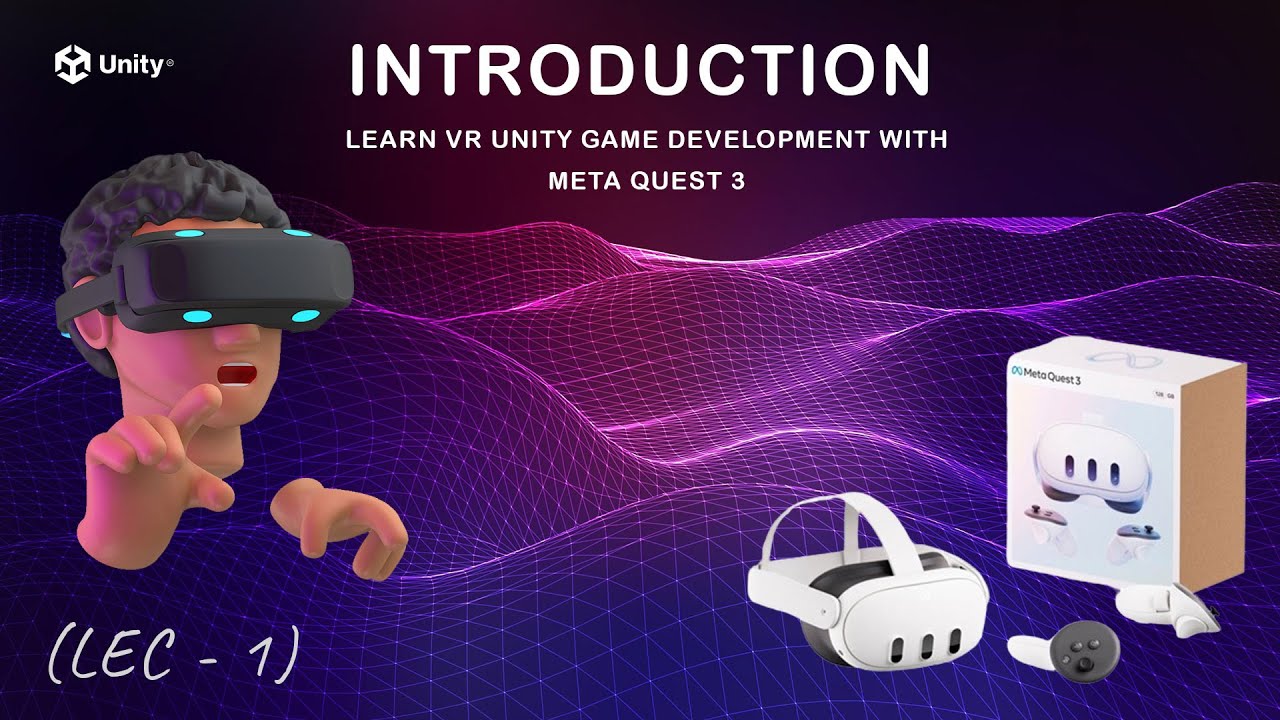
Unity already runs VR
If you are making a VR game or application right now, there is a better than 60% chance you are using Unity. That number is not an estimate. Unity powers the majority of Meta's top-selling VR titles and roughly 60% of all VR and AR content across every platform. On older mobile VR platforms like the original Samsung Gear VR, that number was closer to 90%.
Unity's dominance in VR comes down to practical reasons that matter to developers every day. The engine is lightweight and efficient, which is critical for standalone headsets like Quest 3 where you are running on mobile hardware. The C# programming language has a lower learning curve than Unreal's C++ and Blueprint system. The community is massive, which means tutorials, documentation, and third-party assets are abundant. And Unity supports practically every VR headset on the market, so cross-platform development is realistic without maintaining separate codebases.
The extended partnership reinforces all of that. Meta is committing resources to make sure Unity remains the best path for Quest development, and Unity is committing to treating Meta's platform as a first-class citizen.
The tooling is the real story
The headline says "partnership" but the substance is about developer tools. Meta has built an extensive set of SDKs that plug directly into Unity. The Interaction SDK handles user input. The Movement SDK covers body, face, and eye tracking. The Voice SDK adds speech interactions. There are dedicated SDKs for spatial audio and haptics. The recently updated Horizon OS UI Set, part of the v69 Meta XR Interaction SDK, gives developers pre-built interface components that match the native Horizon OS design language.
That last one is easy to overlook but it matters. Developers no longer have to design their own VR menu systems from scratch. They can use Meta's components, which means their apps feel native and users already know how to navigate them.

Why the timing matters
This partnership extension comes at a moment when developers need stability. Meta shut down three first-party game studios earlier this year. They laid off hundreds of Reality Labs employees. The narrative around Meta's commitment to VR has been uncertain at best.
Extending the Unity partnership sends a specific message: Meta may be pulling back from making their own VR games, but they are not pulling back from supporting the people who do. The developer ecosystem is the foundation of any platform. Without games and apps, headsets are expensive paperweights. Meta knows this, and locking in Unity as the primary development path is how they keep that ecosystem healthy.
Unity COO Alex Blum put it directly in the announcement: Meta is the world's leading VR platform, and Unity powers the majority of its top-selling games. Neither company benefits from disrupting that relationship.
What about Unreal?
Unreal Engine is not going anywhere in VR. For high-fidelity experiences, architectural visualization, and cinematic-quality applications, Unreal remains the stronger choice. The engine's visual capabilities are hard to match, and some of the most impressive VR demos and enterprise simulations run on Unreal.
But for the bread and butter of Quest development, especially games, social apps, and fitness applications, Unity's combination of efficiency, accessibility, and Meta's tooling investment makes it the practical choice. The extended partnership reinforces that gap. Developers building for Quest are going to reach for Unity first because that is where the best tools and documentation live.
What developers should take away
If you are building for VR, this deal means your toolchain is not going to get disrupted anytime soon. Unity and Meta are locked in. The SDKs will keep getting updated. The documentation will stay current. The path from Unity editor to Quest store submission will keep getting smoother.
That kind of stability sounds boring, but boring stability is exactly what a development ecosystem needs to attract and retain talent. The less time developers spend worrying about platform shifts, the more time they spend making things worth putting on a headset.
Advertisement