Meta Quest 3S (128GB)
$349The best entry-level standalone VR headset. Great mixed reality, solid game library, no PC required. Up $50 since April's memory-driven price adjustment.
Hand-picked headsets, AR glasses, accessories, and PC hardware from the VR.org editorial team. Prices and availability change constantly, so we check these links often.
VR.org is a participant in the Amazon Associates affiliate program. We earn a small commission from qualifying purchases at no extra cost to you. Other retailer links on this page (Bigscreen, direct manufacturer links) are provided as a convenience and do not currently earn us a commission. Our recommendations are editorially independent.
Our picks for the best VR headsets you can buy right now.
The best entry-level standalone VR headset. Great mixed reality, solid game library, no PC required. Up $50 since April's memory-driven price adjustment.
Same Quest 3S hardware with double the storage. Worth the upgrade if you keep more than a handful of games installed.
The full-featured Quest. Better lenses, more storage, best standalone VR experience available. Up $100 after Meta's April memory-driven price adjustment.
OLED, eye tracking, foveated rendering, headset rumble and adaptive-trigger controllers, and still the best VR you can plug into a PS5. New units are listed as out of stock at PlayStation Direct in the US as of September 30, and Amazon itself has none; marketplace listings run well above $399. Sony has not said when stock returns.
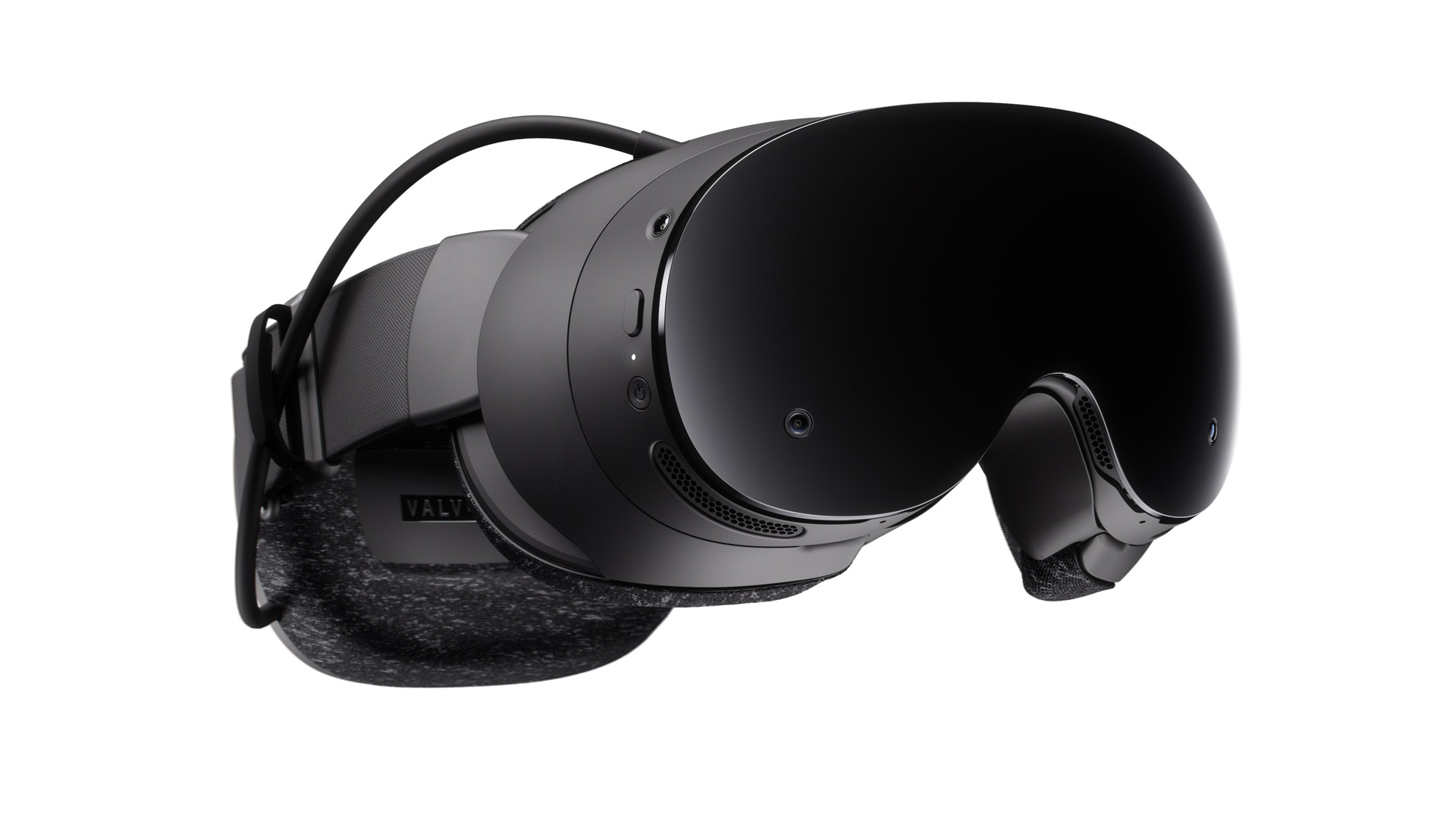
WaitlistValve's streaming-first SteamOS headset, with standalone play on a Snapdragon 8 Gen 3, eye-tracked foveated rendering, and Half-Life: Alyx in the box. $1,059 for 256GB or $1,299 for 1TB, and the $29 power supply is sold separately. Sold through a reservation queue: the first purchase emails went out September 18, and anyone signing up now joins the waitlist.
Samsung's premium Android XR headset and Google's flagship for the platform. Eye tracking, hand tracking, Gemini-powered spatial AI. The most credible Vision Pro alternative in the Android ecosystem.
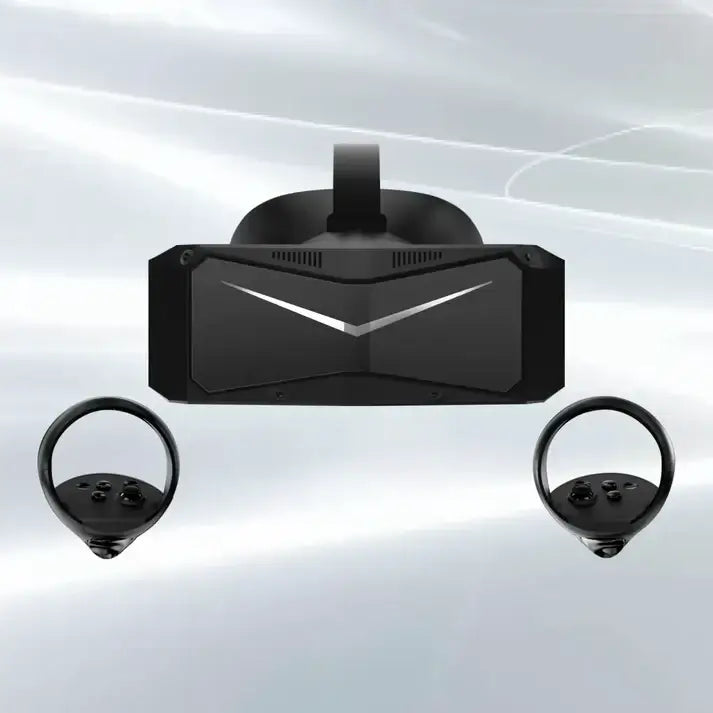
Premium107 grams. The lightest, sharpest PC VR headset ever made. Since August 31 it starts at $959 with the Universal-Fit Cushion, $60 less than before; the Custom-Fit Cushion is still available as an upgrade.

Native 4K per-eye QLED with glass aspheric lenses and 35 PPD. The best PC VR clarity you can buy without going custom. Sim racers and flight sim diehards swear by it.

Standalone and PC VR in one compact, glasses-like form factor. Color passthrough mixed reality, 110 degree FOV, and a foldable design that travels well. HTC's US store no longer lists the consumer model, so Amazon is the place to buy it now, at well under its old $899.
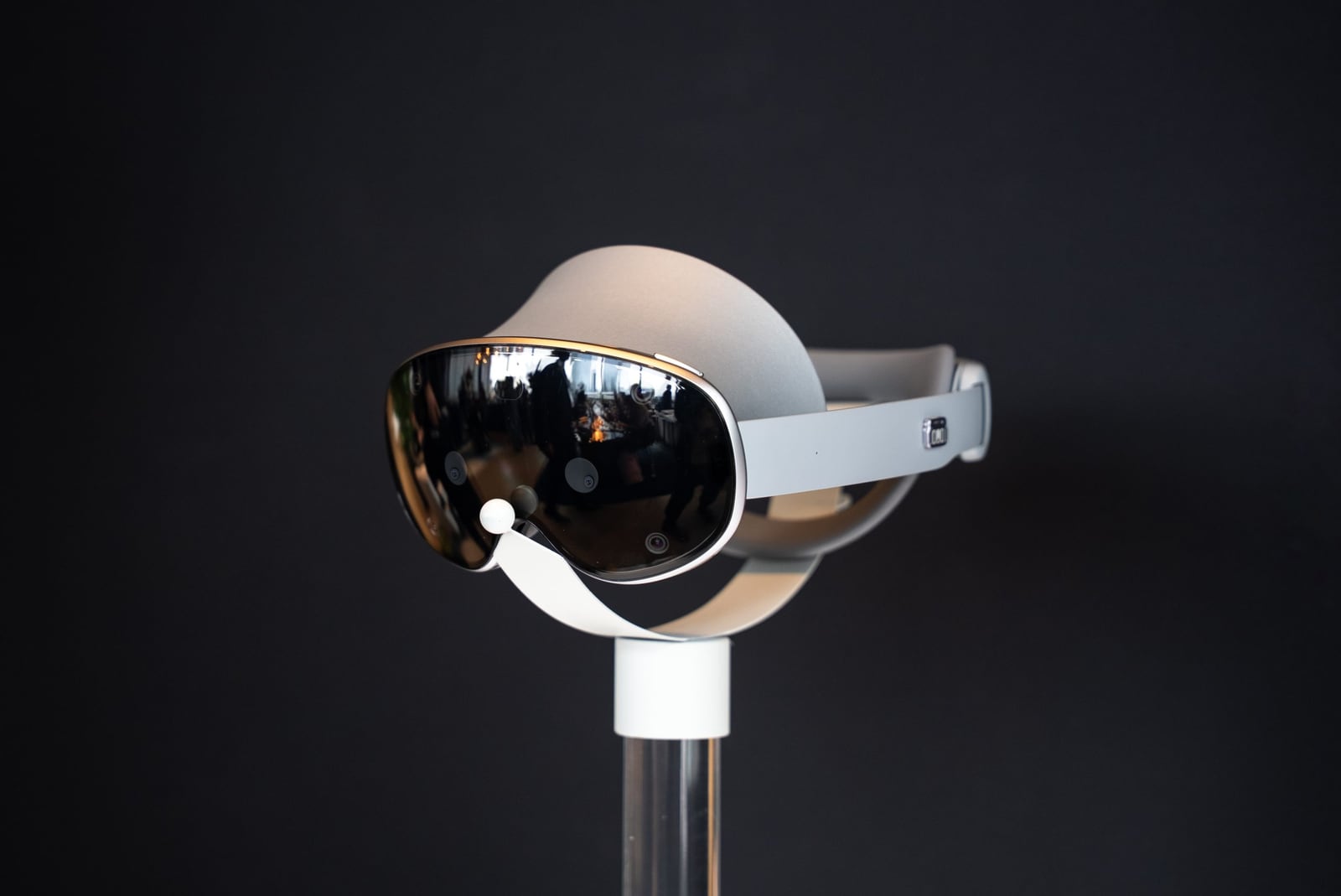
PremiumThe most advanced spatial computer. Incredible display, eye and hand tracking, visionOS ecosystem. Up $200 since Apple's June price increase. Sold by Apple only, not on Amazon.
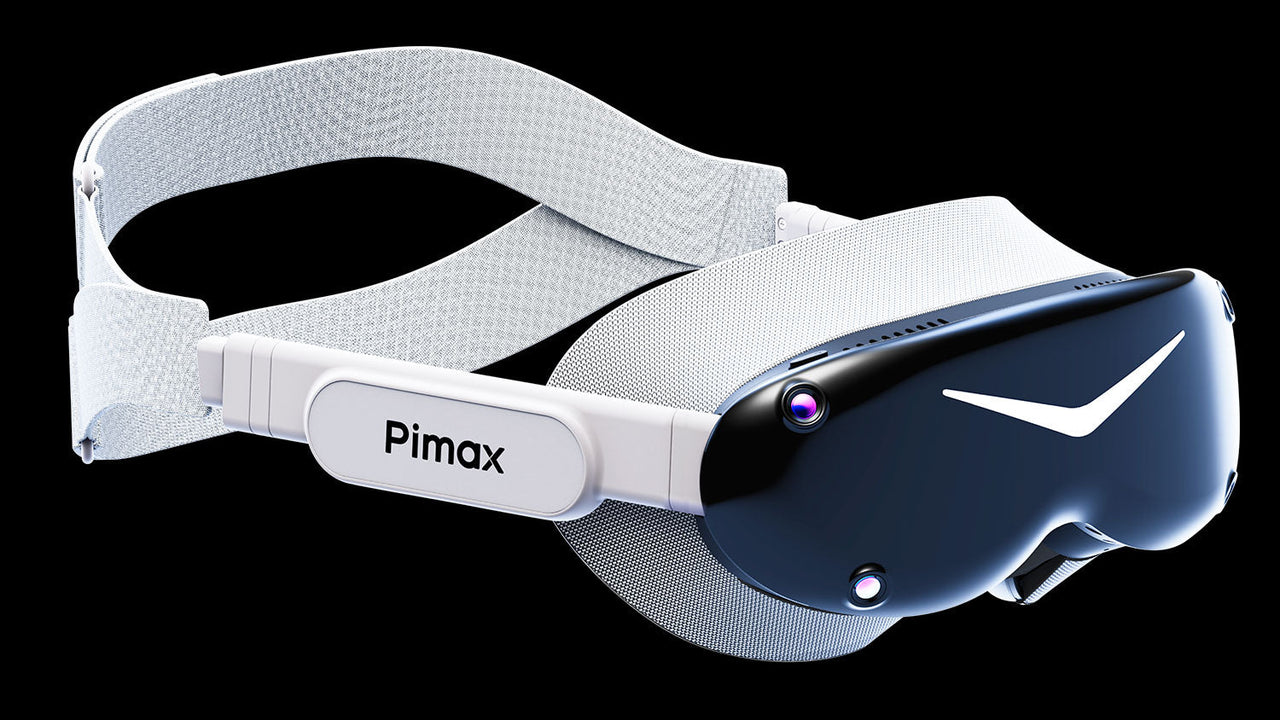
In StockPimax's compact micro-OLED PC VR headset at around 140 grams. $899 for the headset alone, $1,199 with the SLAM tracking module and controllers. Ships from stock.
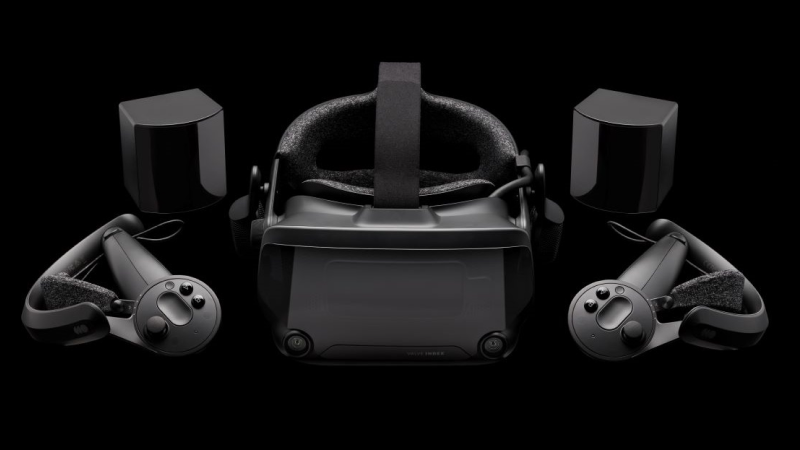
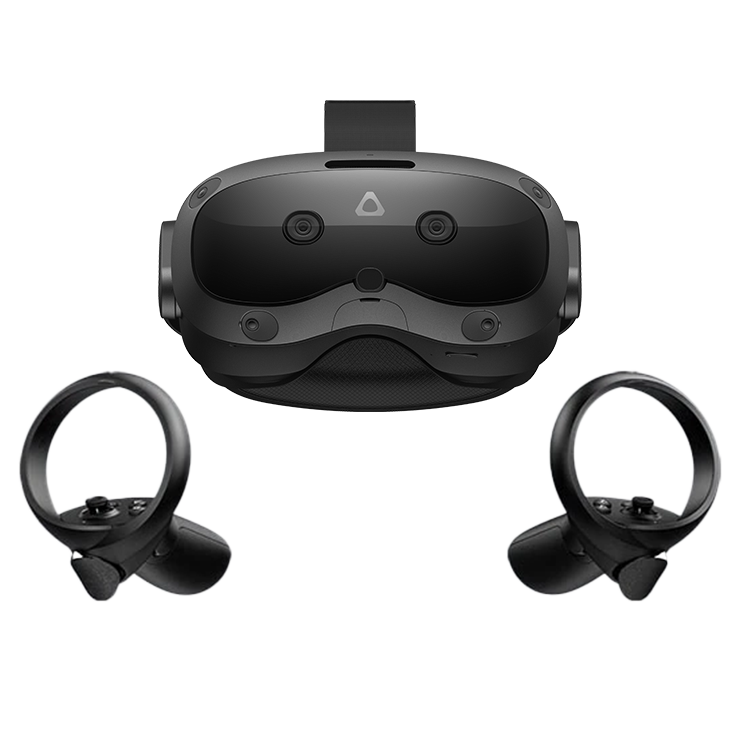
HTC's hybrid standalone that also runs as a tethered PC VR headset, with eye tracking, hand tracking and support for face and body trackers built in. HTC's sale has ended and it is back to $1,299 at HTC and Amazon. It pairs directly with the Ultimate Trackers below.
Smart glasses and wearable displays for mixed reality, media, and on-the-go computing.
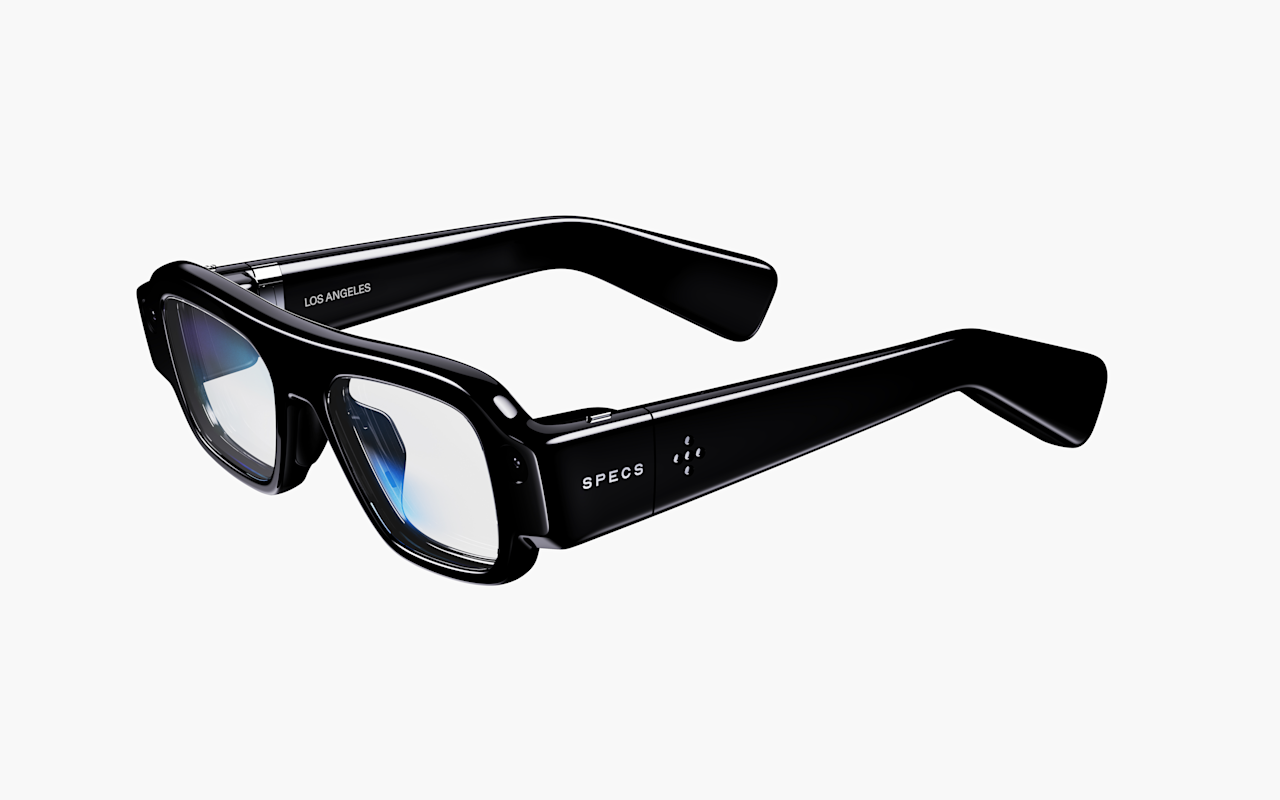
PreorderSnap's first true AR glasses built for everyone, not just developers. Fully standalone with two Qualcomm Snapdragon chips (no phone, no puck), see-through LCoS displays with a 51 degree field of view and 16 million colors, and an AI assistant from OpenAI and Google that sees what you see and answers in real time. Around 132 grams, with up to 20 hours of battery using the charging case. A $2,395 bundle adds a cellular charging case, with Verizon data plans from $10 a month. Preorder now with a $200 refundable deposit; Snap still says only that shipping begins later this fall in the US, UK, and France.
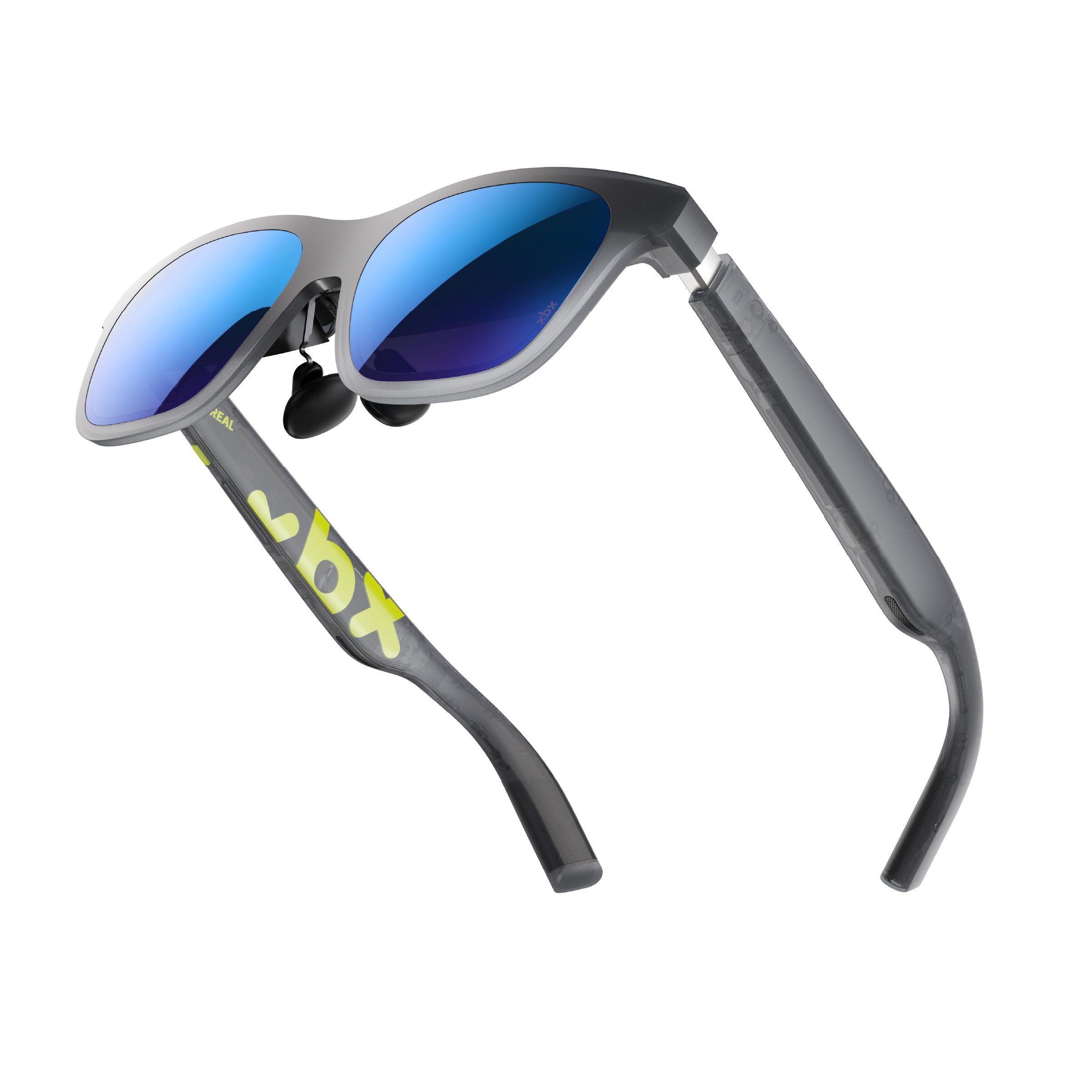
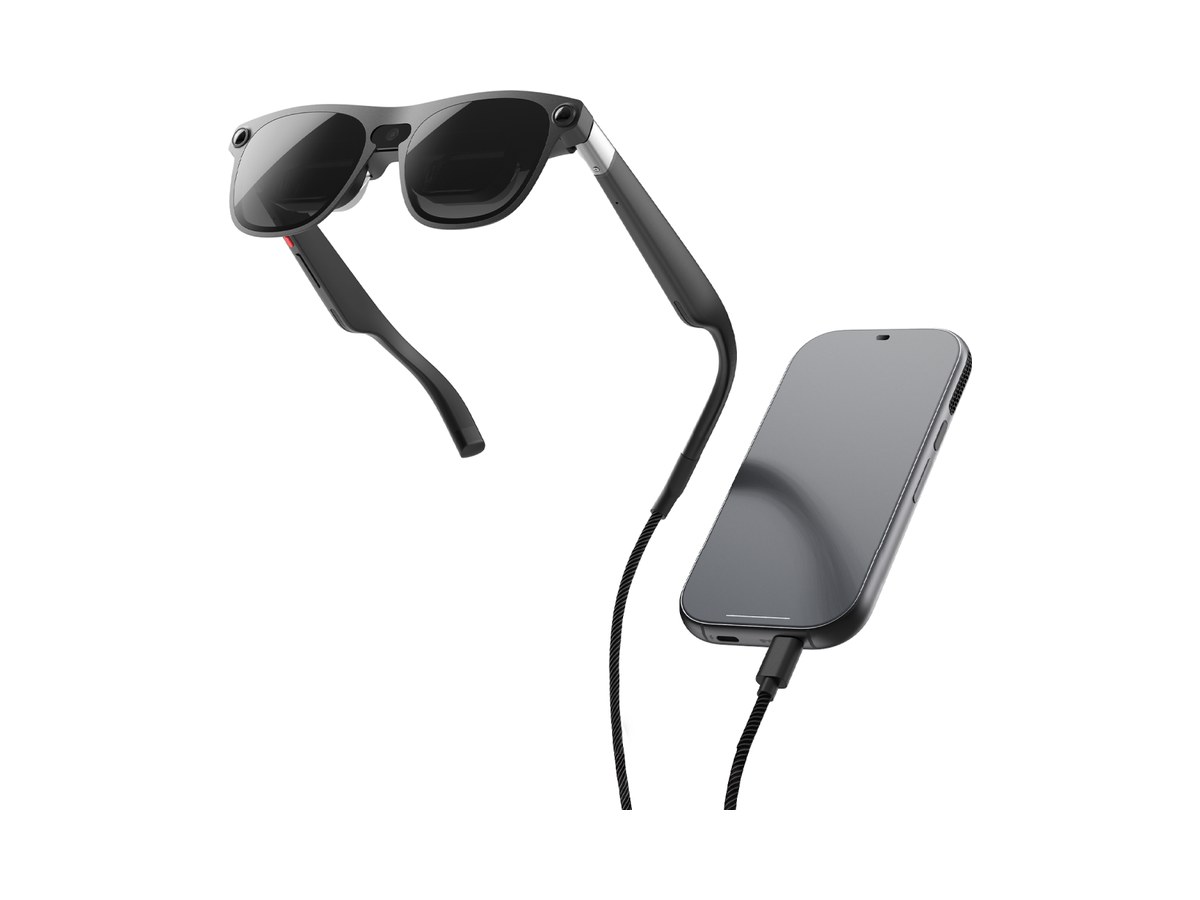
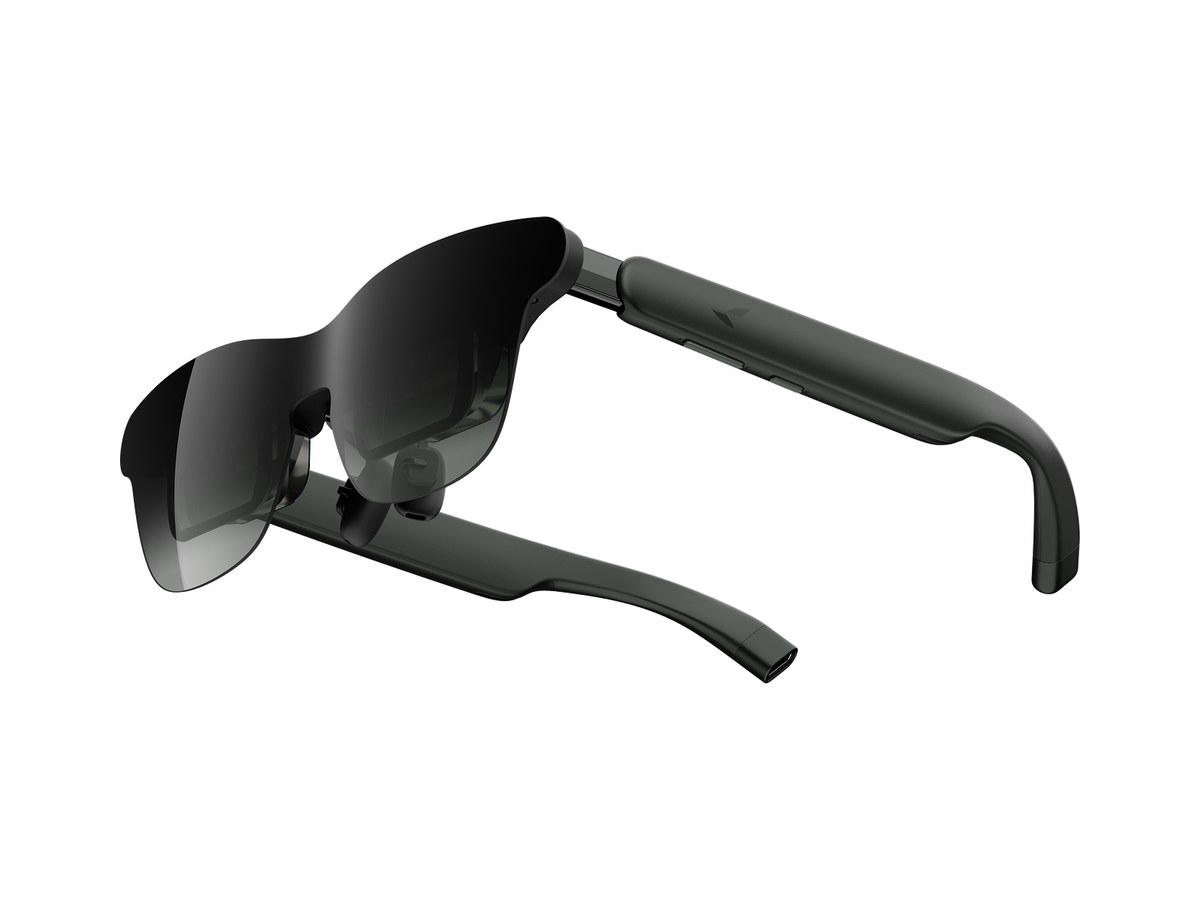
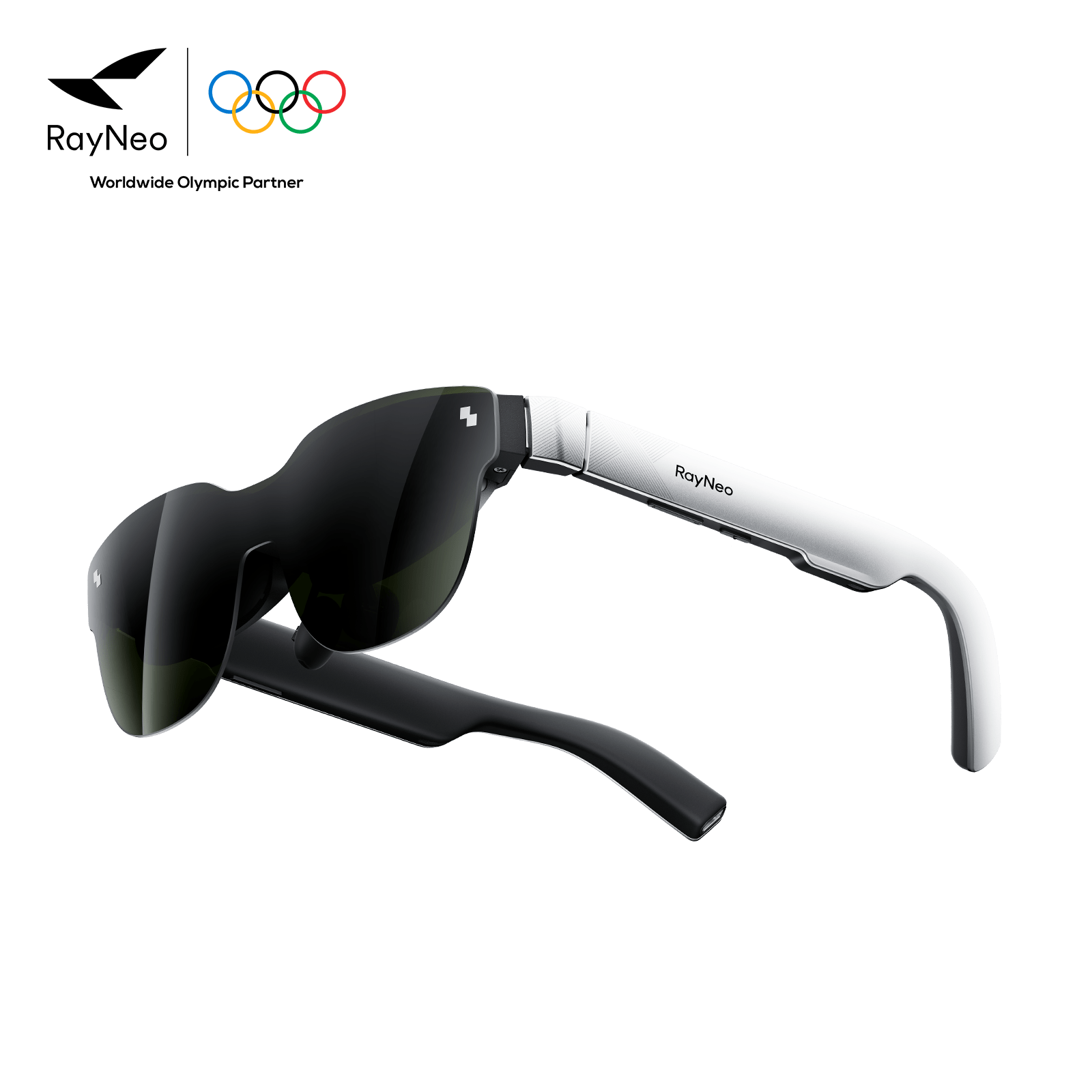
NewA 147-inch private screen on your face for the price of a game console accessory. The affordable display-glasses category is the part of AR that actually sells, and this is its new benchmark.
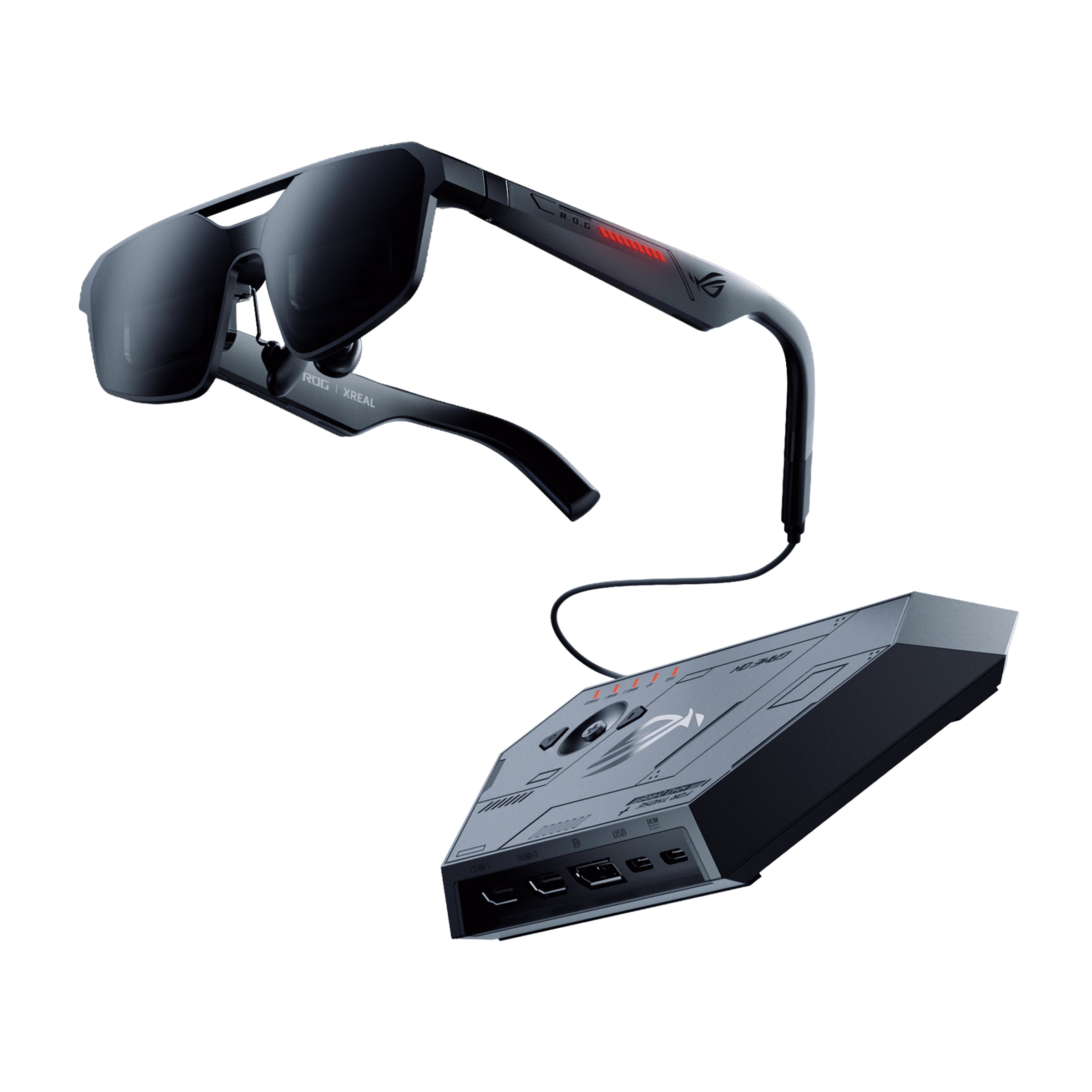
Gaming PickThe first 240Hz micro-OLED AR glasses, built for gamers. 171-inch virtual screen, Sony micro-OLED panels, Bose-tuned audio, and a control dock that hot-swaps between PC, Xbox, and PlayStation. Both IPD sizes are orderable again at Xreal direct as of September 30.

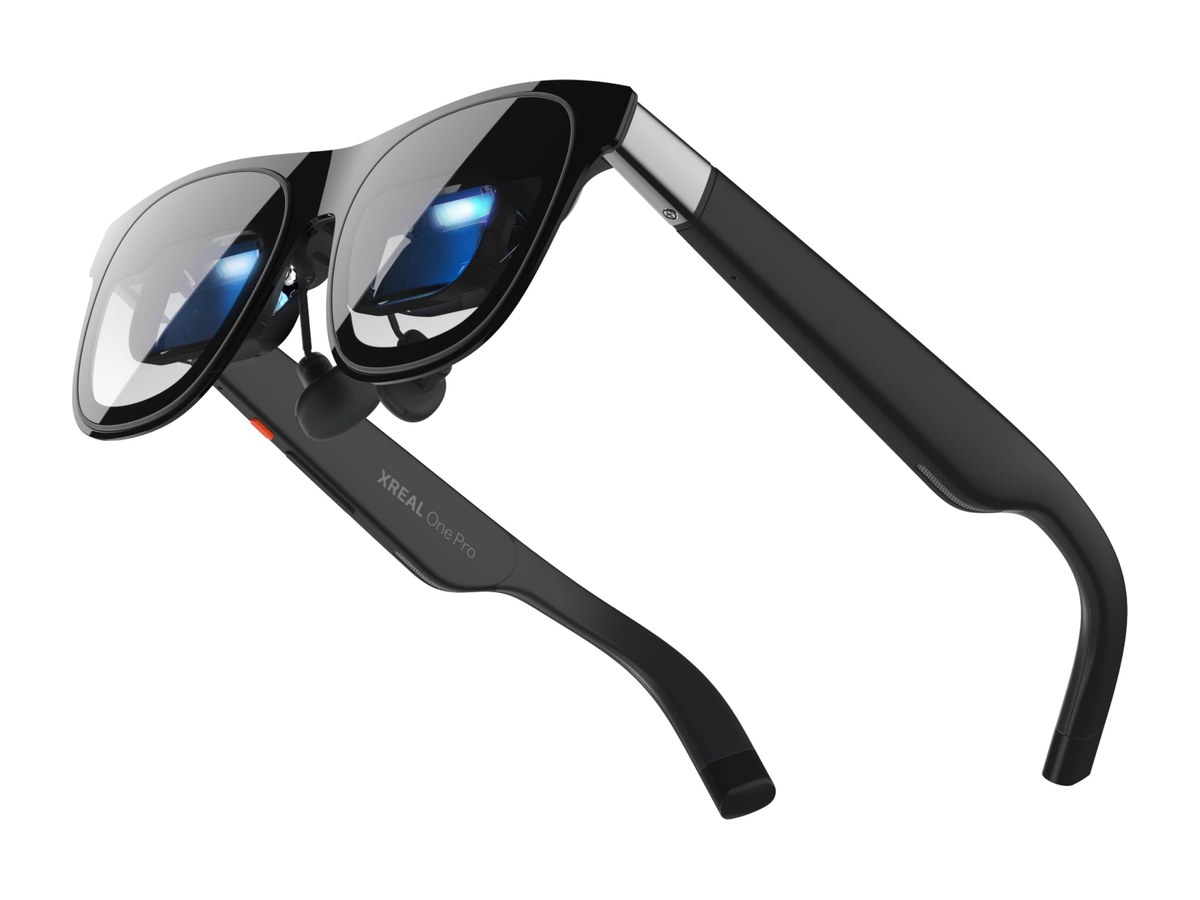
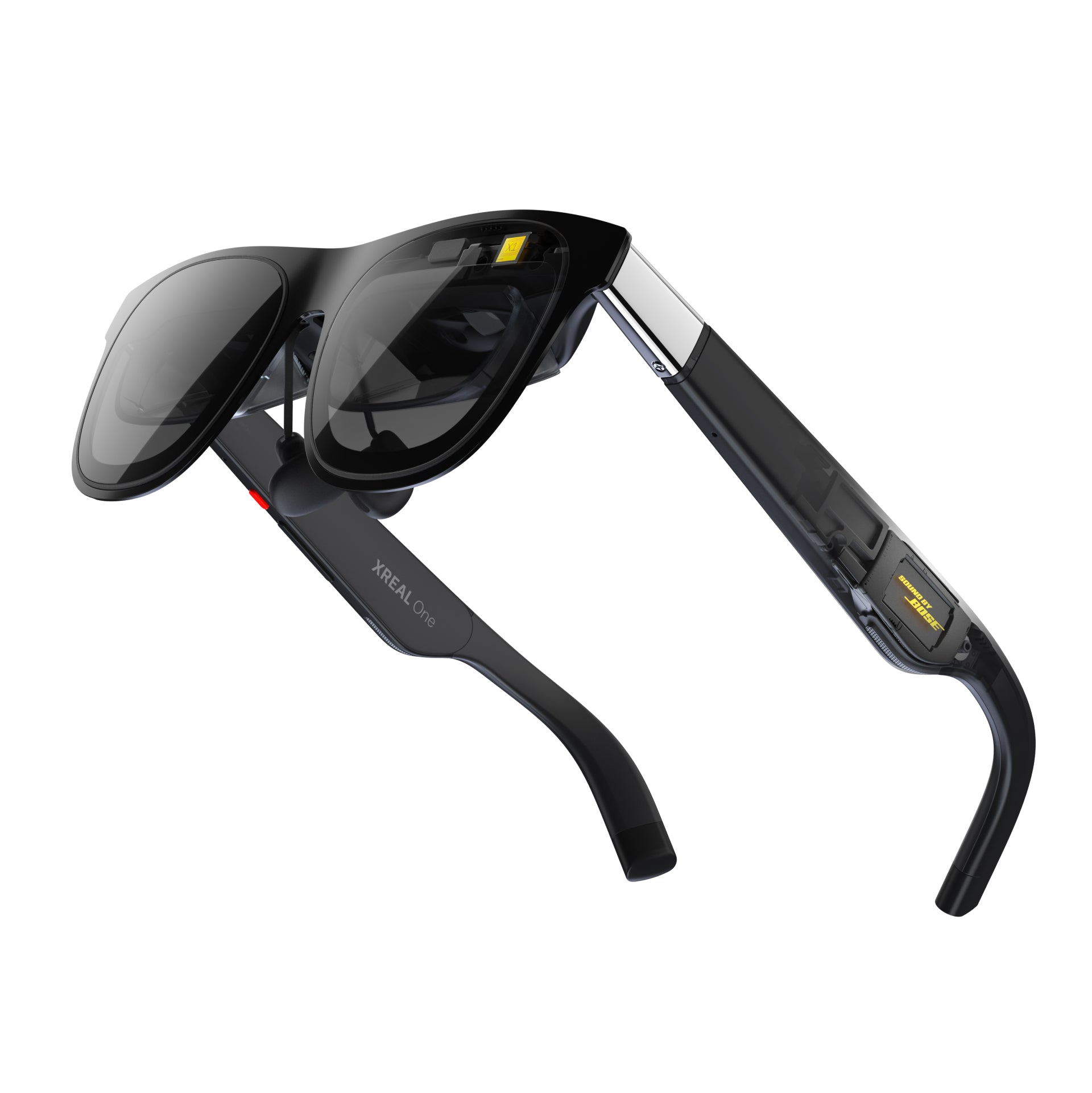
Xreal's everyday flagship. 120Hz micro-OLED, X1 chip with 3DoF spatial anchoring, Bose-tuned speakers, and Real 3D for stereoscopic 2D conversion. Now $599 at Xreal and Amazon, down from $649, which keeps it the AR glasses sweet spot.

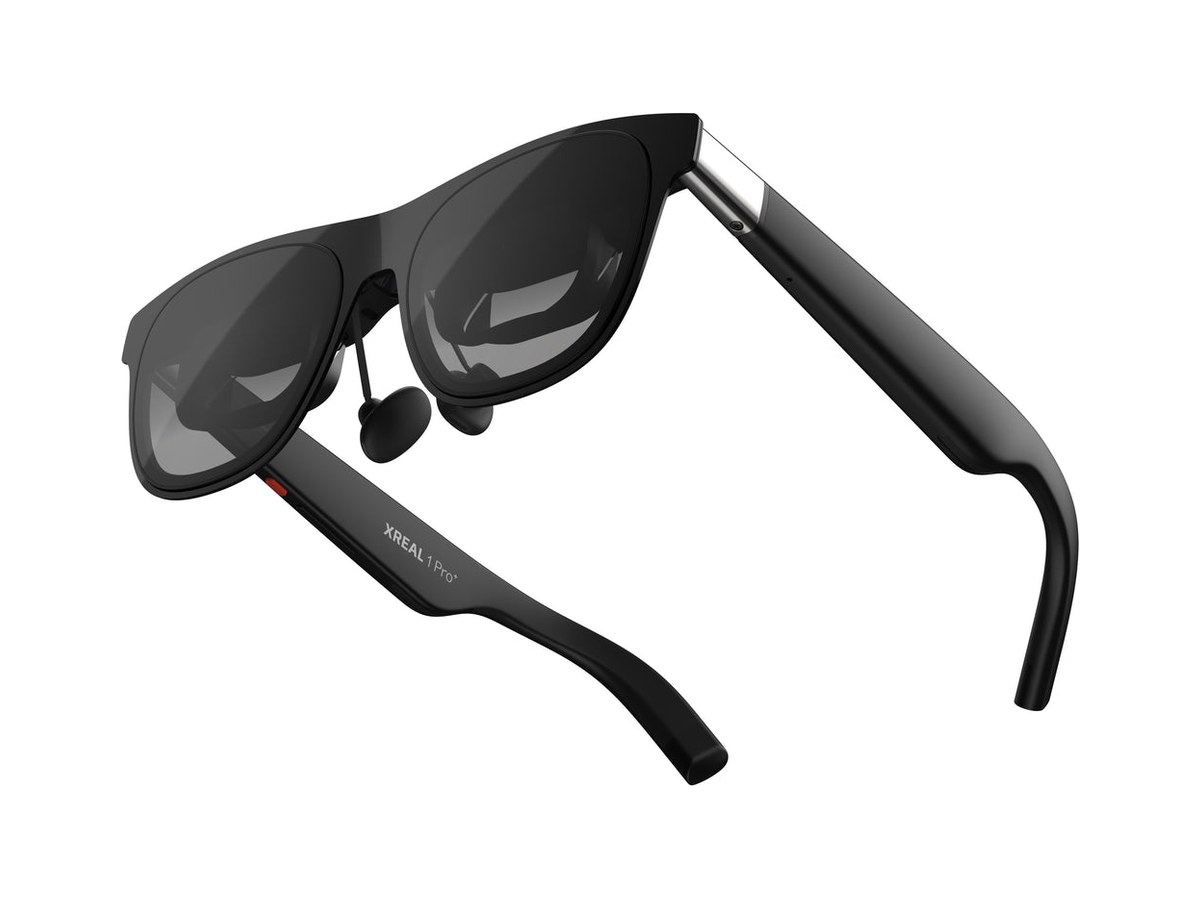
The everyday entry point into Xreal's lineup and the most affordable glasses to carry the in-house X1 spatial computing chip. 120Hz micro-OLED, a rock-steady 3DoF anchored screen with no phone or compute puck required, and Bose-tuned open-ear sound. If the One Pro is more than you need, this is the pair to buy.
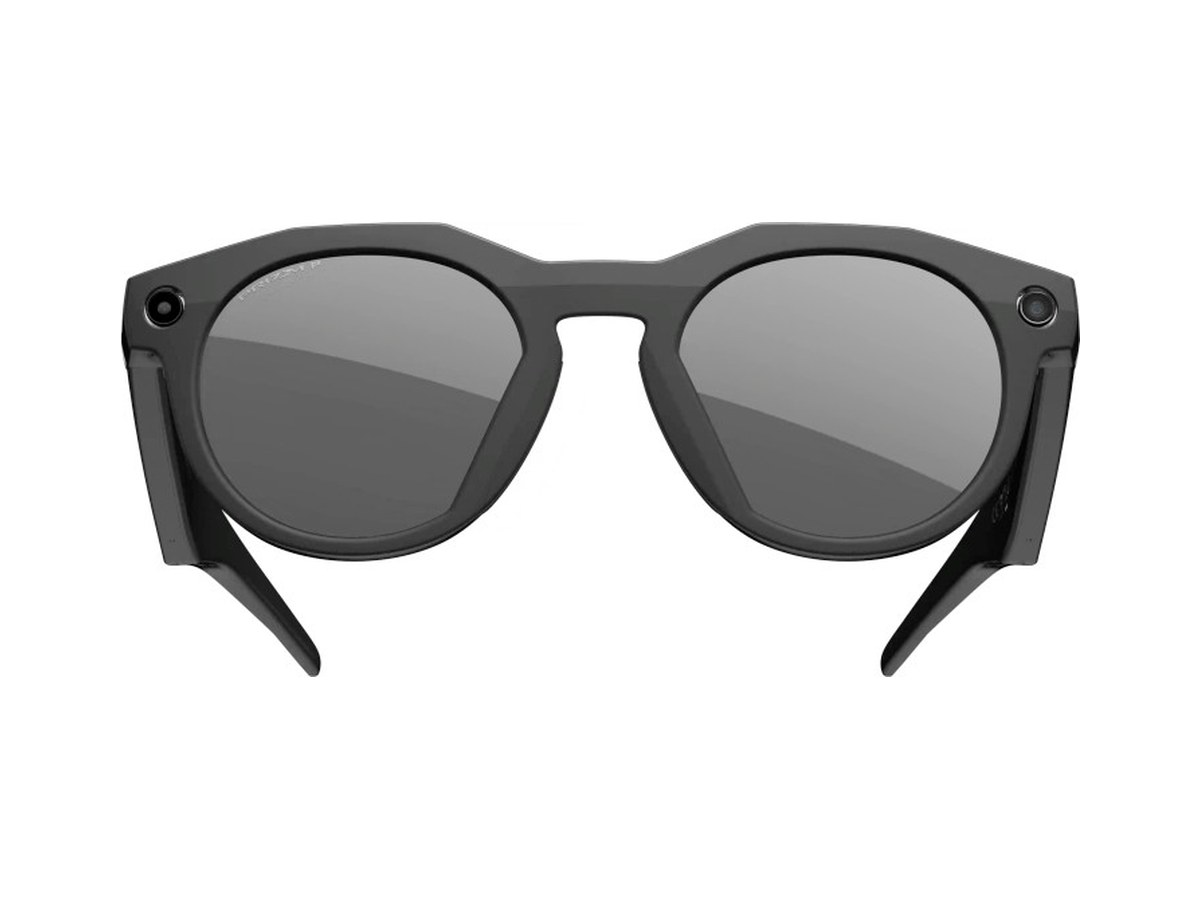
Editor's PickMeta's third-generation camera glasses, on sale since Connect on September 23. A 12MP camera with 3K video, a six-microphone array, a customizable action button and up to nine hours of battery, an hour more than Gen 2. Wayfarer, Aviator and the new Zena cat-eye; Transitions lenses take it to $529.
PreorderMeta AI and open-ear audio in Ray-Ban frames with no camera. 43 grams, up to 12 hours of battery plus 48 more from the case, in the new Clubmaster and Burbank styles. On preorder now, with delivery from October 13.
NewMeta's glasses with a display in the right lens, sold with the Meta Neural Band wristband that controls them. Messages, directions and captions appear in view. Now ordered online in the US, and on sale in Canada and the UK since September 23, with France, Italy and Germany from October 13.
Still on sale from $379 after Gen 3 arrived at Connect. Meta AI, open-ear audio, a 12MP camera and genuine all-day wearability, and $70 less than Gen 3 if the extra hour of battery does not matter to you.
NewMeta's own-brand camera glasses and its cheapest pair yet. The $249 version with a plug-in case is on preorder for October 23; the $299 version with the folding charging case ships now.
NewViture's lightest glasses yet at 63g, with a 146-inch virtual screen, 1920x1080 per eye at 120Hz, Sony micro-OLED panels rated 1,600 nits, and a 50-degree field of view. Built-in 0 to -5.00D diopter adjustment means many nearsighted buyers can skip prescription inserts. Wired USB-C to a phone, laptop, Steam Deck, or Switch.

XR display glasses with a 174-inch virtual screen. Works with PS5, Switch, Steam Deck, and phones.
Best ValueLightweight 1080p Micro-OLED display glasses. A budget-friendly gateway into wearable big-screen video.
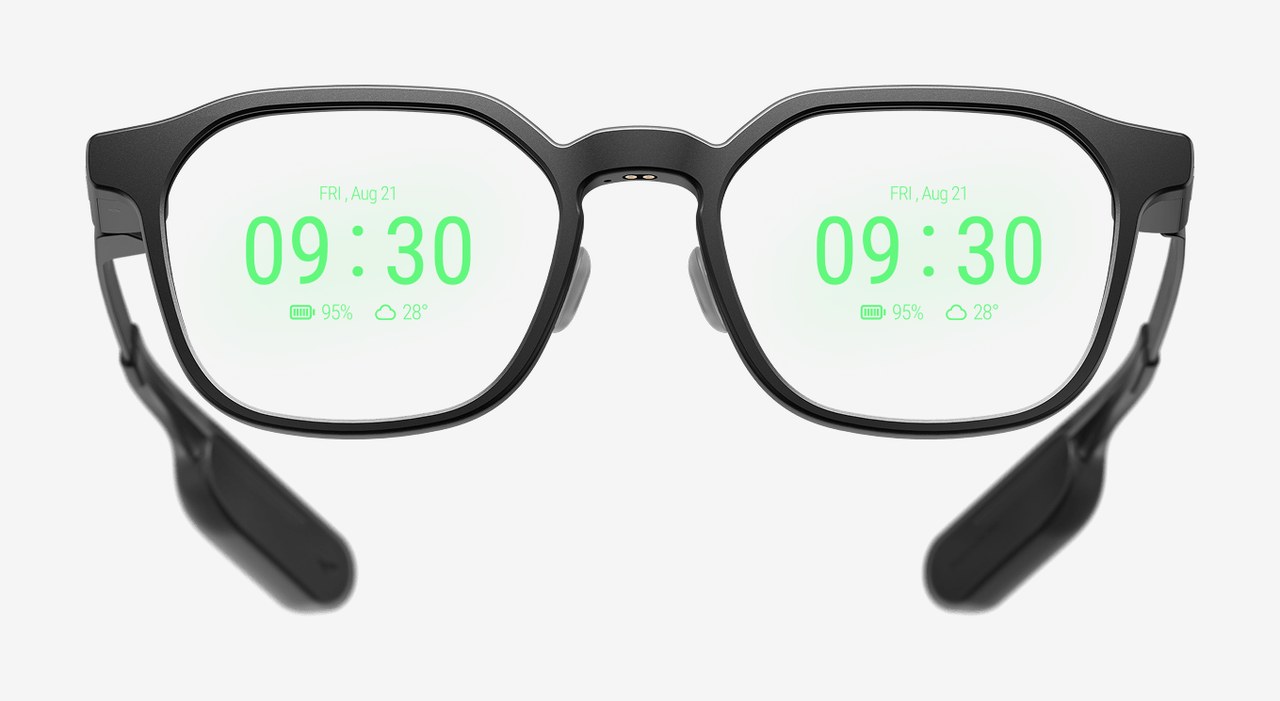
NewCamera-free display glasses at 33 grams, with a monochrome green heads-up display in both lenses for notifications, captions and live translation rather than movies. Bone-conduction audio instead of speakers, a choice of AI models including Gemini and ChatGPT, and a claimed two days of typical use. $449 on RayNeo's store, down from $499.

Even Realities' current display glasses, which replaced the G1 at the front of its store. A green in-lens display carries notifications, navigation, translation and its Conversate prompts in frames that pass for ordinary glasses. No camera, and nothing on the frame that reads as a gadget.
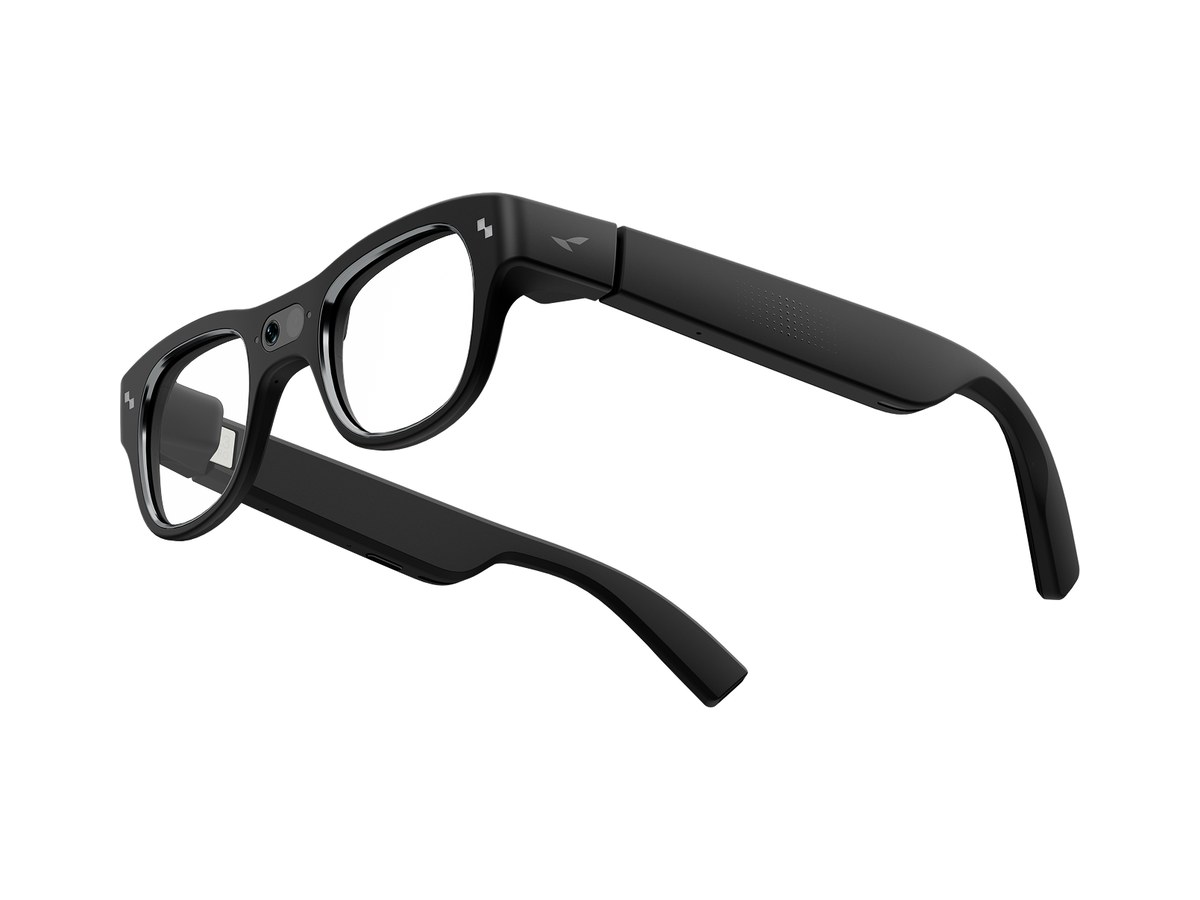
Open-platform AI camera glasses and a genuine Ray-Ban Meta alternative. Built-in camera, a voice assistant, open-ear audio, and an SDK that lets developers ship their own apps. Lightweight enough for all-day wear at well under the cost of a headset.
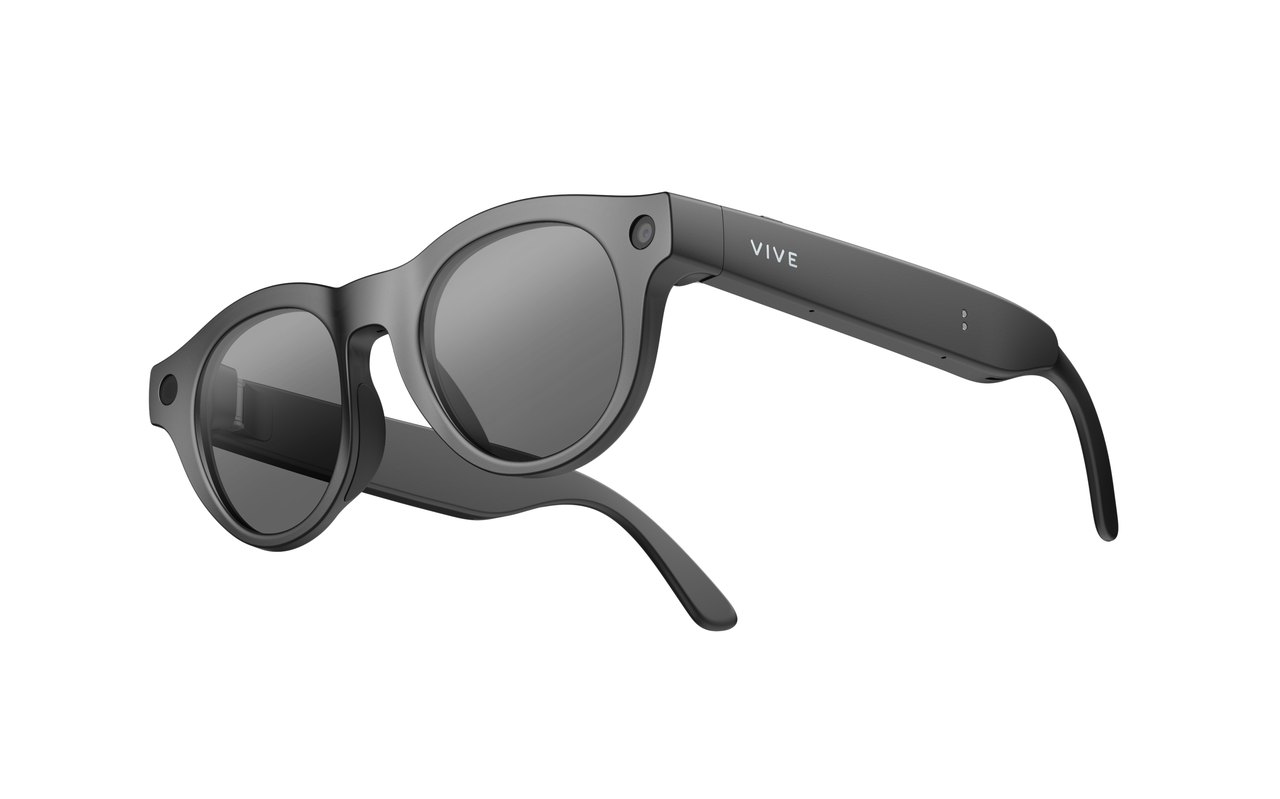
NewHTC's camera AI glasses. A 12MP camera, open-ear audio, a voice assistant and live translation in Pantos and Square frames, with two years of VIVE AI Plus included. All ten styles are in stock at HTC as of September 23, and Amazon sells it direct at the same price; Transitions lenses are $599.
Essential upgrades, comfort add-ons, cables, and charging gear for your Quest 3.
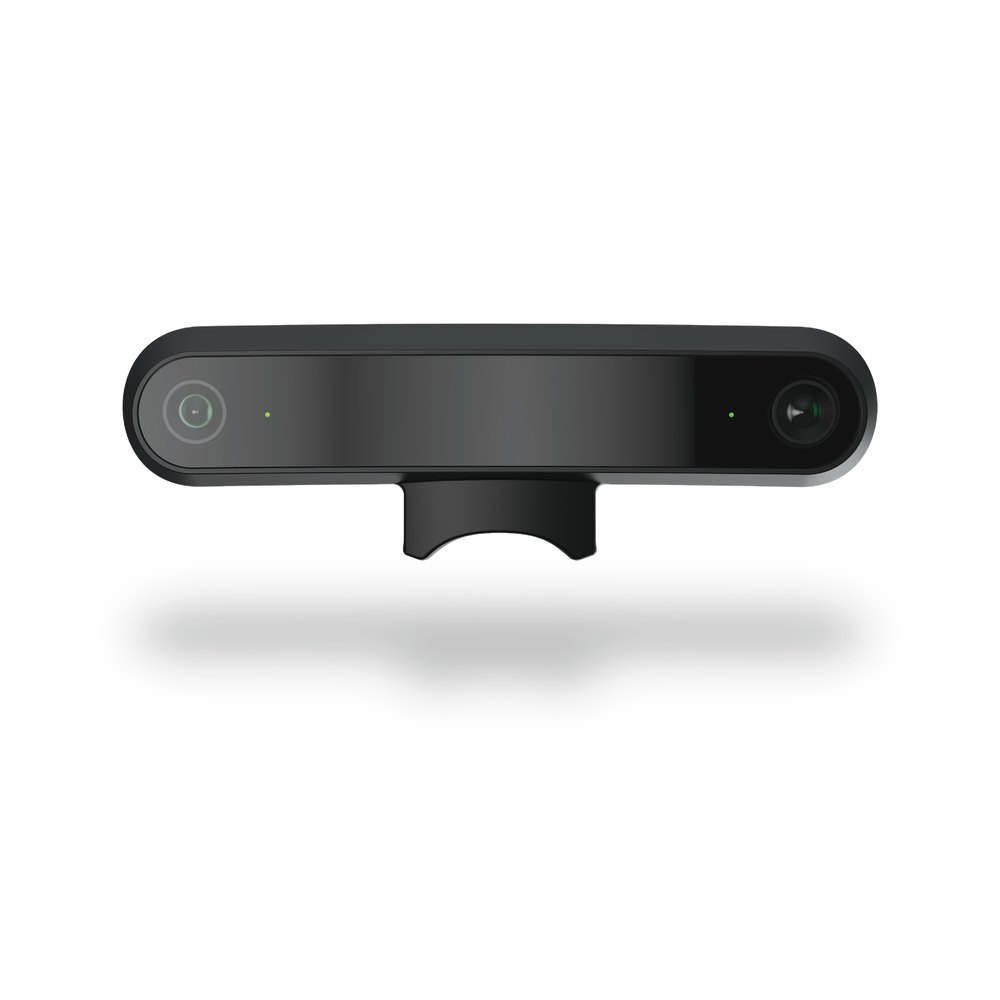
New for Steam FrameColor passthrough for the Steam Frame, whose own cameras are monochrome. A stereo 32-megapixel, 10-bit HDR camera under 10 grams that clips to the headset's front expansion port for 5K color passthrough, listed by Valve as Steam Frame Compatible. $149 with free shipping.

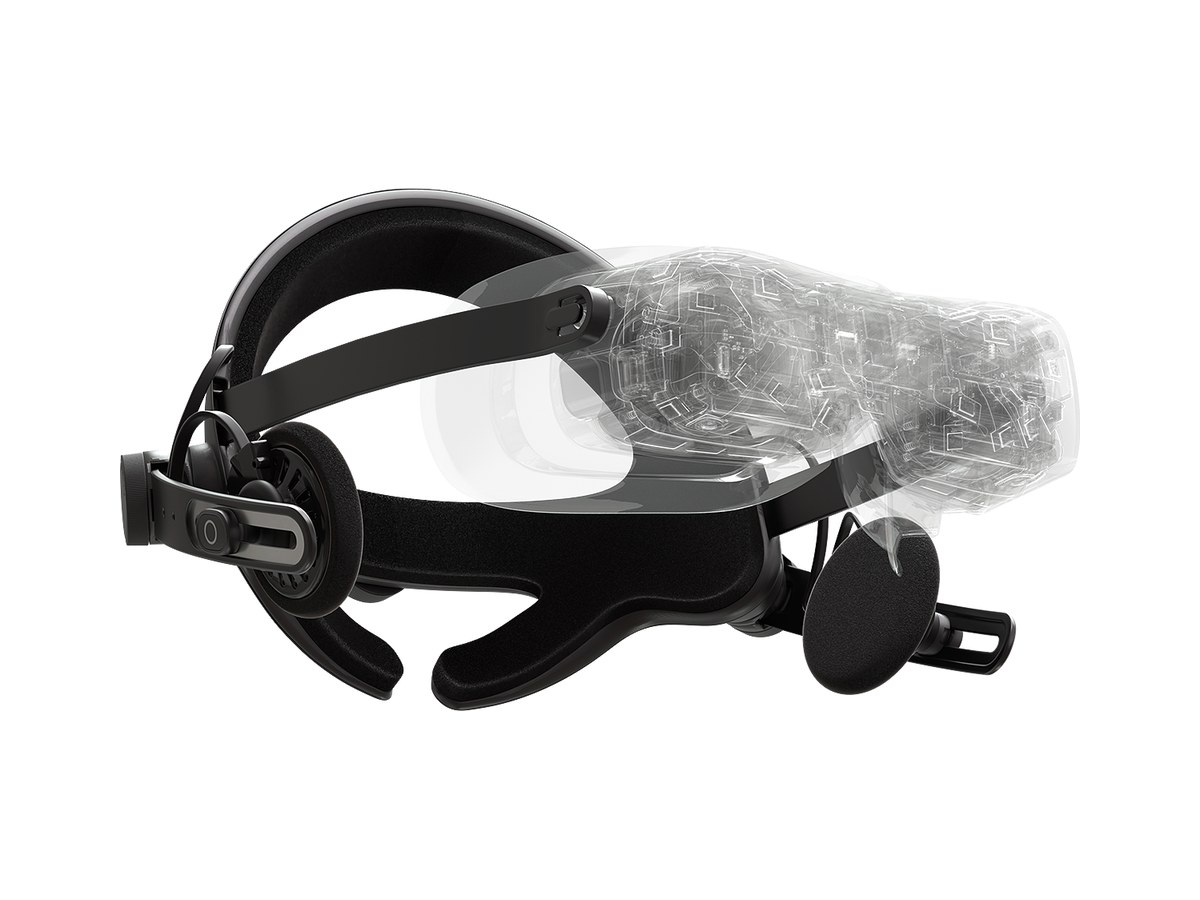
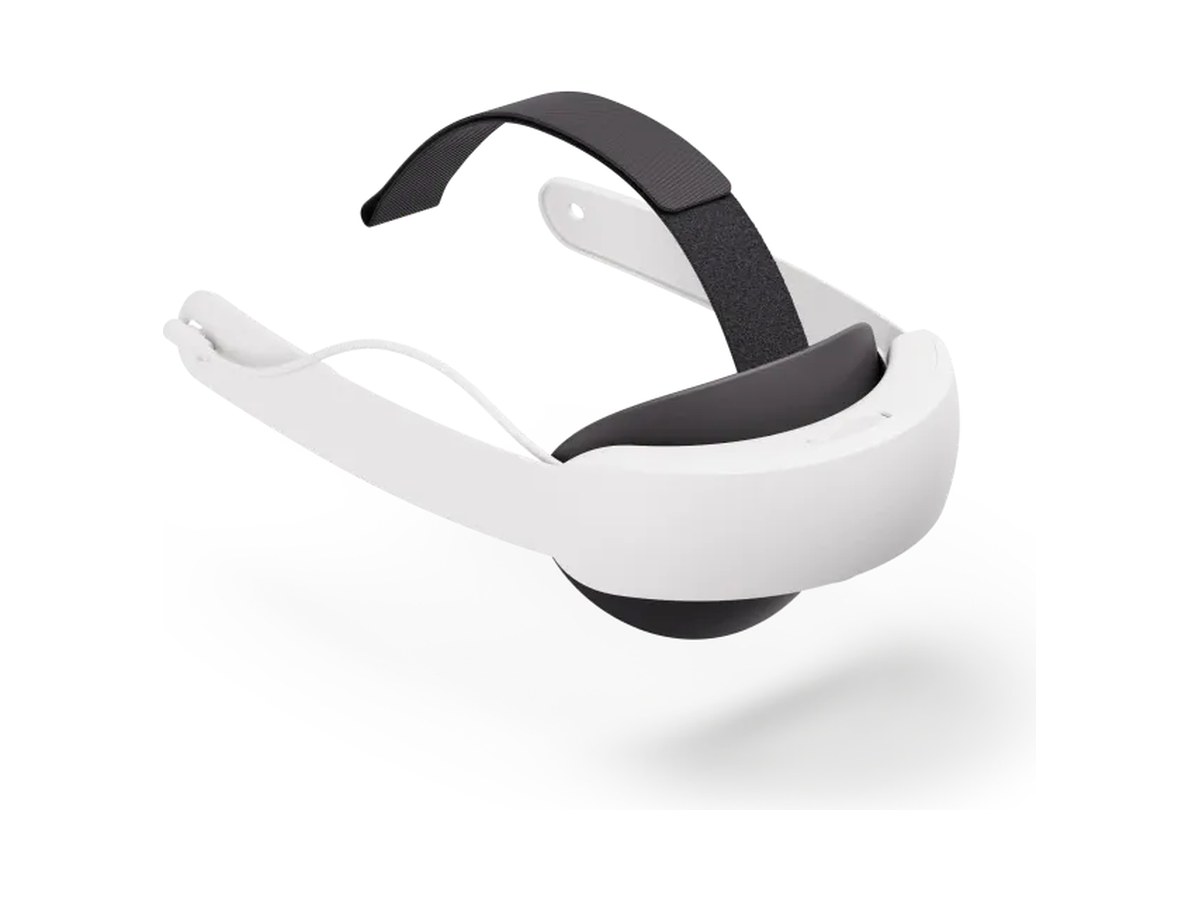
Official comfort upgrade. Better weight distribution and dial-fit adjustment for long sessions.

Suspended-design strap with a hot-swappable magnetic battery pack. The reviewer favorite for Quest 3 sessions longer than the stock battery can handle.

Budget-friendly comfort strap. Solid build quality for the price.

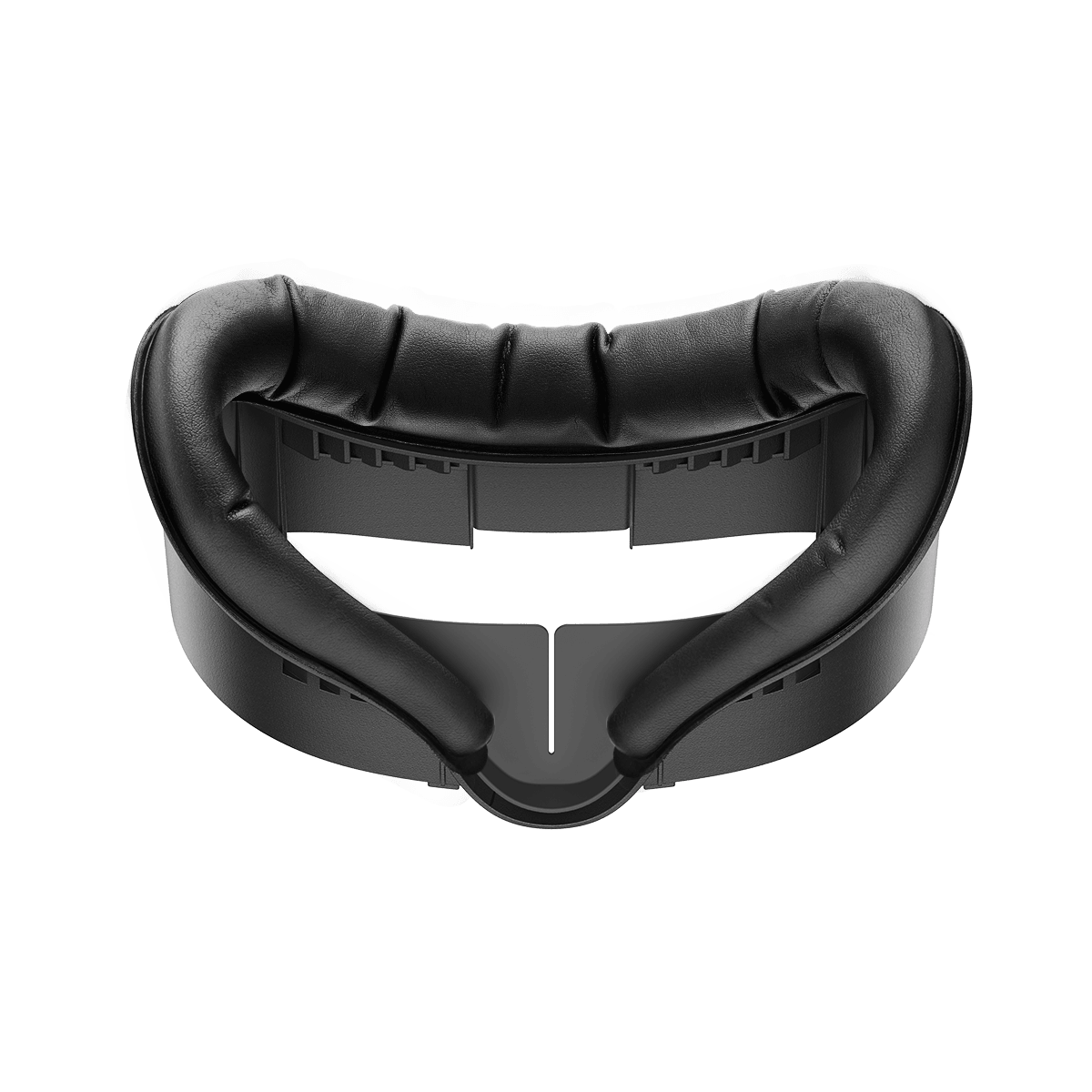
Breathable replacement cushion for Quest 3. Blocks light leaks and keeps sweat off the lenses during long sessions.
Staff FavoriteNon-slip silicone grip covers for Quest 3 controllers. Essential for sweaty sessions of Beat Saber, Supernatural, or Gorilla Tag.

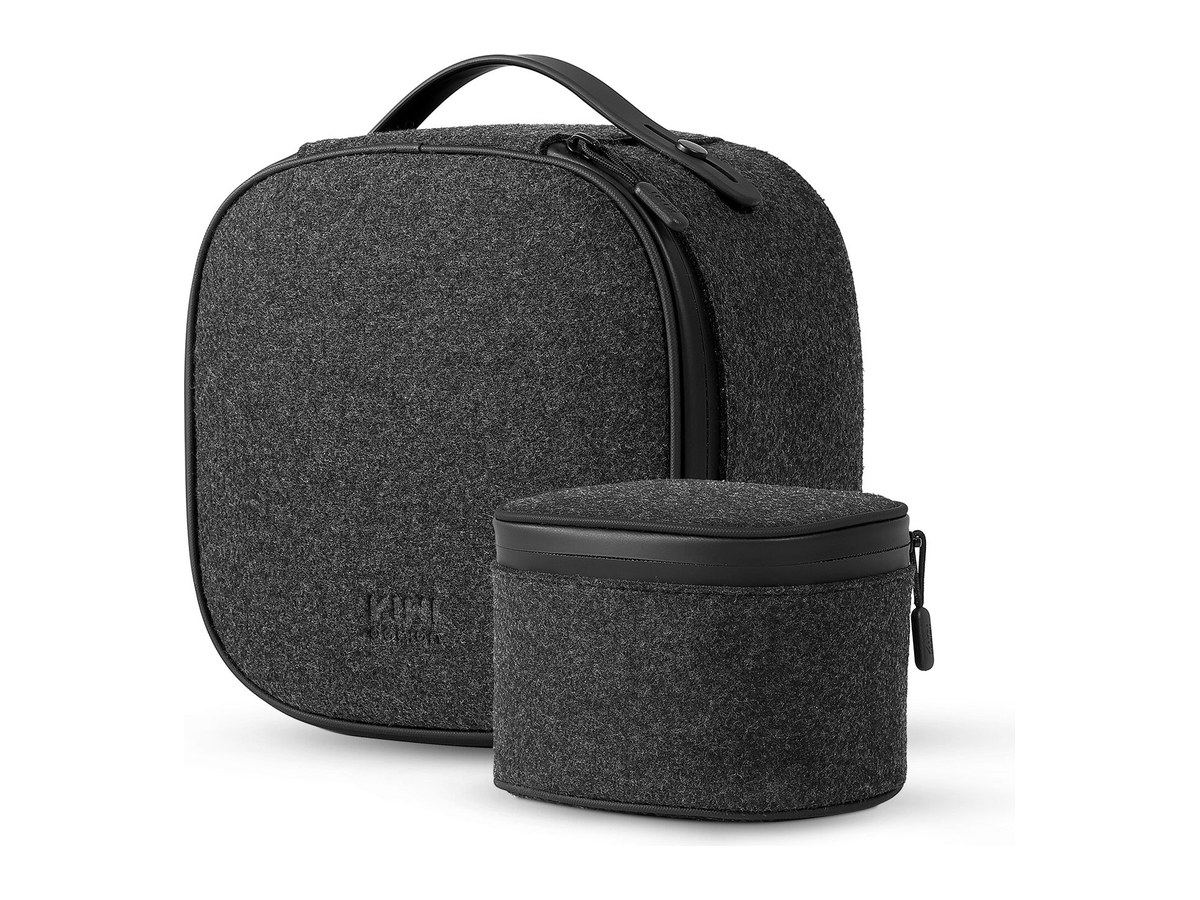
A compact case with a 10 mm protective shell and a soft lining that holds a Quest 3 or 3S with its original strap and both controllers, plus a small pouch for accessories. It does not fit Elite or halo-style straps.

USB 3.0 to USB-C cable for Quest PC VR. Works identically to Meta's official cable at a fraction of the price, with passthrough charging built in.
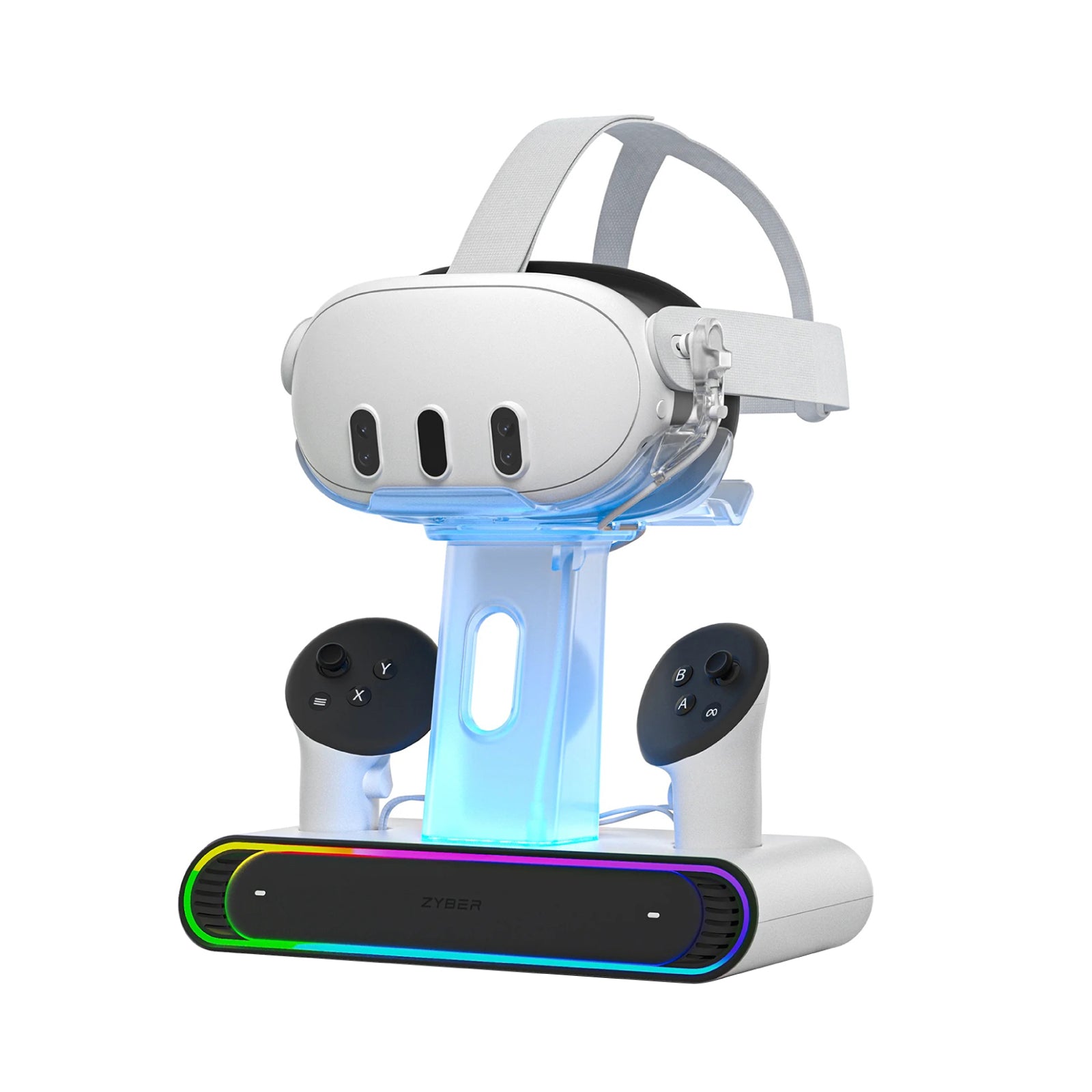
Editor's PickMagnetic dock that charges the headset and both controllers at once. The nicest quality-of-life upgrade you can make for about $50.

The official adapter that unlocks thousands of SteamVR games on a PSVR2. Plug it in, add a DisplayPort 1.4 cable, and your PS5 headset becomes a capable PC VR display with its OLED panels and eye tracking intact. The cheapest way to give a PSVR2 a second life on PC, and restocks tend to sell out fast.

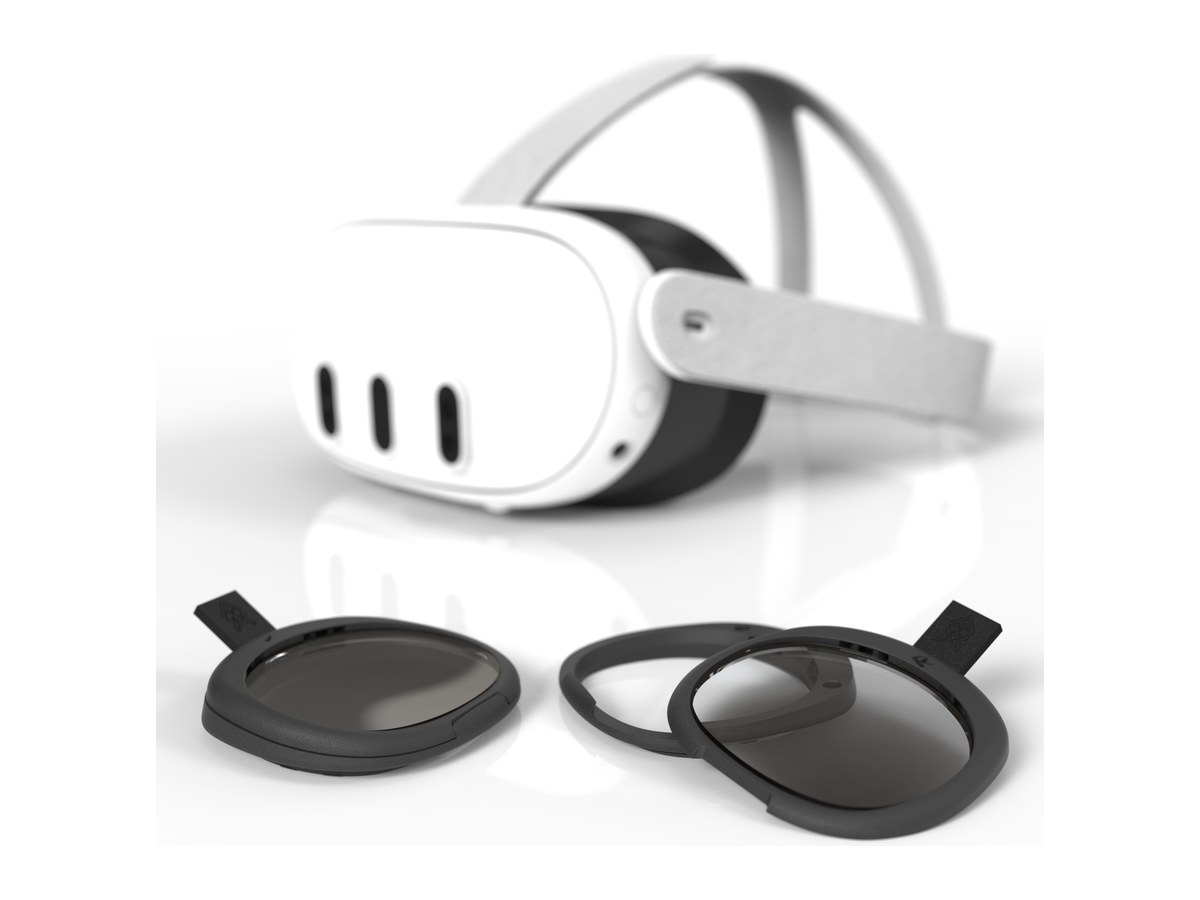
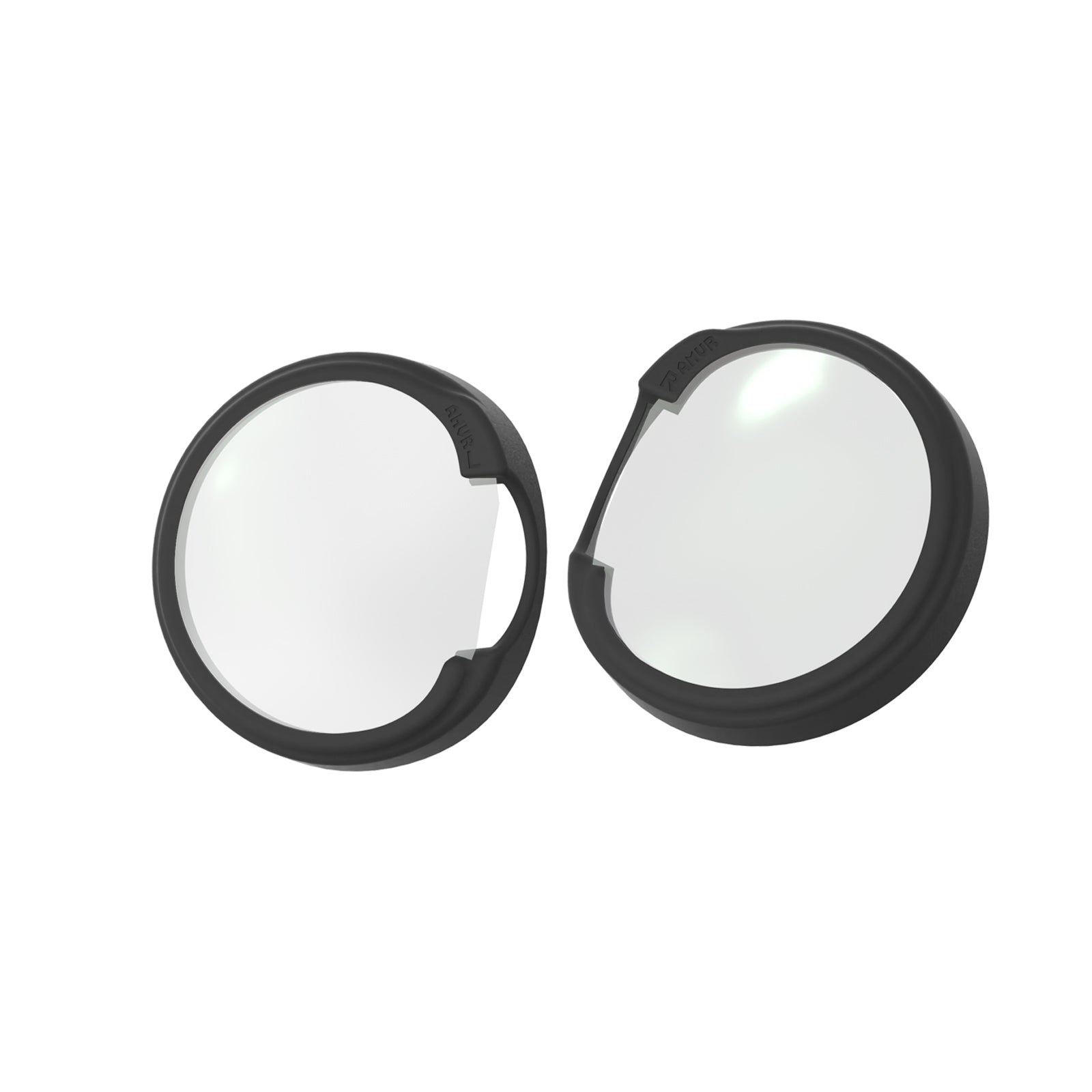
Snap-in magnetic lenses so glasses wearers can ditch the specs inside the headset and stop scratching the built-in optics. Reloptix makes kits for Quest 3, Quest 3S, PSVR2, and most PC VR headsets in prescription, blue-light, and zero-power options. Non-prescription kits start around $49, prescription kits run about $70. Reloptix is also taking preorders for Steam Frame inserts at $79.99, with no ship date yet.
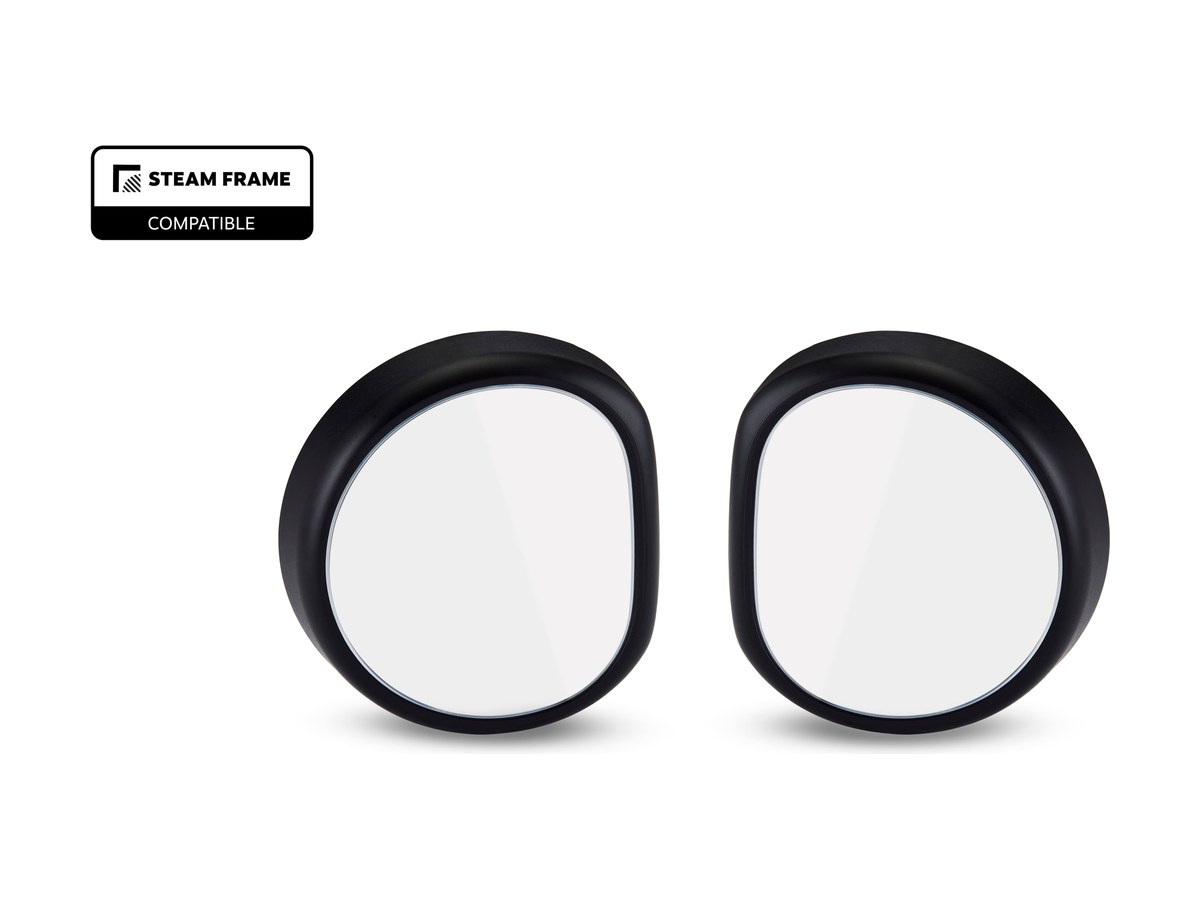
NewMagnetic lens inserts built for the Steam Frame, in prescription or non-prescription versions, both $69.99 and in stock at AMVR. One of the first insert kits you can actually order for the Frame rather than preorder.
The layer most people add after their second headset. Haptic vests turn hits and engine rumble into something you feel, and inside-out trackers add legs and hips without base stations. Prices verified against manufacturer stores.
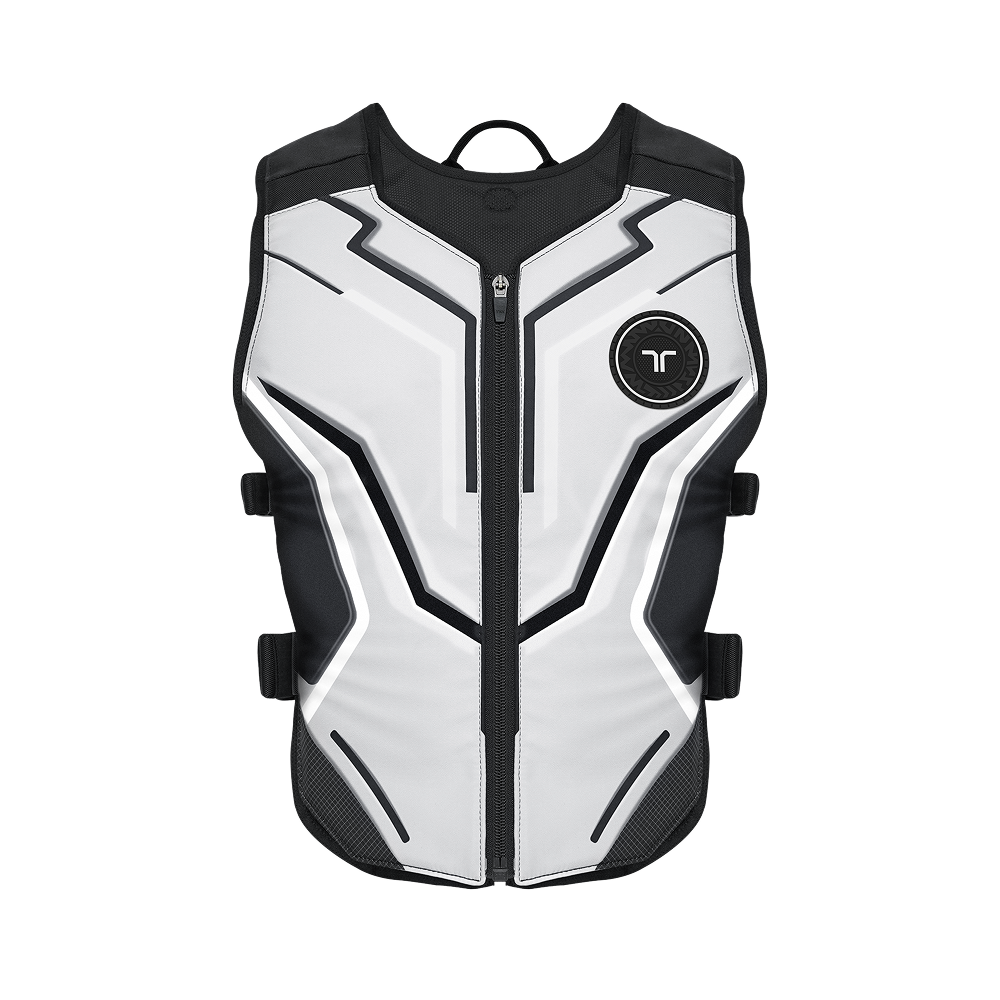
Premium PickbHaptics' flagship vest and the replacement for the old X40 naming. 32 feedback motors, Bluetooth or wired, and official support across Quest, PS VR2 and SteamVR with hundreds of games mapped. The one to get if you want impacts you can actually locate on your body.
Best ValueThe lighter half of the 2026 lineup at 2.5 lb and 16 motors, built to move in rather than sit heavy on your shoulders. Cheaper entry into haptics than the Pro and the better pick for fitness or anything where you are swinging your arms for an hour.
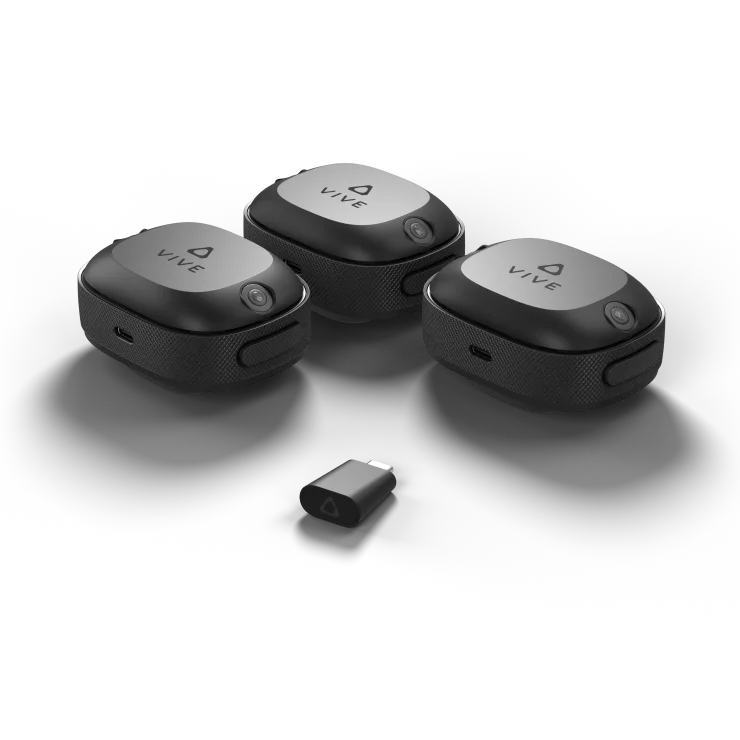
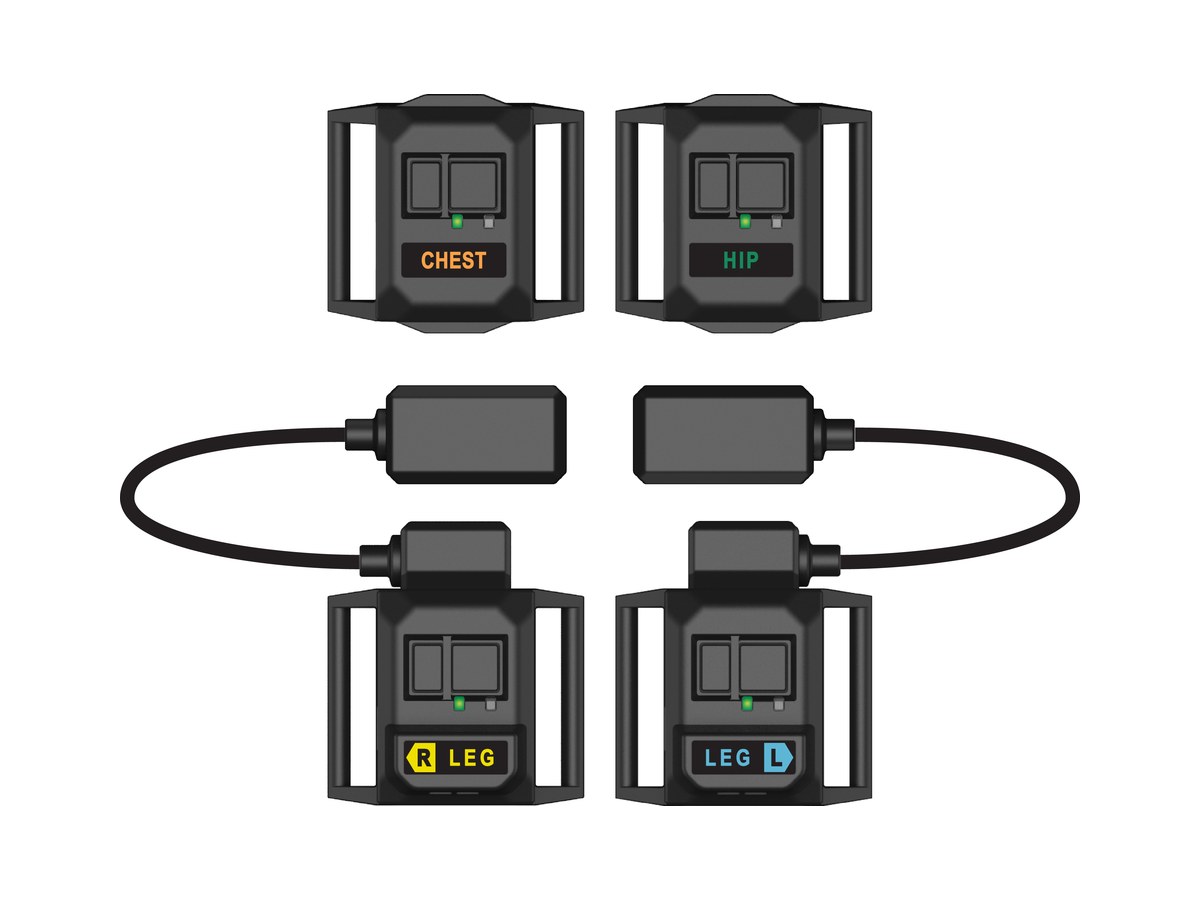
Three self-tracking pucks plus the wireless dongle, which with a headset and two controllers gets you six-point full-body tracking and no base stations on the wall. HTC's sale has ended and the kit is back to $689 direct, so Amazon at about $600 is the better price. Works with Quest and SteamVR headsets, not just VIVE. Roughly 7 hours per charge.
VR-ready GPUs, Steam hardware, and big-ticket VR gaming rigs for PC VR. GPU prices reflect current retail street averages and sit well above MSRP: the AI buildout is absorbing memory supply, NVIDIA cards are running far over list, and AMD raised its own pricing by at least 10% in August 2026. Verified against price trackers on September 23, 2026. If you can wait, waiting is still the better trade.
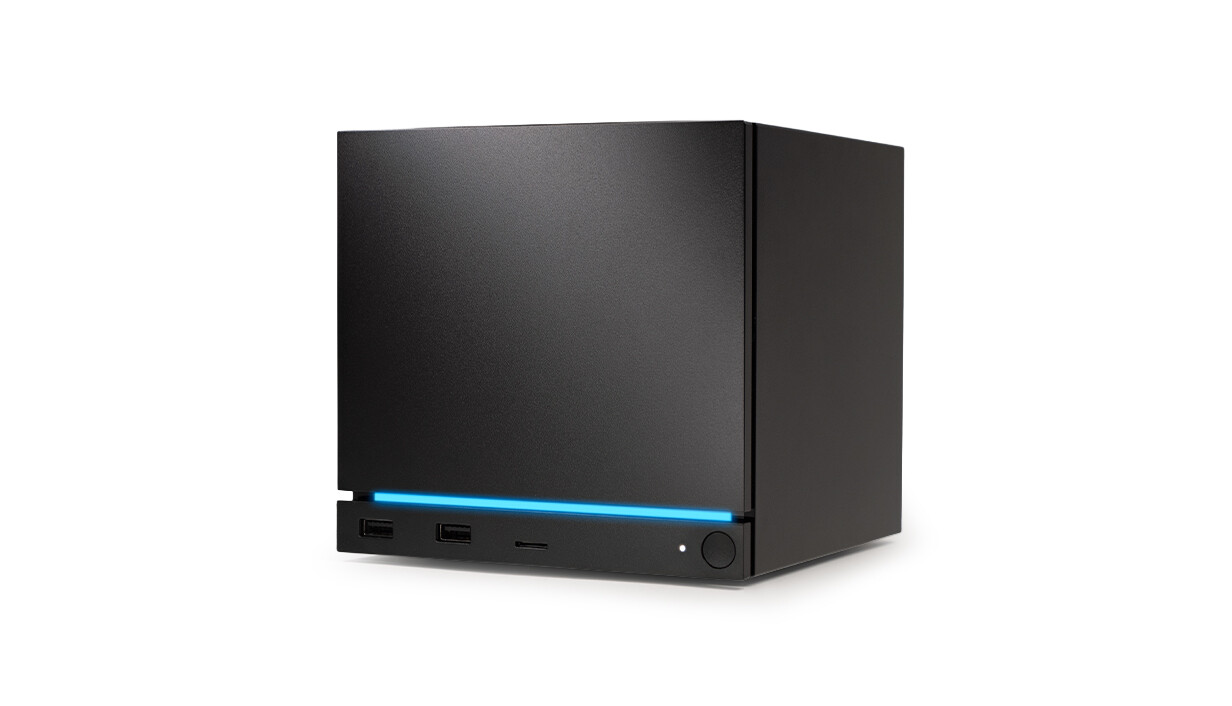
WaitlistValve's living-room gaming cube, shipped June 30. $1,049 for 512GB and $1,349 for 2TB, or $1,128 and $1,428 with a Steam Controller, after memory costs pushed pricing above the rumored $799. Sold through a waitlist on Steam. Runs the full Steam library on SteamOS and pairs natively with the Steam Controller and the Steam Frame headset.
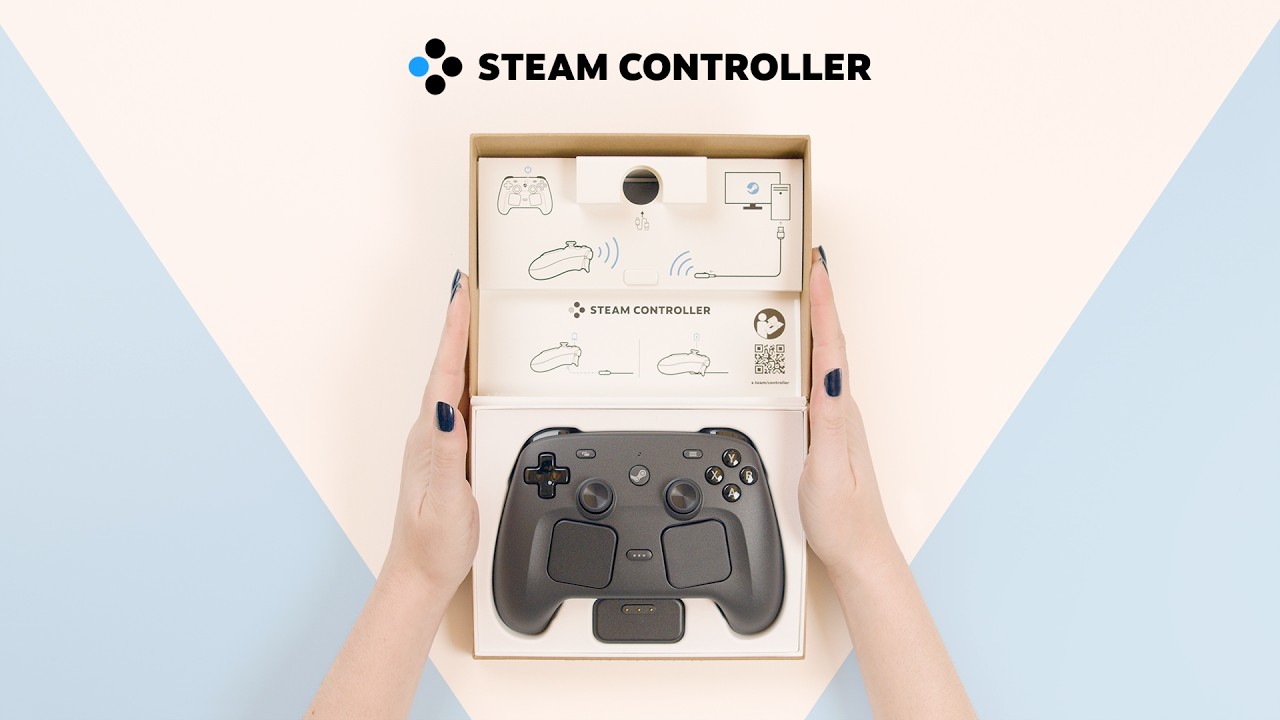
NewValve's new flagship controller. TMR magnetic thumbsticks that eliminate stick drift, dual haptic trackpads, 6-axis gyro, Grip Sense, 35+ hour battery. Pairs natively with the Steam Frame headset. Steam store exclusive, currently sold by reservation, no retail.
The absolute top of the stack. 32GB of GDDR7, DLSS 4, and the only card that drives the Bigscreen Beyond 2 at full resolution without compromise. Street prices are swinging hard during the memory crunch: about $7,056 for the cheapest new card on Amazon on September 30, against a tracked range of $4,199 to $7,449 since June and a $1,999 MSRP. Check the price on the day you buy; used cards run about 25 percent less if you are willing to take that risk.
The sensible high-end pick for PC VR. 16GB of GDDR7 handles high-resolution headsets at native res in most titles. It sold around $919 in July and has sat near $1,200 through September against a $749 MSRP, so it carries the same memory-crunch premium as everything else this year.
AMD's best value for PC VR, with 16GB of VRAM and strong raster performance. AMD raised GPU pricing by at least 10% in August 2026, and street prices went from about $740 through the summer to about $800 in September against a $599 MSRP. Even so, it now costs less than the 12GB RTX 5070.

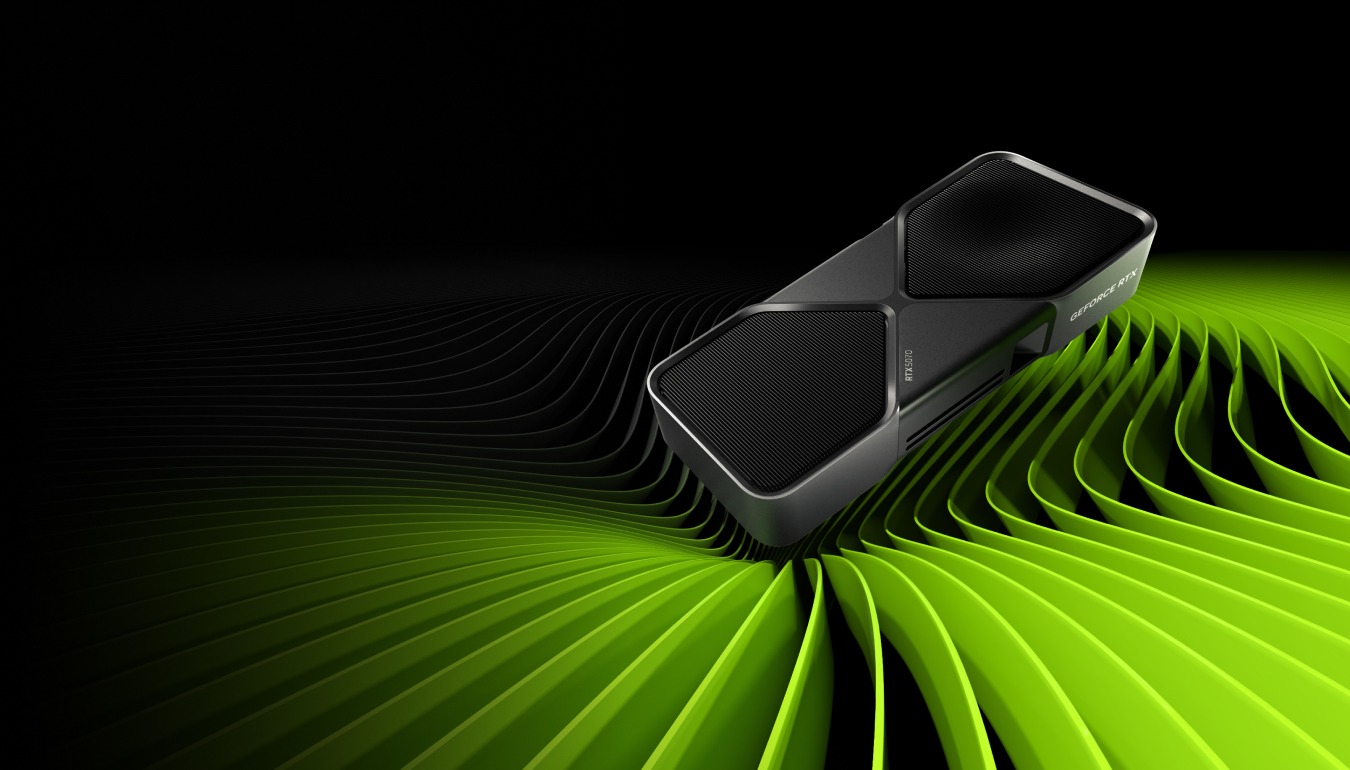
The entry point for PC VR on current-generation silicon. 12GB of GDDR7 and DLSS 4 frame generation handle most headsets at native resolution if you are willing to turn a few settings down. It sold near its $549 MSRP into the summer, then climbed to roughly $890 to $980 in September before easing to about $860 at Amazon by the end of the month, which still puts it above the RX 9070 XT. At this price, buy it only if you need NVIDIA-specific features.

The omnidirectional VR treadmill, now officially Made for Meta and working with Quest 3 out of the box. Full-body locomotion for shooters and fitness, with the support harness and a dedicated game library included. The ultimate VR flex purchase.
The next VR hardware and game releases on the calendar. Full list on our VR release dates tracker.