
Best AR Glasses 2026
Last updated: October 1, 2026
Part of our Best Of 2026 guide collection.
The AR glasses market in 2026 is in a genuinely interesting place. Ray-Ban Meta has proven that millions of people will wear a camera and a microphone on their face if you hide the tech inside a pair of Wayfarers, and at Connect on September 23 Meta split its line into three tiers: the camera-free Ray-Ban Meta Audio at $349, the Ray-Ban Meta (Gen 3) at $449, and the Meta Ray-Ban Display at $799, now sold online and outside the US. Rokid's 49-gram display glasses lead the display-AI category. Xreal and Viture are selling enough units to prove there is real demand for a virtual screen you can clip to your phone. HTC's $499 Vive Eagle is the first real Ray-Ban Meta rival, and Snap and Google are both promising glasses before the year is out. This guide breaks down which AR smart glasses are actually worth your money right now, plus what is coming next.
Which AR glasses should you buy?
If you want mainstream, socially-acceptable smart glasses right now, get the Ray-Ban Meta (Gen 3). For smart glasses with a visible display that still look like normal glasses, the Meta Ray-Ban Display and the Rokid Glasses lead the category. If you want the largest virtual screen possible for movies, gaming, or coding on the go, the Xreal One Pro or the $299 VITURE Pro 2 are the picks. For the most capable mixed reality experience money can buy, the Apple Vision Pro is still in a class of its own.
Ray-Ban Meta (Gen 3): Best mainstream smart glasses

Made by Meta and EssilorLuxottica | Price: $449 | Display: None
Ray-Ban Meta is the only smart glasses product anyone has ever successfully sold at scale, and the third generation went on sale on September 23 at $449. It keeps the 12MP camera and 3K video, adds a six-microphone array that Meta says cuts more than 90 percent of background noise and a customizable action button for Meta AI, and rates the battery at up to nine hours, an hour more than the Gen 2. It comes in Wayfarer, Aviator and the new cat-eye Zena. There is still no visible display, which is the trade-off that keeps the form factor normal. The Gen 2 is still on sale at $379 if you want the same idea for less.
Meta Ray-Ban Display: A private screen in a fashion frame

Made by Meta and EssilorLuxottica | Price: $799 with the Neural Band | Display: In-lens, one eye
The Meta Ray-Ban Display puts a small private display in one lens and pairs it with the Neural Band, a wristband that reads finger gestures for input. Connect made it easier to buy: Meta added online ordering and expanded it to the UK, Canada, France, Italy and Germany, and UploadVR reports it went on sale in Canada and the UK that day, with the three European countries following on October 13. Meta also added hands-free navigation, and a voice-animated Hologram for video calls arrives in Early Access this fall. It is the display pick if you want Meta's ecosystem.
Ray-Ban Meta Audio: Best smart glasses without a camera

Made by Meta and EssilorLuxottica | Price: $349 (ships October 13) | Display: None, no camera
Meta's first glasses with no camera at all. Ray-Ban Meta Audio weighs 43 grams, plays music and calls through open-ear speakers, and talks to Meta AI for up to 12 hours on a charge, with another 48 hours in the case. It comes in Clubmaster and Burbank frames that take prescriptions, and preorders ship October 13. If the camera is the part of smart glasses that bothers you, or the people around you, this is the pair to buy. How the three Meta tiers split.
Rokid Glasses: Best display smart glasses

Made by Rokid | Price: $679 at Rokid (list $699) | Display: Binocular green micro-LED waveguide
At 49 grams, with a green micro-LED display projected into both lenses, the Rokid Glasses lead the display-AI smart glasses category by shipments. A March 2026 software update made them the first smart glasses to natively run Google Gemini, ahead of Google's own branded glasses. If you want a real-time info overlay (notifications, translations, navigation cues) without committing to a full headset, Rokid is the current champion. Rokid also offers a screenless model, the AI Glasses Style ($299), that drops the display for a lighter 38.5-gram frame aimed squarely at Ray-Ban Meta.
Xreal One Pro: Best AR glasses for media & gaming
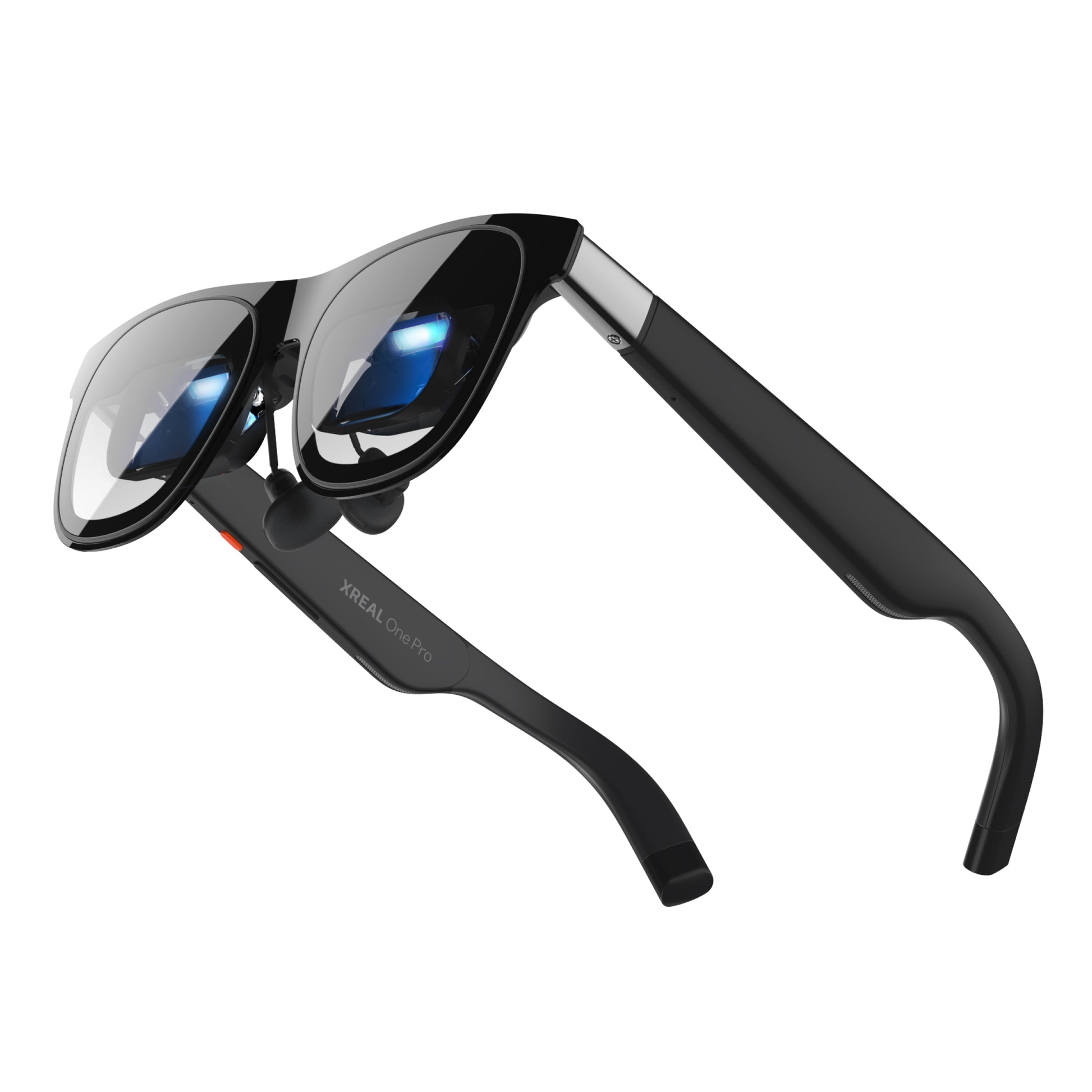
Made by Xreal | Price: ~$599 | Display: 1080p micro-OLED, 57 degree FOV
Xreal makes the best tethered display glasses on the market. The One Pro pairs with your phone, Steam Deck, or console via USB-C and throws a massive virtual screen in front of you. The custom X1 chip handles stabilization and 3DoF tracking locally, so the image stays anchored in space even when you turn your head. Used heavily by frequent flyers and WFH developers who want a second monitor on the road.
VITURE Pro 2: Best for prescription and portability
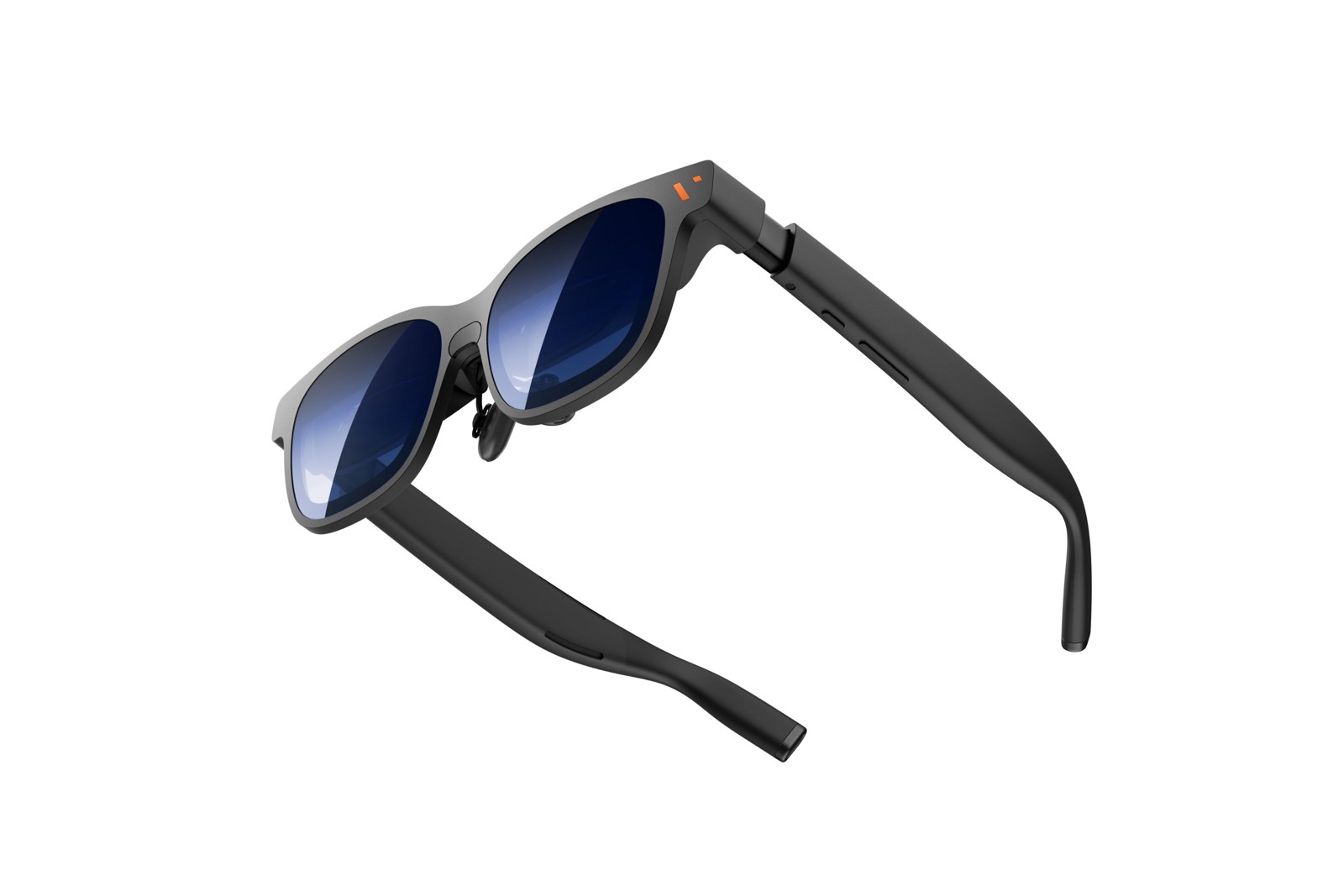
Made by Viture | Price: $299 | Display: Sony micro-OLED, 50 degree FOV
Viture's current Pro model is the Pro 2, launched in August at $299. Its headline feature is still built-in myopia adjustment, now down to -5.00D, so many prescription wearers can dial in a sharp image without paying for custom inserts. The Pro 2 weighs 63 grams and puts a 50 degree field of view on Sony micro-OLED panels rated at 1,600 nits. It is a slimmer, cheaper alternative to Xreal if glasses ergonomics matter to you. Viture's wider lineup runs from the Luma line ($399 to $599) to the Beast ($549), which adds a brighter panel and a 174-inch virtual screen.
HTC Vive Eagle: The $499 Ray-Ban Meta alternative
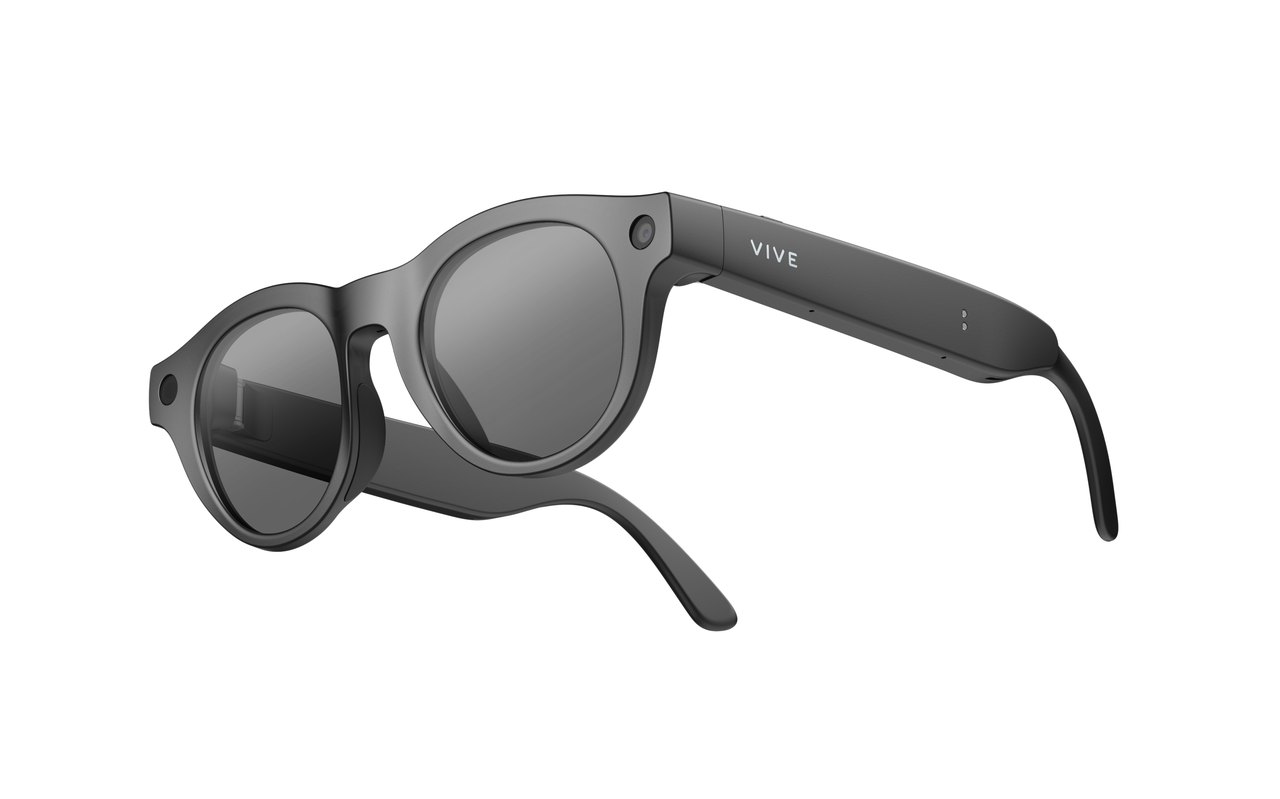
Made by HTC | Price: $499 | Display: none, camera and audio glasses
HTC put the Vive Eagle on sale in the US on September 3 at $499. It is a pair of camera and audio glasses in the Ray-Ban Meta mould: a 12MP ultra-wide camera, four microphones feeding two open-ear speakers, and a $49 magnetic Power Boost battery that clips to the frame instead of plugging in. The Square frame weighs 49 grams with lenses. Two years of the VIVE AI Plus tier come in the box, while the 90-language live translation HTC leads its marketing with is the paid VIVE AI Pro tier, metered by the minute. Only three of ten configurations were in stock at launch; by September 30 HTC's store listed all ten as orderable, with the photochromic Transitions lenses at $599. Our launch-day breakdown covers the two AI tiers in detail. If Ray-Ban Meta is the product you want but not the company, this is the first credible alternative at the same price band.
Meta Orion: The developer preview of true AR

Made by Meta | Price: Not available for consumers | Display: Custom micro-LED waveguide
Orion is the glimpse of the future Meta showed off in late 2024. Full-color holographic displays, 70-degree field of view, a wireless compute puck, and a neural wristband for input. Not for sale, but important as a signal. Meta is telegraphing that its consumer AR glasses are a few hardware generations away. Any serious AR buyer should be watching Orion closely because whatever Meta ships for real will draw from it.
Snap Specs: True AR you can actually preorder
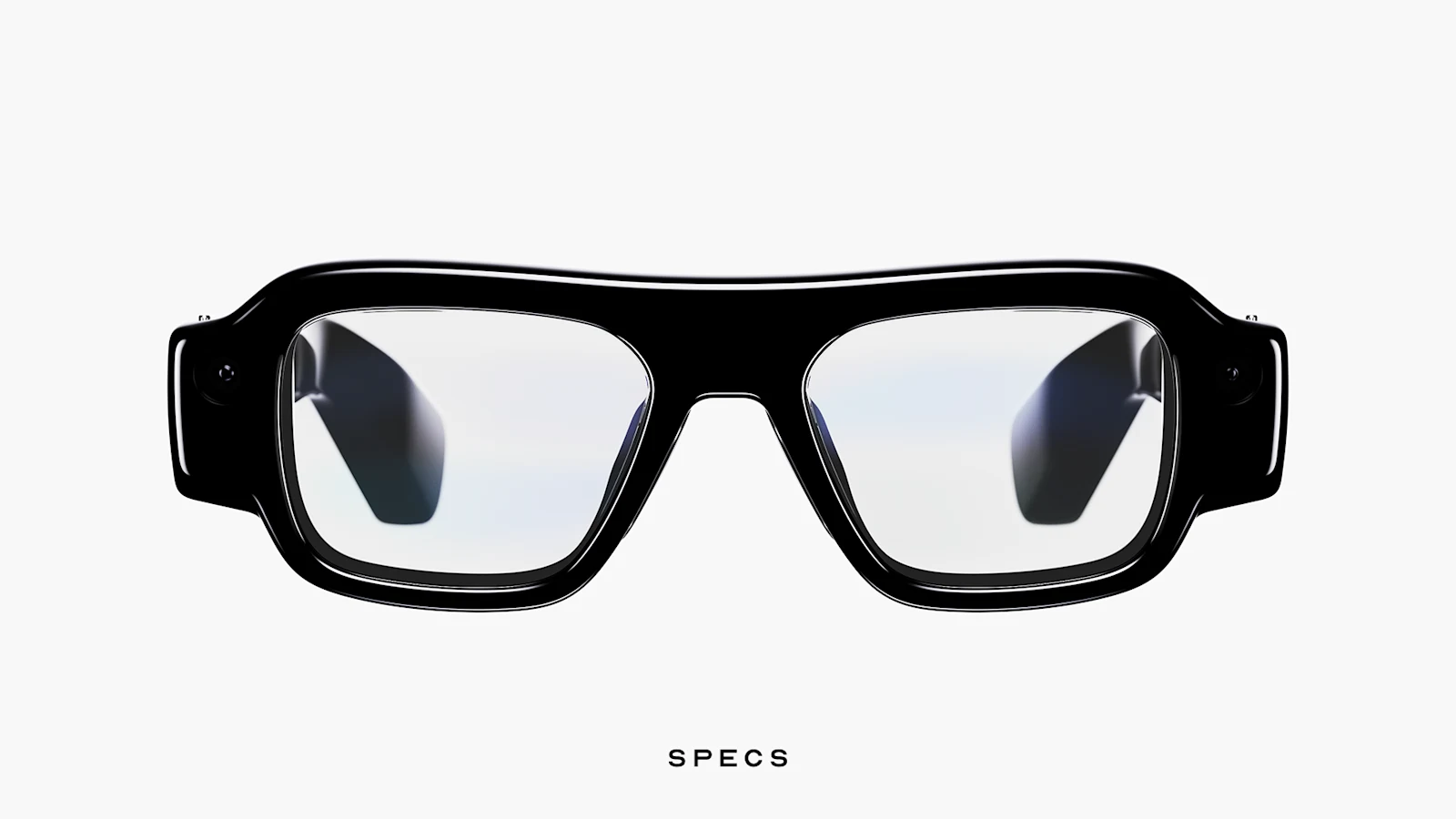
Made by Snap | Price: $2,195 ($200 refundable deposit) | Display: Proprietary LCoS, 51 degree field of view
Snap opened Specs preorders at AWE in June 2026, and it is the most serious attempt at consumer true AR that anyone has attached a real price to. Everything runs on the glasses themselves. No compute puck, no phone tether, no cable down your back. Two Snapdragon processors split the load, one driving computer vision and one running Snap's Lenses, while the proprietary liquid-crystal-on-silicon display puts 16 million colors across a 51 degree field of view at 7ms motion-to-photon latency. At 132 grams for the 47mm frame they are a lot heavier than Rokid's 49-gram display glasses, which is the tradeoff for carrying the whole computer on your face.
The catch is price and endurance. At $2,195 this is developer and early-adopter territory, not a mainstream purchase, and four hours of mixed use means the charging case is not really optional. Snap's September 16 event came and went without a ship date, so shipping is still expected later this fall in the US, UK, and France, and Snap added a $2,395 Verizon cellular bundle. If you want the most practical glasses to buy today, this is not it. If you want to see where the category is genuinely heading, Specs is the most important thing launching this year.
Google Android XR Glasses: The Android of smart glasses
Made by Google with Samsung, Xreal, and partners | Price: From $1,279 (XREAL AURA); Samsung TBA | Display: Varies by OEM
Android XR is Google's answer to visionOS and Horizon OS, built specifically for AR and MR devices. Samsung's Galaxy XR headset is already in market, and the first Android XR glasses, audio and camera pairs from Warby Parker and Gentle Monster, now have a month: a Samsung official told The Korea Herald they launch in November, and eleven frame models cleared the FCC on September 27. There is still no price, exact date or preorder. Developers have an emulator but no store yet. Expect tight Gemini integration, access to Google Maps, Translate, and Workspace, and the usual Android ecosystem openness. The platform that is most likely to commoditize smart glasses over the next five years.
Apple Vision Pro: Not glasses, still the benchmark

Made by Apple | Price: $3,699 | Display: Dual 4K+ micro-OLED
Vision Pro is not a pair of glasses, but any AR buyers guide has to include it. The passthrough AR experience is the best in consumer hardware by a wide margin, the micro-OLED displays are the sharpest available, and visionOS is purpose-built for spatial computing workflows. The price keeps it in early-adopter territory. A lighter, cheaper Vision successor is now reported for no earlier than 2028, with Apple shifting focus toward its own smart glasses.
What is coming in AR glasses
The next two years are going to reset the smart glasses market. Google I/O on May 19 to 20, 2026 delivered the biggest public moment for Android XR yet. Samsung and Google gave the first official look at their joint Android XR smart glasses, shown in two styles made with Gentle Monster and Warby Parker, with an audio-and-camera first generation (no display) now reported for November and a display version reported for 2027. XREAL's AURA, the first Android XR display glasses, is the clearest demand signal the category has produced: it passed 10,000 reservations by August 20, its 2,000 $299 Founder Priority Passes sold out in 36 hours, and the $99 Launch Credit tier is gone too. On October 7 XREAL put prices on it: $1,279 with 12GB of memory and 256GB of storage, $1,499 with 16GB and 512GB, compute puck included, in two sizes. Read the fine print before you put money down, though. Checkout is a full-payment preorder, XREAL says only that it expects to begin shipping before the holidays, and the first wave is the US, Canada, Japan and South Korea. Canada, which had dropped off XREAL's region list in August, is back, and the European countries on that list now have no date. Meta is expected to ship a consumer Orion successor in the 2027 to 2028 window, while Apple has reportedly pushed its lighter, cheaper Vision device toward 2028 and shifted resources to its own smart glasses. Snap's Specs are still waiting on a ship date after the company's September 16 event. Pico's wildcard, the Pico Space Pro, slipped: Pico cancelled its September 2 launch event and moved the headset to the fourth quarter. The market will consolidate quickly once these platforms land.
The most interesting argument in the category right now is coming from the company with the largest share and the smallest name recognition. RayNeo, spun out of TCL, says it held 23.7 percent of global consumer AR glasses shipments in the first quarter of 2026 by Counterpoint Research's count. On September 4 it put two kinds of device on sale at once rather than one compromise: the 33-gram iO, a camera-free waveguide HUD built for ambient AI at $449, and the GT and GT Max, personal-cinema glasses with 1080p 120Hz micro-OLED panels. The GT is 68 grams with a 46 degree field of view at $299; the GT Max is 78 grams with 59 degrees at $429. Both halves of the glasses argument, sold separately.
Meanwhile the affordable end keeps proving it is the part of AR that actually sells: XREAL's new A01 Plus puts a 147-inch private screen on your face for $299. In the meantime, the smart play in 2026 is to pick one of the current mature devices (Ray-Ban Meta for camera-and-audio, Meta Ray-Ban Display or Rokid for a display, Xreal or Viture for a big virtual screen) and enjoy it without trying to future-proof. The technology is moving too fast to buy for 2028.