
Samsung Android XR Glasses: Release Date, Price, Specs, and Everything We Know
Last updated: November 5, 2026
See also: our best AR glasses guide for what you can buy today, the Meta VR Glasses hub, the release dates tracker, the smart glasses bans tracker, and all AR and smart glasses news.
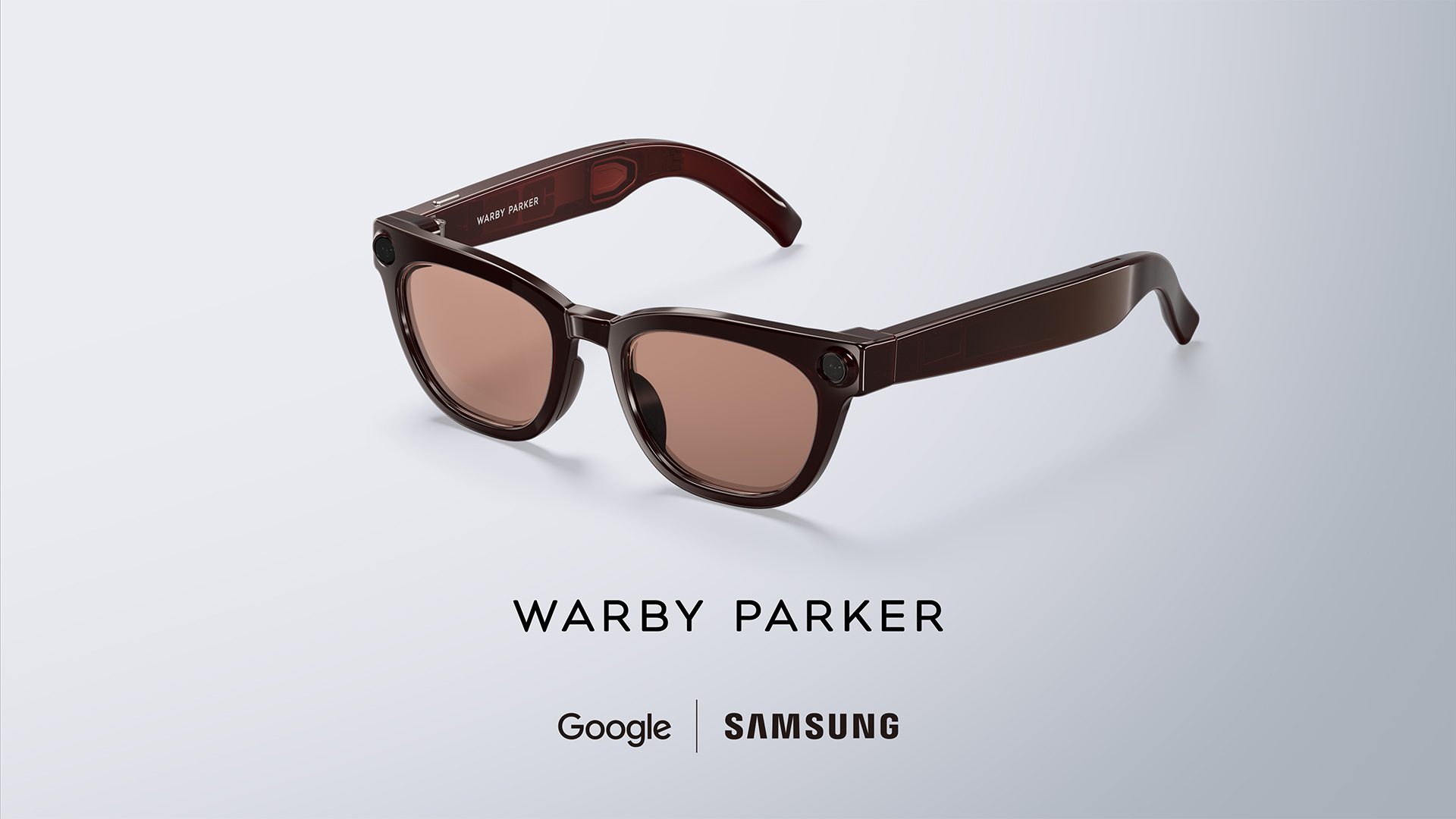
Samsung's first Android XR glasses, which Samsung and Google call Intelligent Eyewear, are display-free audio and camera glasses built with Google and sold in frames from Warby Parker and Gentle Monster. Warby Parker says preorders for its collection open on November 12, 2026, with delivery during the holiday season, and ChosunBiz reports that sales start in mid-December in South Korea and the US. No price has been announced. The glasses run Gemini on a Snapdragon AR1 Gen1 and pair with both Android phones and iPhones. This page covers the release date, price, confirmed specs, how they compare with Ray-Ban Meta, and every development we have tracked.
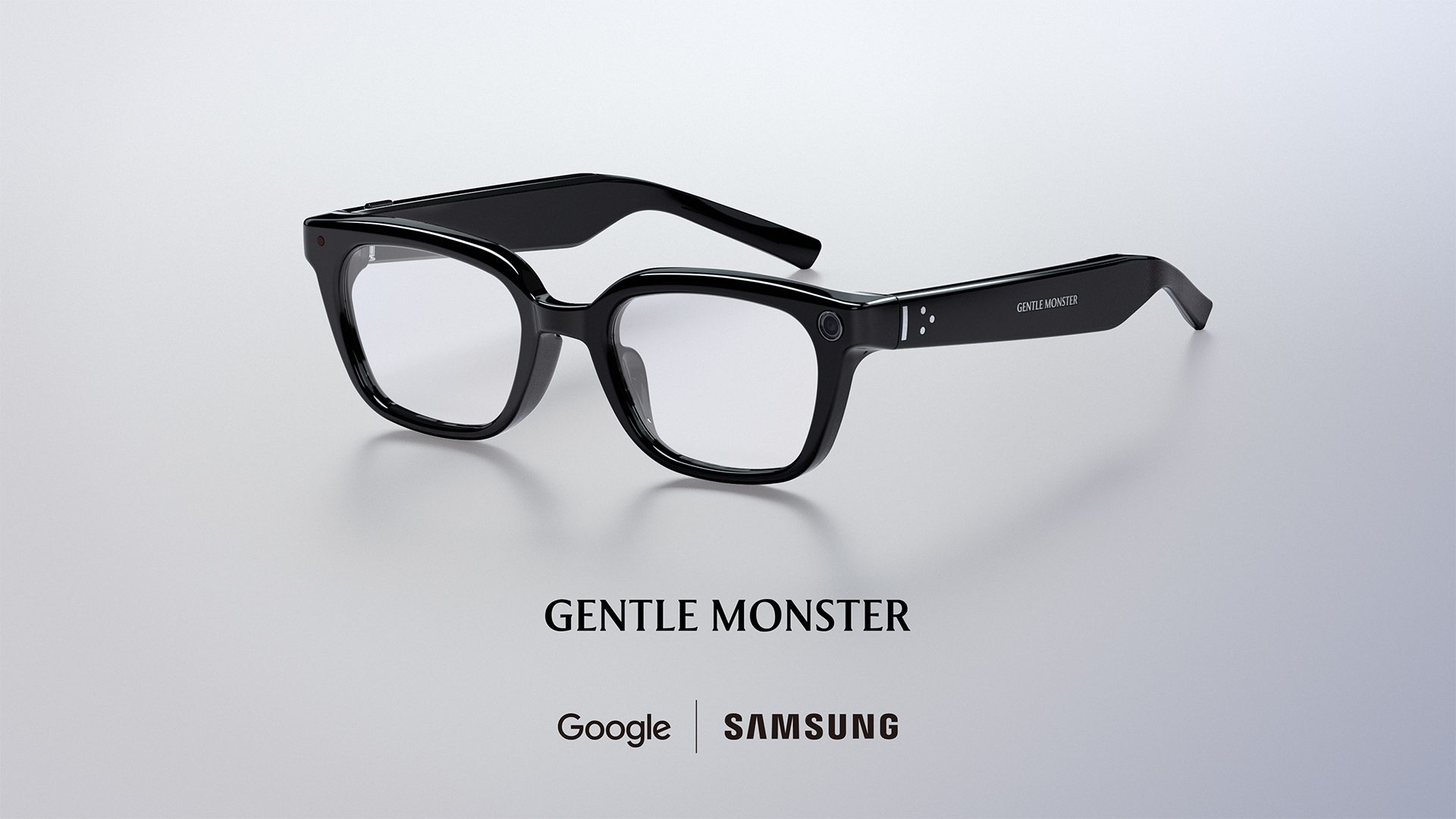
Official brand pages only. We will switch the button to the preorder page the day it opens and add the price when either brand publishes one.
Image: Samsung
Release date: preorders November 12, deliveries reported for mid-December
The first firm date came from an optician rather than from Samsung. Warby Parker's third-quarter release, filed with the SEC on November 5, quotes co-CEO Dave Gilboa: "One week from today, on November 12, we'll begin accepting pre-orders for our first Intelligent Eyewear collection and look forward to delivering customer orders during the holiday season." It covers Warby Parker's collection only, and names no price, countries or ship date. Our report on the filing has the detail.
The window narrowed in steps. Google's I/O post on May 19 said audio glasses were "launching first, coming later this fall," and Samsung said the next day they were "scheduled to launch this fall in select markets." On October 1 The Korea Herald reported that a Samsung official had confirmed a November launch, and on October 30 ChosunBiz reported that Samsung had settled on mid-December, selling first in South Korea and the US, with Europe, China and Japan not in the first wave. Samsung has not published a date of its own, and Gentle Monster has not announced preorders for its frames. We will add the confirmed date to the release dates tracker as soon as either company gives one.
Price: not announced
Nobody who will sell these glasses has named a price. Not Samsung, not Google, and not either eyewear brand. Figures that circulate online, usually somewhere between $300 and $500, trace back to leaks and aggregator sites rather than to an announcement, so treat them as guesses. November 12 is the likeliest day for a real number. For context, the glasses they will be shopped against are Ray-Ban Meta (Gen 3) at $449, the camera-free Ray-Ban Meta Audio at $349, and HTC's Vive Eagle at $499.
Confirmed specs
| Spec | Samsung Intelligent Eyewear |
|---|---|
| Made by | Samsung with Google; frames by Warby Parker and Gentle Monster |
| Platform | Android XR with Gemini |
| Chip | Qualcomm Snapdragon AR1 Gen1 |
| Display | None (audio glasses); display glasses come later |
| Camera | Built in; resolution not announced |
| Audio | Private over-ear speakers |
| Controls | "Hey Google" voice, or a tap on the side of the frame |
| Battery | Up to 9 hours, plus up to 7 full charges from the charging case |
| Wireless | Bluetooth and Wi-Fi, including the 6 GHz band (FCC) |
| Models | Eleven frame models across two FCC IDs, granted September 27, 2026 |
| Phones | Android and iPhone; some features need a compatible Galaxy device |
| Recording light | Required by Android XR policy; recording stops if it is covered |
| Weight | Not announced |
| Price | Not announced |
| Availability | Warby Parker preorders November 12; sales reported for mid-December |
From Samsung's July 22 release, Google's I/O post and Android XR guidelines, and FCC filings. Last checked November 5, 2026. Anything not listed by Samsung, Google or the FCC is marked not announced.
Samsung's Unpacked release is the source for the chip, the camera and the battery: "up to nine hours on a single charge with up to seven additional full charges from the charging case." Google's I/O post supplies the speakers, the controls and the line that matters most for buyers outside Samsung's ecosystem: "Glasses pair with both Android and iOS phones." The FCC grants for IDs A3LSMO200P and A3LSMO200J, both dated September 27, cover eleven frame models with Bluetooth and Wi-Fi including the 6 GHz band, as we reported on October 1. Weight, camera resolution and microphone count circulate from leaks only, so they stay off this table until Samsung or a retailer publishes them.
What they do
These are glasses you talk to. Google's list covers asking Gemini about what is in front of you, getting directions, sending texts, hearing summaries of missed messages, playing music, and taking photos with the built-in camera, plus real-time translation of speech and writing. Samsung's release adds Galaxy-specific touches such as live visual sharing and capturing a whiteboard or meeting into Samsung Notes, and says gesture interactions come only through a Galaxy Watch9. Our look at how Google Translate's listening area works shows where the translation feature is heading.
Google's consumer Android XR page still says only that "the first collections of audio glasses will be launching this fall," which is as precise as Google itself has been.
How they compare with Ray-Ban Meta and Vive Eagle
| Samsung Intelligent Eyewear | Ray-Ban Meta (Gen 3) | Ray-Ban Meta Audio | HTC Vive Eagle | |
|---|---|---|---|---|
| Price (US) | Not announced | $449 | $349 | $499 |
| Camera | Yes | 12MP | None | 12MP |
| Display | None | None | None | None |
| Assistant | Gemini | Meta AI | Meta AI | VIVE AI |
| Battery | Up to 9 hours | Up to 9 hours | Up to 12 hours | Not compared |
| Availability | Preorders November 12 (Warby Parker) | On sale | On sale | On sale (US) |
Maker specifications and prices as of November 5, 2026.
On paper Samsung's glasses line up most closely with Ray-Ban Meta (Gen 3): camera and speakers, no display, an AI assistant, and the same nine-hour battery claim. The differences that will decide it are the price nobody has announced, the frames, and the assistant, since Gemini on Android XR is the bet Google is making for the whole category. Our AR glasses guide ranks everything you can buy today.
For developers
Google Play now accepts apps for audio glasses through the ordinary phone release track, with a "Differentiated for Glasses" badge for apps that implement a projected activity, which we broke down on November 2. The quality guidelines also fix the recording-light rules: apps "must not change, dim, or disable the system-enforced world-facing LED," and the device's detection is "designed to programmatically stop recording if the world-facing LED is physically covered or damaged." With UK ministers now looking at restricting smart glasses, that rule is likely to be quoted well beyond developer circles.

What comes next: display glasses
Google splits its eyewear into two types: audio glasses, which launch first, and display glasses, which come later. 9to5Google reported at I/O that Google said the display versions arrive in 2027; Google's own post does not give a year. If you want an Android XR device with a screen now, the options are glasses tethered to a puck, like XREAL AURA, which opened orders on October 28 and is due to start shipping in mid-November, or Samsung's Galaxy XR headset.
Every Samsung Intelligent Eyewear development, dated
Official brand pages only. We will switch the button to the preorder page the day it opens and add the price when either brand publishes one.
Image: Samsung
Frequently asked questions
When do Samsung's Android XR glasses come out?
Warby Parker says preorders for its Intelligent Eyewear collection, the Samsung-built Android XR glasses in Warby Parker frames, open on November 12, 2026, with customer deliveries during the holiday season. ChosunBiz reported on October 30 that sales start in mid-December in South Korea and the US. Samsung itself has not published a date, and Gentle Monster has not announced preorders for its frames.
How much will Samsung's Intelligent Eyewear cost?
No price has been announced by Samsung, Google, Warby Parker or Gentle Monster. Figures circulating online come from leaks and aggregators rather than from anyone selling the glasses. For context, Ray-Ban Meta (Gen 3) costs $449, the camera-free Ray-Ban Meta Audio $349 and HTC's Vive Eagle $499.
Can you preorder Samsung's Android XR glasses?
Not yet. Warby Parker says it will begin accepting preorders for its Intelligent Eyewear collection on November 12, 2026. Until then Warby Parker and Gentle Monster both take email sign-ups on their Intelligent Eyewear pages.
Do Samsung's Android XR glasses have a display?
No. The first generation are audio glasses: Google says they offer spoken help through private over-ear speakers, with a built-in camera so Gemini can answer questions about what you see. Google says display glasses come later, and 9to5Google reported that Google said they arrive in 2027.
Do Samsung's Android XR glasses work with iPhone?
Yes. Google says the glasses pair with both Android and iOS phones, and Gentle Monster's page says the same. Samsung's footnotes say some features need a compatible Galaxy device, so Galaxy phone owners should expect the deepest integration.
What are the specs of Samsung's Intelligent Eyewear?
Samsung confirms a Snapdragon AR1 Gen1 platform, a built-in camera, and up to nine hours of battery on a charge with up to seven more full charges from the charging case. Google lists private over-ear speakers and control by voice or a tap on the frame. FCC grants dated September 27, 2026 cover eleven frame models with Bluetooth and Wi-Fi including the 6 GHz band. Weight, camera resolution and microphone count have not been officially stated.
Who makes the frames for Samsung's Android XR glasses?
Warby Parker and Gentle Monster. Samsung builds the glasses with Google, and each eyewear brand sells its own Intelligent Eyewear collection. Warby Parker says its collection opens for preorders on November 12, 2026.
Do Samsung's glasses show when they are recording?
Google's Android XR quality guidelines require a system-enforced recording light: apps must not change, dim or disable the world-facing LED, and the device's detection is designed to stop recording if that LED is covered or damaged. That is a Google platform rule; Samsung has not published its own description of the light.
How do Samsung's Android XR glasses compare with Ray-Ban Meta?
Both are display-free camera and audio glasses with an AI assistant. Ray-Ban Meta (Gen 3) is on sale now at $449 with Meta AI; Samsung's glasses run Gemini on Android XR, pair with Android and iOS, and have no announced price. Samsung rates battery life at up to nine hours, the same figure Meta gives for Gen 3.