
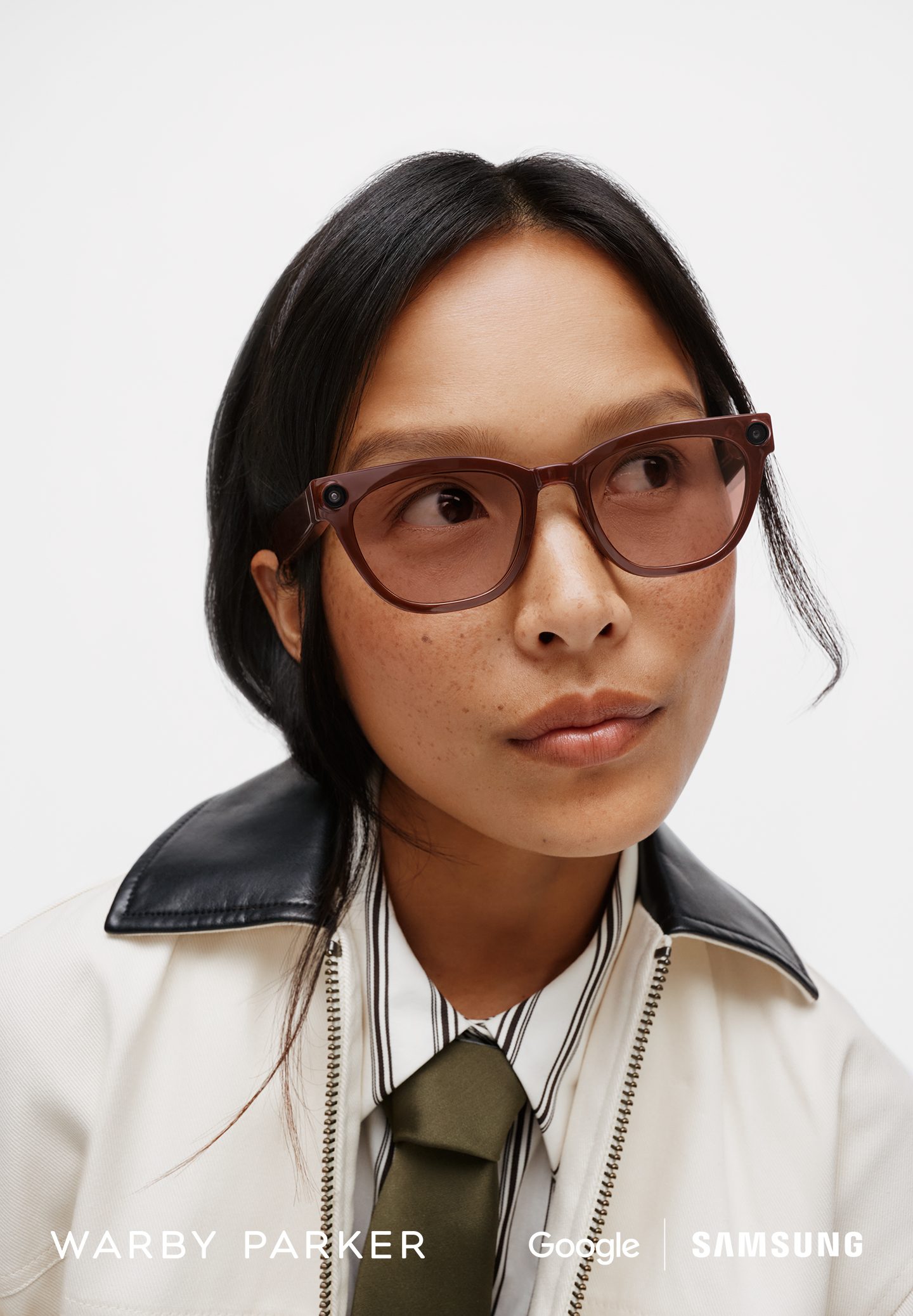
Platform launches usually get their dates from the platform holder, which is why it is slightly odd that the first firm preorder date for Samsung's Android XR audio glasses arrived on Thursday in an eyewear retailer's quarterly earnings release rather than from Google or Samsung. Warby Parker's third-quarter results were filed with the SEC as an exhibit to a Form 8-K before the market opened. They carry one sentence from co-founder and co-CEO Dave Gilboa that the companies building the software have not matched: "One week from today, on November 12, we'll begin accepting pre-orders for our first Intelligent Eyewear collection and look forward to delivering customer orders during the holiday season."
ArNovember 5, 2026
November 12: Warby Parker's Earnings Release Puts a Preorder Date on Samsung's Android XR Glasses
By Jordan Kuo
Staff Writer, VR.org
Advertisement
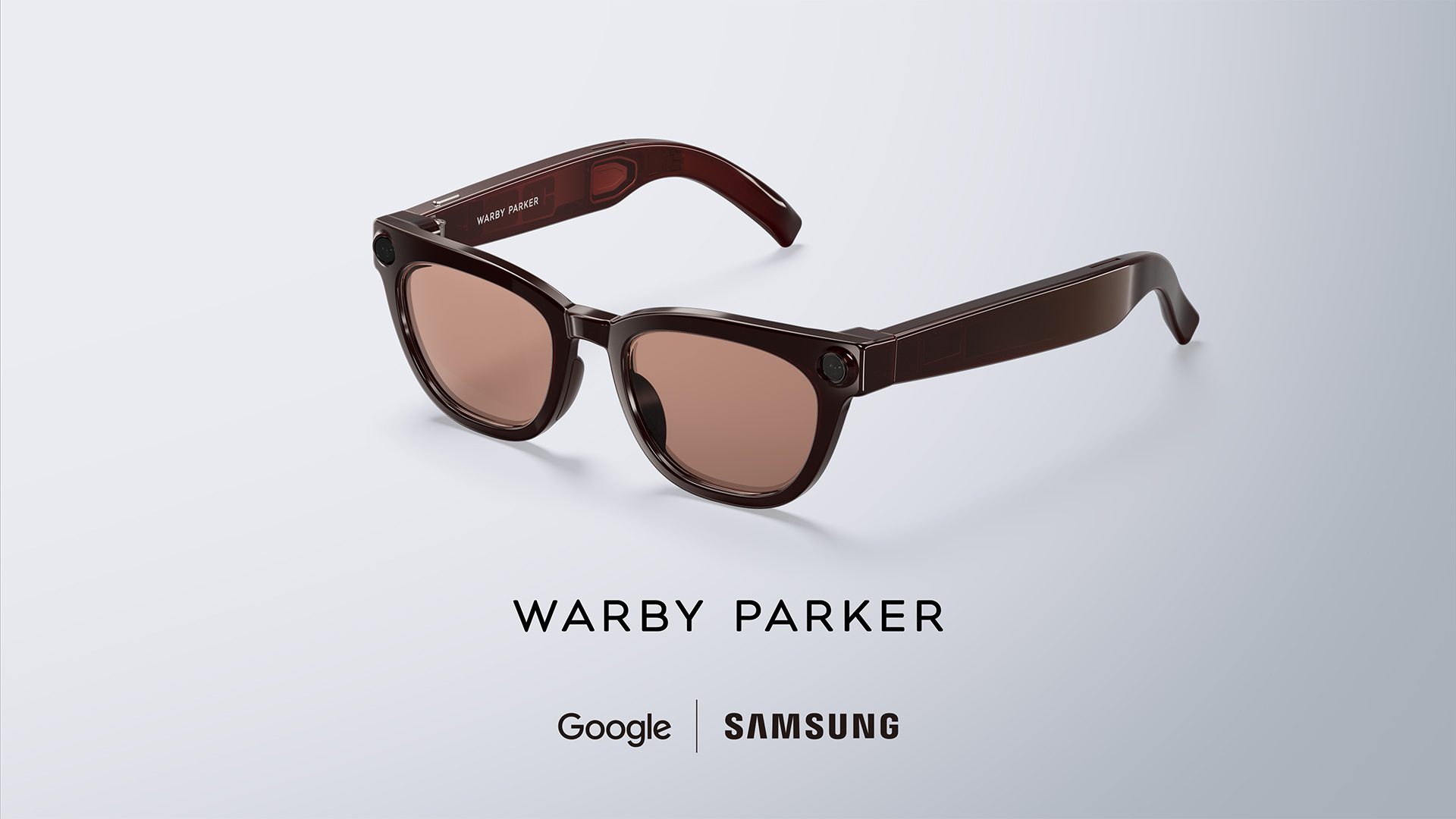
Read narrowly, the sentence covers less than some of the coverage it has already produced. It dates the preorder window for Warby Parker's own collection, not for Gentle Monster's, and the release names no price, no launch countries and no ship date beyond the holiday season. Samsung, which builds the hardware, appears in the filing only in its risk factors, among "partnerships, including with Google and Samsung." As of Thursday afternoon Samsung's global newsroom had published nothing about preorders, and the most detailed thing Samsung has put out is still the July 22 Unpacked release that introduced the eyewear without a price or a date. The one other signal in the filing is a financial one: Warby Parker says its full-year guidance "now includes a modest contribution from Intelligent Eyewear," which is a company telling its investors it expects to book revenue from the glasses before December 31.
The date fits the window that has been narrowing since spring. Google's I/O post in May said audio glasses were "launching first, coming later this fall," and Samsung's announcement the next day said the same eyewear was "scheduled to launch this fall in select markets." ChosunBiz then reported on October 30 that Samsung had settled on mid-December in South Korea and the US, a date VR.org covered alongside Google's Play changes and one that Samsung has still not confirmed. A November 12 preorder opening with deliveries "during the holiday season" sits comfortably inside that report without proving it.
What a November 12 order actually buys
Strip away everything that rests on leaks and the confirmed sheet is short enough to fit in one paragraph. Samsung's July release lists a Snapdragon AR1 Gen1 platform, a built-in camera, and battery life of "up to nine hours on a single charge with up to seven additional full charges from the charging case." Google describes the audio glasses as having "private over-ear speakers," taking input from "Hey Google" or a tap on the side of the frame, and pairing with "both Android and iOS phones," which matters because Samsung's own footnotes make some features depend on "a compatible Galaxy device." There is no display in this generation; Google's own split puts display glasses in a later wave. Weight, camera resolution, microphone count and, above all, price have never been stated by Samsung, Google or either eyewear brand, and the figures circulating for all four come from leaks and aggregators rather than from anyone who will sell the product.
The five weeks that matter to developers
For anyone building for these glasses, the useful thing about a preorder date is that it brackets the window between "the hardware is real" and "people are wearing it," and on the current reporting it runs about five weeks, from November 12 to mid-December. The distribution side is already open. Google Play now accepts augmented experiences for audio glasses through the ordinary phone release track, so an unmodified Android app that posts notifications may be read aloud on these glasses in December, tested or not. The tier that earns Google's "Differentiated for Glasses" badge still rests on libraries that were in alpha as of late October, so a team aiming to be in that badge's first shelf at launch is building on an API surface that can move between now and the first deliveries.
The policy that will draw the most attention outside developer circles is the recording light. Google's quality guidelines for augmented experiences say apps "must not change, dim, or disable the system-enforced world-facing LED and user-facing LED behavior based on microphone and camera access." They also must not try to get around "the device's thwart detection algorithms, which are designed to programmatically stop recording if the world-facing LED is physically covered or damaged." That is a platform rule written into store policy, not a hardware promise from Samsung. It lands in the same week that a UK minister told MPs the government is looking at restricting who can buy smart glasses, after Liberal Democrat MPs asked for a ban on modifications that disable the light. When Samsung launched Galaxy XR, the first Android XR headset, it announced the device itself, price attached. The glasses are reaching the market through their frame partners first. So far the companies writing the software have left it to the optician to say when.
November 12 should settle the questions the filing left open: what the glasses cost, when they ship, whether Gentle Monster opens orders the same day, and which countries are in the first wave. Until one of the companies says so in writing, the mid-December date remains a report, and the price remains nobody's number.
Advertisement