
Best Smart Glasses 2026: The AI and Camera Glasses Worth Buying
Last updated: November 5, 2026
Part of our Best Of 2026 collection. Want a screen in your glasses? See the best AR glasses. Also: the Samsung Android XR glasses hub and where smart glasses are banned.
The best smart glasses in 2026 are the Ray-Ban Meta (Gen 3) at $449: a 12MP camera with 3K video, open-ear speakers, a six-microphone array and Meta AI in frames that pass for ordinary Ray-Bans, rated for up to nine hours. Smart glasses here means glasses you talk to and take photos with, without a display in the lens. Below we rank the pairs you can buy today on price, camera, battery, weight and prescription range, with every price checked at the maker's own store on November 5, 2026.
Quick picks
- Best overall: Ray-Ban Meta (Gen 3), $449
- Best cheap pair: Meta Adventurer, from $249
- Best without a camera: Ray-Ban Meta Audio, $349
- Best for sport: Oakley Meta Vanguard, $499
- Best sporty everyday frame: Oakley Meta HSTN, $399
- Best alternative to Meta: HTC Vive Eagle, $499
- Lightest, widest prescription range: Rokid AI Glasses Style, $329 on sale
Smart glasses compared
| Price | Camera | Battery | Weight | Water | Prescription | |
|---|---|---|---|---|---|---|
| Ray-Ban Meta (Gen 3) | $449 | 12MP, 3K video | Up to 9 h | Not published | IPX4 | -12.00 to +6.00 |
| Meta Adventurer | From $249 | 12MP, 3K video | Over 8 h | Not published | Not published | -12.00 to +2.25 |
| Ray-Ban Meta Audio | $349 | None | Up to 12 h | 43 g | IPX4 | -12.00 to +6.00 |
| Oakley Meta Vanguard | $499 | 12MP, 3K video | Up to 9 h | 66 g | IP67 | Sources conflict |
| Oakley Meta HSTN | $399 | 12MP, 3K video | Up to 8 h | About 53 g | IPX4 | -6.00 to +6.00 |
| HTC Vive Eagle | $499 | 12MP | Up to 4.5 h music | 48.5 to 49 g | IP54 | Via Lucyd |
| Rokid AI Glasses Style | $329 (list $399) | 12MP, 3K video | Up to 12 h | 38.5 g | IPX4 | -15.00 to +15.00 |
Prices and specs from each maker's store or official pages, checked November 5, 2026. Battery is the glasses alone; weight is as the maker states it.
Ray-Ban Meta (Gen 3): Best smart glasses overall

Made by Meta and EssilorLuxottica | Price: $449 | Camera: 12MP, 3K video | Battery: up to 9 hours, up to 50 more from the case
The third-generation Ray-Ban Meta is the pair the category is measured against, and at $449 it is still the one to buy. The 12MP ultra-wide camera shoots 3K video at 30 frames per second, a six-microphone array cleans up calls, and Meta rates the battery at up to nine hours of moderate use, with up to 50 more from the charging case. It comes in 27 color and lens combinations across Wayfarer (in Standard and Large), Aviator and the cat-eye Zena, carries an IPX4 rating, and takes prescriptions from -12.00 to +6.00. There is no display; Meta AI answers in your ear.
Meta still sells the Gen 2 at $379 with the same 12MP camera, five microphones instead of six, and up to eight hours. The $70 difference buys the extra hour and the newer frames, which is worth it unless the Gen 2 is discounted.
Meta Adventurer: Best cheap smart glasses
Made by Meta | Price: $249 with a plug-in case, $299 with a charging case | Camera: 12MP, 3K video | Battery: over 8 hours
Meta Adventurer is Meta's own-brand line and its cheapest way to get the Ray-Ban Meta camera. The $249 version, on sale since October 23, comes with a plug-in case; the $299 version adds a charging case that Meta says holds an extra 40 hours. You get the same wide-angle 12MP camera and 3K video at 30 frames per second, Standard and Large sizes, and over eight hours on the glasses. The catch is the prescription range: -12.00 to +2.25, so farsighted buyers above +2.25 should look at Ray-Ban Meta instead.
Ray-Ban Meta Audio: Best smart glasses without a camera

Made by Meta and EssilorLuxottica | Price: $349 | Camera: none | Battery: up to 12 hours, up to 48 more from the case | Weight: 43 g
If the camera is the part that bothers you, or the people around you, Ray-Ban Meta Audio drops it. It weighs 43 grams and has open-ear speakers, a six-microphone array and Meta AI, and Meta rates it at up to 12 hours on a charge plus up to 48 more from the case. It comes in Clubmaster and Burbank frames, IPX4, with the same -12.00 to +6.00 prescription range as Gen 3. Without a camera there are no photos and Meta AI cannot see what you are looking at, but it also sidesteps most of the places that restrict camera glasses.
Oakley Meta Vanguard: Best smart glasses for sports
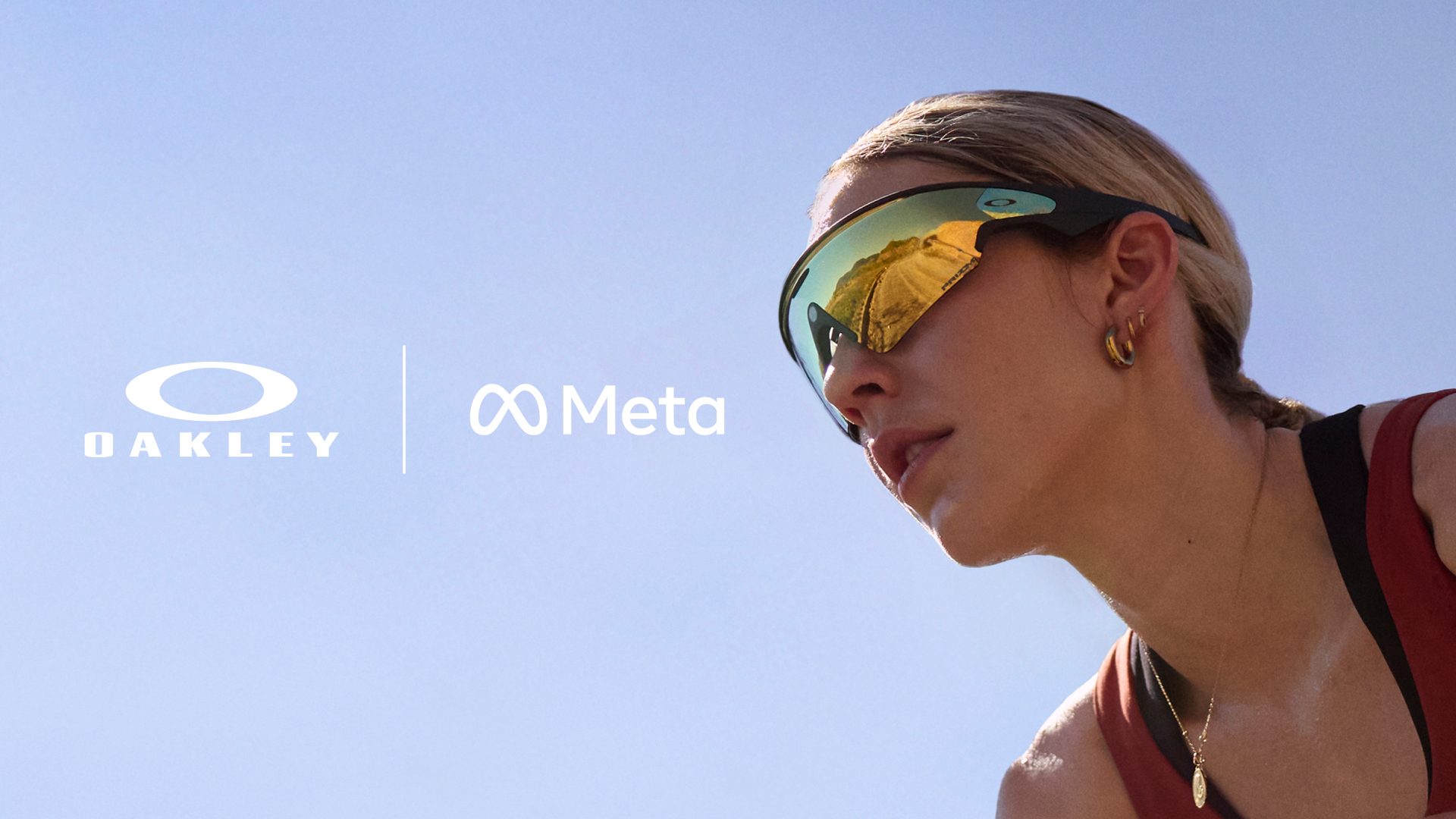
Made by Oakley and Meta | Price: $499 | Camera: 12MP, 122 degree view, 3K video | Battery: up to 9 hours, 36 more from the case | Weight: 66 g | IP67
Vanguard is the one built to be sweated on: a wraparound shield with a 12MP camera centered over the nose at a 122 degree field of view, an IP67 rating where the others stop at IPX4, and Meta AI that connects to Strava and Garmin. Meta says its speakers are six decibels louder than the HSTN's, which matters at speed. It weighs 66 grams and runs up to nine hours, with 36 more from the case. One thing to confirm before ordering: Meta's help pages say prescription lenses are available for Vanguard, while Oakley's product page says they are not.
Oakley Meta HSTN: Sporty frames for every day
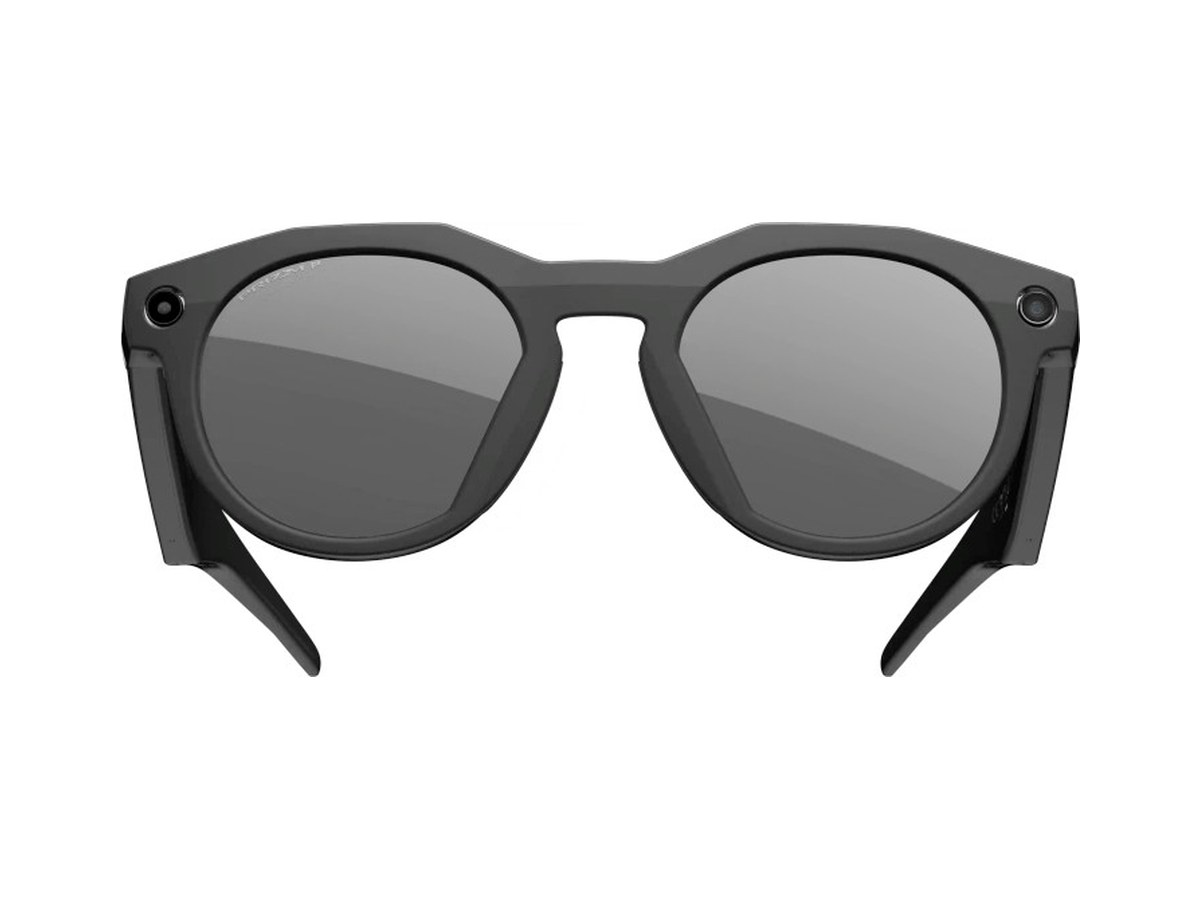
Made by Oakley and Meta | Price: $399 | Camera: 12MP, 100 degree view, 3K video | Battery: up to 8 hours, 48 more from the case | Weight: about 53 g
Oakley Meta HSTN puts the Ray-Ban Meta formula in Oakley's rounder, sportier HSTN frame for $50 less than Gen 3. The 12MP camera has a 100 degree view, the five-microphone array and open-ear speakers match the Gen 2 generation, and Oakley rates it at up to eight hours with 48 more from the case, IPX4. Prescriptions run -6.00 to +6.00, narrower than Ray-Ban Meta, and Oakley sells a Transitions version at $479.
HTC Vive Eagle: Best alternative to Meta
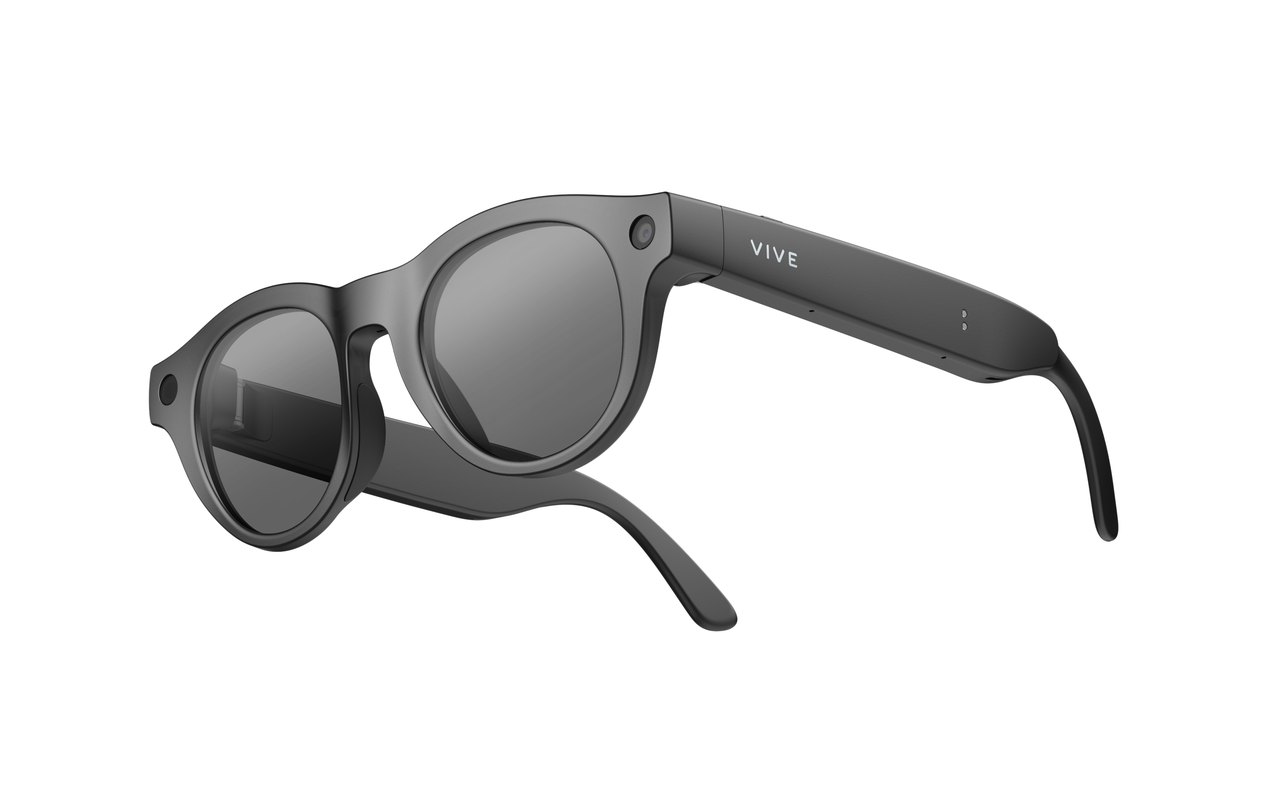
Made by HTC | Price: $499 ($599 with Transitions lenses) | Camera: 12MP | Battery: up to 4.5 hours of music | Weight: 48.5 to 49 g | IP54
Vive Eagle is the first credible camera-and-audio pair that is not made with Meta. It has a 12MP camera, four microphones, stereo open-ear speakers and an IP54 rating, in Pantos (49 g) and Square (48.5 g) frames across eleven configurations. The assistant is HTC's VIVE AI, which uses Google Gemini and OpenAI's ChatGPT; signing in gets a 24-month free trial of the Plus tier, while full access needs the paid Pro tier. The weak spot is endurance: HTC rates it at up to 4.5 hours of continuous music, and there is no charging case, only a clip-on Power Boost battery sold separately. Prescription versions come through HTC's partner Lucyd.
Rokid AI Glasses Style: Lightest pair, widest prescription range
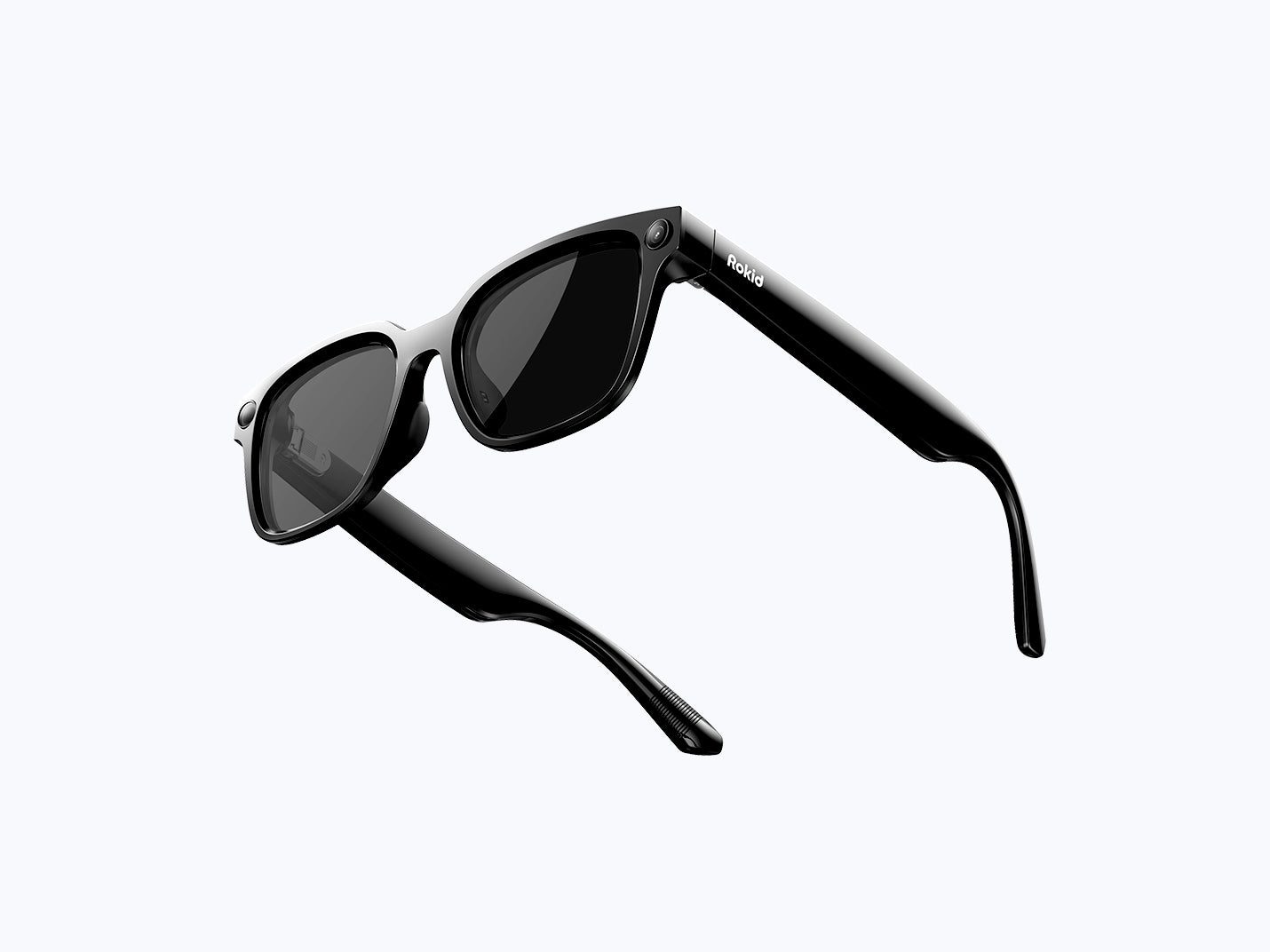
Made by Rokid | Price: $329 on sale ($399 list) | Camera: 12MP, 3K video | Battery: up to 12 hours | Weight: 38.5 g | IPX4
Rokid's AI Glasses Style is the lightest camera pair here at 38.5 grams without prescription lenses, with a 12MP Sony sensor, 3K video at 30 frames per second and a 109 degree view. Rokid rates it at up to 12 hours of typical use, supports prescriptions from -15.00 to +15.00 including progressives, the widest range on this list, and translates in up to 76 languages through its "Hi Rokid" assistant. The charging case is an optional extra; the box has a storage case only.
Coming soon: Samsung Intelligent Eyewear
Made by Samsung with Google | Price: not announced | Preorders: November 12 at Warby Parker
Samsung's first Android XR glasses are camera and audio glasses in the same mold, running Gemini, in frames from Warby Parker and Gentle Monster. Warby Parker says preorders for its collection open on November 12, with delivery during the holiday season, and they pair with both Android phones and iPhones. No price yet. Our Samsung Android XR glasses hub tracks every update, and we will rank them here once they ship.
Want a display instead?
Everything above talks to you rather than showing you anything. If you want text, maps or a video in front of your eyes, that is a different category: Meta Ray-Ban Display puts a small screen in one lens for $799, and XREAL and VITURE make glasses that float a large virtual screen in front of you. Our best AR glasses guide ranks those.
How to choose
Camera or no camera. A camera lets you shoot first-person photos and video and ask the assistant about what you are looking at. It is also why camera glasses are restricted in courts, exam halls and some venues, so if you mainly want music, calls and an assistant, a camera-free pair is simpler to wear everywhere.
Prescription range. This is the spec that most often rules a pair out. Ray-Ban Meta covers -12.00 to +6.00, Adventurer tops out at +2.25, HSTN at plus or minus 6.00, and Rokid goes to plus or minus 15.00 with progressives.
Battery and the case. Rated hours assume moderate use; heavy video recording drains any of them far faster. A charging case matters more than the headline number, which is why Vive Eagle's lack of one, and Adventurer's cheaper plug-in case, are worth weighing.
The assistant. Meta's glasses run Meta AI, Vive Eagle runs HTC's VIVE AI on Gemini and ChatGPT, and Samsung's upcoming pairs run Gemini. All of them work with both Android phones and iPhones.
Black Friday 2026
As of November 5, no maker had announced Black Friday pricing on smart glasses, and Meta's store showed Gen 3 at $449, Audio at $349 and Vanguard at $499 with no discount. Rokid's AI Glasses Style was already on sale at $329. We will update this page when real deals go live, and our VR deals page tracks prices.
Frequently asked questions
What are the best smart glasses in 2026?
Ray-Ban Meta (Gen 3) at $449 is the best smart glasses for most people: a 12MP camera with 3K video, open-ear audio, Meta AI and up to nine hours of battery in normal-looking frames. Meta Adventurer is the cheapest Meta pair at $249, Ray-Ban Meta Audio ($349) is the pick if you want no camera at all, and Oakley Meta Vanguard ($499) is built for sport.
Are Ray-Ban Meta glasses worth it?
For most buyers, yes, if you will actually use hands-free photos, calls, music and voice questions. The Gen 3 costs $449, adds a six-microphone array and an hour of battery over the Gen 2, and takes prescriptions from -12.00 to +6.00. If you only want audio and the assistant, Ray-Ban Meta Audio at $349 drops the camera; if price matters most, Meta Adventurer starts at $249.
What is the difference between smart glasses and AR glasses?
Smart glasses usually means glasses with a camera, speakers and an AI assistant but no display, like Ray-Ban Meta. AR glasses put digital images in front of your eyes, either a small in-lens display like Meta Ray-Ban Display or a large virtual screen like XREAL's glasses. VR.org's AR glasses guide covers the display models.
Can you get smart glasses with prescription lenses?
Yes. Meta lists a prescription range of -12.00 to +6.00 for Ray-Ban Meta Gen 3 and Audio, -12.00 to +2.25 for Meta Adventurer and -6.00 to +6.00 for Oakley Meta HSTN. Rokid AI Glasses Style supports -15.00 to +15.00 including progressives, and HTC sells Vive Eagle with prescription lenses through its partner Lucyd. Meta's and Oakley's pages disagree on whether Oakley Meta Vanguard takes prescriptions, so check before ordering.
Do smart glasses work with Android and iPhone?
Yes. Meta's glasses pair through the Meta AI app on both, and Ray-Ban's US support page lists Android 10 or later and iOS 14.4 or later. HTC lists iOS 17.6 or later and Android 10 for Vive Eagle, and Rokid lists iOS 16 or later and Android 12 or later. Check the current app requirements if your phone is several years old.
Which smart glasses have the best battery life?
Ray-Ban Meta Audio and Rokid AI Glasses Style are rated up to 12 hours, Ray-Ban Meta Gen 3 and Oakley Meta Vanguard up to nine, and Oakley Meta HSTN up to eight. HTC rates Vive Eagle at up to 4.5 hours of continuous music. Charging cases add more: up to 48 hours for Ray-Ban Meta Audio and Oakley Meta HSTN, and 36 for Vanguard.
Can you wear smart glasses anywhere?
Mostly, but camera glasses are restricted in a growing number of places, including courts in England and Wales and New York, many exam halls, some schools and some venues. VR.org's smart glasses bans tracker lists every restriction it has verified. Ray-Ban Meta Audio has no camera, which avoids most of these rules.
Are any smart glasses on sale for Black Friday 2026?
As of November 5, 2026, no maker had announced Black Friday pricing on smart glasses. Rokid's AI Glasses Style was already discounted to $329 from $399. VR.org's deals page tracks prices as sales go live.