
Google's first audio glasses for Android XR are being sold through two eyewear companies rather than through Google, which meant the first honest demand signal for the platform's glasses tier was always going to surface as an availability string on a fashion storefront rather than as a shipment figure from Mountain View. By Monday that string read sold out on every Intelligent Eyewear style Gentle Monster sells. The first preorder batch, which the brand's store billed as running November 12 to 15, is gone.
XrNovember 16, 2026
Did Google's Glasses Sell Out, or Did Samsung Just Not Build Many?
By Jordan Kuo
Staff Writer, VR.org
Advertisement
What the storefronts showed on Monday
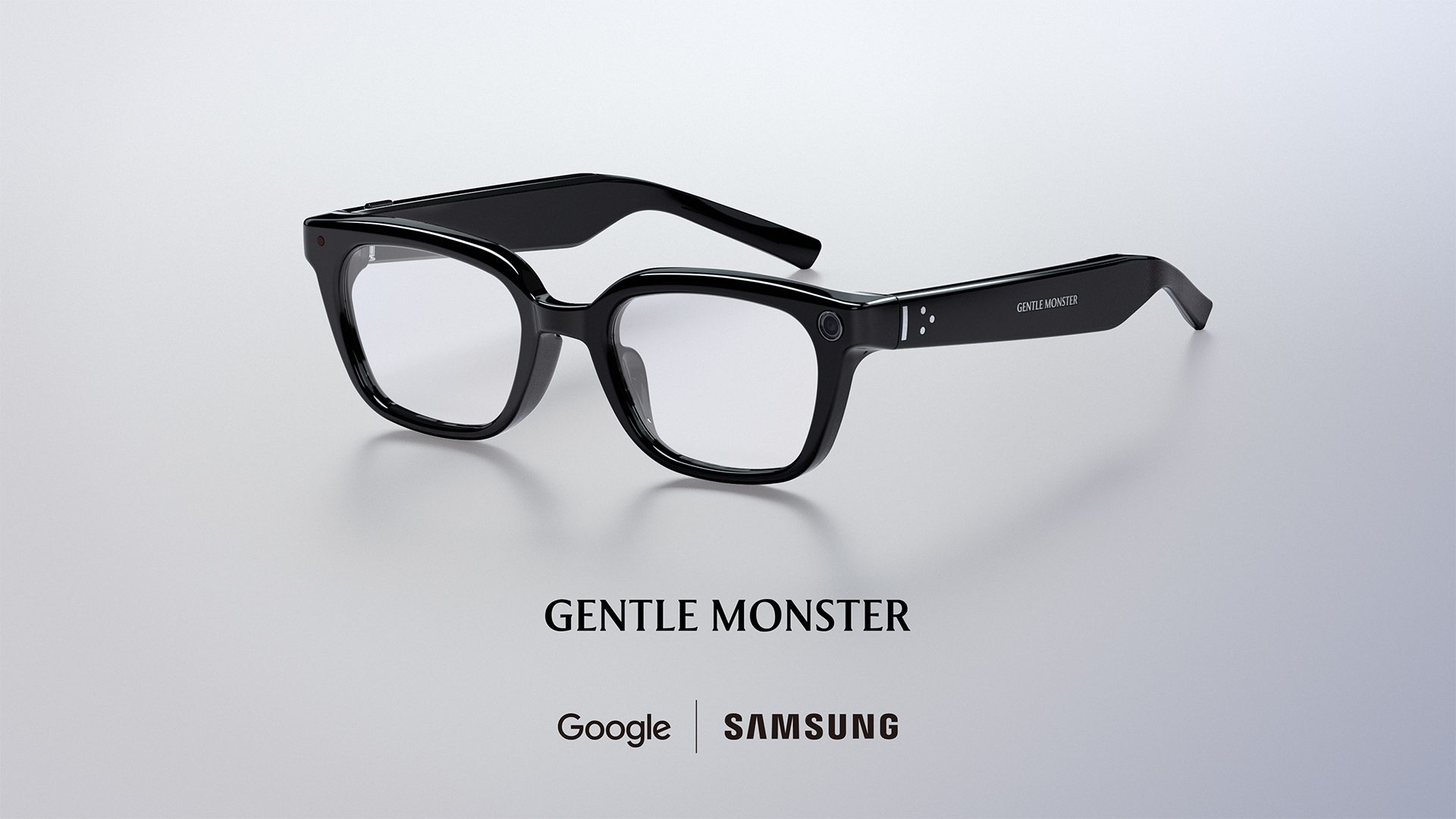
The Korea Herald reported Monday that all 16 Intelligent Eyewear models were marked sold out on Gentle Monster's Korean online store, four days after preorders opened in South Korea and the United States, and that several of them had gone within hours of Thursday's opening, a timing the brand supplied itself. Reservations for the New York preview, the event Gentle Monster was pushing when it put a month on the collection before Google would, have filled too. 9to5Google checked the US side on Monday and found the catalog closed there as well.
The 16 in that sentence is a colorway count, not a frame count. Gentle Monster sells six frames, GGS001 through GGS006, in 16 colorways. VR.org counted them last Thursday and found the six frames line up with the six SM-O200J model numbers in Samsung's FCC filing, the family Droid Life had already tied to Gentle Monster. The sellout covers the whole catalog rather than sixteen separate designs, which makes it a smaller achievement than the headline number suggests and a more complete one.
Warby Parker is selling the same hardware and still has it
Nothing about the silicon differs between the two collections. Both run a Snapdragon AR1 Gen 1 with no display, both answer through open-ear speakers with Gemini doing the talking, both carry the 12-megapixel ultra-wide that records to 3K, and both go on general sale December 10. Warby Parker still has most styles in stock for launch day, according to 9to5Google's check, and the main exception is the Reid in its wide fit, delayed as far as December 28.
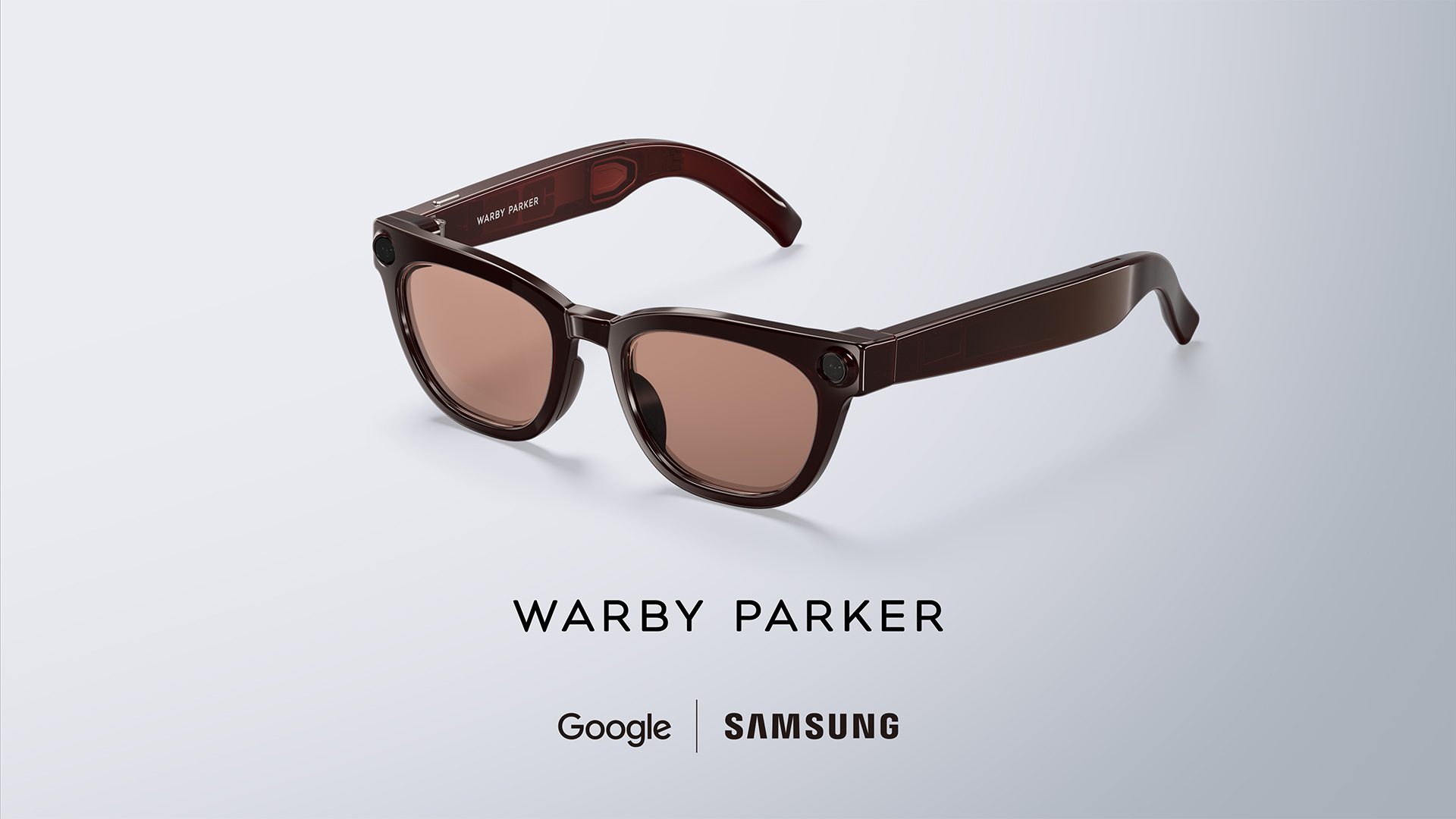
Price accounts for part of the gap and leaves the rest open. Warby Parker starts at $395 for a non-prescription pair, Gentle Monster runs $449 to $489 in the US, and the Korea Herald puts the Korean range at 650,000 to 700,000 won, with the entry model at 650,000 won, about $490. The cheaper collection is the one with stock. Working out whether that is price sensitivity or allocation requires a number neither company has published.
The denominator nobody will publish
Samsung has not said how many pairs it built for the preorder window, Gentle Monster has not said how many it was given or how many it sold, and a sellout without either figure is a ratio with the bottom half missing. Six frames across 16 colorways, split between two countries, could mean a few thousand units or a few hundred, and the Korea Herald, which led with the sellout as an encouraging early response, wrote the same caveat into its own report.
The comparison worth holding onto is the Counterpoint Research figure cited in that same report: Meta took 94 percent of global shipments of displayless AI glasses in the first half of 2026. A first batch scheduled for four days, several styles of it gone within hours, does not move a number like that, and Samsung would not need it to. What a clean sellout does buy is a December 10 general sale that opens with a backlog instead of a shelf, which is a better position to defend than the one Samsung occupied in July when it showed the glasses at Unpacked without a price.
Why an inventory story is a platform story
Android XR's displayless tier has no app model in the sense a Quest developer would recognize, since there is no screen to draw on and the surface a developer reaches is Gemini plus whatever the paired phone's app exposes, shipped through Play's ordinary phone track because there is no separate one for audio glasses. That makes the install base the only variable that matters for anyone deciding whether to target the platform at all, and the install base is currently being metered by how many frames a Seoul eyewear label chose to manufacture.
Android has been here before. The LG-built Nexus 4 sold out on Google Play within an hour of its November 2012 launch, Google would not say how many it had, and two months later LG's mobile chief in France said Google had underestimated demand, still without a number. Google's first Android XR audio glasses have reproduced that arrangement, with Samsung building, Google writing the assistant, and two eyewear brands deciding independently how many pairs exist. One of them has now run out. The other has not, and until somebody discloses a build number, that difference is the entire dataset.
Advertisement