
Samsung has locked in a July 22 Galaxy Unpacked event in London, and the invite line most XR developers care about is buried in the middle of a teaser reel that spends most of its runtime on foldables. Galaxy Glasses. This is the launch that turns Android XR from a headset story into a wearable one, and it is the first real test of whether Google's cross-form-factor SDK bet actually holds up when the target device drops from a 545 gram head-mounted computer to a 50 gram eyewear frame.
XrJuly 6, 2026
Galaxy Unpacked July 22 Is the Real Android XR Glasses Moment. Here Is What Developers Should Watch For.
By Jordan Kuo
Staff Writer, VR.org
Advertisement
What we already know is coming
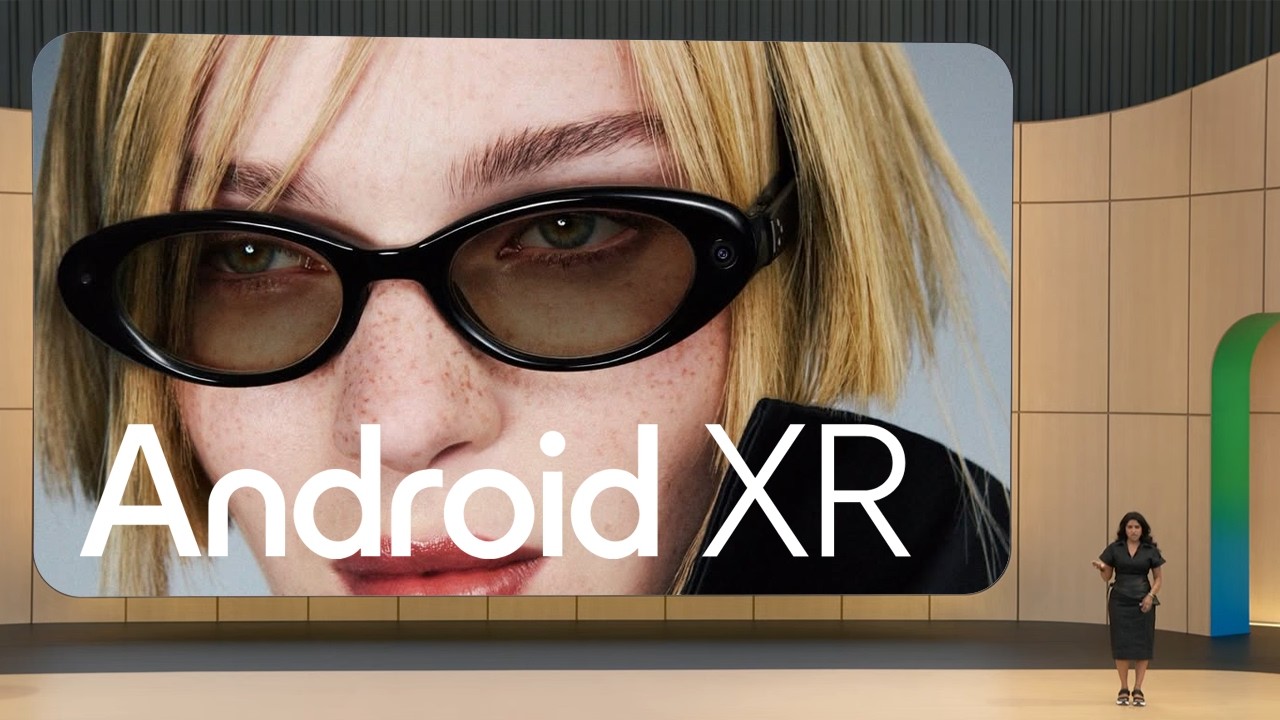
The July 22 event is going to be Samsung's biggest hardware push of the year. Foldables and watches will get the loudest applause, but the Galaxy Glasses reveal is the announcement that shifts the platform story. Samsung and Google previewed the eyewear on stage at I/O in May, walked through the design partnership with Warby Parker and Gentle Monster, and confirmed a fall shipping window. Unpacked is where the specs, the pricing, and (hopefully) the SDK guidance stop being placeholder text.
Everything the developer track needs to plan for is basically inferred right now. A Snapdragon AR1 class chip is expected. Audio-only is confirmed for the 2026 SKU, with a display-equipped follow-on rumored for 2027. The Gentle Monster frame we saw on stage skewed chunky and fashion-forward, and the Warby Parker frame skewed everyday, so there is going to be a design bifurcation from day one. Pricing rumors sit in the $379 to $499 band, which puts Samsung squarely between Meta's new $299 non-display Meta Glasses and the $799 Ray-Ban Display glasses. It is the smart-glasses category's most crowded middle in years, and Samsung is showing up with the platform play instead of the accessory play.
Why the SDK story matters more than the frame
For anyone building on Android XR, the interesting question is not the color of the frame. It is what runs on it. The Jetpack XR SDK has been iterating in the open, and Developer Preview 4 in May made a very clear bet. One codebase should target the Galaxy XR headset, wired XR display glasses, and now audio-only intelligent eyewear, with different capability tiers surfaced through the runtime rather than a separate SDK per form factor.
An audio-only frame does not need the SceneCore compositor or the ARCore anchoring pipeline the way a display headset does. What it needs is the intent framework, notification summarization, the translation pipeline, and the Gemini Live API for on-device conversational context. All of that is already on the platform. The question Unpacked has to answer is whether Google has a clean capability manifest for glasses, so a developer can flip a flag and know their app either surfaces on audio-only frames, degrades gracefully, or opts out entirely. That is not a small piece of SDK plumbing, and everyone I have talked to who is shipping on Galaxy XR wants a straight answer before they touch a glasses build.
Where Gemini fits in
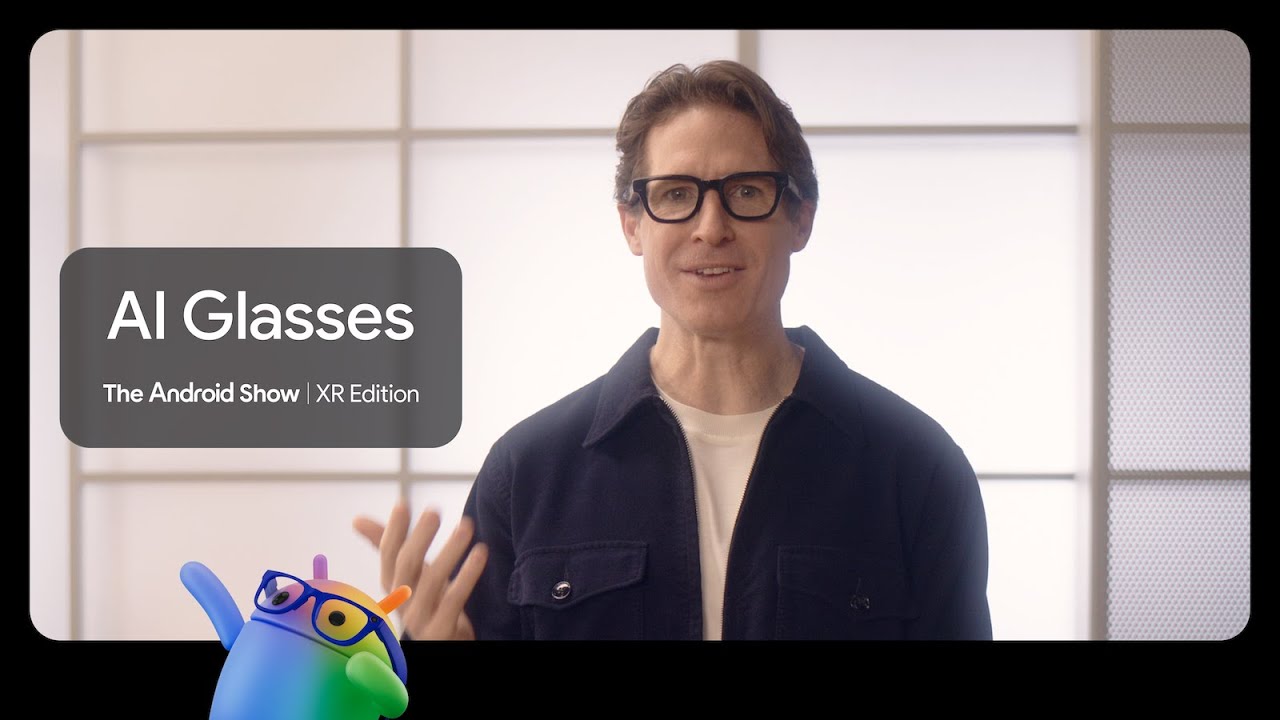
Gemini is not a feature on the Galaxy Glasses. It is the interface. The audio-only design implies the fallback for every interaction is a spoken response, an in-ear TTS reply, or a summarization sent to the phone. That is a big shift for a category that Meta has spent five years positioning as "the camera you wear." Samsung's version is closer to "the assistant you wear." The demo Google ran on stage in May, where Gemini translated a conversation in real time with tone-matched audio piped to the wearer's ear, is the killer feature. Nothing else in the category does that yet at anything like the polish level Google showed.
Advertisement
For third-party developers, this is the shift that changes how you think about surface area. On a headset, you build a scene. On audio-only glasses, you build a prompt template. Your app is really a set of tools that Gemini invokes on the wearer's behalf. The Live API and function-calling patterns already work this way, and the Android XR intent framework wraps them for wearables. That is not the same skill set as writing a Unity scene, and the developers who move first are the ones who already understand how to design conversational tools rather than draw triangles.
Positioning against the rest of the field
The competitive picture matters because it tells you which use cases will attract the first wave of apps. Meta owns fashion-forward, camera-first, social. Snap Specs are trying to own true-AR at $2,195. Xreal Aura is going the puck-plus-glasses route at under $1,500 with a 70 degree field of view. Samsung is threading between all of them with the assistant-first, ecosystem-native pitch, which is the only pitch that plays cleanly across Android and iOS both. Google confirmed at I/O that Galaxy Glasses will pair with iPhones as well as Android phones. That is a bigger deal than the industry has treated it as, because it means the addressable market for a Galaxy Glasses app is not just the Android user base. You can ship one app that reaches everyone.
Three things to watch on July 22
Three specific signals will tell developers whether the Unpacked keynote is a real platform moment or a press-kit moment.
First, does Samsung ship a companion app on both Play Store and App Store at launch, or gate iOS support behind a "coming soon"? That is a proxy for how serious the cross-platform story is. If iOS lags at launch, so will iOS-side developer investment.
Second, does the SDK track get a session at Samsung Developer Conference or an update to the Android XR blog the same week? A Galaxy Glasses sample project posted the day of Unpacked would be the strongest possible signal that Google has done the wearable-tier work in the SDK.
Third, is there a Gentle Monster design and a Warby Parker design at the same tier, or does Samsung fragment the SKU story right at launch? A single capability tier with two frame choices is a much easier story to sell to developers than two SKUs with different sensor envelopes.
If Samsung answers all three cleanly, July 22 is the day Android XR stops being an emulator target for most developers and starts being a real shipping device you can plan a roadmap around. Fall is not that far away, and the developers who take the SDK seriously between Unpacked and shipping are the ones whose apps will be on the frames the day they ship.
Advertisement