
We skipped a couple of Fridays, so consider this a two week catch up rather than a normal column. It was the right two weeks to miss, in the sense that almost everything happened. Samsung finally said the name out loud, Meta put its AI into the operating system, Instagram started banning people over what they filmed on their glasses, and four VR studios did not make it. Here is what mattered.
XrJuly 24, 2026
This Week in VR: Samsung Names Its Glasses, Instagram Bans the Creeps, and Four Studios Go Dark
By Evan Marcus
Co-Founder, VR.org
Advertisement
Samsung named its glasses and told us nothing else
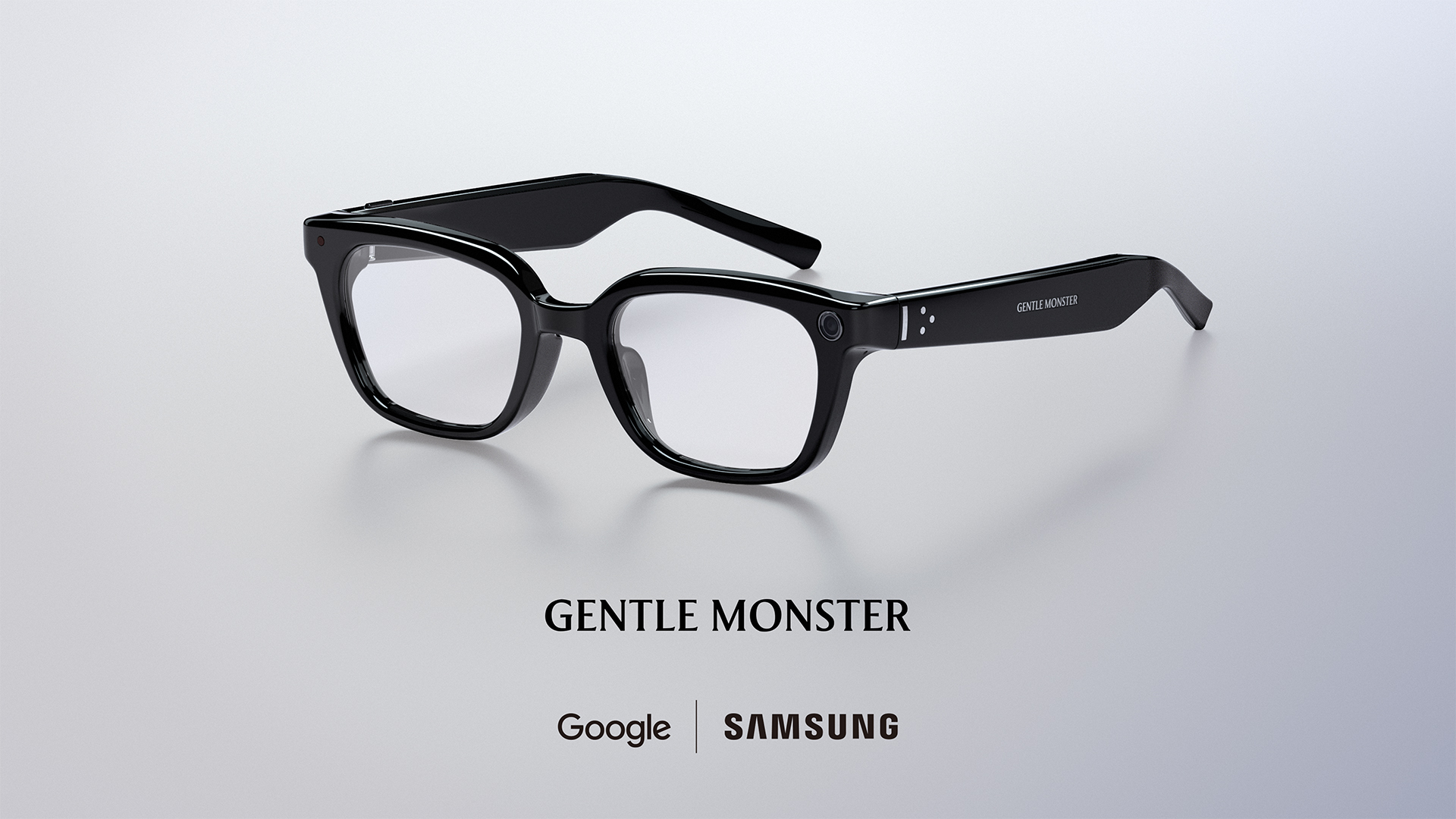
Galaxy Unpacked gave us Samsung Intelligent Eyewear, Gemini powered, built on Android XR, with designs from Gentle Monster and Warby Parker and a claimed nine hour battery. What it did not give us was a price or a firm release date beyond fall. Jordan called it correctly in his piece on the reveal: this was a tease, not a launch. Gentle Monster followed up with plans for a big retail expansion across North America and Europe, which tells you Samsung intends to sell these in eyewear stores rather than phone stores. That is the correct instinct. It is also the only part of the plan we can currently evaluate.
Instagram started banning the glasses creeps
This one landed this week and it is bigger than it looks. Meta will now suspend Instagram accounts that post videos filmed on smart glasses when those videos are used to harass, intimidate, or target people. Two pickup artist accounts with more than a million followers each are already gone. Adam Mosseri put it plainly: the company does not want people surreptitiously recording strangers and posting it.
I have been arguing for a while that Meta's glasses problem is cultural rather than technical, and this move basically concedes the point. You can harden the privacy light all you want, and Meta did, but the incentive to film strangers lives on the distribution platform, not on the frames. Cutting off the audience is the first enforcement action that actually targets the incentive. It arrives about a week after Lorde told a Meta sponsored festival crowd to skip the glasses, which should tell you how loud this had gotten.

Meta AI became part of the Quest itself
The v2.6 update moved Meta AI from an app you open to a system level feature you talk to, with the assistant able to see what you see through passthrough. Sam's read in his piece on the update is the one I keep coming back to: the Quest is now a rehearsal space for glasses. Meta is testing the always available assistant on the device where it has an installed base, so that the interaction model is already worn in by the time it ships on something you put on your face all day.
Advertisement
Xbox Game Pass showed up on Quest, with an asterisk
Game Pass is now bundled into Horizon+, which sounds enormous until you find the ten hour monthly cloud streaming cap. I wrote about what that cap actually tells you, and the short version is that this is a sampler, not a platform play. Ten hours is a weekend. Microsoft and Meta both benefit from the headline, and the people who would use it most are the ones who will hit the ceiling first. Gamepad emulation improvements are coming too, which is genuinely useful.
EssilorLuxottica bought Lynx and left the headset behind
The Lynx acquisition closed and the R2 headset is shelved. Alex's breakdown of the deal gets at the real motive: this was a purchase of optical software expertise and a team, folded into the company that already dominates eyewear manufacturing and retail. Another independent headset maker is gone, and the buyer does not want to make headsets. That is the whole industry's 2026 in one transaction.
Four studios did not make it
A Township Tale went dark, and it was one of four VR casualties announced inside a single week. Sam catalogued all four of them here. I do not have a tidy analysis to offer. A Township Tale was the game people handed to friends who had never played VR, and now the servers are off. Read the piece, and if you have a world you built in something still running, back it up.
Roboquest VR actually shipped
Good news to end the hardware and business section on. Roboquest VR hit Quest 3 on July 23 after Flat2VR pushed the date back, with cross platform co-op in the launch build. I said when the delay was announced that I was glad they took the time, and having played it, that holds up. The movement feels like it was designed for VR rather than translated into it.

And the forecast everyone will quote for the next year
ARtillery Intelligence put XR revenue at $60.4 billion by 2030, up from $28.8 billion in 2025. Alex dug into what the model says underneath the headline, and the two crossovers he found are the story: headworn AR passes VR, and consumer spending passes enterprise. Both by 2030, both on the assumption that hardware which has not shipped yet arrives on schedule in 2027.
Quick hits
Lenovo folded its XR business into AI wearables, which we covered earlier this month and which now reads as a preview of the EssilorLuxottica move. xMEMS showed a solid state cooling chip for glasses with a 2027 timeline attached. Valve's Steam Frame is heading into a rough hardware market and I still think it wins. SteamVR's new dashboard borrowed the Steam Deck's best ideas. ENGO Eyewear raised 5.1 million euros for AR sports glasses. And SIGGRAPH gave Gaussian splatting and OpenXR their moment in the sun.
Two weeks, and the through line is not subtle. Every major story this fortnight was about glasses, about consolidation, or about someone shutting down. The gaming wins were real but small. That is the industry right now, and it is why Roboquest landing well matters more than its size suggests.
Advertisement