
Roboquest VR was supposed to land on my Quest back on May 21. I had the date sitting in my calendar with a little exclamation point next to it, because the flatscreen version is one of the few roguelites I have actually finished more than once, and the idea of running those neon canyons in a headset had me genuinely excited. Then May 21 came and went, and instead of a launch I got a delay. Flat2VR Studios pushed the Quest port to July 23. Two days from now, it finally arrives.
GamingJuly 21, 2026
Roboquest VR's Quest Port Slipped to July 23. I'm Glad Flat2VR Took the Time
By Evan Marcus
Co-Founder, VR.org
Advertisement
I will be honest. When the delay hit, I was annoyed. I had already talked myself into a weekend of co-op runs. But I have spent the two months since then thinking about why the studio slipped the date, and somewhere along the way my annoyance turned into respect. Standalone VR ports live and die on one number, and Flat2VR clearly decided that number was not ready.

The Number That Matters Is Framerate
Here is the thing people who only play on PC VR sometimes forget. When Roboquest VR shipped on SteamVR and PlayStation VR2 last November, it had real hardware underneath it. A gaming PC or a PS5 can brute force a fast shooter and keep the frames pinned while the screen fills with robots and muzzle flash. The Quest 3 and Quest 3S do not get that luxury. Everything runs on a mobile chip strapped to your face, and Roboquest is not a slow game. It is a twitchy, movement heavy roguelite where you are strafing, dashing, and turning constantly. If the framerate stutters even a little during that kind of chaos, the whole thing falls apart and your stomach lets you know about it.
So when the studio said the extra time was about matching the speed and fluidity of the PC and PSVR2 versions, I believe them. That is not marketing fluff. That is the single hardest part of bringing a game like this to standalone. I would rather wait an extra two months for a port that holds 72 or 90 frames per second than get a May build that drops frames every time a room gets busy.
Why I Care More About This Than a Big Budget Launch
Roguelites are my comfort food. The loop is perfect for how I actually play these days, which is in short bursts. A run takes a handful of minutes, a bad run does not sting, and a good one carries momentum into the next. Roboquest nails that rhythm on flatscreen, and the early word from the platforms where it already launched is that the VR rebuild kept the pacing intact rather than watering it down for motion controls. Flat2VR did not just map a controller onto a headset. They rebuilt the weapon handling so reloads are physical and the movement is tuned for room scale. That is the kind of care that separates a real VR port from a lazy one.
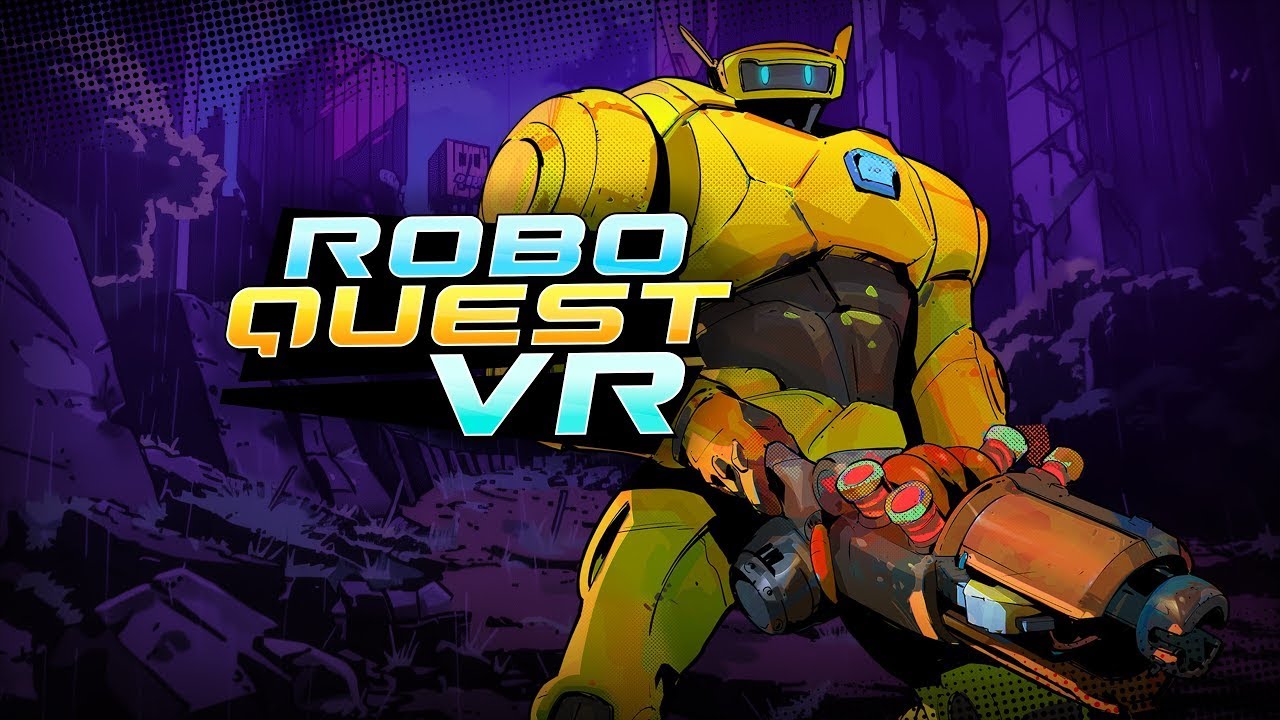
We covered the original May announcement back when the plan was a same day cross platform co-op launch, and the good news is that the co-op piece survived the delay. The July 23 update is still bringing two player co-op across Quest, SteamVR, and PSVR2 at the same time. That is the part I am most curious about. Cross platform co-op in VR is still rare enough that seeing it work here would be a small milestone, and a roguelite is exactly the kind of game that gets better with a partner shouting at you to grab the shotgun before the door opens.
The Standalone Port Question Is Bigger Than One Game
Roboquest is not the only game dealing with this. Every studio trying to bring a demanding flatscreen or PC VR title to Quest runs into the same wall. The Quest install base is enormous, so that is where the players and the money are, but the hardware forces compromises that a PC never demands. Some studios ship anyway and let the reviews punish them for a shaky framerate. Others hold the line and take the delay. I have started paying attention to which studios do which, because it tells me a lot about whether they actually understand VR or just see the Quest store as a bigger sales channel.
Flat2VR has built its whole identity on this exact problem, taking flat games and making them feel native in a headset. Delaying Roboquest to protect the framerate is the most on brand thing the studio could have done. It is a small signal, but it is the right one.
So no, I am not mad anymore. On July 23 I am going to load it up, probably rope a friend into a co-op run, and see whether the extra two months bought the smoothness the studio promised. If it did, the delay will be a footnote nobody remembers by August. If it did not, well, then I will have opinions. Either way, I would rather a studio miss a date than miss the one number that actually matters in standalone VR. Ask me again this weekend.
Advertisement