On June 25, four VR studios delivered bad news inside the same news cycle. Combat Waffle Studios cut staff. Alta announced it was closing A Township Tale. Pumpkin VR set a date to switch off Quantaar. Patient 8 Games conceded that Memoreum was no longer in full time development. At the time it read as one ugly week on the calendar. Yesterday it stopped being an announcement and became a deletion: A Township Tale's servers went down for good.
GamingJuly 21, 2026
A Township Tale Went Dark Yesterday. It Was One of Four VR Casualties Announced in a Single Week.
By Sam Whitfield
Contributing Writer, VR.org
Advertisement
The easy move here is to file the cluster under the VR winter narrative and move on. That reading misses what makes this particular group worth studying. These were not four bad games from four inexperienced teams. One of them is among the highest grossing VR titles ever made. Another ran for eight years and built a community that outlasted two console generations. The problem was not the product.
The Studio With Thirty Million in Revenue Also Cut Staff
Start with Combat Waffle, because it breaks the usual explanation. Ghosts of Tabor has sold more than ten million units and generated over thirty million dollars in revenue. It has been a fixture near the top of the Quest best seller charts for years, and it made the jump to PlayStation VR2 in 2025. By every metric the VR market offers, it worked.
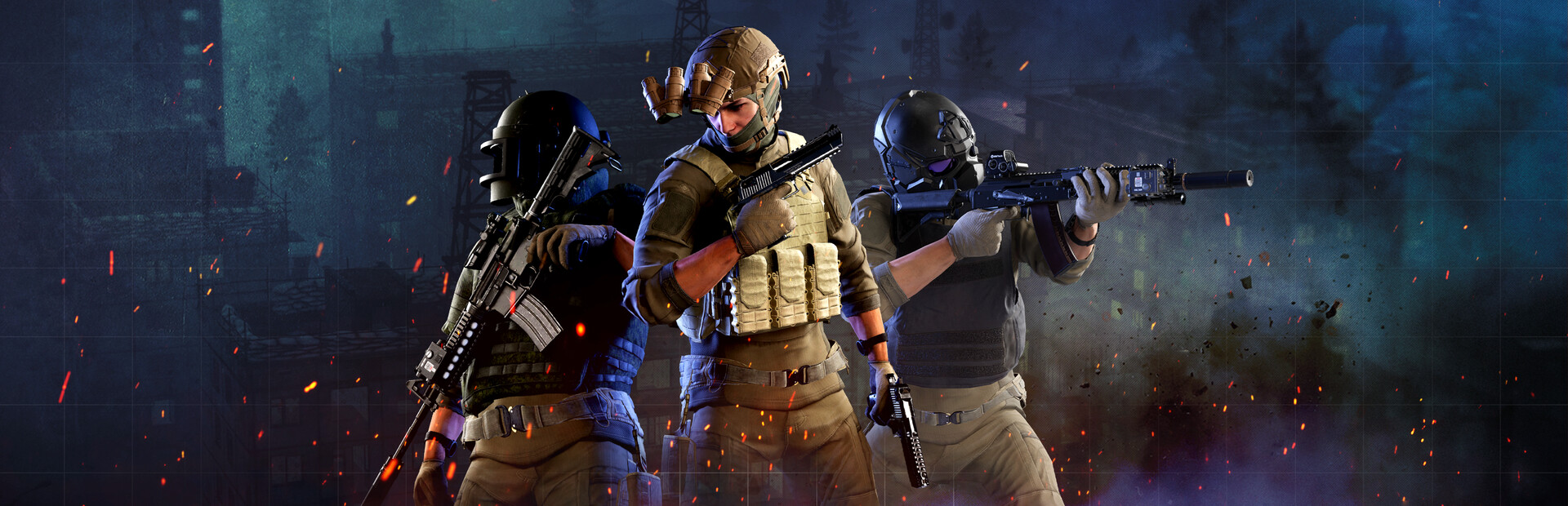
CEO Scott Albright framed the reduction as aligning the company with the current state of the VR industry, and was explicit that "Ghosts of Tabor continues to be our core product." The trigger was not declining sales on the flagship. It was a development project with a large platform partner getting cancelled underneath them. The studio had staffed up against a contract, the contract evaporated, and the headcount had nowhere to go.
That is a different failure mode than a game flopping, and it is the one that should worry anyone building in this space. A studio can do everything right on the commercial side and still get destabilized by a decision made in someone else's boardroom.
Eight Years, Twelve Million Dollars, and a Community That Stuck Around
Alta's story is the one people will remember, because A Township Tale was not a product that quietly underperformed. It launched into early access on PC VR in 2018, arrived on Quest in 2021, and spent years as the answer to the question of what a genuinely deep multiplayer RPG looks like in a headset. Up to eight players on Quest and forty on PC VR shared a persistent world, chopped down trees, smelted ore, and rebuilt a settlement together. Nothing else in VR was quite doing that.
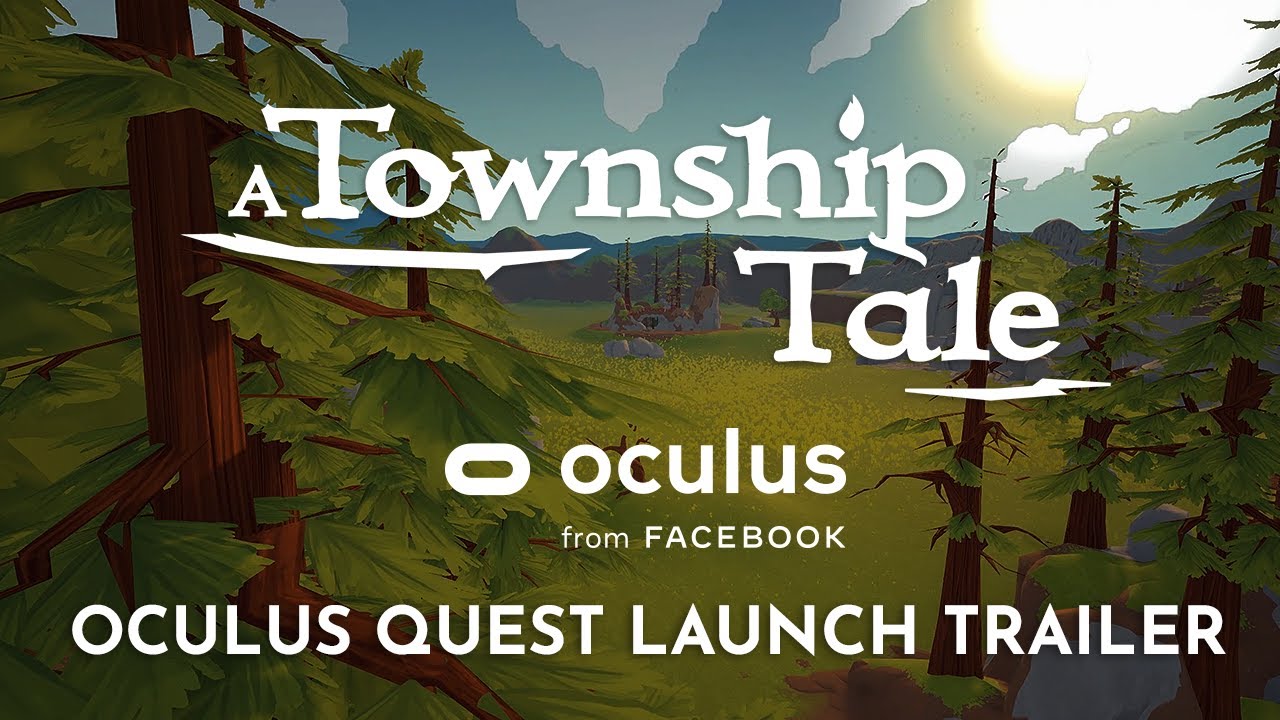
The Sydney studio grew from three founders to more than two dozen staff on the back of a twelve million dollar raise in 2022. That funding bought a second project, an extraction style dungeon crawler called Reave, announced in 2024 and put through months of open playtesting. Alta cancelled it in May 2026. Six weeks later the original game followed.
Co-founder and CTO Joel van de Vorstenbosch said the studio explored multiple avenues for keeping the game alive and that none of them worked, describing what the team had built as one of the most special experiences in VR with one of the best communities in VR. Alta is keeping the community platforms online so players can stay in contact and some of the game's history survives. That is a decent gesture, and it is also an admission that the world itself is not coming back.
Advertisement
The Two That Got Less Attention
Quantaar, a competitive party brawler from Pumpkin VR, has already been delisted from the Quest, Steam, and Pico storefronts. Its servers stay up until September 5, 2026, which means there is still a shutdown deadline sitting on the calendar six weeks out. The studio thanked players for the support that let it ship "this thrilling and hilarious VR party experience," which is the language studios use when there is nothing left to announce.
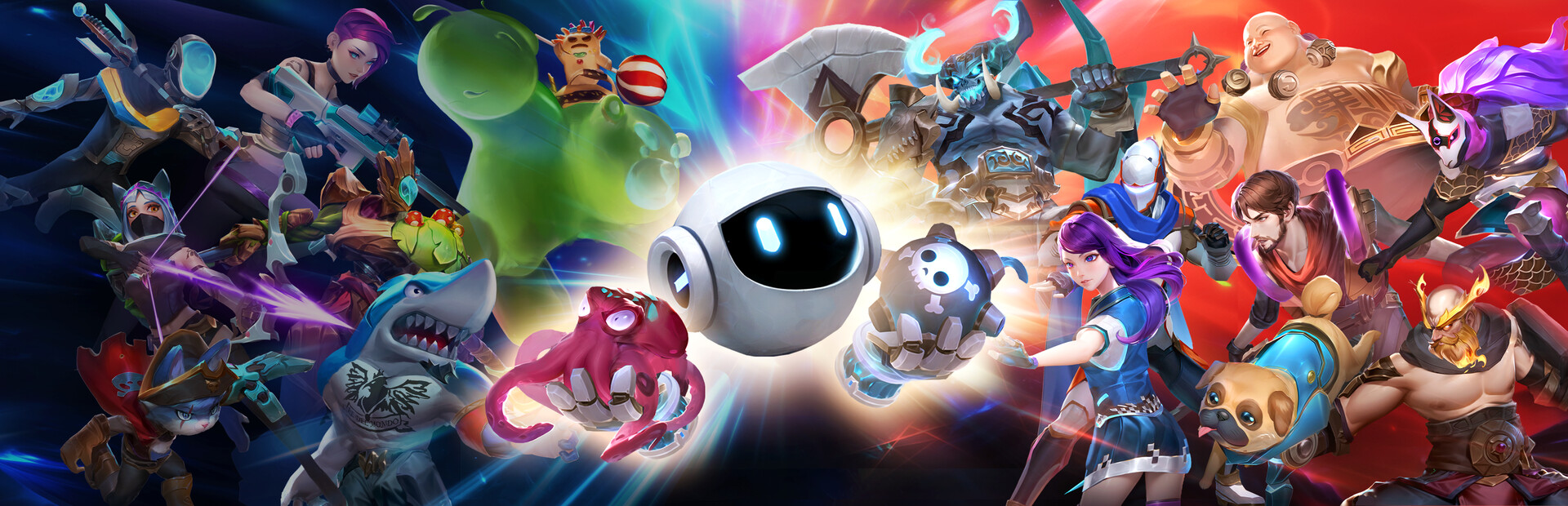
Memoreum is the smallest case and in some ways the most ordinary one. Patient 8 Games said plainly that the sci-fi shooter "didn't sell enough copies to justify continued full-time development." One person is still doing occasional work on the Steam version with no committed timeline. No servers to switch off, no community statement, just a team that ran out of runway and said so.
The Common Thread Runs Upstream
Three of these four outcomes trace back, directly or indirectly, to platform money drying up rather than players disappearing. Meta spent years underwriting VR development, and its pullback took a remarkable amount of work down with it: an unannounced Batman: Arkham Shadow sequel at Sanzaru, a Quest Harry Potter project at Skydance, and a major title at Polyarc, whose team we covered when the Moss studio gutted its roster in April. Third party estimates put Quest shipments down roughly sixteen percent year over year across the first three quarters of 2025, which is a soft market but not a collapsing one. The funding contracted faster than the audience did.
That gap explains the shape of what we are seeing. Studios did not size themselves to their own revenue. They sized themselves to platform contracts, because for most of the last five years that was rational. The mid-tier VR studio, the twenty to forty person team with a shipped hit and a second project in production, is the size that only works when someone else is funding the second project. When that stops, the structure does not shrink gracefully. It cracks. Survios went the same way in May, and the cancelled Tomb Raider VR project we wrote about this month came out of the same contraction.
What Actually Matters From Here
Three things are worth tracking. Whether Combat Waffle can operate as a single product company now that the platform work is gone, since Ghosts of Tabor still has a large paying audience and a leaner team around it. Whether September 5 passes with Quantaar simply gone, or whether Pumpkin VR finds a buyer or an offline mode. And whether anyone builds a serious answer for what happens to persistent VR worlds when the studio behind them stops paying the server bill.
That last one is the durable question. A Township Tale ran for eight years and had a community willing to keep showing up. Yesterday all of that became unreachable, and the only reason to think it had to end that way is that nobody in VR has built the infrastructure for it not to. Games with worlds this personal need an exit plan that is better than a Discord announcement and a date.
Advertisement