
Polyarc just announced it's significantly reducing the size of the company. If you don't recognize the name, you'll recognize the game: Moss. The puzzle-platformer where you guide a tiny mouse named Quill through a storybook world. It's one of the most universally loved VR games ever made.
GamingApril 3, 2026
The Studio Behind Moss Just Gutted Its Team. VR Has a Problem.
By Evan Marcus
Co-Founder, VR.org
Advertisement
And now the studio behind it is in survival mode.
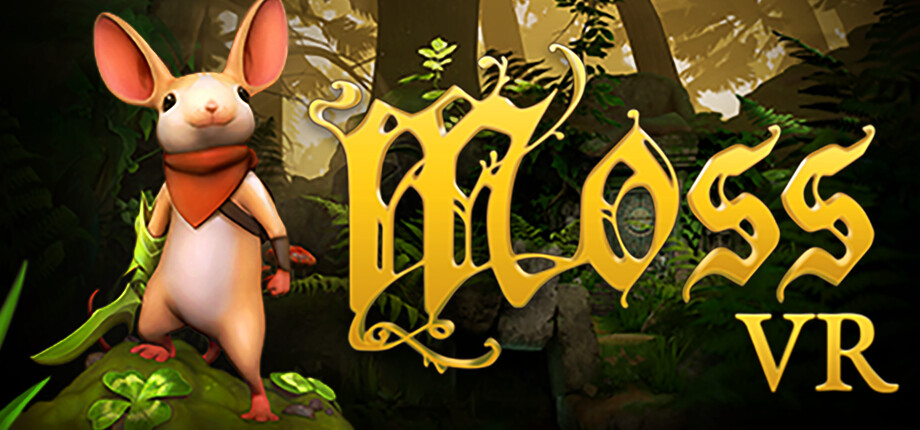
Polyarc shared the news through a LinkedIn post, saying the layoffs came after an "unsuccessful" period. No specifics on what went wrong or how many people were let go, but "significantly reducing" doesn't leave much room for optimistic interpretation.
This isn't an isolated incident. nDreams closed two internal studios earlier this year. Lynx entered liquidation before even shipping its R2 headset. Firewall Ultra shut down its servers after just three years. Meta paused its third-party headset program. The list keeps growing.
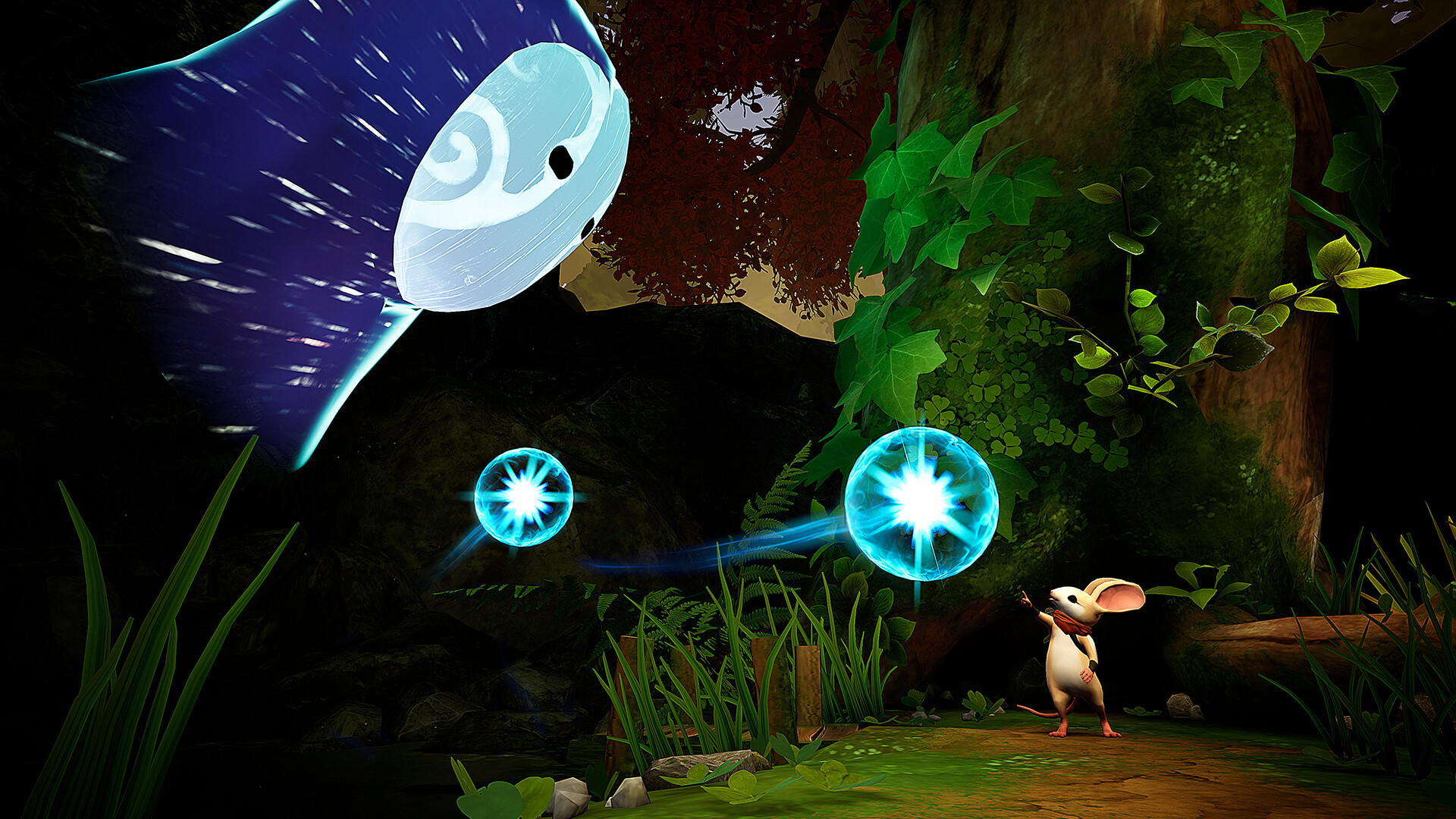
There's a pattern forming that's hard to ignore. Studios that built some of VR's defining experiences are struggling to stay alive. Moss was a critical darling. nDreams made Phantom: Covert Ops and Fracked. These weren't fly-by-night developers. They were the studios the industry pointed to when arguing that VR had a future in gaming.
The core issue is economics. VR's install base, while growing, is still small compared to console and PC gaming. A VR game that sells well might move a few hundred thousand copies. The same game on PlayStation or Steam could sell millions. When you're a studio that exclusively makes VR games, the math is brutal. Development costs keep rising while the addressable market stays relatively constrained.
Meta's Quest platform dominates the install base, but Meta's own commitment to VR gaming is wavering. Reality Labs layoffs, Horizon Worlds going mobile, third-party headset partnerships paused. When the platform holder is pulling back, it sends a chilling signal to the developers building on that platform.
The hope is that Steam Frame changes the equation by bringing a large new audience to VR gaming. More players means more potential sales, which means studios can justify bigger investments in VR content. But Steam Frame isn't out yet, and studios need revenue now.
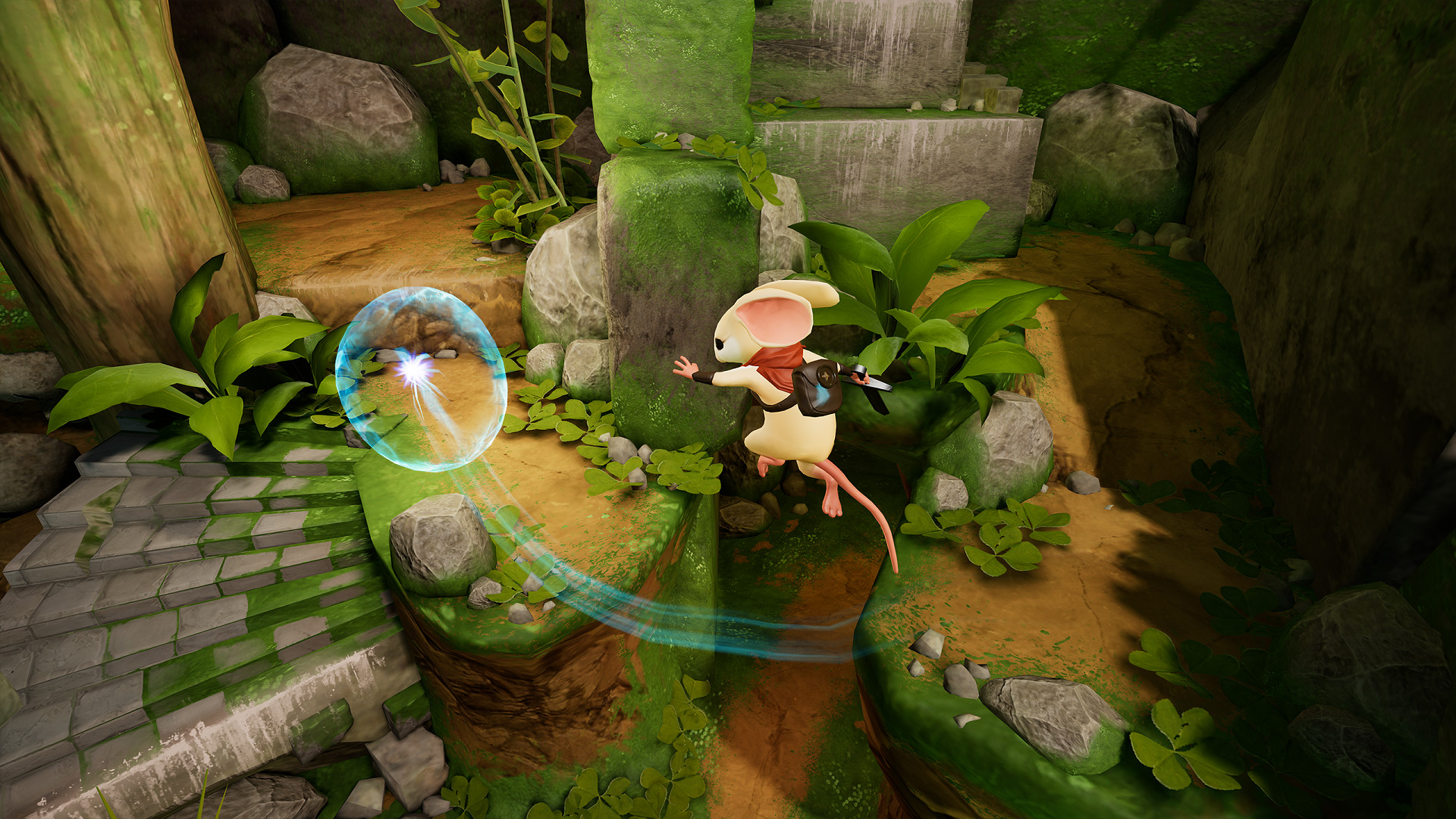
I don't think VR gaming is dying. The games being made today are better than ever. But the business model for VR-exclusive studios is clearly broken, and something needs to change before we lose the teams that know how to build great VR experiences. Polyarc shouldn't have to fight for survival after making Moss. But here we are.
Advertisement