
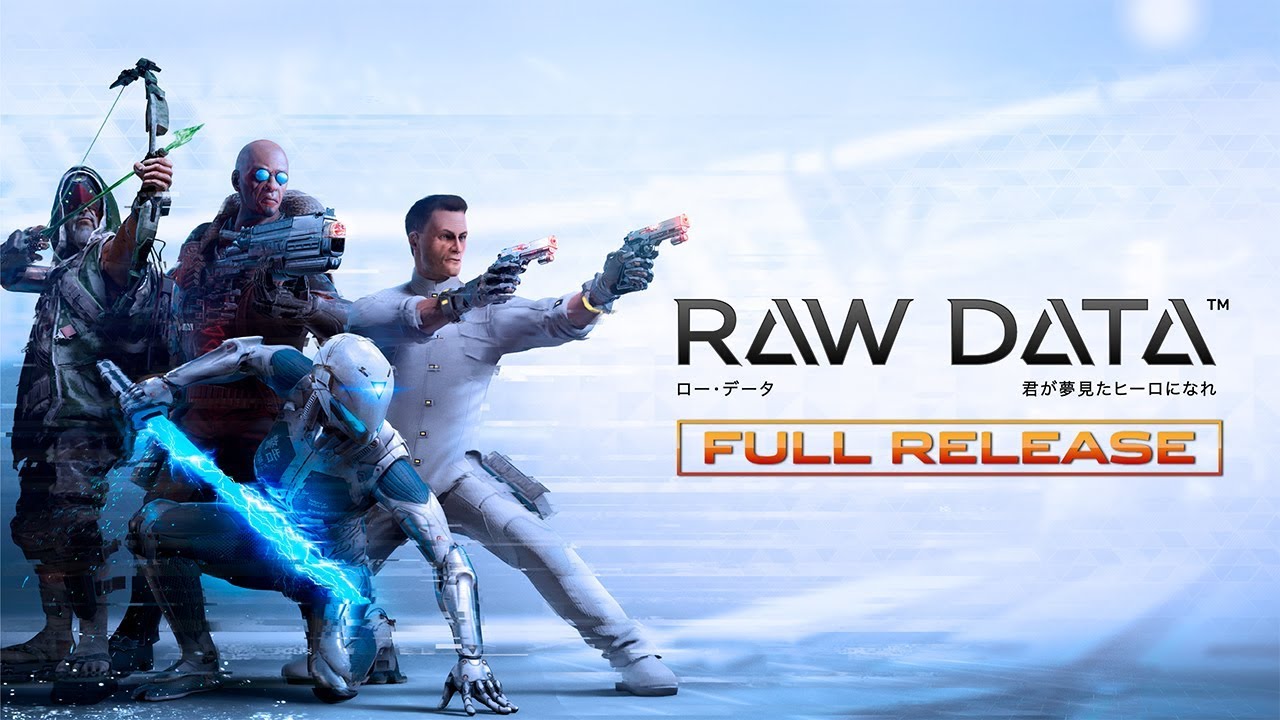
I bought an HTC Vive in the summer of 2016. The first game I really put hours into was Raw Data, a wave shooter from a Los Angeles studio called Survios. You stood in a circle, summoned weapons out of thin air, and slow-motion-dodged plasma rounds while metal abominations climbed up at you from below. It was loud and glossy and stupid in the best possible way. I remember handing the headset to my dad, who immediately punched a wall trying to reload a pistol. That was the moment I understood VR was real.
GamingMay 5, 2026
Survios Just Got Wiped Out. I've Been Playing Their Games Since 2016 and This One Hurts.
By Evan Marcus
Co-Founder, VR.org
Advertisement
Last weekend, that same studio essentially closed.
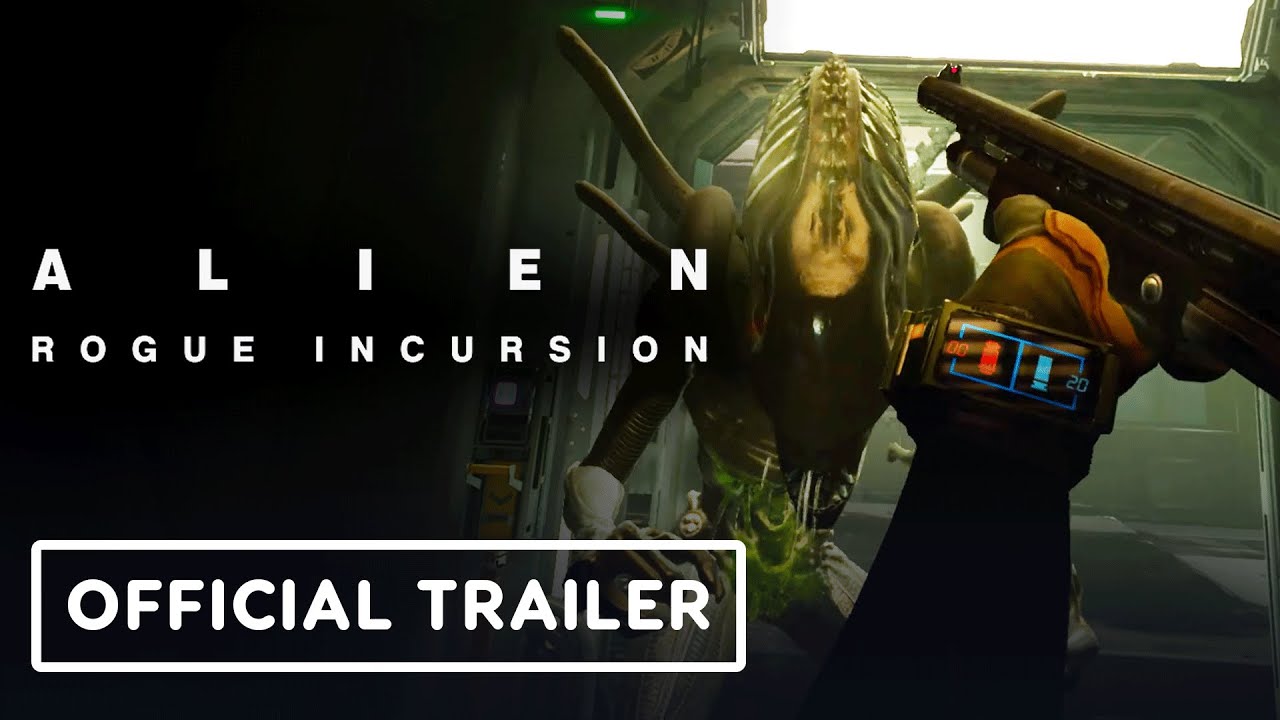
Multiple LinkedIn posts from former Survios employees confirmed over the weekend what people in the VR space had been quietly worried about for months. The studio behind Raw Data, Sprint Vector, Westworld Awakening, Creed: Rise to Glory, The Walking Dead: Onslaught, and most recently Alien: Rogue Incursion has reportedly laid off the bulk of its development team. One former combat designer described the studio as "essentially shuttered, with all of the team members responsible for development being let go." Reporting from UploadVR, Road to VR, and Game Developer all converged on the same picture by Monday morning. A major project was cancelled. The funding to keep the lights on did not come together. The team that knew how to make these games is gone.
Every layoff hits people, and that part deserves to come first. Combat designers, technical artists, animators, audio designers, producers. These are people with mortgages, and a lot of them have been making VR games specifically since around 2014. Their resumes say "VR" the way a lighting designer's resume says "stage." That is a niche skill in a market where the number of studios willing to bet on VR is shrinking by the month. If you are reading this and you used to work at Survios, our DMs are open and we will boost any signal we can.
Now here is the part that feels personal.
A Studio That Helped Define VR
Survios was not just any studio that dabbled in VR. They were one of the first to commit completely. The company spun out of a USC Mixed Reality Lab project in 2013, three years before consumer VR even shipped, with $54 million in venture funding and a thesis that VR games needed to feel like sports. Active VR. Big motions. Sweat. Their entire identity was built on the idea that holding a controller and clicking buttons was not the future of this medium.
Sprint Vector was the purest expression of that thesis. It came out in 2018, and you ran by swinging your arms back and forth like the world's most enthusiastic power-walker. You climbed by reaching, and you flew by tilting your hands like wings. It was exhausting. It also did the thing every great VR game does, which is make you forget you are in your living room. I still pull it out to show people what locomotion can look like when you stop trying to imitate WASD.
Then came Creed: Rise to Glory in late 2018, which sold over 2.25 million copies. Two and a quarter million units. In VR. In 2018. That number alone should reset whatever assumptions you had about the size of the VR market in the early days. Creed worked because Survios understood something that bigger publishers still get wrong, which is that VR boxing has to feel like boxing. The footwork matters. The dodge matters. The slow motion matters. I have watched grown adults punch the air in my apartment for forty-five minutes straight and emerge sweating like they just left a real gym.
After Creed came The Walking Dead: Onslaught in 2020, Westworld: Awakening in 2019, Battlewake, Electronauts, and eventually Alien: Rogue Incursion in late 2024. That last one is the bet that broke them.

The Alien Bet
Alien: Rogue Incursion was the kind of project that should have been a layup. License from Disney. Built on the bones of every horror lesson VR had taught the industry over the previous eight years. PSVR2 launch promise from a studio that already had a track record of selling millions of copies on a single platform. I played it. It was good. It was scary in the right ways.
Advertisement
The problem was the title card. The full name was Alien: Rogue Incursion Part One. The ending was a cliffhanger. Anyone who finished the campaign understood that Survios and Sony were betting on a sequel. That sequel was reportedly the cancelled project that took the company down. The team had already started on it. Then the money to finish it disappeared.
There is a simple, brutal math behind that. PSVR2 has not sold the units anyone hoped it would. Reports have surfaced more than once that Sony paused production while it cleared backlog inventory. When you build a sequel for a platform that is not pulling its weight, and you cannot get a second platform to greenlight the port budget on a budget that supports the team you have, you run out of runway. That is what happened. Players who finished Alien: Rogue Incursion this year are now sitting on a cliffhanger that may never resolve, which is a particularly cruel way for a studio to go out.
A Pattern, Not an Accident
Survios is not the first VR pioneer to collapse this year. In March, Polyarc, the studio behind the Moss series, laid off a reported two-thirds of its team after their major project also fell apart. In early April, Rec Room announced it was shuttering its VR client to pivot to mobile. Owlchemy is still alive, but mostly because Google bought them. Cloudhead is still around, but quiet. Schell Games is doing fine, in part because they diversified hard. The companies that doubled down hardest on console and PC VR have taken the hardest hits.
I keep coming back to the same thought. The biggest problem with VR right now is not the headsets. The Quest 3 is a good headset. The Vision Pro is a great headset. The Bigscreen Beyond 2 is a borderline miraculous headset. Steam Frame is going to be a great headset. The hardware is not the bottleneck.
The bottleneck is that the studios making games for these headsets cannot survive long enough to build the libraries that justify the hardware. Every time a Survios goes down, every time a Polyarc gets gutted, the calendar that excited me last month gets a little thinner the year after. The next Sprint Vector does not get made. The next Creed does not get made. Some other team eventually figures out how to make a great VR boxing game from scratch, but they do it with five years of accumulated knowledge missing from their team. That is the part that compounds. We are not just losing studios. We are losing institutional memory about how to make this stuff work.
What I Want From This
Two things, and then I will stop.
First, if you have a Quest, a PSVR2, a Vive, or an Index, and you have not played the Survios catalog, go play it before the storefronts get weird about delisting. Sprint Vector still rules. Creed Championship Edition still rules. Raw Data is dated but still a delight in co-op. Alien: Rogue Incursion is genuinely one of the best horror games on the platform and you are going to want to have played it before whatever happens to its publishing rights happens. Vote with your dollars while there are still dollars to vote with.
Second, if you are Sony, please understand what just happened on your platform. Two of your biggest VR studio supporters have effectively died in two months. You can blame the install base, but the install base is not going to fix itself. First-party support, marketing dollars, and a real PSVR2 strategy might. The window where the third parties carry your VR business for you is closing.
I came up on PCVR. I have a Vive in a box in my closet, an Index on my desk, and a Quest 3 in my living room. I have seen this industry lose pioneers before. The first wave of VR studios from 2016 is mostly gone. We are now watching the second wave die the same way, and it is less an extinction event than it is a slow attrition that nobody knows how to reverse.
Maybe Steam Frame is the reset. Maybe Quest 4 is the reset. Maybe enough of us pile into Roboquest VR co-op on May 21 and Microsoft Flight Simulator on PSVR2 to send the right kind of signal. I do not know. What I do know is that Sprint Vector exists because four USC kids in 2013 decided that swinging your arms could be a real form of locomotion in a video game, and most of them are not making VR games anymore.
That hurts. I am going to load up Sprint Vector tonight and run through Wonderlands one more time, and I am going to think about the team that made it.
Advertisement