
Sam usually runs this column, but he already covered one of the week's biggest stories today, so I am stepping in. And what a week to recap. The smart glasses conversation turned sharply toward privacy, Apple pulled back from headsets yet again, and beneath all of that, VR gaming and open source put together a genuinely great seven days. Let us get into it.
XrJuly 10, 2026
This Week in VR: The Smart Glasses Privacy Reckoning, Apple Retreats Again, and VR Gaming Quietly Wins
By Evan Marcus
Co-Founder, VR.org
Advertisement
The smart glasses privacy reckoning arrived
If one theme defined the week, it was the camera on your face. A Financial Times report revealed Meta has been prototyping super sensing glasses that continuously see and hear everything around the wearer to feed a context aware AI, and the reaction ranged from excited to alarmed, mostly alarmed. In almost comic timing, Meta also rolled out an update that disables the camera if the glasses' privacy light is tampered with or destroyed, which Alex broke down in our piece on the privacy light lockdown. Closing one loophole the same week a report describes an always on recording device is a hard circle to square.

The pushback got real, too. New York became the first US state to ban smart glasses from all of its courthouses, more than 1,200 of them. And the clearest counter bet remains Even Realities, the startup that hit a billion dollar valuation by leaving the camera off entirely, which Sam covered in our look at the camera free play. The market is splitting into cameras everywhere and cameras nowhere, and this was the week that split became impossible to ignore.
Apple stepped back from headsets, again
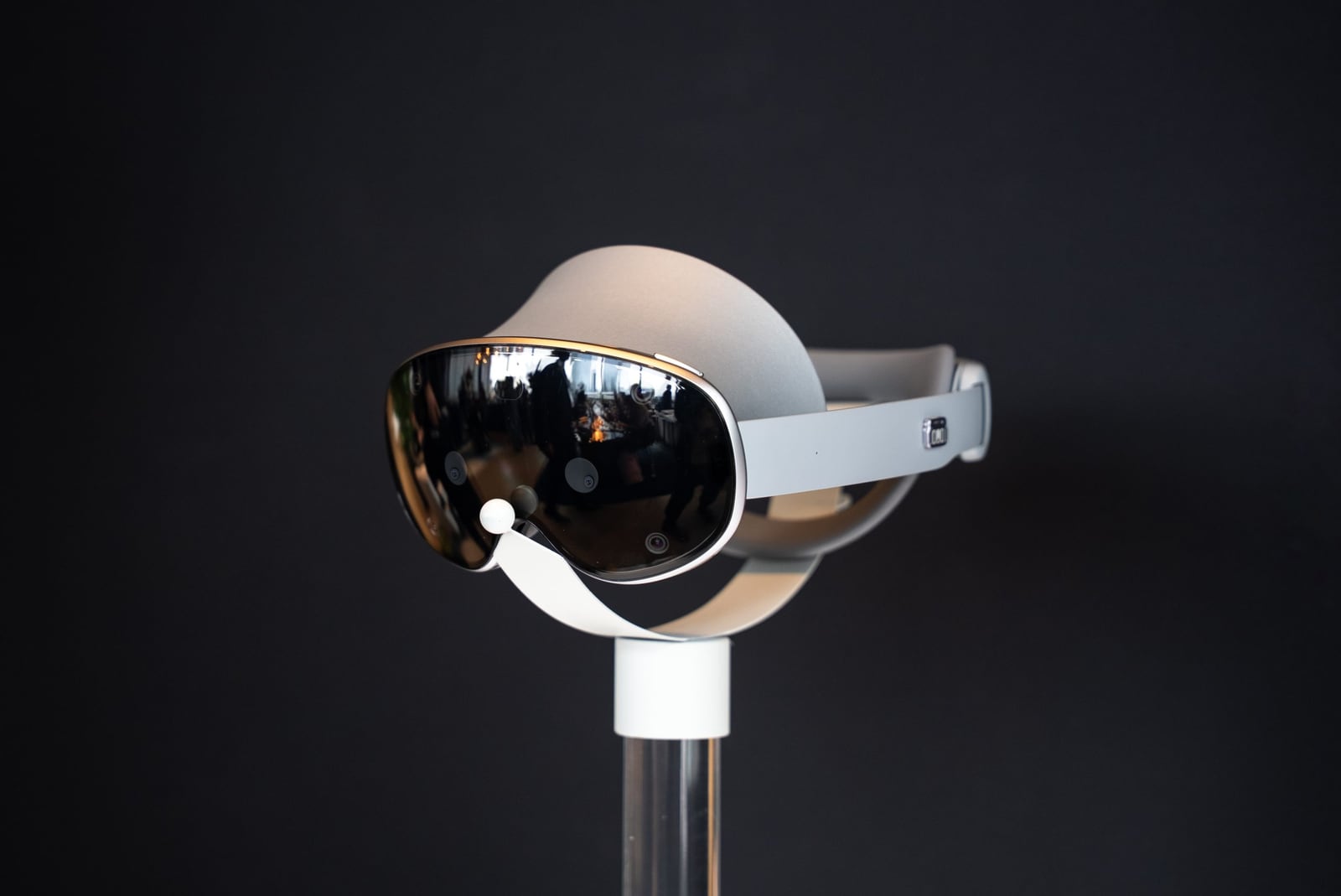
The Apple spatial retreat added another chapter. Reporting this week indicated Apple has scrapped development of the display for a cheaper, lighter Vision Pro, and Sam explained why killing that display effectively kills the affordable headset it was meant for. Pair it with the roadmap cancellation and the hardware chief leaving for OpenAI that we covered earlier, and the direction is unmistakable. Apple's near term spatial future is glasses and AI, not another headset.
VR gaming and open source quietly had a banner week
Here is the part that made me happy. While the glasses drama dominated headlines, the software side of VR was thriving. Hot Dogs, Horseshoes and Hand Grenades finally hit 1.0 after a decade in Early Access, and I wrote a love letter to what that kind of dedication means. Valve shipped Proton 11, and Alex made the case that the open source compatibility layer is Valve's real competitive moat. And Godot 4.7 landed, which Nina argued has quietly become the most complete open source XR engine yet. Three big open source wins in one week is the kind of foundation that does not make headlines but decides what the next few years of VR look like.

Not every gaming story was happy. A leak revealed that the now shuttered Vertigo Games Amsterdam studio had been building an official Tomb Raider VR game before it was canceled, which I dug into in our piece on the game that almost was. A bittersweet reminder of how much good VR work never makes it out the door.
Android XR apps are warming up
With Google's audio glasses due this fall and Samsung's glasses imminent, the app ecosystem is starting to move. An APK teardown showed Spotify building a deep Gemini integration for Android XR glasses, and Jordan explained why the architecture underneath it matters more than the features. Major apps preparing months ahead of the hardware is exactly the signal Android XR needs.
What to watch next week
All eyes turn to Samsung's Galaxy Unpacked on July 22, which we have argued is the real Android XR glasses moment. Beyond that, the Steam Frame reservation window is still looming with no official price, and the smart glasses privacy debate is not going to quiet down, if anything, the super sensing report guarantees it gets louder. Busy week behind us, busier month ahead. See you next Friday.
Advertisement