
Valve shipped a new version of Proton this week, and the gaming press treated it as routine maintenance. More playable games, a newer version of Wine underneath, some fixes. Fair enough. But step back from the changelog and look at what Proton actually is to Valve's business, and you are looking at one of the most quietly powerful competitive moats in the entire industry, one that becomes more obvious with every piece of hardware the company ships.
GamingJuly 8, 2026
Proton Is Valve's Real Competitive Moat. The Clever Part Is That Valve Gave It Away.
By Alex Reeves
Staff Writer, VR.org
Advertisement
The problem every hardware maker has, and Valve does not
Launching new gaming hardware has one brutal, recurring problem, and it is not the silicon. It is the library. A new platform with no games is dead on arrival, which is why console makers spend years and fortunes courting exclusives and begging developers to port their catalogs. Every new device starts at zero and has to claw its way to a library worth owning. We have watched it play out painfully in VR, where headset after headset launched with thin software and struggled for it.
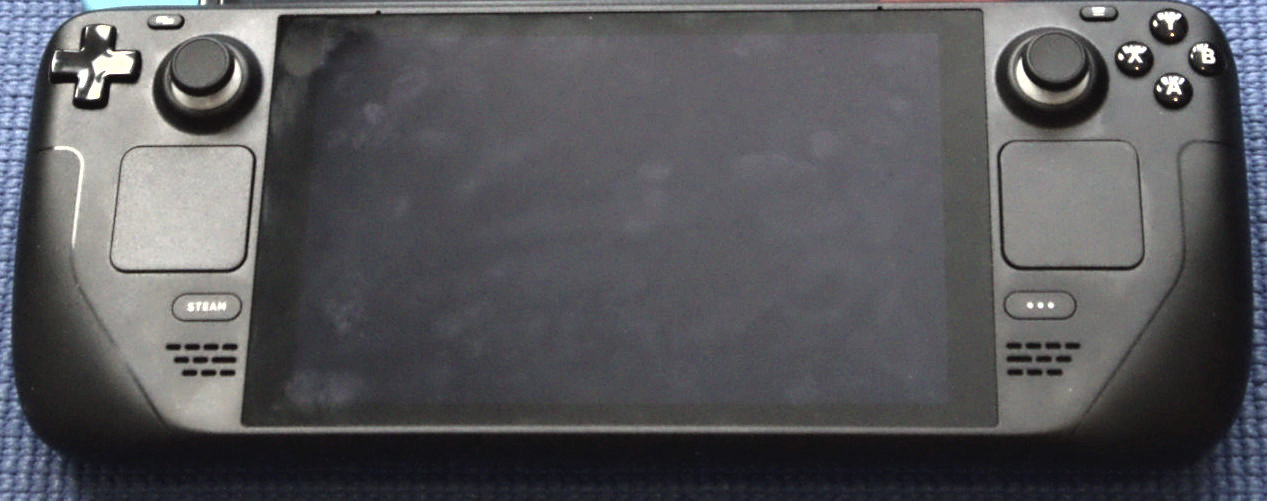
Valve does not have this problem, and Proton is the reason. Proton is Valve's compatibility layer that lets Windows games run on Linux without the developer doing anything, and because all of Valve's hardware runs on Linux-based SteamOS, that means every device the company launches arrives with an instant library of tens of thousands of existing Windows games. The Steam Deck did not need a single new port to have a killer library. Neither did the new Steam Machine. Neither will the Steam Frame. They inherit the entire back catalog of PC gaming on day one, translated invisibly. While competitors fight the content war one exclusive at a time, Valve already won it.

Why nobody can simply copy it
Here is the part that makes it a genuine moat rather than just a nice feature. The instinctive question is why a competitor cannot just do the same thing, and the answer reveals the depth of Valve's position. Proton itself is open source, so technically anyone can use it. But Proton on its own is not the asset. The asset is Proton plus the Steam store, plus the tens of thousands of games already sold there, plus well over a hundred million user accounts that already own libraries of those games. A rival could adopt the exact same compatibility technology tomorrow and still have none of the things that make it valuable. They would have a translation layer and nothing to translate.
Advertisement
That is the difference between a feature and a moat. Sony, Microsoft, Meta, and Apple all operate walled gardens where each new device needs bespoke software support and developers must be convinced to show up. Valve built the opposite: one compatibility layer, and your existing purchases just work across every machine it makes. The more hardware Valve ships, the more valuable your Steam library becomes, and the more locked in you are to the ecosystem, not through restriction but through sheer convenience. That is a flywheel competitors cannot spin up by copying a single component.
The counterintuitive genius of open-sourcing it
Now the move that looks like a mistake until you think it through. Valve made this moat open source. Anyone can read the code, use it, and build on it. On the surface that seems like giving away the crown jewels. In practice it is exactly why the strategy works.
Because Proton is open, a global community of developers improves it constantly and for free, fixing games and advancing the technology faster than any single company could alone. It builds on the decades of open-source work in the Wine project rather than reinventing it. And by being open, it becomes the de facto standard for running Windows games anywhere but Windows, which suits Valve perfectly, because Valve does not monetize Proton. It monetizes the store. Give away the plumbing, own the marketplace it feeds. The openness is not charity, it is the mechanism that makes the moat wider and cheaper to maintain at the same time.
Why this matters for VR specifically
This is not an abstract business observation for us, because the next device riding this strategy is a VR headset. The entire pitch of the Steam Frame, that you can play your existing Steam library on it, wirelessly from a PC or increasingly standalone on its own ARM chip, is only credible because Proton exists and keeps advancing, including the recent work extending it toward ARM hardware. We laid out the stakes in our deep dive on everything riding on the Steam Frame, and the through line is the same one that powers the Deck and the Machine. Valve is not asking VR developers to rebuild their catalogs for a new headset. It is bringing the catalog with it.
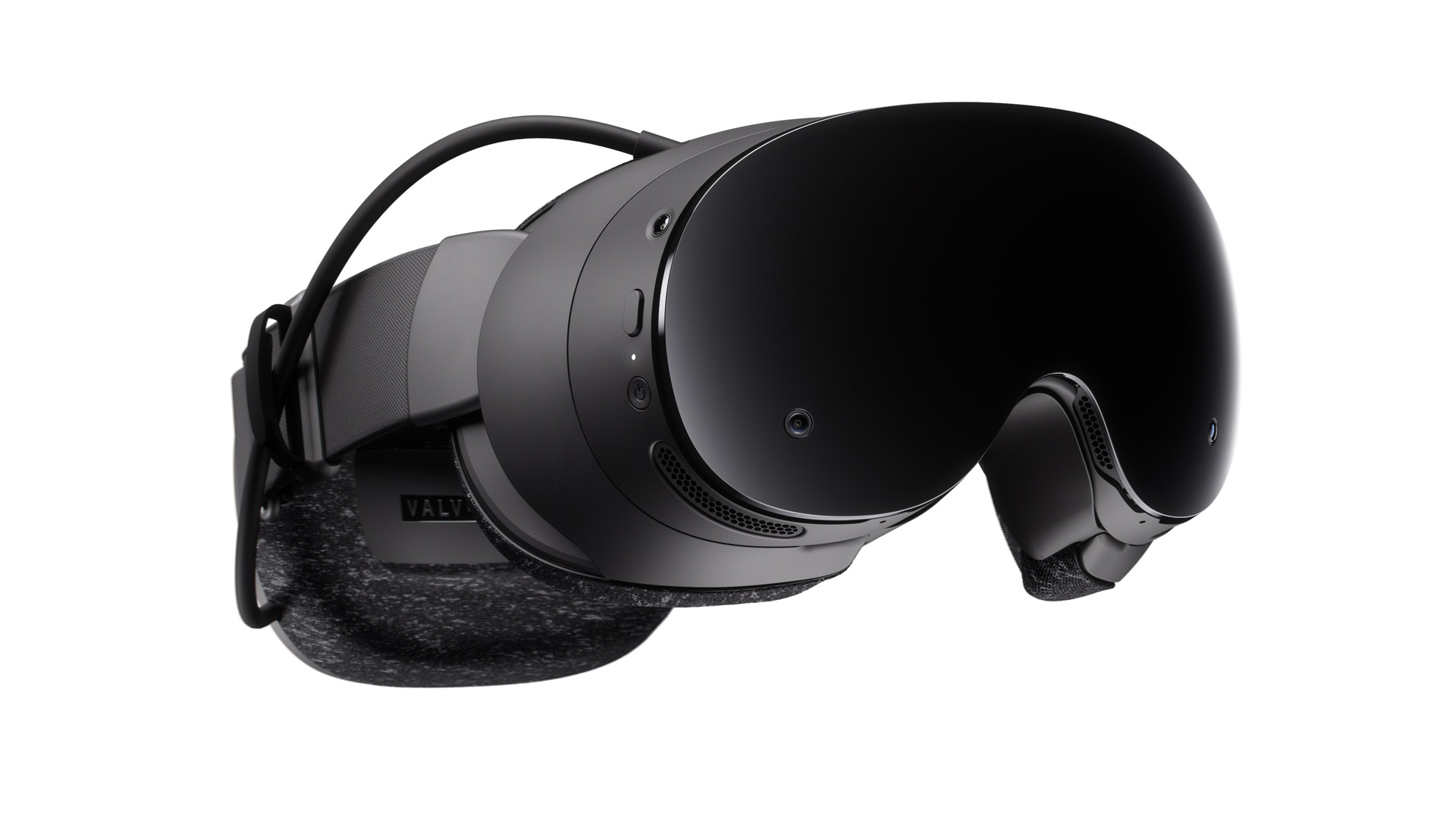
So when the next Proton release scrolls by looking like a boring update, remember what it is really doing. It is quietly reinforcing the one advantage that lets Valve launch hardware into categories where everyone else struggles with empty shelves, from handhelds to living-room boxes to VR headsets. The company built the most valuable compatibility technology in gaming, wired its entire hardware roadmap to it, and then handed the code to the world because it already owns the part that actually pays. That is not a giveaway. That is the moat, working exactly as designed.
Advertisement