
I have been waiting for this headset since 2020. That is not hyperbole. The moment Valve shipped Half-Life: Alyx and proved that VR could deliver a full-length, triple-A single player experience, the obvious next question was: what hardware does Valve think this medium actually needs? The Index was their first answer. Steam Frame is their real answer.
HardwareMay 16, 2026
Everything Riding on Steam Frame
By Evan Marcus
Co-Founder, VR.org
Advertisement
Let me tell you why I think more is riding on this single product launch than anything else happening in VR right now. More than Quest 4. More than PSVR3. More than whatever Apple does next with Vision Pro. Steam Frame is Valve's attempt to solve the fundamental problem that has held PC VR back for six years: the friction of actually using it.
The Problem Steam Frame Is Solving
I love my Index. I have put thousands of hours into it across Alyx, Boneworks, Pavlov, Into the Radius, and dozens of other titles. But here is the truth that every PCVR enthusiast knows and rarely says out loud: the setup friction is real. The base stations. The cable. The dedicated play space. The fact that you need to boot SteamVR, wait for tracking to initialize, and hope nothing has drifted since last time. Every one of those friction points is a reason to play something else instead.
Quest solved this problem by going standalone, but the tradeoff was brutal for anyone who cared about visual fidelity and game complexity. You could play wirelessly with zero setup, but you were running games on a mobile chip. Air Link and Virtual Desktop brought wireless PCVR to Quest, but they route through your home Wi-Fi, which means you are at the mercy of your router placement, network congestion, and wall materials. Some people get great results. Many do not.
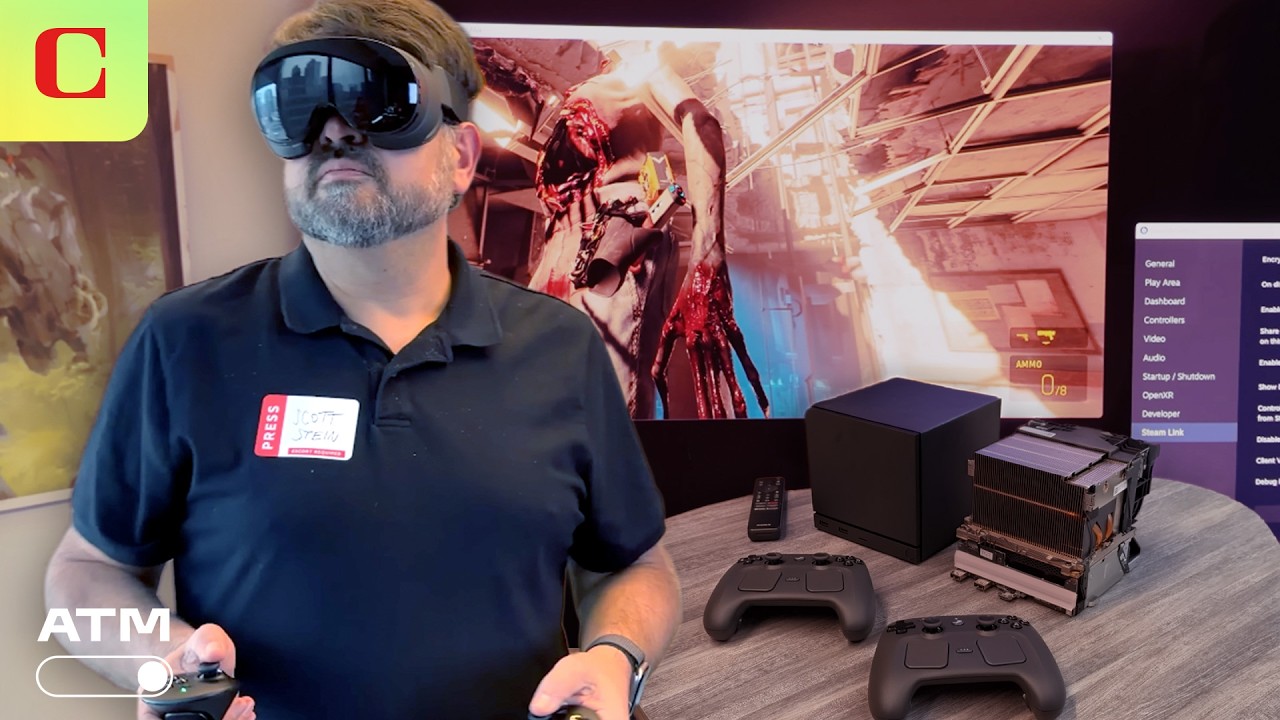
Steam Frame's approach is different from both, and I think it is the correct one. The headset ships with a dedicated 6GHz USB adapter that creates a point-to-point wireless connection between your PC and the headset. No router involved. No network congestion. No troubleshooting your mesh network at 11 PM when you just want to play Alyx. Valve controls the firmware on both ends of that connection, which means they can optimize the entire stack from encoding to display.
The journalists who tried this at Valve HQ described the wireless streaming as having no perceptible lag. That is the bar. If wireless PCVR feels identical to wired PCVR, the cable problem is solved permanently.
Why Standalone Matters Too
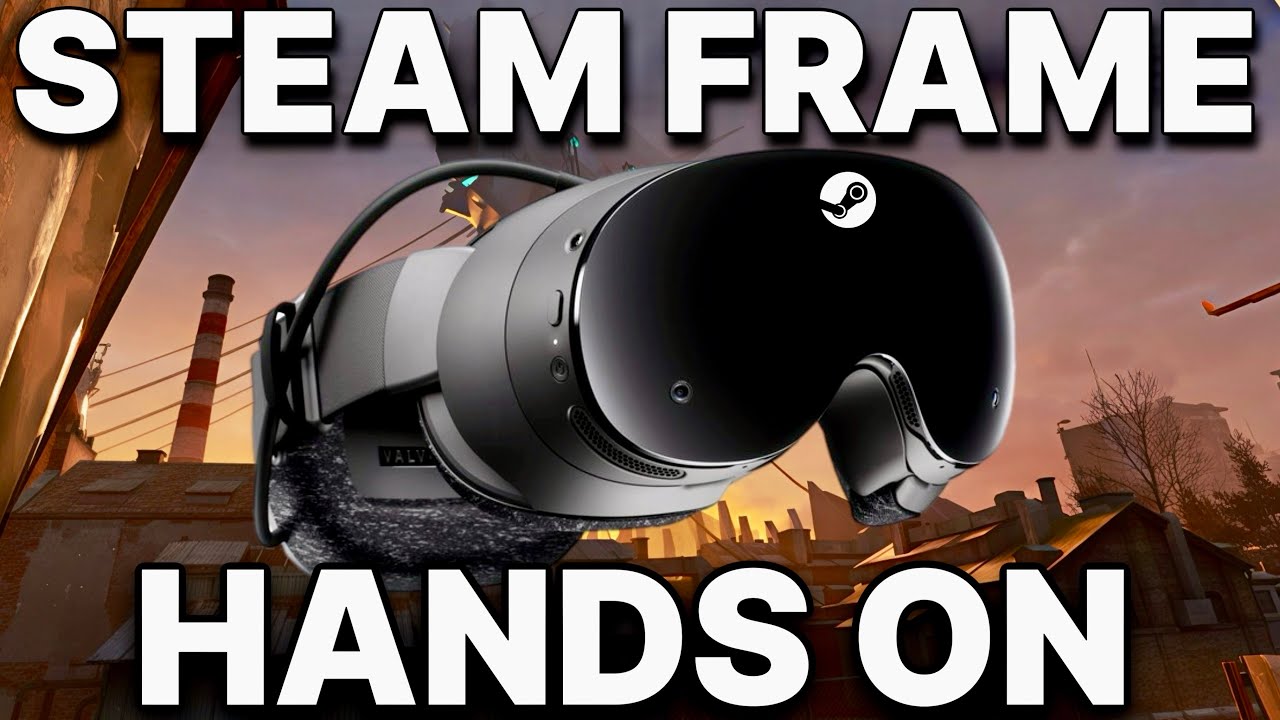
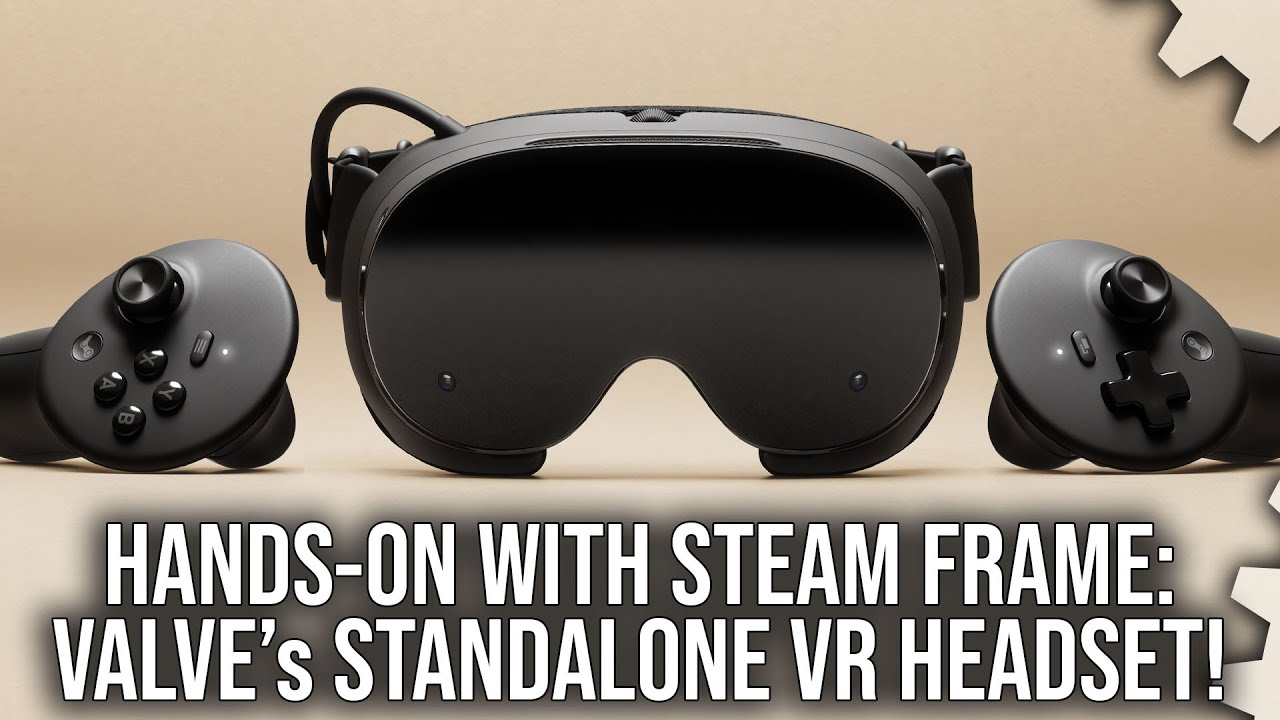
Here is where Steam Frame gets interesting beyond just being a wireless PCVR headset. It also runs SteamOS natively on a Snapdragon 8 Gen 3 with 16GB of RAM. That means it functions as a standalone VR headset when you are away from your PC, or when you want to play something lighter without booting up your desktop.
Valve built an ARM version of Proton (their Windows compatibility layer) specifically for this. They integrated FEX, an open-source x86 emulation tool, directly into the Proton stack. The practical result is that many existing Steam games can run natively on the headset without developers doing anything. Not all of them will run well on a mobile chip, which is exactly why the Steam Frame Verified program exists. But the library is not starting from zero the way Quest's did.
This is the Steam Deck playbook applied to VR. When Steam Deck launched, it did not have a massive library of verified titles on day one. But it had Proton, which meant thousands of games worked out of the box with varying degrees of quality. The verified program gave players confidence about which titles ran well. Over time, developers optimized for the hardware because the install base justified the effort. Steam Frame is following the exact same strategy.
The Weight Question
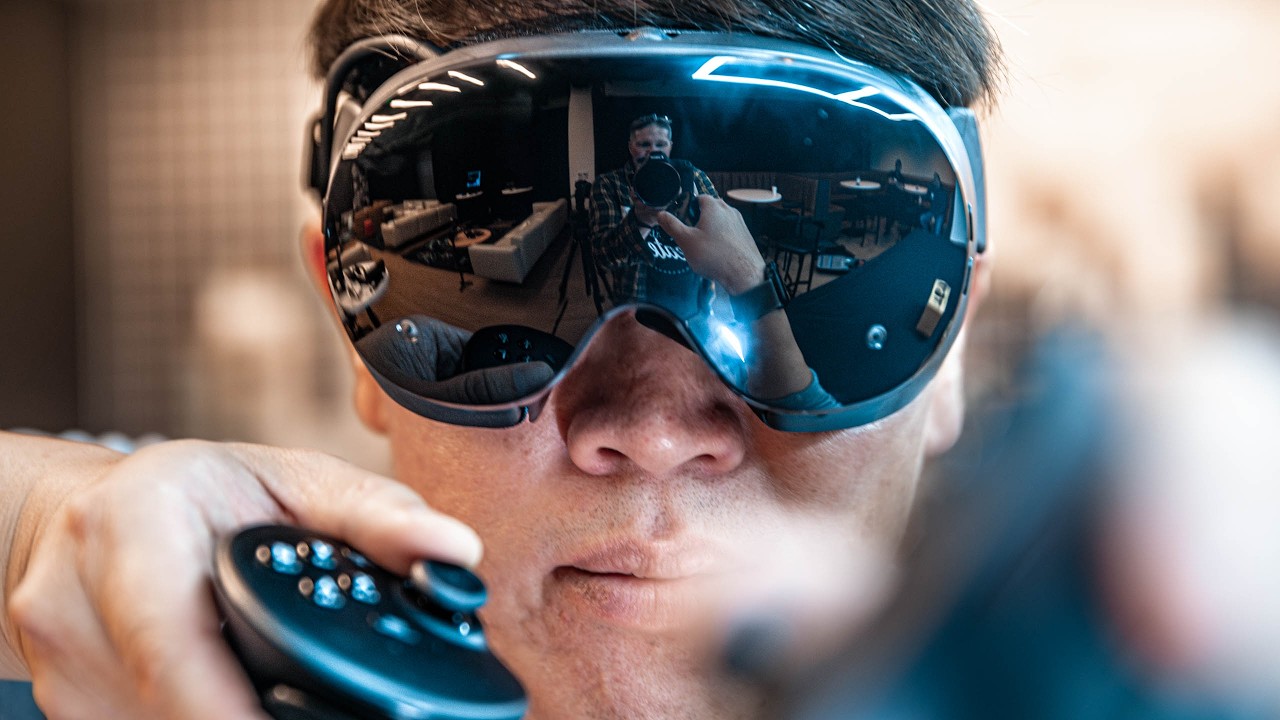
At 440 grams with battery and strap attached, Steam Frame is the lightest full-featured standalone VR headset available. For context, Quest 3 is 515 grams. The original Index was 809 grams. I have done multi-hour sessions in both of those headsets, and I can tell you that every gram matters when you are two hours into a game and your neck is starting to remind you that humans did not evolve to wear screens on their faces.
Advertisement
The modular design helps here too. The battery sits on the back of the strap as a counterweight, which distributes the load more evenly than front-heavy designs. Journalists who wore it at Valve HQ consistently mentioned comfort as a standout. That tracks with Valve's design philosophy on Index, which was heavier but had the best weight distribution and face gasket comfort of any headset at the time.
The Pricing Elephant
I wrote about the RAM crisis earlier this week and how it is affecting Valve's pricing strategy. The original target was "cheaper than Index," which launched at $999 for the full kit in 2019. Reports now suggest the price could approach four figures depending on how the component shortage plays out.
This is where everything gets complicated. Quest 3 starts at $499. Quest 3S starts at $299. If Steam Frame lands at $799, that is a premium but justifiable price for enthusiasts who want the best wireless PCVR experience available. If it lands at $999 or higher, it becomes a much harder sell to anyone who is not already deeply invested in PCVR gaming.
I think $699 to $799 is the sweet spot where Steam Frame becomes a genuine mainstream product rather than an enthusiast device. At that range, it competes with the cost of a Quest 3 plus a decent router upgrade plus the frustration tax of troubleshooting Air Link. The value proposition is: pay more upfront, get a solution that just works every time.
But I will be honest. Even at $999, I am buying one on day one. I have a Steam library with over 200 VR titles. I have a gaming PC that can drive them. What I do not have is a wireless solution that works reliably every single session without fiddling. That alone is worth the premium to me, and I suspect there are hundreds of thousands of PCVR gamers in the same position.
What This Means for PCVR Gaming
PCVR has been in a strange place for the last three years. The games keep getting better. Into the Radius 2, Bonelab, Ghosts of Tabor, Contractors, the upcoming H3VR2. The content is there. What has been missing is a clear hardware upgrade path for people who bought an Index or Vive Pro and have been waiting for the next step.
Quest became the default recommendation for new VR users because it removed every barrier to entry. But it also shifted the center of gravity in VR game development toward mobile-first design. Developers target Quest because that is where the users are. They add PCVR support as an enhancement layer on top. The games that start as PCVR-first experiences (like Alyx, Boneworks, Into the Radius) are becoming rarer because the economics do not support building exclusively for a shrinking hardware base.
Steam Frame could reverse that dynamic. If Valve ships a headset that makes PCVR as frictionless as standalone, and it sells in meaningful volume, developers have a reason to build for PC hardware again. Not instead of Quest, but alongside it. The standalone mode means Steam Frame users can also play Quest-class titles. But the streaming mode means developers can build games that push PC GPUs without worrying that their audience cannot run them.
The Valve Factor
There is one more thing that makes Steam Frame different from every other headset launch: it is Valve. This is the company that made Half-Life: Alyx specifically to prove that VR deserved serious game development investment. They did not ship a tech demo. They shipped a 15-hour masterpiece that won game of the year awards and convinced millions of people that VR was worth caring about.
Valve does not launch hardware without software to justify it. Steam Deck had the entire Steam library behind it. Index had Alyx. What does Steam Frame have? We do not know yet. But Valve has been suspiciously quiet about their game development efforts for the last two years, and the timing of a major VR headset launch without a major VR game to anchor it would be unlike everything they have done before.
I am not predicting Half-Life 3 in VR. I am saying that Valve understands better than anyone that hardware sells when there is software people need the hardware to play. Whatever they are working on, Steam Frame is the delivery mechanism.
When It Actually Ships
The honest answer is: nobody outside Valve knows for certain. The "coming soon" tag on Steam, the controller already shipping, the KOMODO distributor listings, the GDC verification criteria, the Proton ARM64 beta releases. All of it points to a launch this year. Summer is optimistic given the supply chain situation. Fall feels more realistic. But Valve has surprised us before.
What I know for certain is that when Steam Frame ships, I will be covering it extensively here. Not because it is the newest shiny thing, but because I genuinely believe it represents the future of how most of us will play VR games on PC. The tethered era is ending. The question is just whether it ends this summer or this fall.
Either way, I have never been more excited about where VR gaming is headed. And I have been doing this since I strapped a DK1 to my face in 2013 and nearly fell over playing a roller coaster demo. We have come a long way. Steam Frame feels like the next major step.
Advertisement