
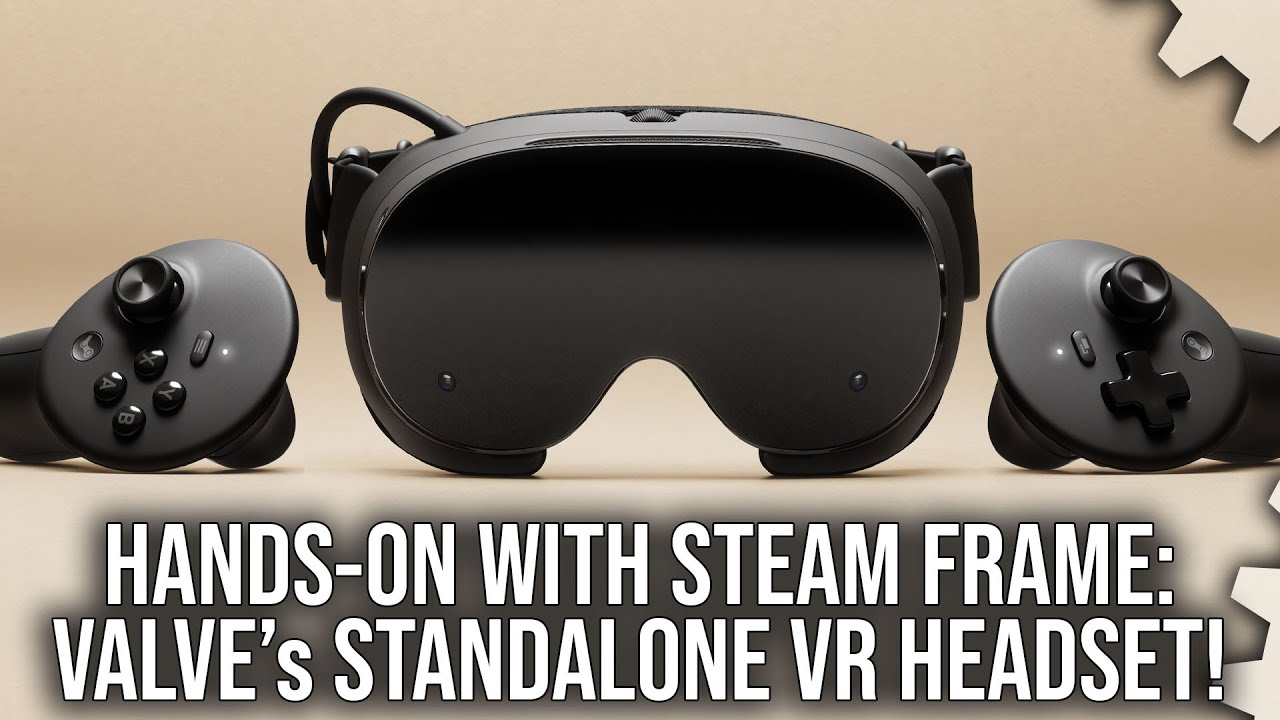
Valve's Steam Frame is now listed as "coming soon" on the Steam backend, but the path from that label to an actual product on shelves has become significantly murkier. A global shortage of LPDDR5 RAM and storage components, driven largely by surging demand from AI infrastructure, is forcing Valve to rethink both its timeline and its pricing strategy for the most anticipated VR headset of 2026.
HardwareMay 13, 2026
The AI Boom Is Eating the RAM That Steam Frame Needs. Here Is What That Means for Valve's Launch.
By Alex Reeves
Staff Writer, VR.org
Advertisement
What Happened to the Timeline
When Valve announced the Steam Frame in November 2025, the target was early 2026. By February, that had softened to "first half of the year." By April, Valve acknowledged publicly that the RAM and storage crisis was causing the company to "revisit" its shipping schedule and pricing strategy. The Steam Deck OLED has already gone out of stock in multiple regions for the same reason. Both devices use 16GB of LPDDR5X memory, exactly the type of component that AI data centers are buying in massive quantities.
The core problem is straightforward. AI training and inference workloads consume enormous amounts of high-bandwidth memory. The same LPDDR5 and LPDDR5X chips that power consumer devices like VR headsets, phones, and handheld gaming PCs are being purchased at scale by companies building AI infrastructure. This has driven prices up and availability down across the entire memory market.
For Valve, the timing is particularly painful. The Steam Frame uses a Snapdragon 8 Gen 3 chipset paired with 16GB of LPDDR5X RAM and up to 1TB of UFS storage. Those are premium components at the best of times. In the current market, sourcing them at the volume and price points needed for a consumer product launch is a genuine challenge.
The Pricing Question
Valve originally said it expected Steam Frame to be "cheaper than Index." The Index full kit launched at $999 in 2019. But the memory shortage has thrown that goal into question. Multiple reports suggest that the anticipated price point for Valve's new hardware has been pushed upward, potentially approaching four figures for the complete package.
This is where the situation gets tricky for VR specifically. The Quest 3 starts at $499. The Quest 3S starts at $299. If Steam Frame launches at $799 or $899, it occupies a significantly different market position than if it had hit the $599 to $699 range that many expected. The hardware justifies a premium (dual 2160x2160 LCDs, 6GHz dedicated wireless streaming, eye tracking, pancake lenses), but pricing is what determines whether Steam Frame becomes a mainstream product or an enthusiast device.
Signs That Launch Is Close Anyway
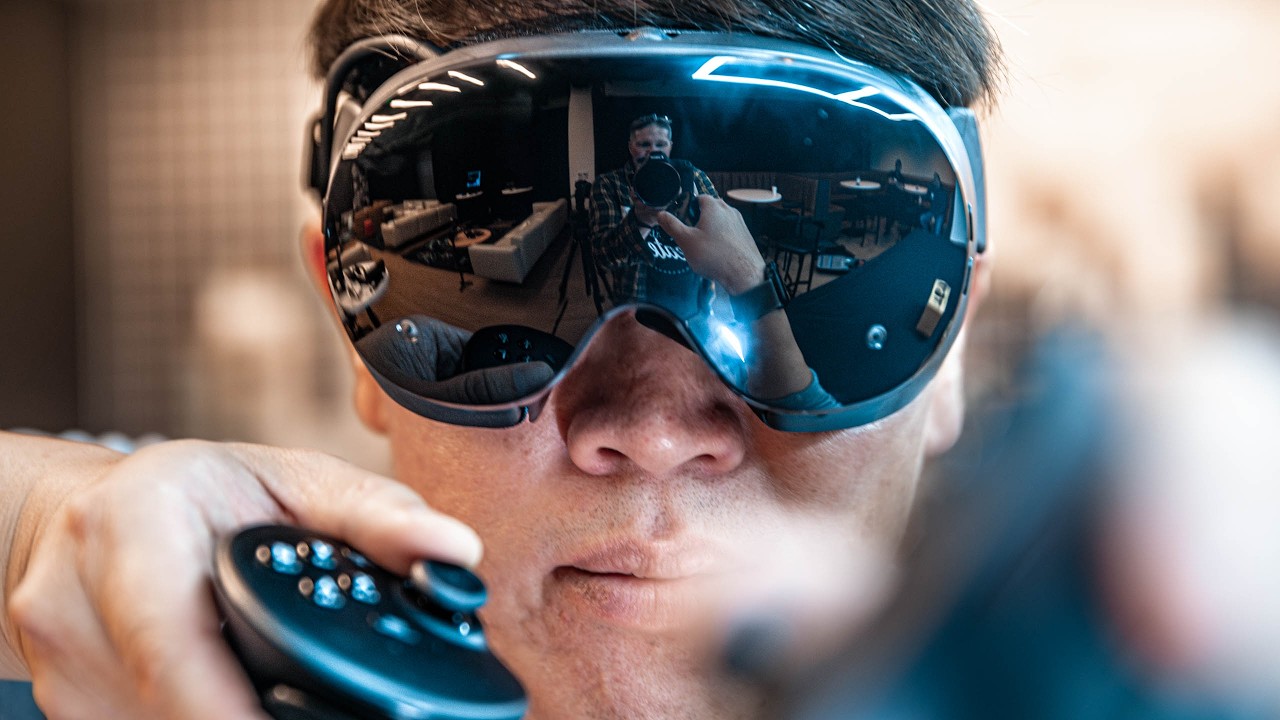
Despite the supply chain headwinds, there are real signals that Valve is approaching launch. The new Steam Controller shipped on May 4 and immediately sold out. Valve's Asian distributor KOMODO Station has listed the Steam Machine, Steam Controller, and Steam Frame on its website, which historically signals imminent availability. And the "coming soon" status change on the Steam backend is not something Valve does casually.
Advertisement
At GDC 2026 in March, Valve laid out the Steam Frame Verified criteria with specificity that only makes sense if the hardware is close. Standalone VR titles need to hit 90 FPS. Standalone flatscreen games need 720p at 30 FPS minimum. The Verified program is split into Steam Deck, Steam Machine, and Steam Frame Standalone categories, with the standalone label explicitly acknowledging that verification only applies to games running on the device's internal ARM chip, not to content streamed from a PC.
That last detail matters. Steam Frame's headline feature is its 6GHz wireless adapter, a plug-and-play dongle with a dual-radio setup that streams your full Steam library from a PC (or Steam Machine) to the headset with minimal latency. When streaming, there is no Verified program because every game that runs on your PC already works. Verified only covers the standalone experience, where developers need to optimize for the Snapdragon 8 Gen 3.
Why This Matters Beyond Steam Frame
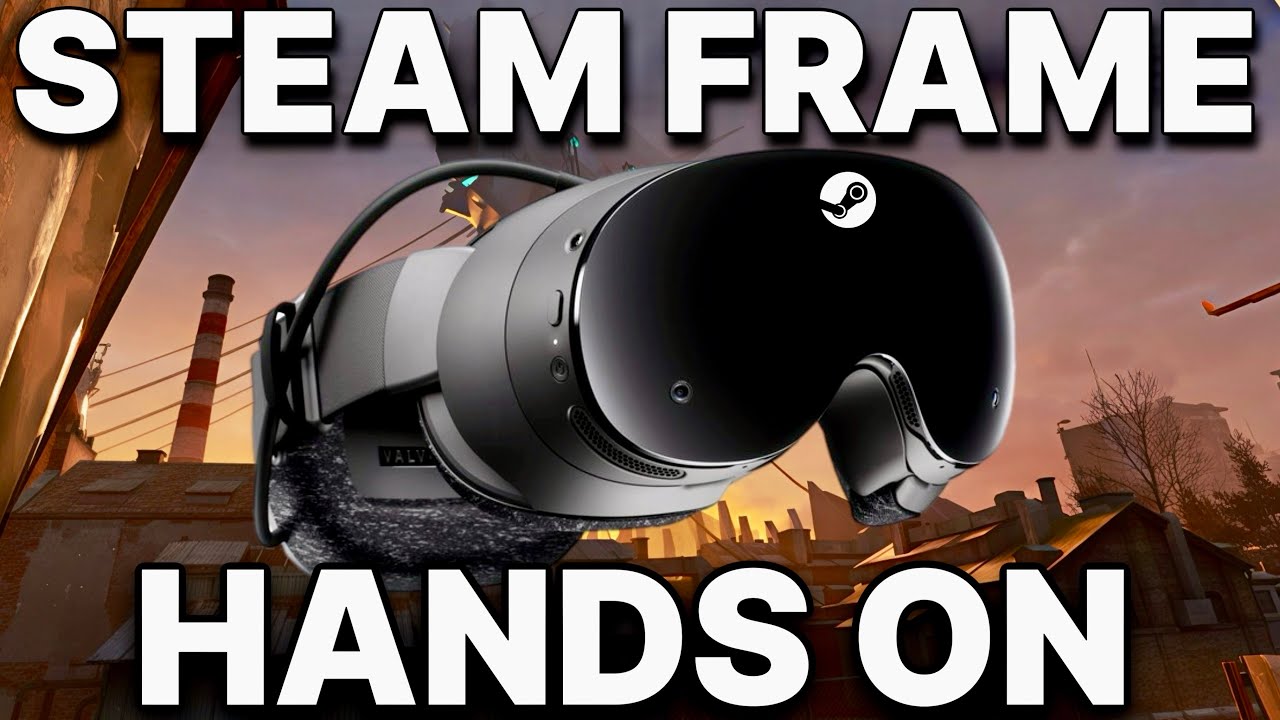
The RAM crisis is not just a Valve problem. It is an industry-wide issue that will shape the pricing and availability of every piece of consumer electronics that relies on high-bandwidth memory. Samsung's Galaxy Glasses, Apple's upcoming smart glasses, and the next generation of Quest hardware all need the same types of components. If the shortage persists through the rest of 2026, every major XR hardware launch this year could face similar delays or price increases.
For developers, the uncertainty creates a planning problem. If you are building a standalone VR game and targeting the Steam Frame Verified label, you need the hardware in your hands to optimize against. Every month the launch slips is another month of blind optimization based on spec sheets and emulators rather than real devices.
Valve has not announced a specific launch date or price. What we know is that the hardware is real, the hands-on impressions from journalists who visited Valve HQ have been overwhelmingly positive, and the company is clearly preparing for a launch. Whether that happens this summer or later in the year depends on forces that extend well beyond Valve's control.
We will update this article when Valve announces pricing and availability. For a full spec breakdown and feature overview, see our earlier coverage: Steam Frame Is Still Coming: Everything New Since the Announcement.
Correction, October 7, 2026: This article said Valve acknowledged in April that the RAM and storage shortage was causing it to revisit its shipping schedule and pricing. Valve said so on February 4, 2026, in its Steam Hardware launch timing post, the same post that kept its goal of shipping in the first half of the year.
Advertisement