
When Valve officially announced the Steam Frame in November 2025, it immediately became the most anticipated VR headset since the original Quest. A standalone VR headset from the company behind Half-Life: Alyx and SteamVR, running SteamOS, with specs that match or beat everything else on the market. Five months later, here is where things stand.
HardwareApril 14, 2026
Steam Frame Is Still Coming. Here's Everything New Since the Announcement.
By Alex Reeves
Staff Writer, VR.org
Advertisement
The specs are serious
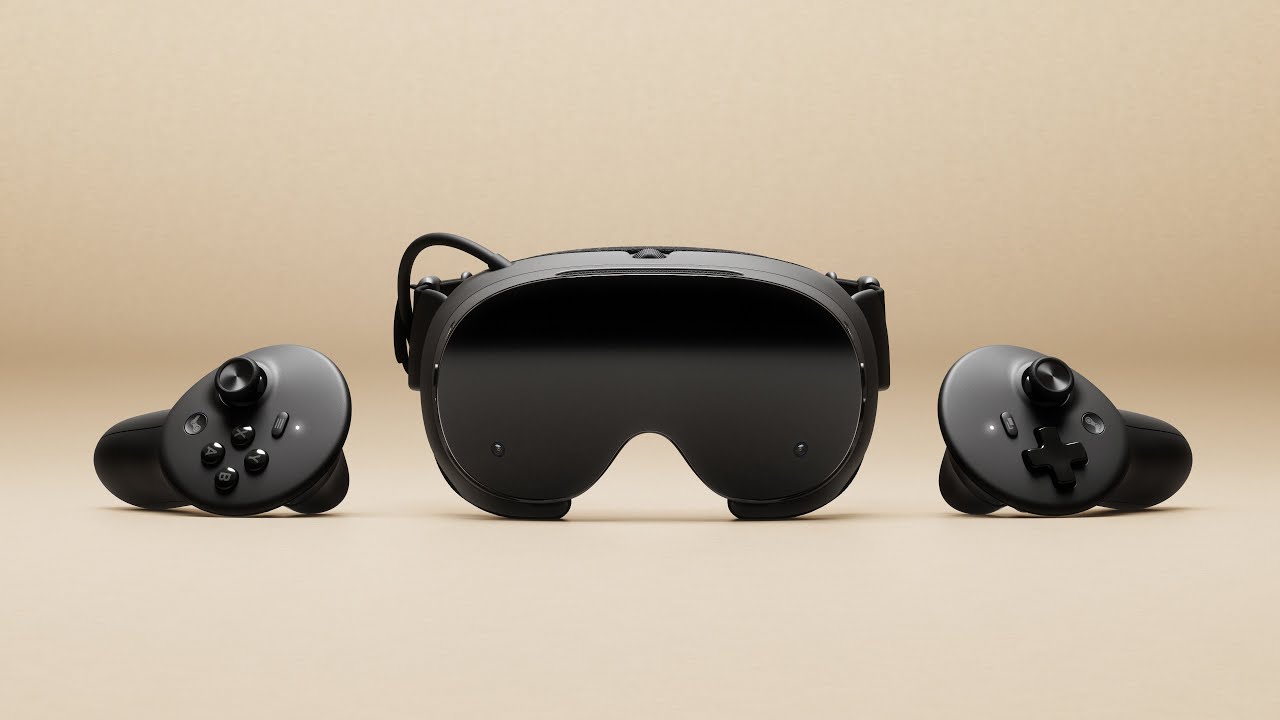
The Steam Frame weighs 185 grams for the base unit. With the battery, strap, and facial interface attached, it comes to around 440 grams total. For reference, the Meta Quest 3 is heavier. This would make the Steam Frame the lightest full-featured standalone VR headset available.
The display runs dual 2160x2160 LCD panels per eye with refresh rates of 72, 80, 90, 120, and an experimental 144Hz mode. The processor is a Qualcomm Snapdragon 8 Gen 3 paired with 16GB of LPDDR5X RAM, which is double what the Quest 3 offers. Storage options are 256GB and 1TB. Eye tracking is included and used for foveated rendering and streaming optimization. Controllers use TMR (tunneling magnetoresistance) thumbsticks, which Valve says are more precise than the Hall Effect sensors in Quest controllers.
On paper, this is a better headset than the Quest 3 in almost every measurable category.
What changed since March
At GDC 2026, Valve introduced the "Steam Frame Verified" program with specific hardware targets. Games need to hit 90 FPS to receive verification for standalone play. That is a clear line in the sand and it gives developers a concrete performance target to build against.
Valve also reconfirmed that all three of their new hardware products, the Steam Frame, Steam Machine, and Steam Controller, are shipping in 2026. The original first-half timeline has been complicated by global RAM and storage shortages that forced Valve to delay pricing announcements in February. The headset appears to still be on track for a 2026 release, though Valve has not committed to an exact date.

The operating system question
Steam Frame runs SteamOS, which is Arch Linux-based. That means it natively runs Linux games, uses Proton for Windows game compatibility (the same translation layer that makes the Steam Deck work), and FEX-Emu for x86 emulation on the ARM-based Snapdragon chip. Valve is also supporting native ARM64 builds and Android APKs.
This is a different approach from Meta's Android-based Horizon OS. Valve is betting that SteamOS and the Steam ecosystem provide enough software to justify an alternative platform. Given that SteamVR already has the largest library of PC VR games, and the Steam Deck proved that SteamOS can handle gaming at scale, the bet is not unreasonable.
The open question is how well Proton handles VR-specific workloads at 90+ FPS on mobile hardware. Steam Deck proved the concept for flat games. Steam Frame needs to prove it for VR, where frame drops are not just annoying but physically uncomfortable.
Pricing uncertainty
Valve has said the Steam Frame will be cheaper than the original Valve Index, which launched at $999. Industry estimates range from $500 to $800, though some reports suggest pricing closer to $1,200. Until Valve makes an official announcement, pricing remains the biggest unknown.
If Valve hits the $500 to $600 range, they are competing directly with Quest 3 on price while offering superior specs. Above $800, they are positioning the Steam Frame as a premium alternative that needs to justify the cost difference. The pricing decision will shape who this headset is for and how aggressively it competes with Meta's installed base.
What to watch for
The next few months will determine whether Steam Frame becomes a serious competitor or a niche enthusiast device. The verification program at GDC shows Valve is thinking about ecosystem health, not just hardware specs. Developer support, game compatibility, and the reality of Proton performance under VR workloads are the variables that will matter most.
Valve has earned the benefit of the doubt. The Steam Deck was a hardware success built on smart software decisions. If they apply the same approach to VR, the Steam Frame could be the first real alternative to Meta's dominance in standalone VR. The specs say it should be. The execution will determine if it actually is.
Advertisement