
The Steam Controller sold out today within the first hour of launch. The story most outlets are running is about scarcity, scalpers, and Valve underestimating demand for a $99 gamepad. The story I find more interesting is what that demand says about the Steam Frame.
XrMay 4, 2026
The Steam Controller Sellout Is the Most Useful Demand Signal We Have for Steam Frame
By Alex Reeves
Staff Writer, VR.org
Advertisement
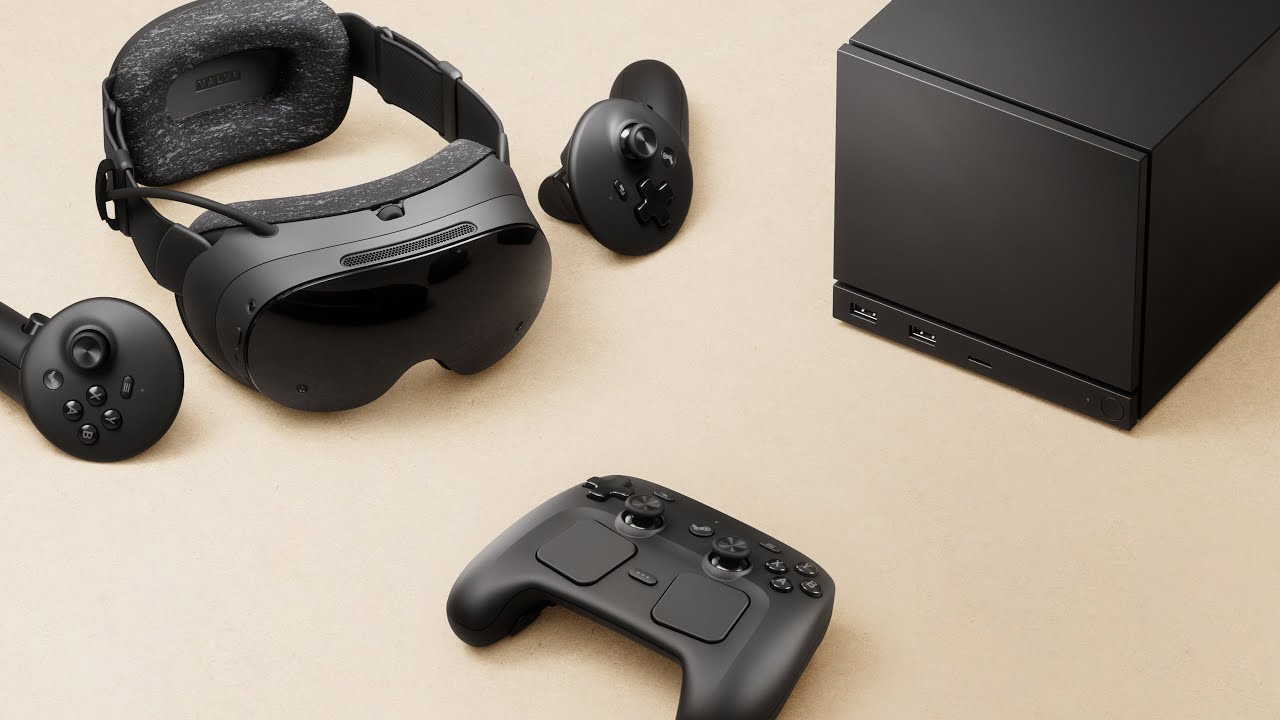
The Frame is Valve's upcoming standalone VR headset. It has been previewed, store-paged, and dated to "later this year" with all the usual Valve vagueness. We know roughly what it does: PCVR streaming over a dedicated wireless dongle, native standalone games on a custom Linux build, premium pricing somewhere in the four-figure range. What we have not had until today is a clean read on whether the appetite for Valve hardware is strong enough to support a third hardware launch after the Deck's success and the Index's quieter run. As of about 11 AM Pacific, we have a much better read.
The controller is the cheap proxy for the headset
At $99, the new Steam Controller is the lowest-friction way for a buyer to bet on Valve's hardware comeback. It does not require a new GPU. It does not require a thousand dollar headset purchase. It does not require space in a play area or a willingness to wear a face computer. It is a gamepad, and it works with any Steam library a buyer already owns. The barrier to a yes is about as low as a Valve hardware product has ever been.
That low barrier is exactly what makes the sellout meaningful as a demand signal. The buyers who jumped on this controller were not all PC enthusiasts deciding between a Logitech and an Xbox pad. A meaningful slice of them were PCVR users, Index owners, Steam Deck fans, and Steam loyalists whose willingness to spend on a Valve hardware product is the same willingness that the Frame will eventually need to convert.
Valve baked the link in
This is not a coincidental connection. Valve has been clear that the new controller is the primary input device for the Steam Frame in non-VR mode, the so-called "big screen" experience where you sit on your couch with the headset on and play your library on a virtual wall-sized display. The controller's Grip Sense feature, which uses capacitive zones on the rear handles to activate the gyro based on grip pressure, was not designed for couch PC gaming alone. That kind of grip detection makes immediate sense in a hand presence context where the system needs to know whether the user is actively engaging the controller or has set it down on a knee.
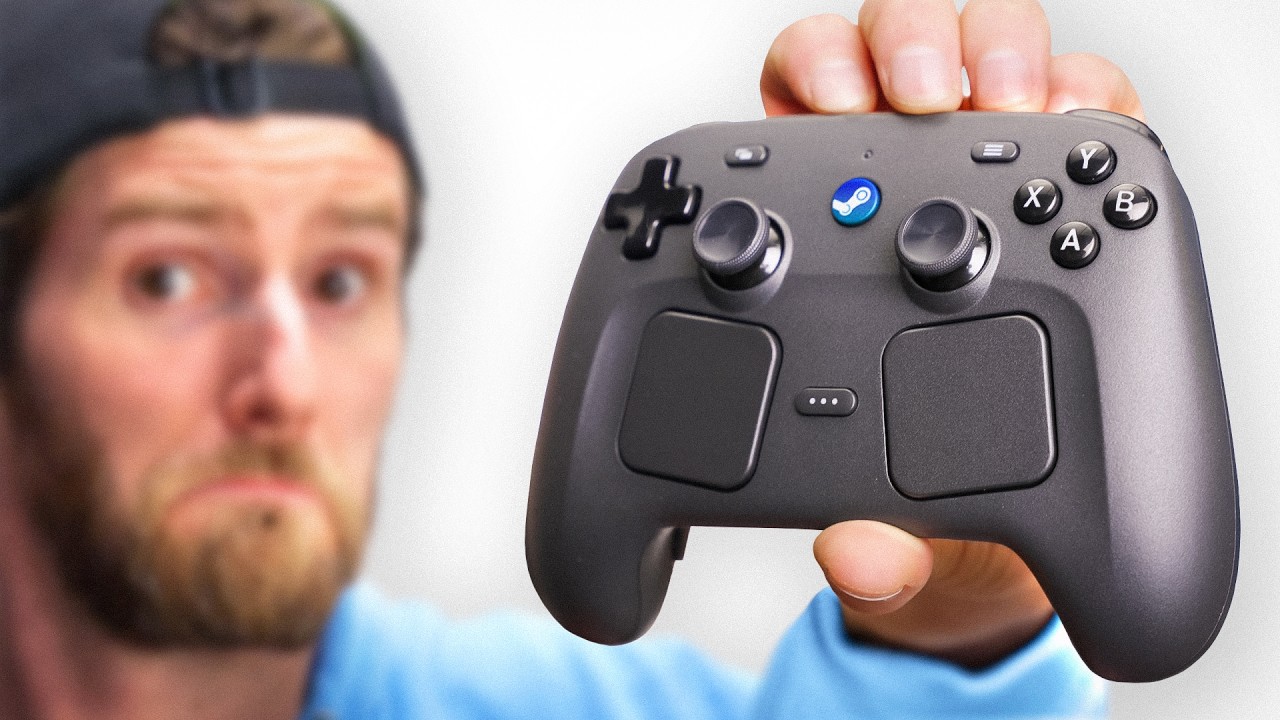
The 8-millisecond wireless latency, the high-definition haptic motors, the four rear paddles that can be remapped per game, and the long battery life are also the spec sheet of an input device that has to keep up with VR-grade reaction windows. None of these features are wasted on conventional gaming. All of them are necessary for the Frame.
Advertisement
By shipping the controller first, Valve has put the input device into the wild months before the headset arrives. When the Frame launches, it will land in homes where the controller is already familiar, where Steam Input customizations are already learned, and where the haptic vocabulary has already been tuned for individual games. That is platform foundation work. The Switch shipped with the Joy-Con concept already established in part by the Wii U Pro and Wii Remote ergonomics. The Vision Pro shipped with no controllers at all and has paid for that decision in software adoption ever since. Valve is doing it the other way around. Input first, headset second.
What the sellout actually proves
Be careful with this. A launch sellout proves two things: that demand exists at the launch quantity, and that Valve underestimated it. It does not prove the demand is durable, and it does not prove that appetite for a $99 controller scales to a likely $700 to $900 headset. The Steam Controller is impulse-priced. The Frame will not be.
What the sellout does prove is that the Valve brand still moves hardware at speed when the product is interesting. After the Index settled into a slow, steady-burn niche role and the Steam Machines died out a decade ago, there was a real question about whether Valve hardware launches could still command broad attention from the PC gaming audience. Today's launch answers that question. Yes, they can.
The order matters
Selling the Frame first would have been the obvious play. Hardware launches almost always start with the marquee product, and Valve has built up a year of press and previews around the Frame specifically. The decision to lead with the controller instead, partly because of supply constraints on the larger products and partly because the controller is the foundation of the input story, looks better today than it did yesterday.
The controller has now done its job. It has demonstrated that there is a meaningful market for the Steam hardware ecosystem in 2026, and it has put that ecosystem's primary input device into the hands of the customers who will be the first to seriously consider the Frame when preorders open. Whether the Frame can convert that goodwill into a successful headset launch is a separate question, and the answer to that one will arrive in the second half of this year. But today's sellout makes me considerably more confident that when the Frame's preorders go live, the same alarm clocks will be set.
Advertisement