
Google used today's Android Show: I/O Edition to lay out where Android XR goes next. The event, streamed a full week before Google I/O on May 19, covered everything from Android 17 to Googlebooks, but the XR announcements were the ones that mattered most for this space. Here is what developers and consumers need to know.
XrMay 12, 2026
Everything XR Google Just Announced at The Android Show
By Jordan Kuo
Staff Writer, VR.org
Advertisement
Galaxy XR Gets Three Major Software Updates
Samsung's Galaxy XR headset, which launched at $1,799 last month, received three notable software updates announced during the show. PC Connect lets users wirelessly link a Windows PC to the headset and pull desktop windows into spatial view alongside native Android XR apps. Travel Mode stabilizes the display for use on airplanes, turning the headset into a private multitasking and entertainment station during flights. Likeness generates a realistic digital avatar that mirrors your facial expressions and head movements in real time for video calls.
These updates address three of the biggest complaints about first-generation XR headsets: limited productivity without a PC, motion instability on the go, and the awkwardness of video calls where the other person sees a blank visor. None of them are revolutionary individually, but together they make the Galaxy XR significantly more practical as a daily device.
Two Tiers of Smart Glasses
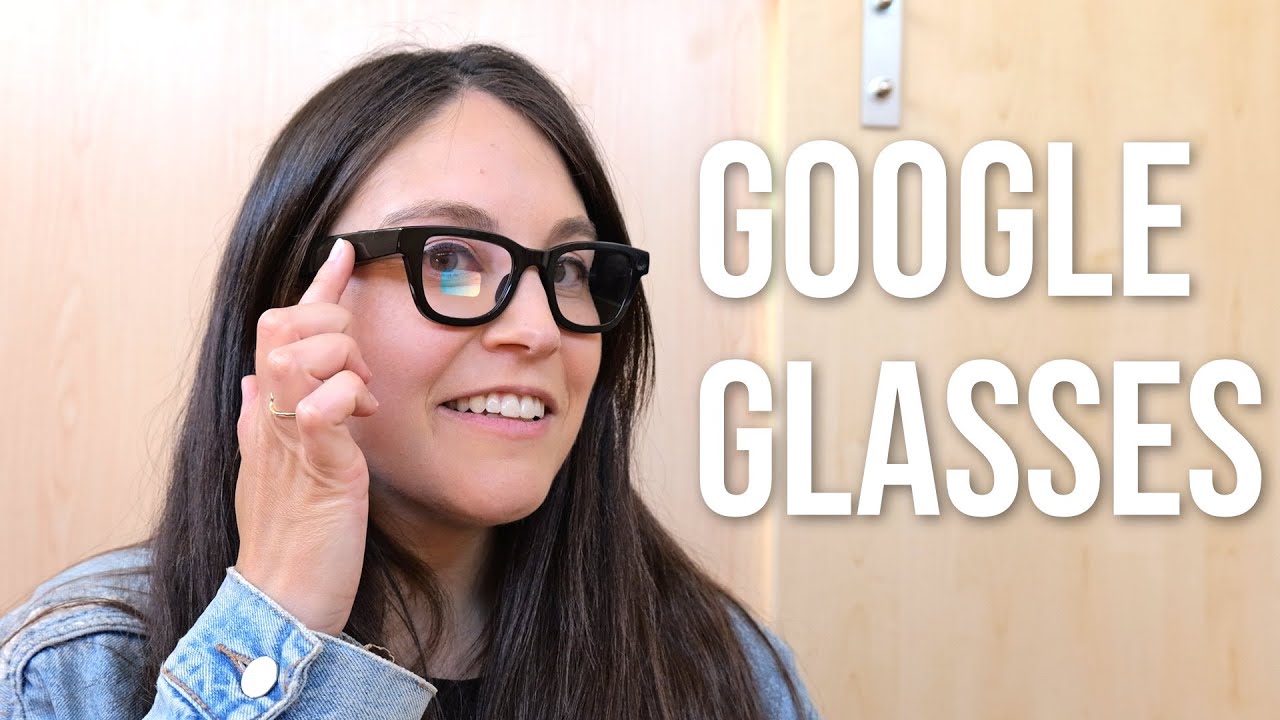
Google formalized what leaks have been suggesting for months: Android XR glasses will ship in two distinct categories. The first tier is AI glasses designed for screen-free assistance. These use built-in speakers, microphones, and cameras to let users interact with Gemini, take photos, and receive contextual help about their surroundings. No display, no visual overlay. Think of these as Google's direct answer to the Ray-Ban Meta.
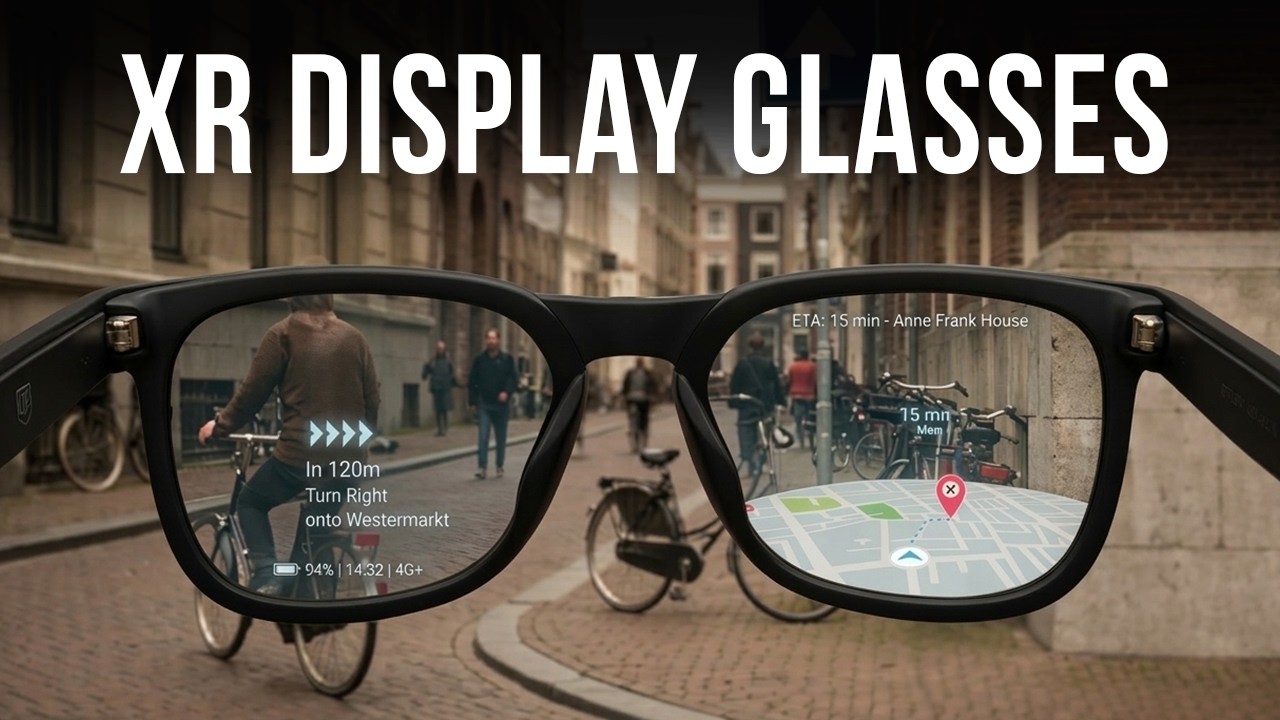
The second tier is display AI glasses, which add a transparent in-lens display capable of showing turn-by-turn navigation, live translation captions, notifications, and contextual information directly in the wearer's line of sight. This is where the technology gets genuinely interesting for developers, because an always-available heads-up display opens interaction patterns that audio-only glasses simply cannot match.
Fashion Partners Are Piling On
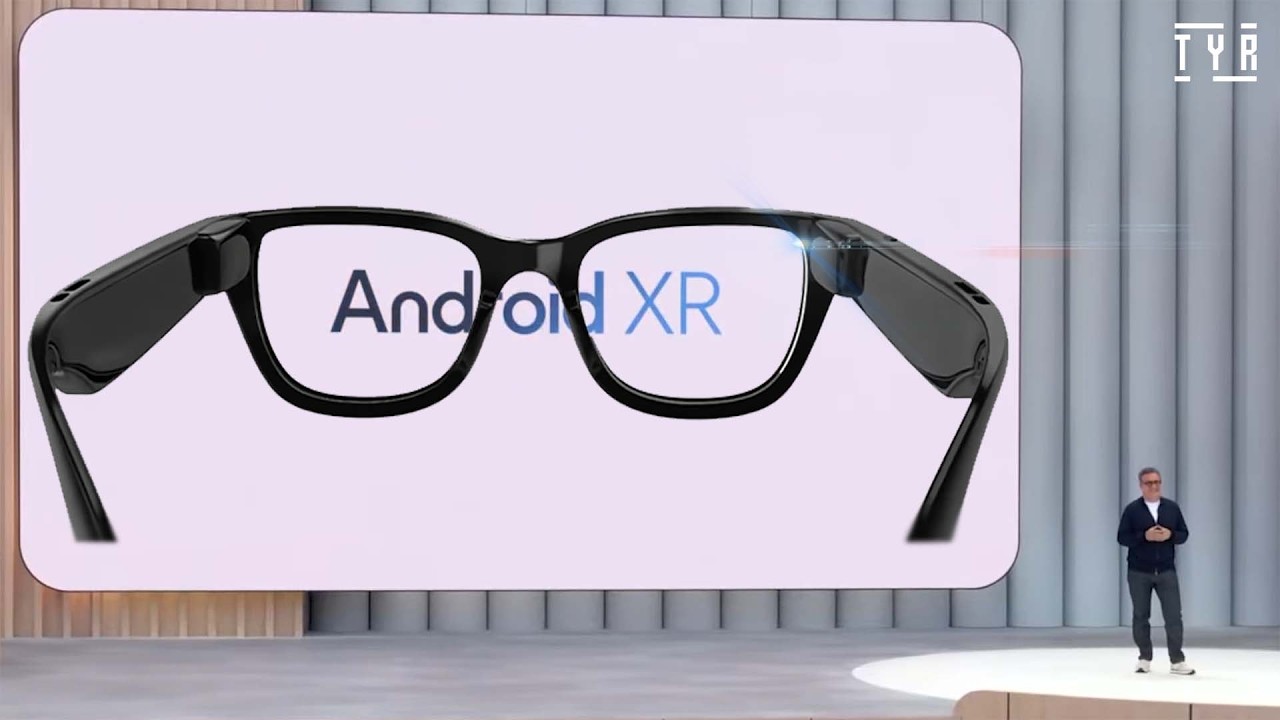
Google confirmed that Samsung is working with Gentle Monster and Warby Parker to design the first consumer Android XR glasses. Both brands are focused on making the hardware look like normal eyewear rather than a tech prototype. Samsung's own Galaxy Glasses, codenamed Jinju, are expected to launch in 2026 as audio-only AI glasses priced between $379 and $499. A second pair codenamed Haean, featuring a micro-LED display, is reportedly targeting 2027 at $600 to $900.
The bigger surprise is Gucci. Kering CEO Luca de Meo confirmed the luxury house is building Android XR glasses with Google for a 2027 launch. That makes Gucci potentially the first major luxury fashion brand to enter the AI eyewear market, placing it in direct competition with EssilorLuxottica's Ray-Ban Meta partnership. Google is clearly trying to pull the category upmarket, positioning smart glasses as a fashion accessory first and a gadget second.
Gemini Intelligence Ties It Together
Across the broader Android Show, Google introduced Gemini Intelligence as its new branding for premium AI features running on advanced Android devices. For XR, this means the same Gemini system powering phone features like Rambler (which cleans up speech-to-text by removing filler words) will also run on glasses. The promise is a unified AI layer across phones, watches, cars, laptops, and eyewear, all sharing context and capabilities.
For developers building on Android XR, this matters because it means user context can flow between a phone in the pocket and glasses on the face without requiring separate integrations. The Jetpack Projected APIs announced at the earlier Android XR SDK Developer Preview 3 are the building blocks for this, letting phone apps push lightweight XR experiences to connected glasses.
The High End: Project Aura
XREAL's Project Aura remains the most ambitious device in the Android XR ecosystem. It is an optical see-through headset (not camera passthrough) with a 70-degree field of view, built on Qualcomm silicon, and tethered to an external processing puck. It won a CES Innovation Award in January and is still targeting a 2026 launch. Google did not share new Project Aura details today, but its position as the premium tier of the Android XR hardware spectrum is clear.
What Comes Next
Google I/O kicks off on May 19, and the company has confirmed that Android XR glasses will get additional stage time there. Expect hands-on demos and potentially more hardware reveals. Between the Galaxy XR headset updates shipping now, Samsung Galaxy Glasses arriving later this year, and display glasses from multiple partners in the pipeline, the Android XR ecosystem is moving from concept to product faster than many expected.
The full Android Show is available to rewatch on the Android YouTube channel.
Advertisement