
The Android XR platform's first real test was never going to be the launch. It was going to be the second update. October's Galaxy XR launch shipped a polished build of an OS that had been in development for years, and the early reviews reflected that. April's auto-spatialization update was the first time Google had to ship meaningful new functionality into a live $1,799 product, and it shipped a memory leak with it. Three weeks later, the cleanup has finally arrived.
XrMay 11, 2026
Google's Galaxy XR Memory Leak Fix Is Finally Live. Here Is What It Patches, and What Still Slips Through.
By Jordan Kuo
Staff Writer, VR.org
Advertisement
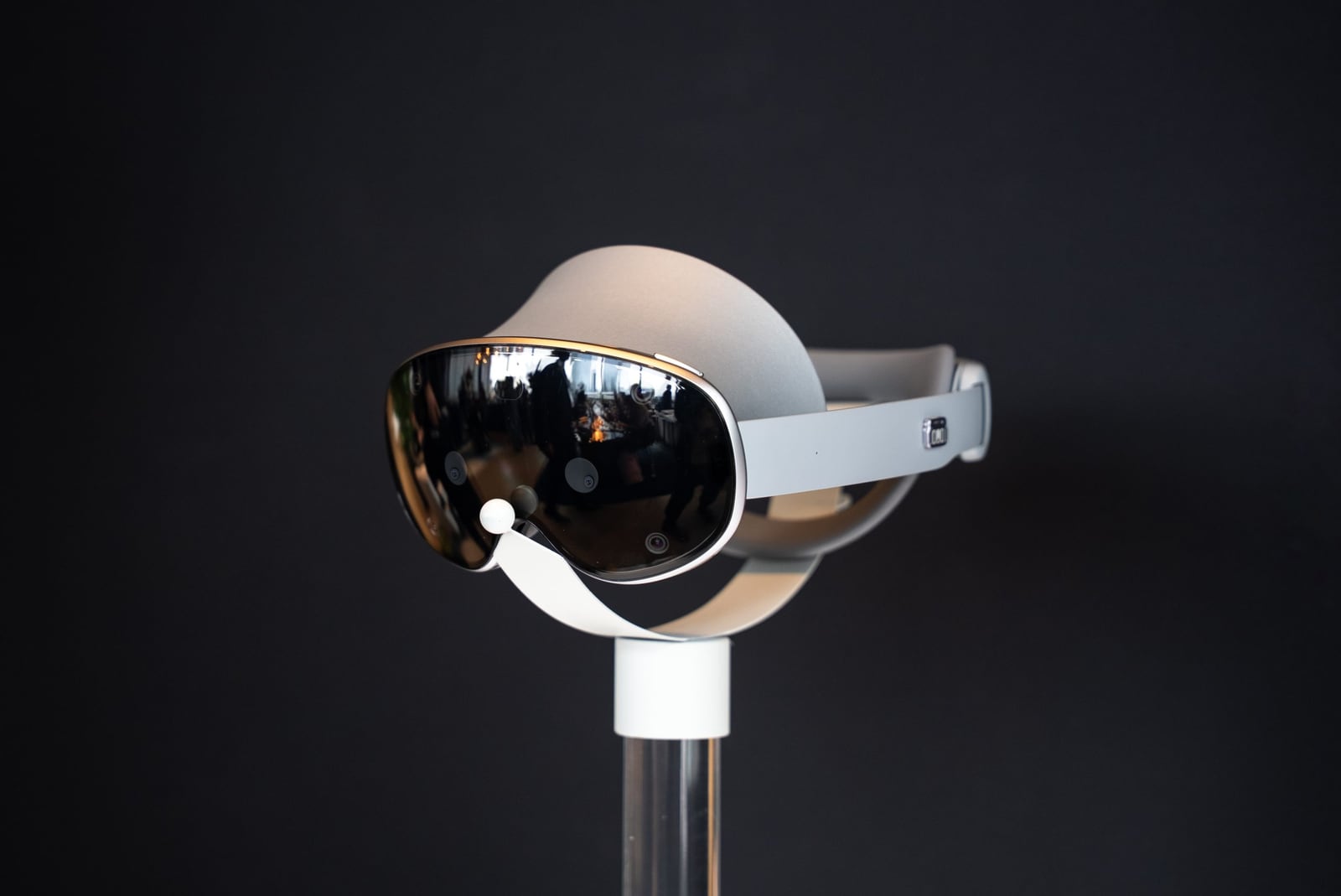
Update vI610UEU2AZD8 is rolling out to Galaxy XR headsets this week. Google's release notes describe it as a series of system stability and performance optimizations, which is the kind of language that usually translates to we found the bug, we fixed the bug, please stop emailing us. In this case the bug was the one users had been documenting on Reddit since the April patch: a steady performance decay that started smooth, slid into stuttering frames and unreliable tracking after roughly 20 to 30 minutes of use, and ended with a reboot. The pattern was a textbook memory leak, and the fix appears to have addressed it.
What the fix actually does
The first wave of post-update reports has been positive in the way that matters most. The slow degradation is gone. Tracking holds up across multi-hour sessions, frame rates stay where Android XR's compositor expects them, and the thermal envelope behaves. Users who were rebooting on a 30-minute timer to clear out a runaway process can now do what a headset is supposed to do, which is be left on.
That is the headline, and it matters more than it sounds. A memory leak that forces a reboot every half hour does not just inconvenience users. It poisons the developer story. Studios building for Android XR right now are looking at the platform's reliability data, not just its install base, and a flagship device that needs babysitting is a reason to ship to Meta first and Android XR second. Google has spent the last six months telling developers that Android XR is going to be the open platform that finally breaks Meta's grip on the VR market. A flagship that cannot stay running for an hour is not a great proof point for that argument.
What still slips through
The picture is not entirely clean. The first batch of post-update reports already includes a few new complaints, and they fit the pattern of what happens when a stability fix lands in a hurry. Some users are reporting that Virtual Desktop sessions now show garbled frames when the cursor moves quickly, which suggests the fix touched something in the compositor's frame buffer handling and did not quite stick the landing. A smaller cluster of reports mentions occasional hard crashes on app launch, which feels like a separate issue but is hard to disentangle until more telemetry comes in.
Advertisement
None of those are showstoppers in the way the memory leak was. The headset is usable, the platform is back on its feet, and Google has the diagnostic data it needs to chase the residual bugs in the next monthly drop. But the secondary issues are a useful reminder that hotfixes are hotfixes. They are surgical patches against a specific symptom, not full regression sweeps, and they tend to introduce smaller bugs in the process of squashing larger ones.
What this says about the platform
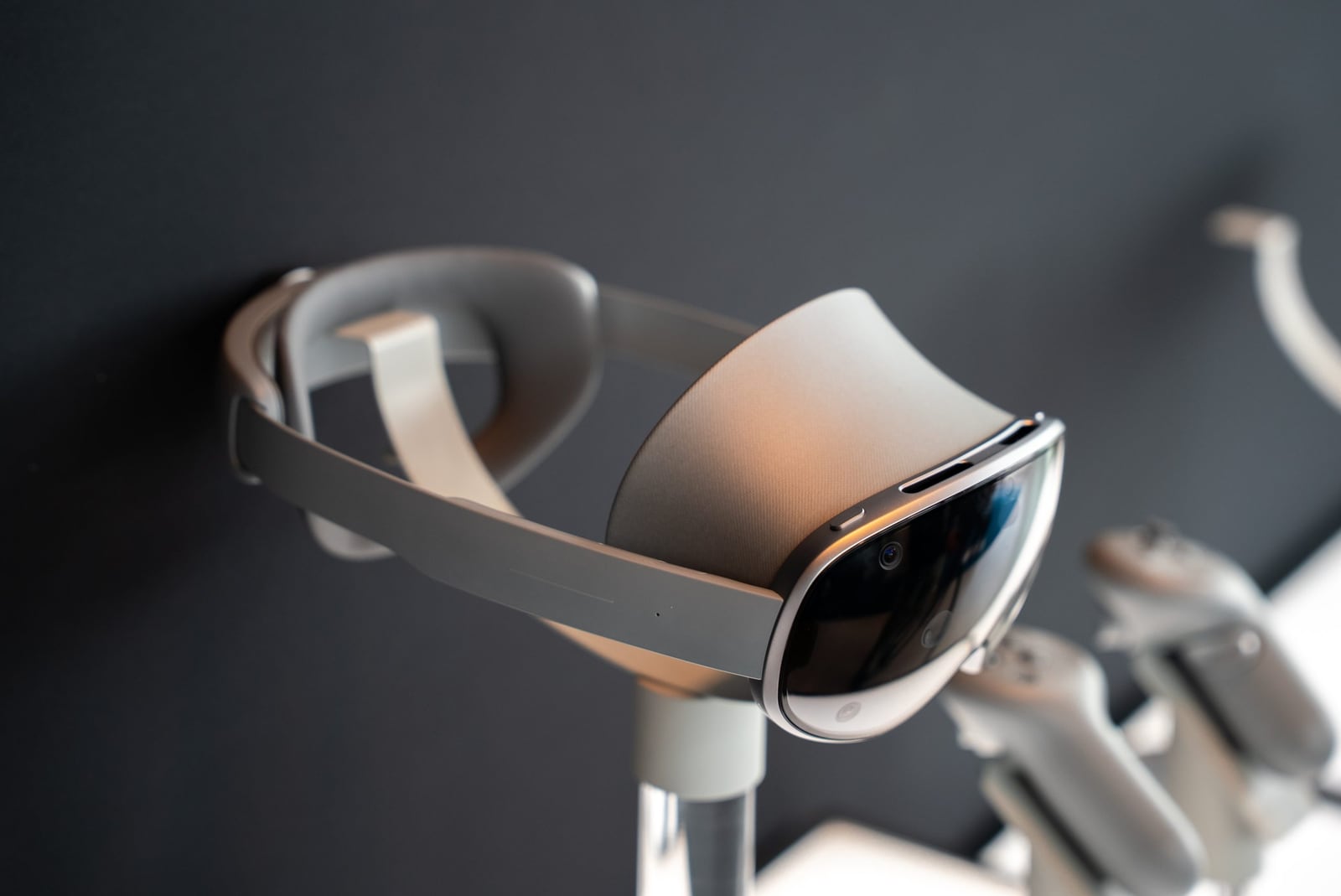
The honest read on this whole episode is that Android XR is now operating on the same update cadence as the rest of the Android ecosystem, with the same tradeoffs. Monthly system updates, occasional regressions, hotfixes that take two to three weeks to ship, post-fix bugs that get cleaned up in the following drop. Android phones have been doing this for fifteen years, and the muscle memory at Google is built around it.
That is good news for developers, who have spent the last decade learning how to ship into that cadence, and it is mixed news for users coming over from the Meta side of the fence. Quest's update model is tighter, more controlled, and produces fewer surprises in both directions, because Meta owns the entire stack and ships only when the entire stack is ready. Android XR is going to feel more like the Wild West by comparison, with faster iteration, more visible breakage, and more public bug threads. Some users are going to love that and some are going to bounce back to Quest the first time they have to wait three weeks for a hotfix.
The Google I/O keynote next week is going to feature a lot of forward-looking talk about Android XR glasses, the SDK roadmap, and the rest of the platform's growth story. The Galaxy XR memory leak episode is probably not going to come up on stage. It should. The way a platform handles its first real shipping mistake is more revealing than any of its launch demos, and on that test Android XR did not fail. It moved slower than anyone wanted, it left a few residual scuffs, and it eventually shipped the fix. That is what running a platform looks like.
What developers should take from this
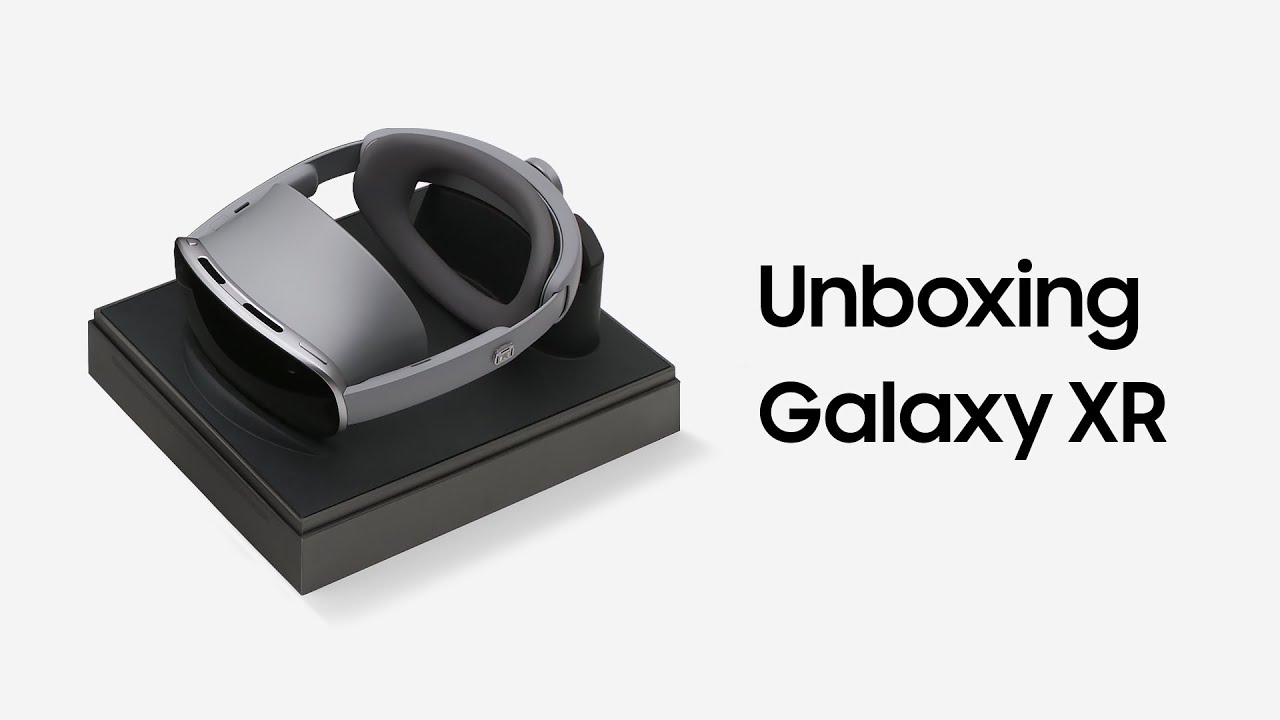
For studios watching Android XR from the sidelines and deciding whether to commit engineering time, the practical takeaway is that Google's update infrastructure works. Slowly, publicly, with friction, but it works. The April regression got triaged, the fix got built, the fix got shipped, and the headset is back to baseline. That is the floor for a credible platform, and Android XR cleared it. The ceiling is whether Google can tighten its QA pipeline enough that the next over-the-air update does not introduce another flagship-breaking bug, and that is the question I/O will not answer. The next monthly update will.
For now, if you own a Galaxy XR and have been rebooting on a half-hour timer since mid-April, the update is in the system settings under Software Update. Pull it, run it, get on with whatever you were trying to do. The platform is back.
Advertisement