
For four days in Long Beach, the cameras followed the consumer story. Evan Spiegel walked the AWE USA 2026 main stage with Snap's next pair of Specs, Google laid out its Android XR roadmap, and the trade press spent the week arguing about whether smart glasses are finally ready for your face. That is the version of AWE that makes headlines. It is not the version that signs purchase orders.
EnterpriseJune 19, 2026
The AWE Headlines Went to Snap. The Auggie Awards Showed Where Enterprise XR Actually Makes Money.
By Sam Whitfield
Contributing Writer, VR.org
Advertisement
The clearer signal showed up on Wednesday night, when the Augmented World Expo handed out its 17th annual Auggie Awards. Strip away the keynote theater and look at who actually won the enterprise categories, and you get a much more honest map of where extended reality is making money right now. It is not on anyone's face at a coffee shop. It is bolted to a steel beam, a hospital workflow, and a chemical plant emergency drill.
Best Enterprise Solution went to a steel shop, not a metaverse
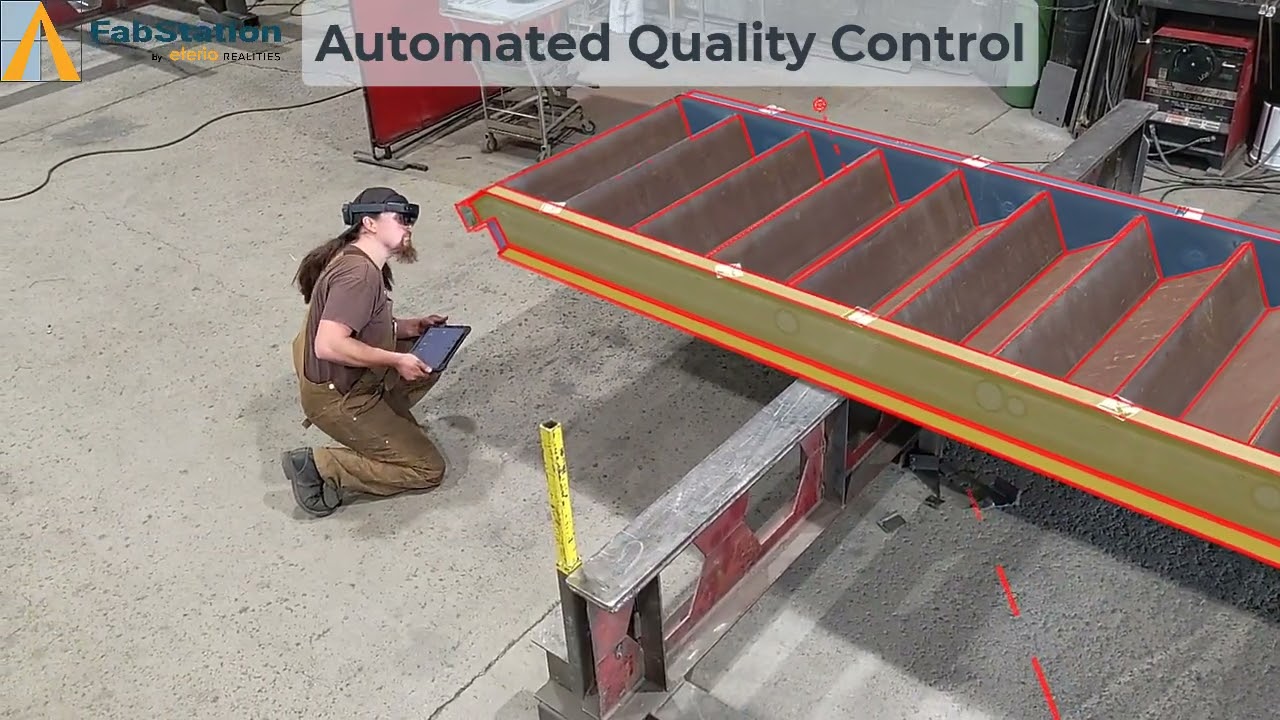
The headline enterprise win, Best Enterprise Solution, went to FabStation by Eterio Realities, an augmented reality execution layer for structural steel fabrication. The pitch is unglamorous and that is exactly the point. FabStation overlays a 3D model onto the physical workpiece so a fabricator can see what the finished assembly should look like before a single weld is laid, and inspect it against the model when the job is done.
The numbers are what move a procurement committee. Eterio cites accuracy down to 1.5 millimeters, more than 230 customers across over 30 countries, and a 75 percent reduction in fabrication errors. Nobody buys that because it is futuristic. They buy it because rework on a steel package is expensive, and a tool that catches the mistake on the shop floor instead of on the job site pays for itself fast. That is the entire enterprise XR thesis in one product.
The rest of the winners tell the same story
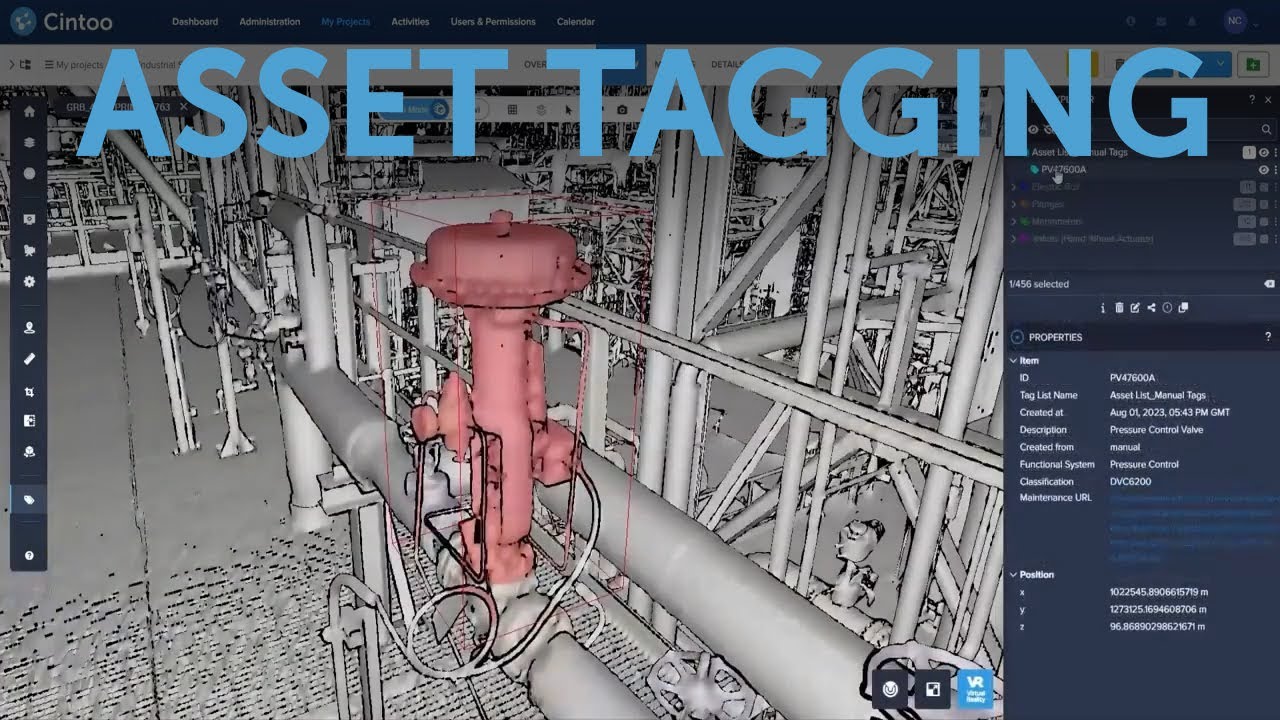
Look down the list and the pattern holds. Best Reality Capture, a new category this year, went to Cintoo VR Experience, which streams massive laser scan and BIM datasets so industrial teams can walk a facility at one-to-one scale or pull back to a dollhouse view without choking on file sizes. This is the boring plumbing of the digital twin, and it is where a lot of real budget lives.
Best Healthcare and Wellness Solution went to ARVIS, a hands-free augmented reality surgical guidance system for hip and knee replacement that puts navigation data in the surgeon's view without the staff and footprint of a full robotic rig. Best Education and Training Solution went to NICS Korea, a nationwide XR system for chemical incident and terror response with fixed centers, mobile units, and more than 80 scenarios for multi-agency drills. Different verticals, same shape: a specific, measurable job that XR does better or cheaper than the old way.
None of these will trend on social media. All of them have customers who renew.
The money backs the awards
The market data lines up with the trophies. Enterprise spending on AR and VR is on track to climb roughly 20 percent this year to about 12 billion dollars worldwide. Industry trackers put active enterprise XR deployments north of 4 million as of late last year, and three buckets, industrial maintenance, remote assistance, and surgical navigation, account for more than 60 percent of those use cases. Those are the same lanes the Auggie winners are racing in. The deal flow tells the same story, with last year's headline transactions running into the billions as established industrial software firms bought their way into spatial workflows.
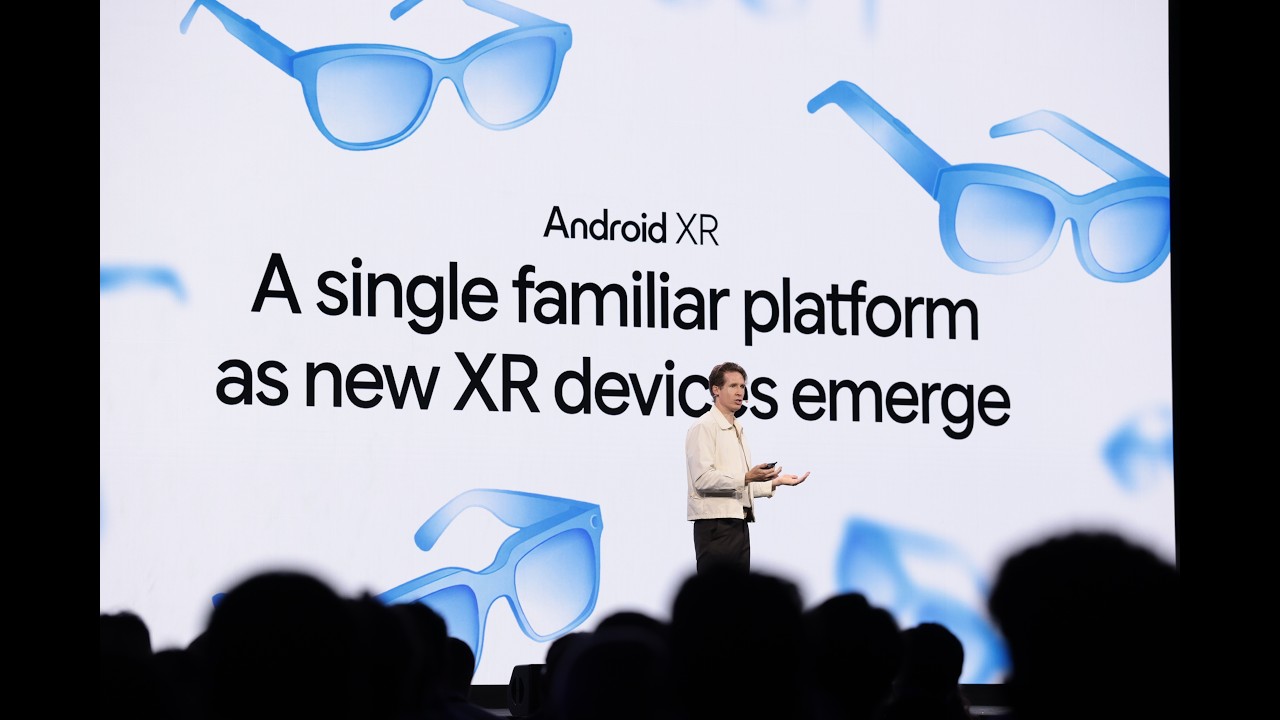
This is the gap enterprise buyers have to manage. The consumer glasses race is real and it matters for the long-term platform, but it runs on a different clock and a different risk profile. A fabrication shop, a hospital, or an emergency response agency cannot wait for the perfect pair of all-day AR glasses. They have a problem now, a budget now, and a vendor like FabStation or Cintoo that will show up with a deployment and a reference customer this quarter.
AWE's own enterprise track reflected that maturity, with more than 300 enterprises and government organizations on hand, names like Boeing, Toyota, Walmart, General Motors, and NASA among them. These are not pilots looking for inspiration. They are operators scaling deployments and comparing line items.
What to take from it
If you run an XR strategy inside a company, the Auggie list is a better shopping guide than the keynote highlight reel. The winning products share three traits worth copying in your own evaluation. They attach to a single high-value workflow rather than promising to transform everything. They report a hard metric, accuracy, error rate, time saved, that a finance team can check. And they run on hardware that already exists, whether that is a tablet, a headset, or a guidance device built for the operating room, instead of waiting on a device that ships someday.
Snap and Google will keep winning the week. The companies quietly collecting enterprise Auggies are winning the invoices. For anyone deciding where to put real money in the next budget cycle, that is the more useful place to look.
Advertisement