
Augmented World Expo opens its doors in Long Beach today, and for the next four days the spatial computing industry will gather under a banner that tells you exactly where the conversation has landed: 'I, Spatial: Humans Empowered by Spatial AI.' Most of the floor coverage you read this week will fixate on optics. Field of view, waveguide brightness, how close a pair of display glasses gets to looking like normal eyewear. Those things matter. But if you want to understand who actually wins the smart glasses platform race, look past the lenses and ask what chip is doing the thinking behind them.
ArJune 15, 2026
AWE USA 2026 Opens Today. The Real Smart Glasses Platform War Is Inside the Glasses, Not on Them.
By Jordan Kuo
Staff Writer, VR.org
Advertisement
The reason is simple physics. A pair of glasses has a power and thermal budget measured in single-digit watts, not the tens of watts a headset can dissipate across a head strap and a fan. You cannot bolt a phone-class processor onto someone's temple and expect it to run all day without cooking their face. Every meaningful capability on a modern AR or AI glasses product, from live translation to object recognition to a Gemini-class assistant that can see what you see, has to fit inside that budget. Silicon is not a footnote to the spatial AI story. Silicon is the constraint that decides which parts of the spatial AI story are even possible.
On-device AI is the new baseline
The phrase 'Spatial AI' implies an assistant that perceives the world in real time and responds without a noticeable beat. That requirement quietly rewrites the hardware spec. An assistant that has to ship every camera frame to a data center and wait for a reply is too slow, drains the battery, and raises obvious privacy questions about a camera strapped to your face streaming everything you look at. The answer the whole industry has converged on is on-device inference, which means the neural processing unit inside the glasses has to be fast enough to run useful models locally.
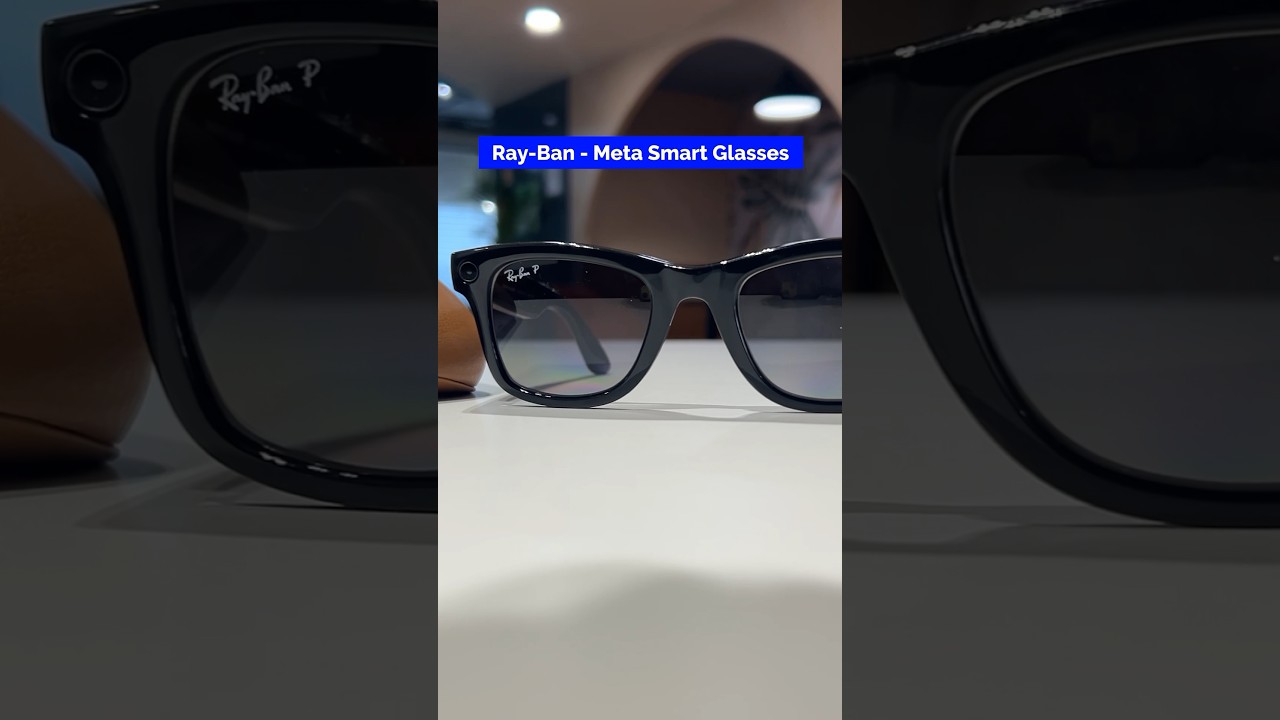
Qualcomm has spent the last two AWE cycles making exactly this argument. The Snapdragon AR1 Gen 1 was the first XR platform built specifically for glasses rather than headsets, and last year's AR1+ Gen 1 shrank the package while pushing local generative AI demos that ran on the glasses themselves with no phone tether required. That on-glass demo was a statement of direction. The future the company is selling is not a dumb display that mirrors your phone. It is a wearable that runs its own model, handles its own perception, and only reaches for the cloud when it genuinely needs to.
What this means for Android XR and the developers building on it
This is where the platform layer gets interesting. Android XR is designed to abstract away hardware differences so a developer can write once and target headsets, wired display glasses, and lightweight audio glasses from a shared toolkit. The recent SDK previews leaned into that with Jetpack Projected for reaching the sensors, speakers, and displays on glasses hardware, and Jetpack Compose Glimmer for building heads-up interfaces sized for a tiny field of view. That abstraction is genuinely good engineering, and it is the right call for an ecosystem trying to avoid the fragmentation that plagued early Android.
Advertisement
But abstraction has a floor. A developer can write portable code, yet the silicon tier inside a given pair of glasses still decides whether a feature actually runs. Real-time on-device translation, persistent world understanding, and a multimodal assistant that reasons about your surroundings are not free. They demand NPU headroom and memory bandwidth that the cheapest audio-only frames will not have. The likely outcome is a capability ladder, where the same Android XR app gracefully scales its ambitions to whatever chip it finds underneath. Building for that ladder, rather than assuming one uniform device, is going to be the quiet skill that separates good Android XR apps from frustrating ones.
The catch in betting the field on one chipmaker
There is a risk buried in all of this that the AWE keynotes will not dwell on. Look back at the names already in the race and notice how many share a supplier. Meta's Quest line, Samsung's Galaxy XR, XREAL's Project Aura, Snap's Specs, the coming wave of Android XR audio glasses, even Valve's streaming-first Steam Frame all lean on Qualcomm silicon to one degree or another. When a single company supplies the brains for nearly the entire field, it stops being a vendor and becomes the platform beneath the platforms. That is a remarkable position, and it is also a single point of failure. If Qualcomm's roadmap slips, everyone's roadmap slips with it. If the next chip is tuned around one marquee customer's needs, every other device inherits those priorities whether they fit or not. We already watched a component bottleneck reshape this market once this year, when the AI-driven memory shortage pushed prices up and launches back across headsets. Concentrated silicon is a quieter version of the same exposure.
It also flattens competition in ways that are easy to miss. When every manufacturer builds on the same reference platform, raw capability starts to converge, because the devices are all thinking with variations of the same brain. The contest then moves to the things silicon does not hand you: industrial design, software, comfort, and the ecosystem around the device. That is the real reason Apple's in-house chips and Pico's self-developed co-processor are worth watching. They are expensive bets that owning your own silicon buys a ceiling no shared roadmap can impose on you. For everyone else walking the AWE floor this week, that ceiling is whatever Qualcomm decides it is.
What I am watching this week
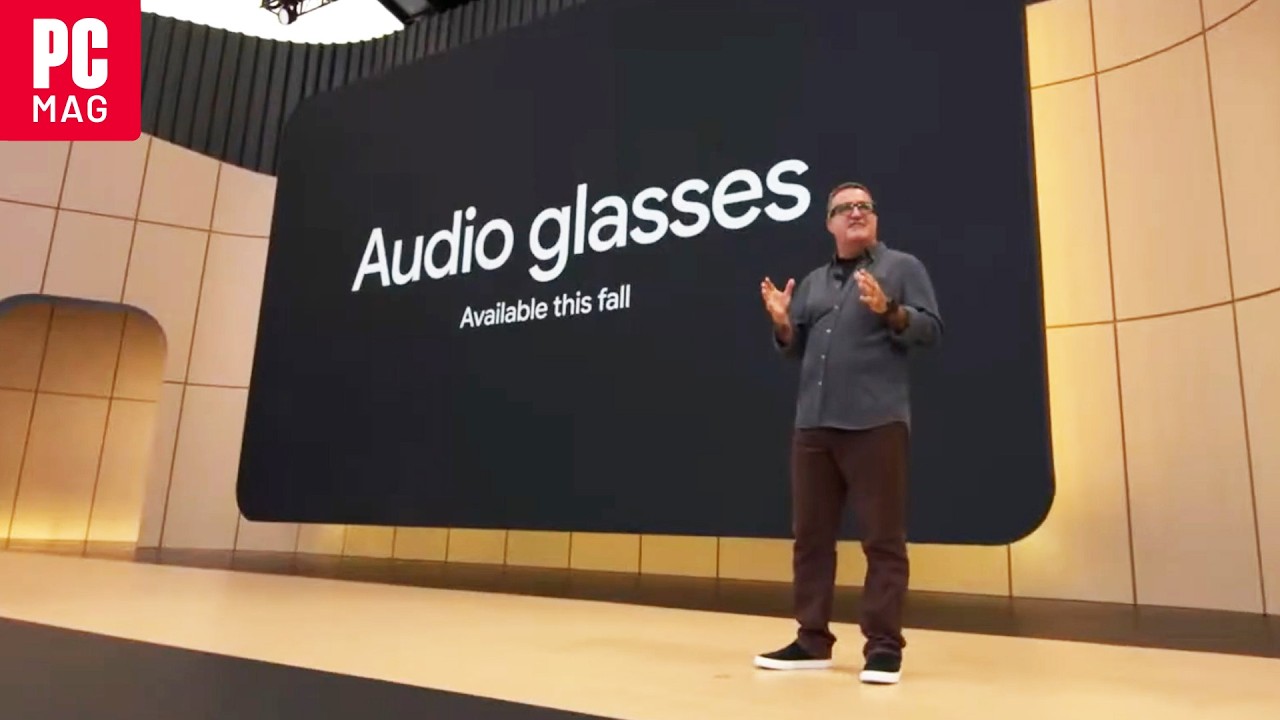
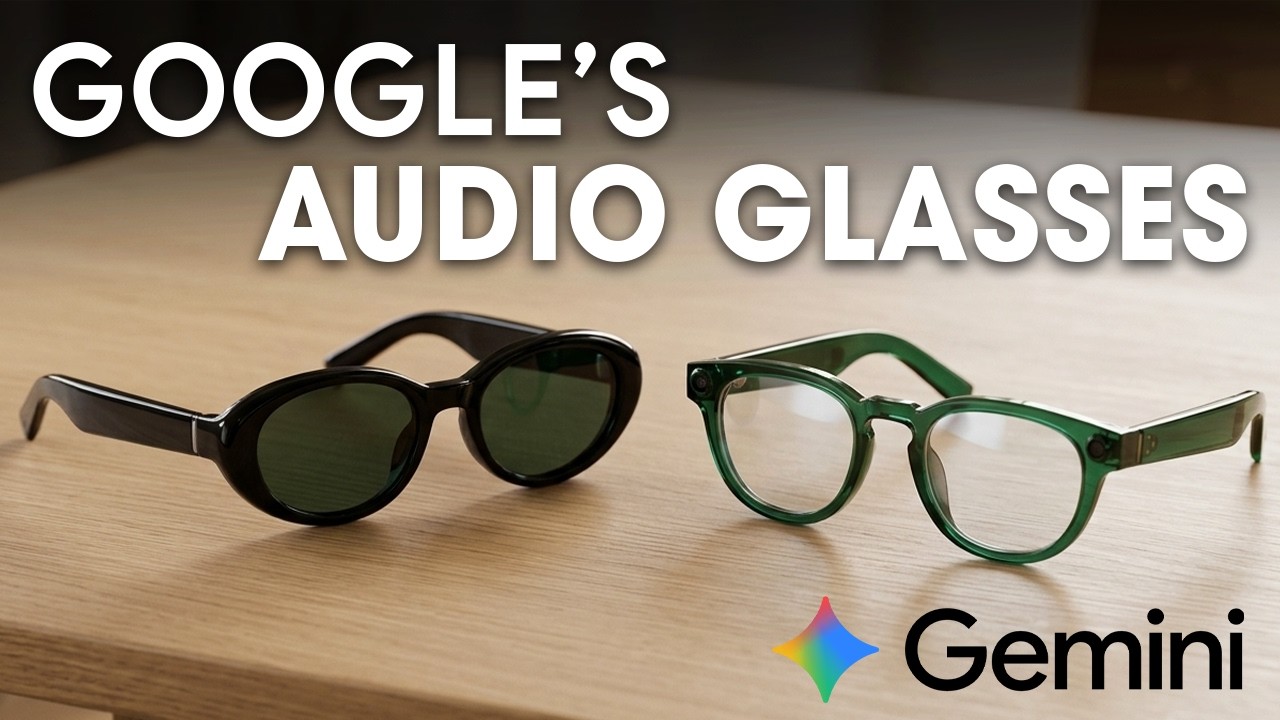
Qualcomm's XR keynote is on the schedule again, this time titled 'The era of personal AI and endless realities,' and it is the session I will be reading every recap of. Last year that stage gave us the AR1+ chip. The question for 2026 is whether the next generation of glasses silicon meaningfully raises the local model ceiling, because that ceiling is what determines how smart the fall wave of Android XR audio glasses can actually be. Google's first audio glasses arrive later this year, Samsung's display glasses are coming, and XREAL's Project Aura ships before the calendar turns. Every one of them lives or dies by the chip you never see.
So by all means, go try the glasses with the widest field of view on the AWE floor this week. Just remember that the spec sheet line that will age the best is not the one about the display. It is the one about the processor and how much intelligence it can run without a tether. That is the platform war, and it is being fought inside the glasses, not on them.
Advertisement