
The DuckDuckGo Paso Robles is a pair of sunglasses. Matte black frame, polarized lenses, UV400 protection, impact-resistant, hard case in the box. It costs $35. There is no battery in it, no camera, no microphone, no chip, and no charging port, because it is a pair of sunglasses.
ArAugust 1, 2026
DuckDuckGo's $35 Sunglasses Have No Battery, No Camera, and No Chip
By Nina Castillo
Staff Writer, VR.org
Advertisement
That is the whole product. It went on sale July 30 through Knockaround.
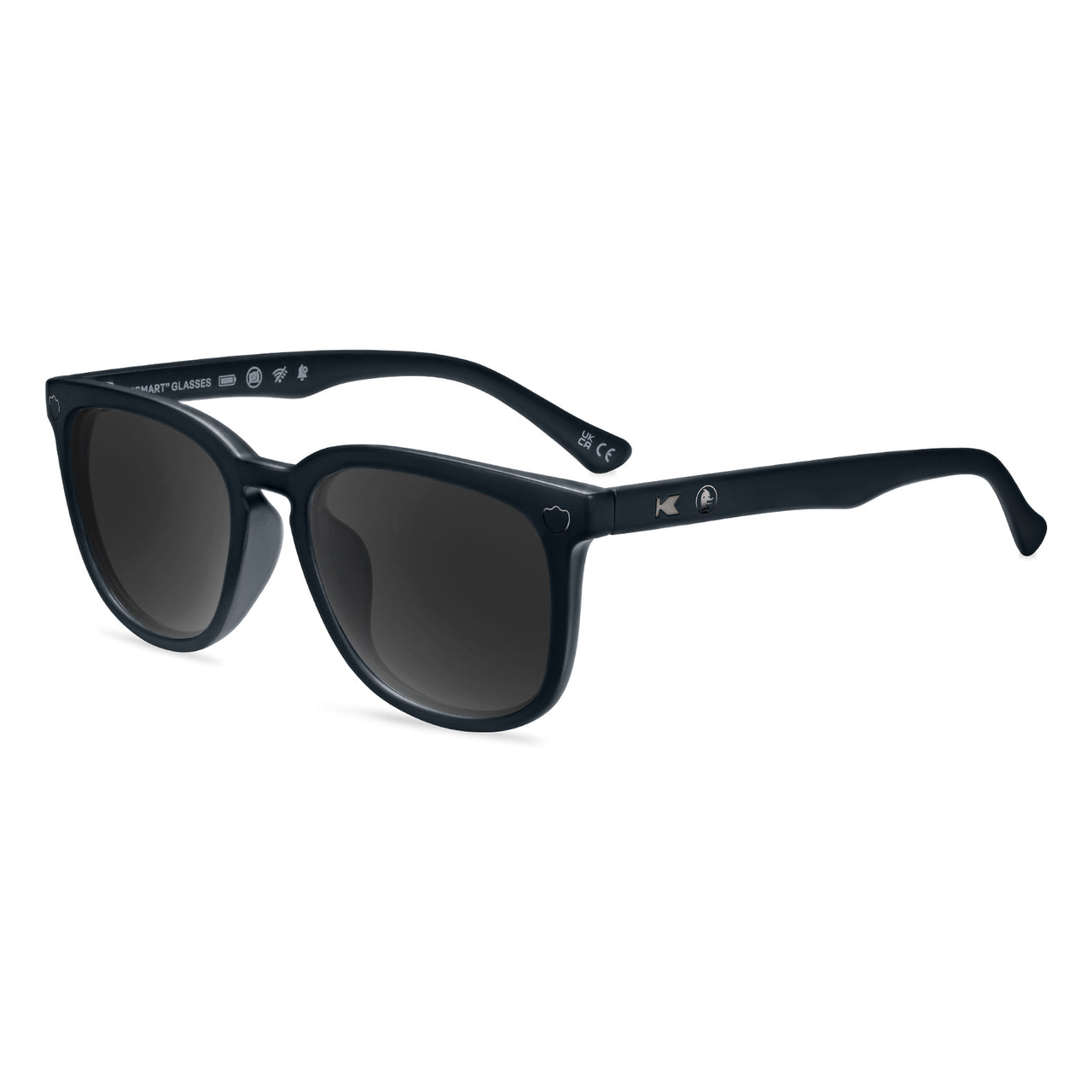
Look along the temple arm, where a real pair of smart glasses would carry its model number and its regulatory marks. It reads SMART™ GLASSES, followed by four small icons: a battery, a camera, a wifi symbol, a microphone. Every one of them is struck through. The joke is molded into the plastic rather than printed on the box, which is a nice touch.
DuckDuckGo has been shipping absence for a while
This is less of a swerve than it looks. In June the company launched noai.duckduckgo.com, a build of its search engine with the AI answers, the chat prompts and the AI-generated images removed. You could always get there by typing the subdomain, which nobody was going to do twice. So DuckDuckGo shipped one-click Chrome and Firefox extensions that rewrite your searches to it. Install one, set it as your default engine, and every query lands on the stripped version without you deciding again each time. The company has said it is adding the same controls to its existing Privacy Essentials extensions.
People wanted it. Traffic to the no-AI page tripled after Google announced its search overhaul at I/O 2026, then settled around 84 percent above where it started. The fastest-growing thing a search company shipped last quarter was the version with less in it.
The sunglasses are the same move in plastic.
The joke points at a real gap
We have covered this problem twice in the last month, both times from the same direction. Alex wrote up Meta's firmware update, which kills the camera if somebody tampers with the capture LED, the small white light meant to tell you a lens is live. Jordan wrote up AntiZuck, a $2.99 iPhone app that listens for the Bluetooth advertising packets smart glasses broadcast and flags when a pair is near you.
Both are tools for the worried bystander. You, at the table, trying to work out what the person across from you is wearing.
Nothing runs the other way. If you wear ordinary frames and somebody clocks them and goes still, you have no way to prove the negative. There is no indicator light for "this is just eyewear." There is no advertising packet that says nothing here. The capture LED tells you when a camera is on and stays dark the rest of the time, which is exactly as informative as a pair of glasses that never had a camera.
So a $35 pair of sunglasses with the specs crossed out is the first attempt at that signal, and it is a slogan rather than a standard.
It fixes nothing, and that is fine
Be clear about what this does. Nothing. It detects nothing, blocks nothing, and stops not one frame from being captured by anybody else in the room. DuckDuckGo calling it the world's most innovative anti-surveillance eyewear is a line written to be screenshotted, and it worked, because here we are.
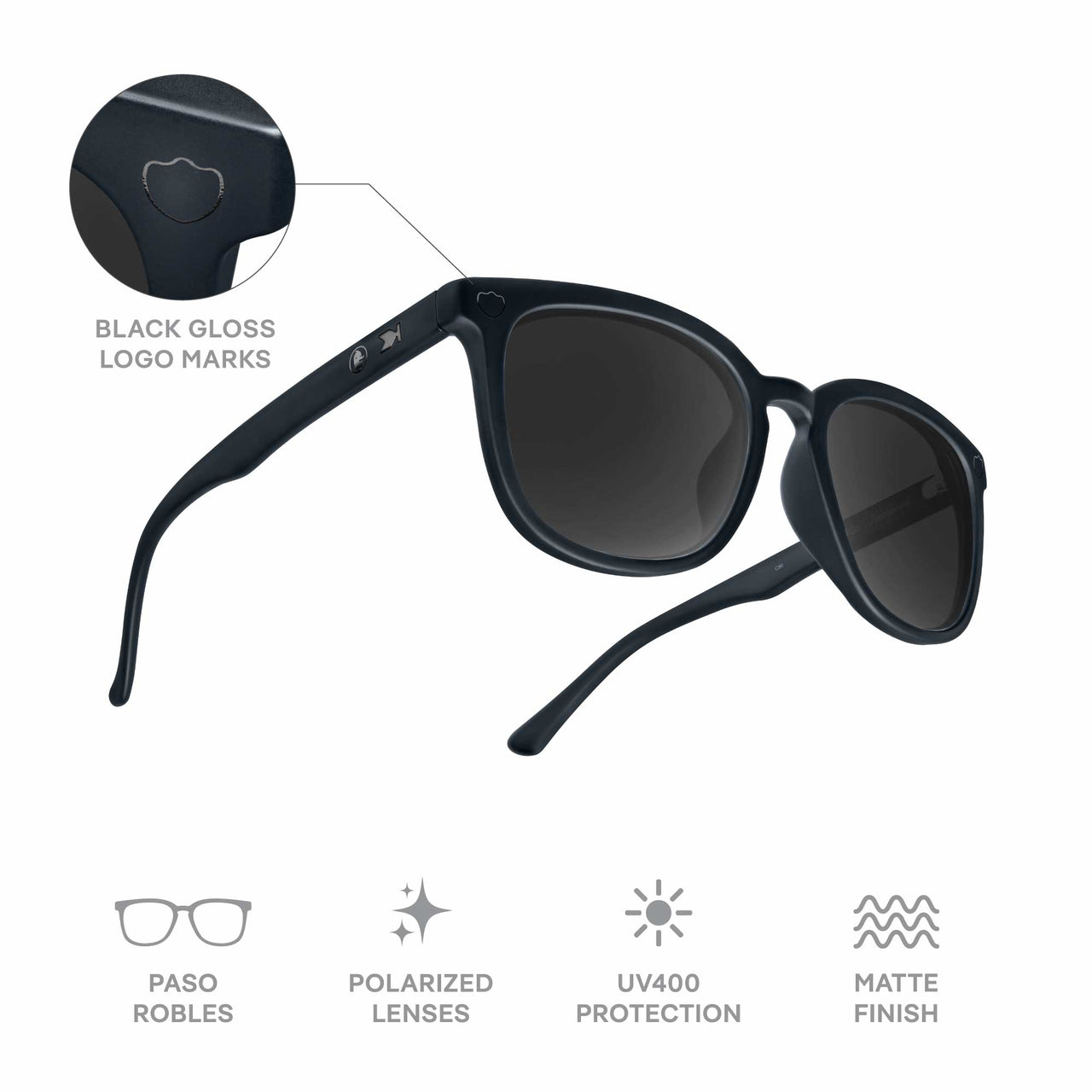
What makes it land is the assumption underneath. Normal glasses now come with a disclaimer. That is new. Five years ago nobody wearing eyewear had to account for it, and a privacy company can now sell a joke about it for $35 because enough people have felt that particular look across a table.
They are decent sunglasses at a fair price. The pitch is a list of things they cannot do.
Advertisement