
Glasses developers got more release notes than glasses in the last week of September. Google pushed Jetpack Projected 1.0.0-alpha13 and Compose Glimmer 1.0.0-alpha20, the two libraries behind Android XR's audio and display glasses, on September 23, the day of Meta's Connect keynote. Meta tagged version 1.0.0 of its Wearables Device Access Toolkit, or DAT, the next day, and Snap had shipped Lens Studio 5.24.0 two weeks earlier with release notes written for "SPECS 27." None of the three pairs promised for this fall, Snap Specs, XREAL AURA and the Samsung-built audio glasses from Warby Parker and Gentle Monster, has a ship date.
ArSeptember 28, 2026
Fall's Glasses Platforms Split Into Stores Without Hardware and Hardware Without a Store
By Jordan Kuo
Staff Writer, VR.org
Advertisement
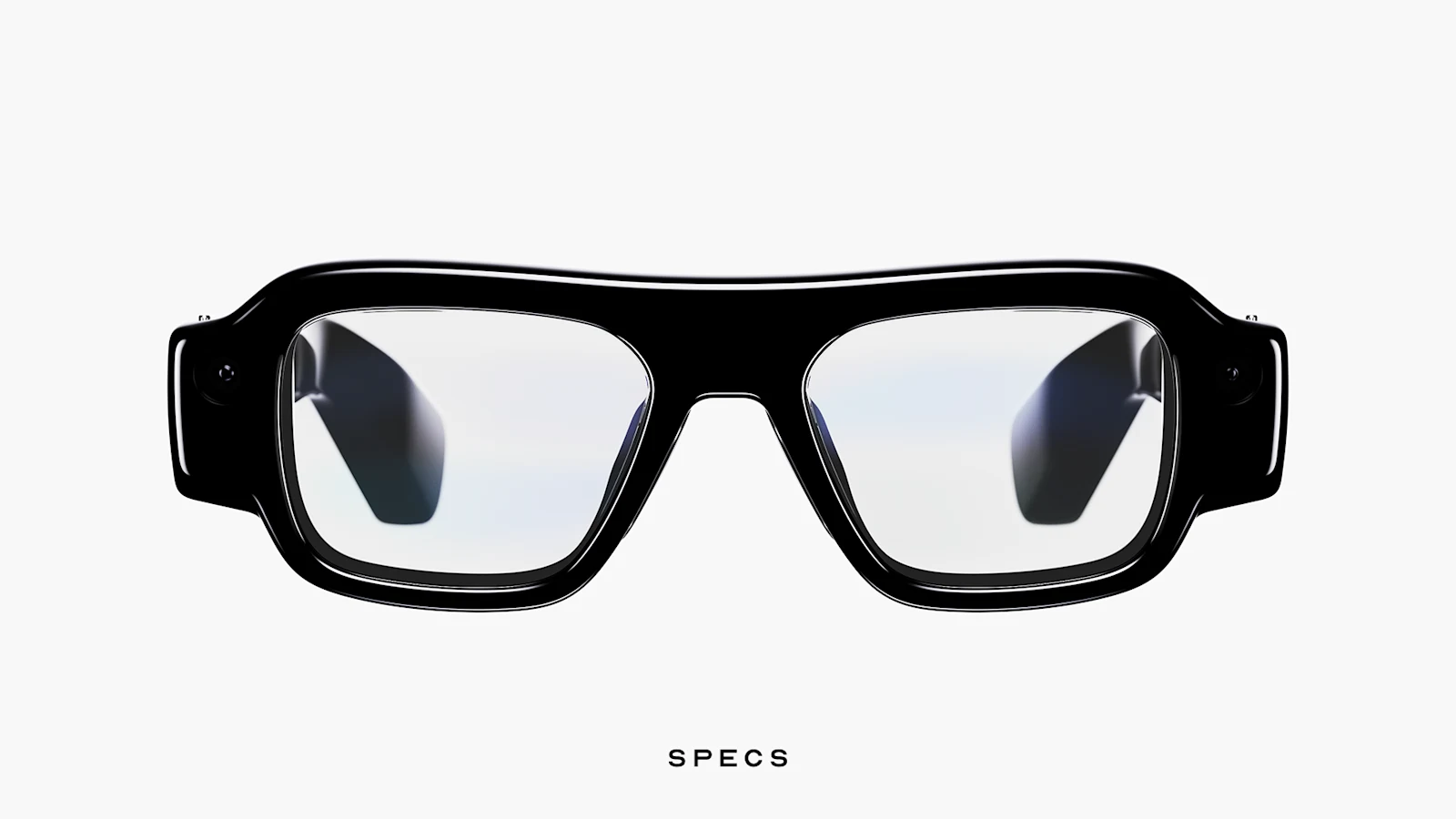
Dates are the wrong axis for choosing a target this quarter, though. The split that decides what a small team can ship runs through distribution, and it runs in an awkward direction: Snap and XREAL have a way to publish and no glasses in customers' hands, Meta has glasses on shelves and no public way to publish, and Google's audio glasses currently have neither.
Snap built the store first
Snap's developer portal already describes itself as the place to "build, publish, and manage SPECS Lenses," and Lens Studio 5.24 turns the old My Lenses menu into a SPECS DevPortal for anyone signed in with a Specs developer account. That makes Snap the one company here whose publishing plumbing looks finished before its hardware does. Its June developer post added a Native Development Kit for C and C++ and said Commerce Kit "will begin powering in-Lens purchases and subscriptions" at launch, while CLAD, Snap's agentic tooling, is still in preview.
Hardware is where it thins out. Developer time with pre-launch Specs means booking a full-day session at a Snap office in Los Angeles, London, Amsterdam or Vienna, and consumers get their first look at a mall: Snap's September 16 post says the Specs First Look opens at Westfield Century City on October 1, while Westfield's own event page lists October 2 through November 7, Thursdays to Sundays. Shipping is still "expected to begin later this fall" in the US, UK and France, and the launch event Alex Reeves expected to put a date on stage came and went without one. Budget frame time with David Heaney's UploadVR hands-on open, since he found rendering in many experiences "nowhere near the 72FPS minimum of other XR systems."
Google has builds and nowhere to send them
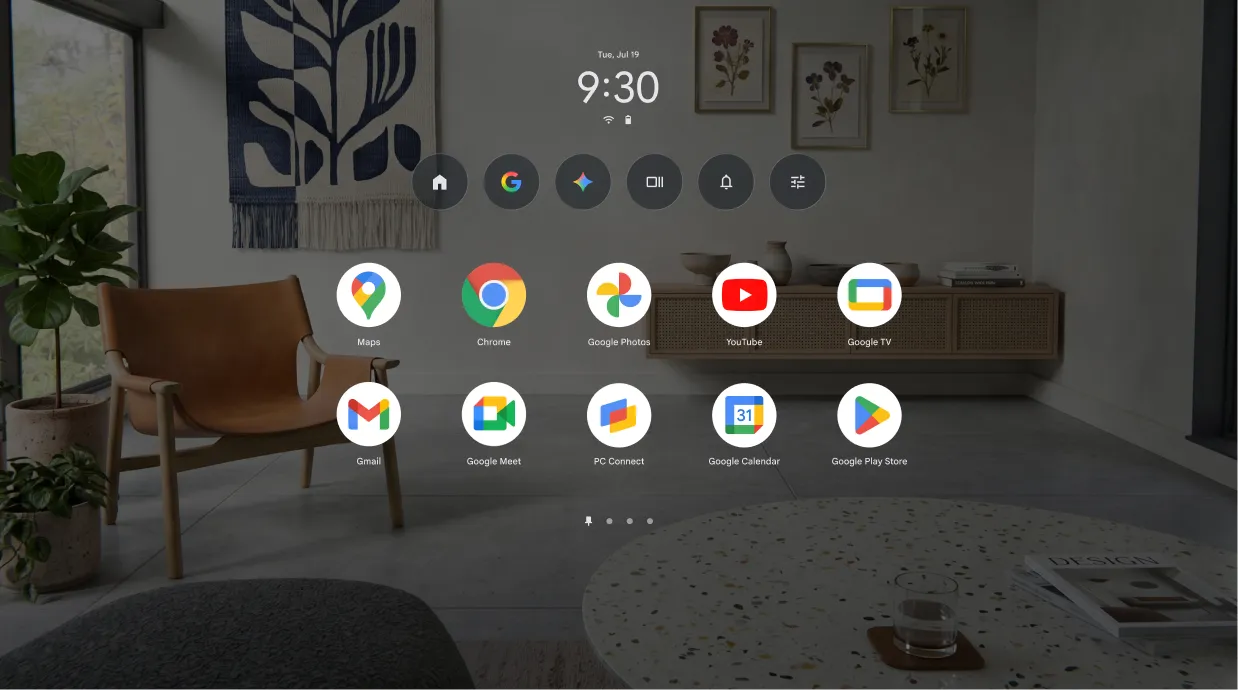
Android XR's glasses stack is the least finished here and the most carefully documented. The SDK banner still reads Developer Preview 4, as it has since May, and both glasses libraries remain alpha, though the latest Projected build adds a way to make an activity the input receiver on displayless devices, which reads like preparation for audio-only hardware. The model is unlike the headset one and worth planning around now: a glasses experience is "a dedicated activity that runs within your phone's existing app," projected to the frames, and testing it means pairing an Audio Glasses or Display Glasses virtual device with a phone emulator in the latest Canary build of Android Studio.
One sentence on the packaging and distribution page outweighs both libraries. "App distribution through the Google Play Store is only available for immersive app experiences on XR headsets and wired XR glasses devices," it reads, and for audio and display glasses it tells developers to build, test on the emulator, "and stay tuned for more updates on distribution in the future." Google's consumer page still lists the audio glasses as coming this fall. Warby Parker and Gentle Monster offer an email sign-up, not a preorder.
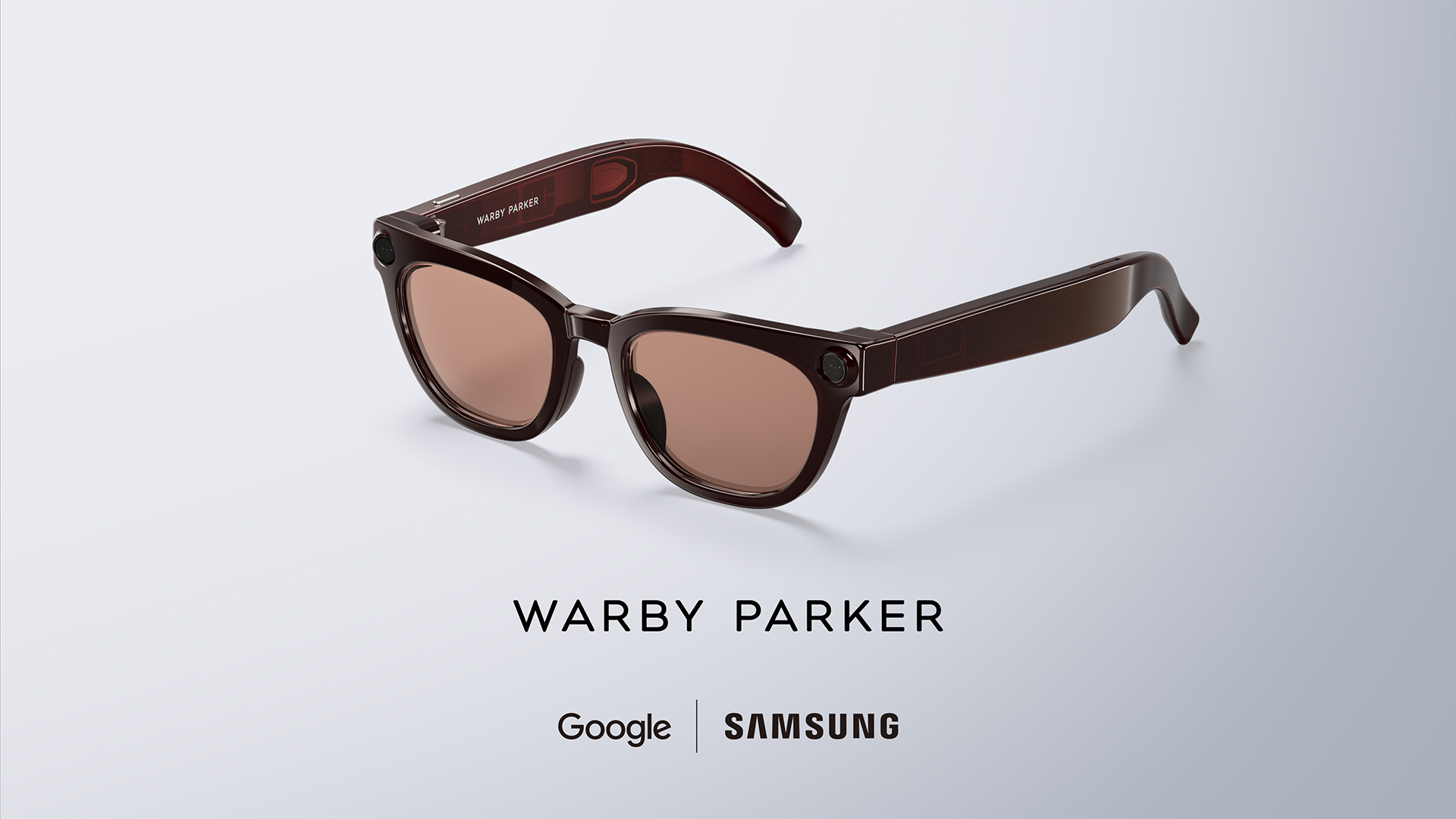
There is precedent for this. The first Android SDK went out on November 12, 2007, and the T-Mobile G1 did not reach stores until October 2008, so the platform's first apps spent most of a year on an emulator. This time the emulator exists and the channel does not, and a team writing an audio-glasses companion today has a projected activity with no public route past its own test list. When Samsung named these glasses in July, the objection here was that they arrived without an SDK date. The SDK has shipped build after build since. The glasses still have only a season.
Advertisement
XREAL is on the right side of Google's line
AURA is the exception inside Android XR, because Google's own page calls it "all-new wired XR glasses," which puts it on the side of that packaging rule where Play distribution already works. Reaching the hardware is the harder part. XREAL still says "Coming in Fall 2026" at a base price that "will not exceed US$1,500," with two of its three reservation tiers sold out, and Android Authority was told at IFA that under $1,500 does not necessarily mean $1,499. Developers got in through the Android XR Developer Catalyst Program, which XREAL runs with Google: applications closed June 30, selections went out by July 15, and accepted teams order a free device. AURA's launch catalog is being written by a cohort chosen in July.
Meta has the glasses and not the door
Meta's version of the problem is the inverse. Its FAQ calls toolkit 1.0 "a stable, supported release to build on" that "begins rolling out September 30, 2026." The Ray-Ban Display it supports reaches stores in France, Italy and Germany on October 13, per Meta. That is the only firm hardware date on this calendar, and it belongs to glasses US buyers have had for a year. Publishing is the gap. The same FAQ says developers will "soon" be able to submit toolkit and web app experiences and promises "more to share on submission and publishing timing soon," which is where the toolkit stood before Connect, now with a stable version number attached.
iOS adds a second lock that Meta does not hold the key to. On the toolkit's GitHub forum, a developer reported Apple rejecting an app that declares com.meta.ar.wearable pending an MFi Product Plan authorization and PPID from Meta, the Made for iPhone paperwork Apple requires of apps that talk to certified accessories. The reply came today from an account that has answered about thirty support threads across Meta's two toolkit repositories: "DAT 1.0 doesn't change this yet," and Meta "isn't able to add third-party apps to its MFi Product Plan or issue PPIDs at this time." TestFlight and a release channel still work for testers. If you have shipped an iOS app against somebody else's accessory, you already know this is the step that no amount of SDK polish shortens.
For a team picking a target this week, the useful question is less which glasses ship first than which door opens first. Snap and XREAL have stores waiting on hardware few developers have held. Meta has hardware waiting on a store, a "soon" on its own publishing, and an iOS path that also runs through Apple's accessory rules. Google has an emulator, two alpha libraries and a distribution page that has said "stay tuned" since May. Whichever of the three fall pairs ships first may well reach buyers before most of the people building for it can.
Advertisement