
Samsung opened preorders for the Galaxy XR in the United Kingdom on June 17, with the headset shipping July 8 at £1,699. That makes the UK the first major market outside the United States and Korea to get Android XR hardware on shelves, roughly eight months after the device first launched stateside at $1,799. On its own, a regional rollout is the kind of news that gets a paragraph and a shrug. Look at what Samsung wrapped around the price, though, and the launch turns into the clearest statement yet about how Google wants Android XR to be sold.
XrJune 22, 2026
The Galaxy XR Just Landed in the UK. The Real Story Is the £665 of Software Google Packed In.
By Jordan Kuo
Staff Writer, VR.org
Advertisement
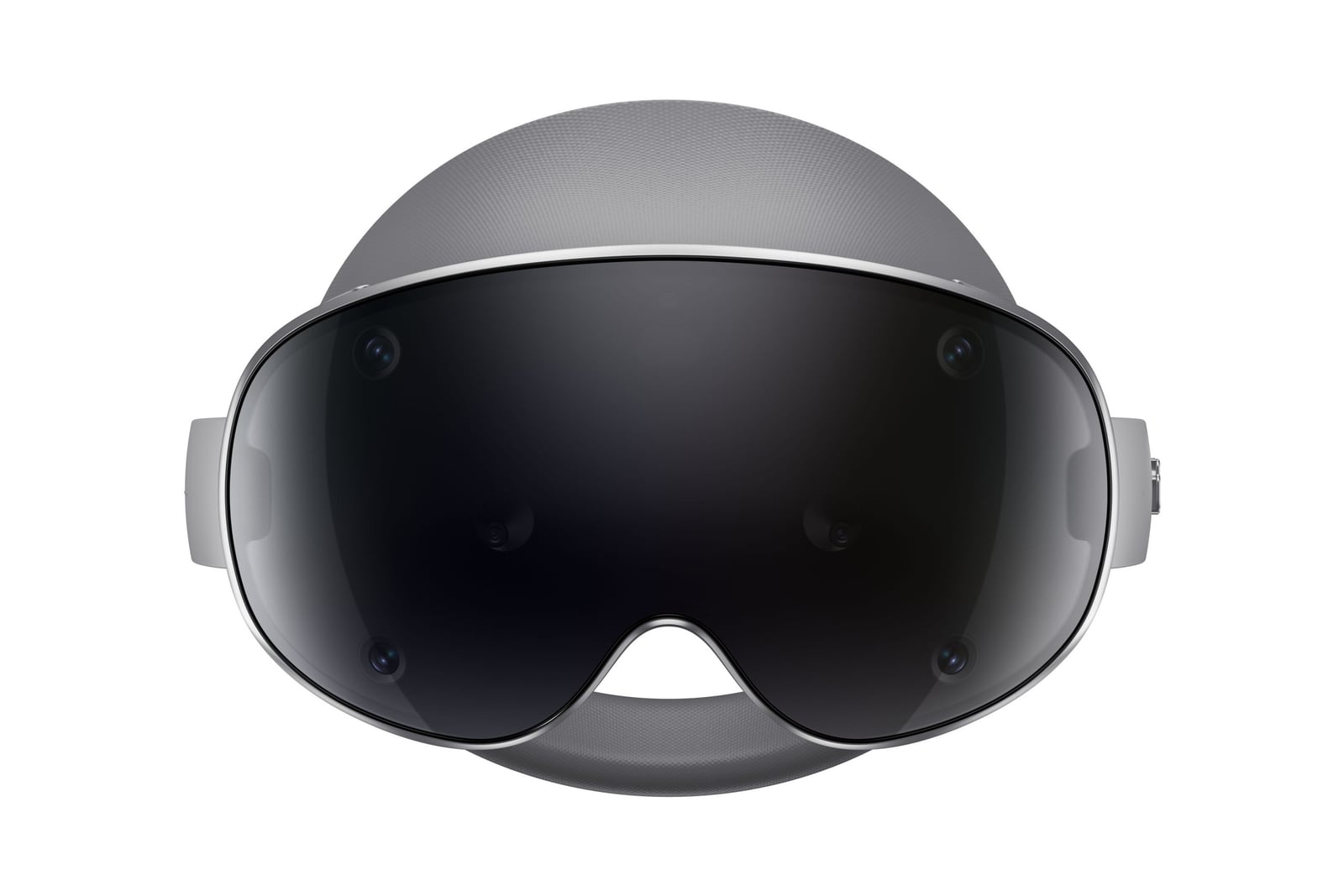
The price is the headline. The bundle is the strategy.
Every preorder comes with what Samsung calls the Explorer Pack, a stack of subscriptions and content the company values at £665. The contents are the interesting part: YouTube Premium, Google AI Pro, Project Pulsar, Google Play Pass, Calm Premium, and a free copy of the StatusPro NFL PRO ERA app. Strip out the lifestyle filler and the spine of that bundle is Google software. Google AI Pro is the paid Gemini tier, and on a headset whose entire input model leans on Gemini for navigation, summaries, and voice control, handing buyers a year of it is not a gift. It is onboarding.
This is the move I keep watching Google make across the Android XR rollout, and the UK launch is the cleanest example so far. The platform's bet is that spatial computing becomes useful when an assistant is sitting behind the glass doing the work, not when you are poking at floating windows with pinch gestures. Bundling the Gemini subscription into the box lowers the friction to actually using that assistant heavily from day one. The more a Galaxy XR owner builds habits around asking Gemini to do things, the more defensible the platform gets. A subscription you already paid for is a subscription you use.
Contrast that with how Apple sells the Vision Pro. You buy the hardware, you get visionOS, and the AI story is still mostly a promise. Samsung and Google are shipping the assistant subsidy in the same shrink wrap as the headset. That difference tells you which company thinks the AI layer is the product and which still thinks the display is.
What the deal sheet says about confidence
The rest of the UK offer reads like a company trying hard to move units rather than one confident the price will carry itself. There is a £100 discount for paying through PayPal with a promo code, good through July 7. Buy the controllers (£249) or the travel case (£249) alongside the headset and Samsung knocks 30 percent off through September 30. A smart keyboard runs £90. Pile the accessories on and the real cost of a fully kitted Galaxy XR climbs well past two grand, which is exactly why the discounts exist.
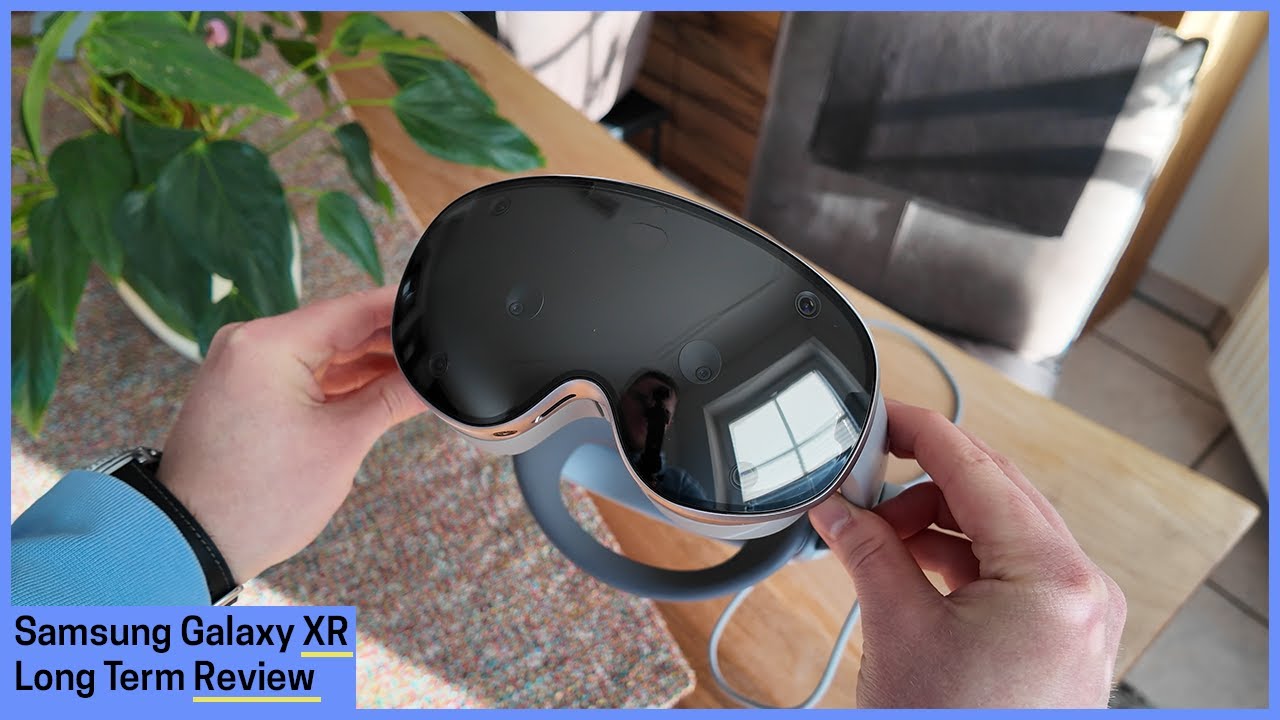
None of this is a knock on the hardware. The reviews that landed after the US launch were consistent on the fundamentals: sharp displays, genuinely good passthrough, spatial audio that holds up, and an interface that feels familiar to anyone who has used a Galaxy phone because it essentially is one strapped to your face. The criticism was never that the Galaxy XR is bad. It was that £1,699 of headset competing against a £400 Quest and a £3,500 Vision Pro lands in an awkward middle, and a face computer is a hard sell at any price when nobody has settled on what it is for. The Explorer Pack is Samsung's answer to that awkward middle. It cannot change the sticker, so it changes the math.
Advertisement
Why a third market matters more for developers than for shoppers
From where I sit, the more important number is not £1,699. It is the count of countries where Android XR hardware now physically exists. For a platform this young, installed base is the whole game, and installed base is geographic. A developer deciding whether to build a spatial app for Android XR is looking at addressable users, and every market that opens widens that pool. The UK is a meaningful one: English-language, high disposable income, a healthy install base of Galaxy phones that already pair cleanly with the headset.
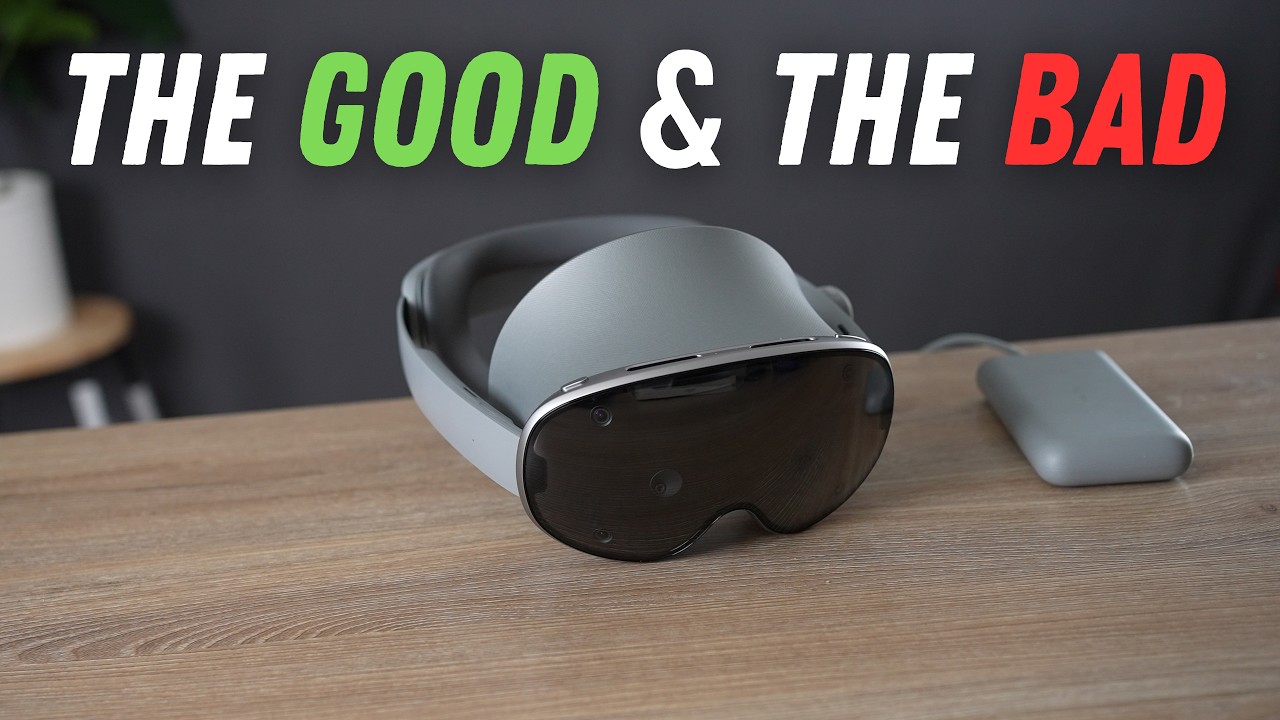
It also lines up with the rest of Google's stated roadmap. The company has been clear that the headset is the heavy end of a three-tier Android XR strategy that runs down through display glasses and audio glasses, with the first audio eyewear from Warby Parker and Gentle Monster expected this fall. The Galaxy XR is the developer beachhead for all of it. The APIs, the Gemini integration patterns, the interaction model that developers learn building for the headset are the same ones that carry down to the glasses. Selling more headsets in more countries is how Google seeds the talent pool that will eventually fill the glasses with software worth wearing them for.
So yes, the UK got an expensive headset and a pile of preorder sweeteners. That is the surface read. The real read is that Google keeps treating Android XR as a software platform that happens to ship in a Samsung shell, and it is willing to subsidize the Gemini habit market by market to make sure the platform takes root before the glasses arrive. The price will keep being the thing people argue about. The bundle is the thing worth watching.
Advertisement