Google I/O 2026 starts on May 19 at Shoreline Amphitheatre in Mountain View. The keynote hits at 10 AM Pacific, followed by the developer keynote at 1:30 PM. Two days of sessions. Hundreds of developers. And the strongest signal yet that Google considers Android XR to be the platform that defines its next decade of hardware.
ArMay 1, 2026
Google I/O Is in 18 Days. Android XR Is About to Have Its Biggest Moment Yet.
By Jordan Kuo
Staff Writer, VR.org
Advertisement
For anyone paying attention to spatial computing, AR glasses, or the broader XR landscape, this is the event to watch. Not because Google will show one new product, but because the ecosystem they have been assembling since late 2024 is reaching the point where real hardware ships to real customers. Here is what we know is coming and what to look for.
The device landscape
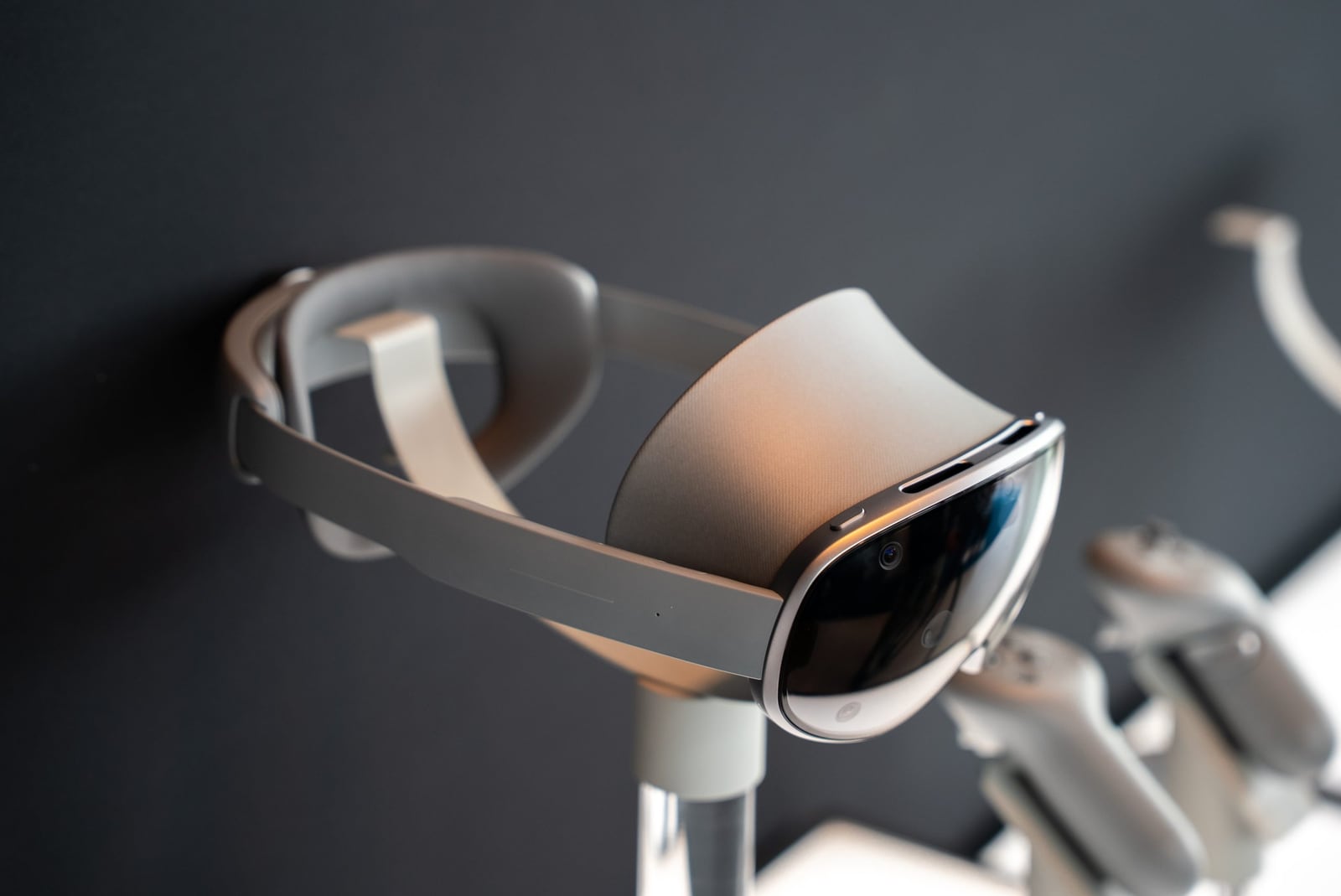
At least five Android XR devices are expected to launch in 2026. That is not speculation. Multiple manufacturers have confirmed hardware in various stages of readiness. The confirmed or near-confirmed lineup includes Samsung's Galaxy XR headset (already unveiled, the flagship Android XR device), XREAL's Project Aura (optical see-through glasses with a 70-degree field of view, tethered, Gemini-powered), and non-display AI glasses from Warby Parker and Gentle Monster running lighter Android XR builds focused on audio and AI assistance rather than visual overlays.
Samsung's Galaxy XR is the anchor device. It runs the full Android XR stack with Gemini deeply integrated, and analysts project it to move over 100,000 units in its first year. For a first-generation platform launch in a category that Apple currently owns with Vision Pro, that is a meaningful number. It would put Galaxy XR above the first-year sales of Vision Pro in several estimates.
XREAL Project Aura is the one I am watching
Project Aura is the first optical see-through headset built for Android XR, and it represents the form factor that I think matters most long-term. It is lightweight, tethered to a phone or compute puck, and delivers a 70-degree field of view with multimodal Gemini interaction. You can see the real world through the lenses with digital content overlaid on top. No passthrough cameras. No video feed. Actual transparent optics.
XREAL showed Project Aura at CES in January and won a CES Innovation Award for it. The device is still on track for a 2026 launch, and Google I/O is the obvious venue for a deeper technical demo or launch date announcement. If you believe the future of XR is glasses rather than headsets, Project Aura is the most important Android XR device shipping this year.

The platform play
What makes Android XR different from previous Google AR efforts (remember Google Glass? Daydream? Tango?) is the partnership structure. Google provides the operating system and AI layer. Samsung provides flagship hardware and manufacturing scale. Qualcomm provides the silicon. Each company owns its piece rather than Google trying to do everything alone.
The platform itself borrows heavily from lessons learned watching Apple. Automatic spatial conversion lets existing 2D Android apps run in spatial environments without developer modification. That means millions of Play Store apps work on day one. ARCore provides the spatial understanding layer. Gemini serves as a persistent AI companion that can see what you see and respond in context. The integration is tight in a way that previous Google hardware attempts never achieved.
What to watch at the keynote
Five things I will be tracking on May 19. First, whether Google announces a specific Galaxy XR ship date. Samsung has been coy about timing beyond "2026" and a keynote commitment would signal readiness. Second, whether Project Aura gets a price and availability window. Third, developer tools. Android XR needs apps, and Google I/O is where they announce the SDKs, APIs, and incentives that get developers building. Fourth, Gemini XR capabilities. The April Android Show already previewed auto-spatialization and contextual AI features, but I/O should go deeper on what Gemini can actually do when it has access to spatial context and camera input. Fifth, new hardware partners. Google has hinted that the Android XR ecosystem extends beyond the currently announced devices. I/O is where surprise partnerships get revealed.
Why this matters for the VR and AR space
Apple built visionOS as a closed ecosystem. One manufacturer, one device, one price point, one set of development tools. Google is building Android XR as an open platform with multiple manufacturers, multiple price points, and multiple form factors from the start. The historical precedent is iOS versus Android in smartphones. Apple shipped first and owned the premium tier. Android came second and won on scale.
Whether that pattern repeats in spatial computing depends entirely on execution, and Google's track record with hardware platforms is mixed at best. But the pieces are in place. The partnerships are real. The devices are coming. And in 18 days, we will know how much of it is ready to ship.
I will be covering I/O live for VR.org. Check back May 19.
Advertisement