
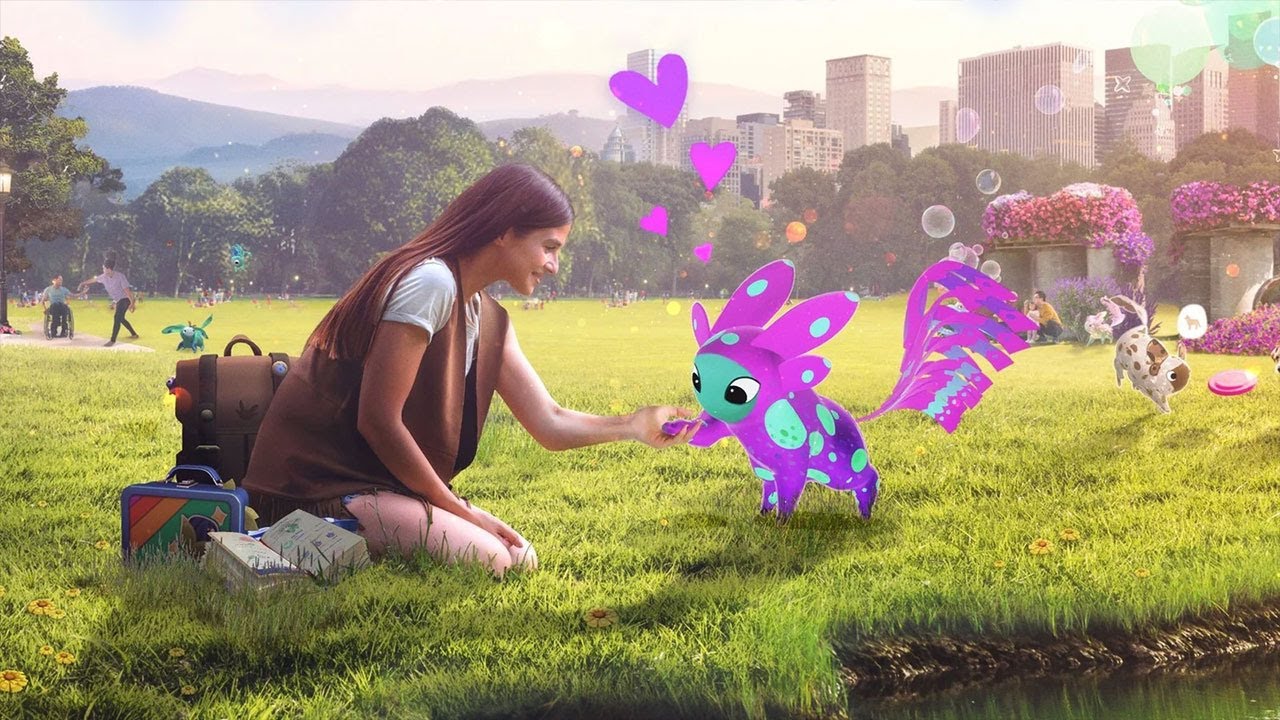
Niantic Spatial is winding down Peridot. The mobile AR pet game, the most polished consumer AR app the company shipped after Pokemon GO, comes off the App Store and Google Play on May 14. Servers shut down on August 31. In-app purchases were already disabled on April 23. Three years and the run is over.
ArMay 4, 2026
Niantic Is Killing Its Flagship AR Mobile Game. That's the Loudest Signal Yet That the Phone Lost.
By Sam Whitfield
Contributing Writer, VR.org
Advertisement
If you only follow the headlines, this looks like a normal mobile game post-mortem. It is not. Peridot was the cleanest possible test of whether a phone-first AR product could find a sustainable consumer audience in 2026, and it was built by the only company that has ever cracked that problem before. The result tells you something important about where the platform is heading next.
The shutdown timeline
The official message from Niantic Spatial is gentle, the kind of thing you write when you are trying to send long-time players off without a riot. Peridot launched globally in May 2023 as a Tamagotchi-style virtual pet experience built on Niantic's Visual Positioning System. Every Dot was procedurally generated, genetically unique, and meant to live in the player's actual physical world. It was charming. It also never found a Pokemon GO-sized audience.
Here is the schedule. April 23 was the cutoff for new in-app purchases. May 14 the apps disappear from both major mobile storefronts. After that you can keep playing on devices where it is already installed, but no one new can join. August 31 the servers go dark and the game ends entirely. Players keep their Dots in screenshots and memory only.
The phone is no longer the AR target
The reason Peridot is being killed is not just that it under-performed. It is that Niantic's whole strategic direction has shifted off mobile. When the company sold most of its game portfolio to Scopely in 2025 and rebranded the remainder as Niantic Spatial, the mission narrowed. The new entity is building a global 3D map, a Visual Positioning System with centimeter-grade accuracy, and the geospatial intelligence layer that AR glasses and autonomous systems will run on top of. Peridot was a leftover from the old company, and the new company has no use for a phone-screen pet sim.
This is not a Niantic-specific story. Look at the rest of the consumer AR landscape. Snap killed the Snapchat AR Lens revenue model that funded its earlier mobile AR pushes and refocused on Specs hardware. Apple paused Vision Pro consumer development to redirect engineers toward smart glasses. Meta's Reality Labs continues to lose billions on headsets while booking real money on Ray-Ban Meta. The pattern is everywhere. Every serious AR shop is moving compute, sensors, and developer attention from the phone to the face.
Where Peridot actually lives now
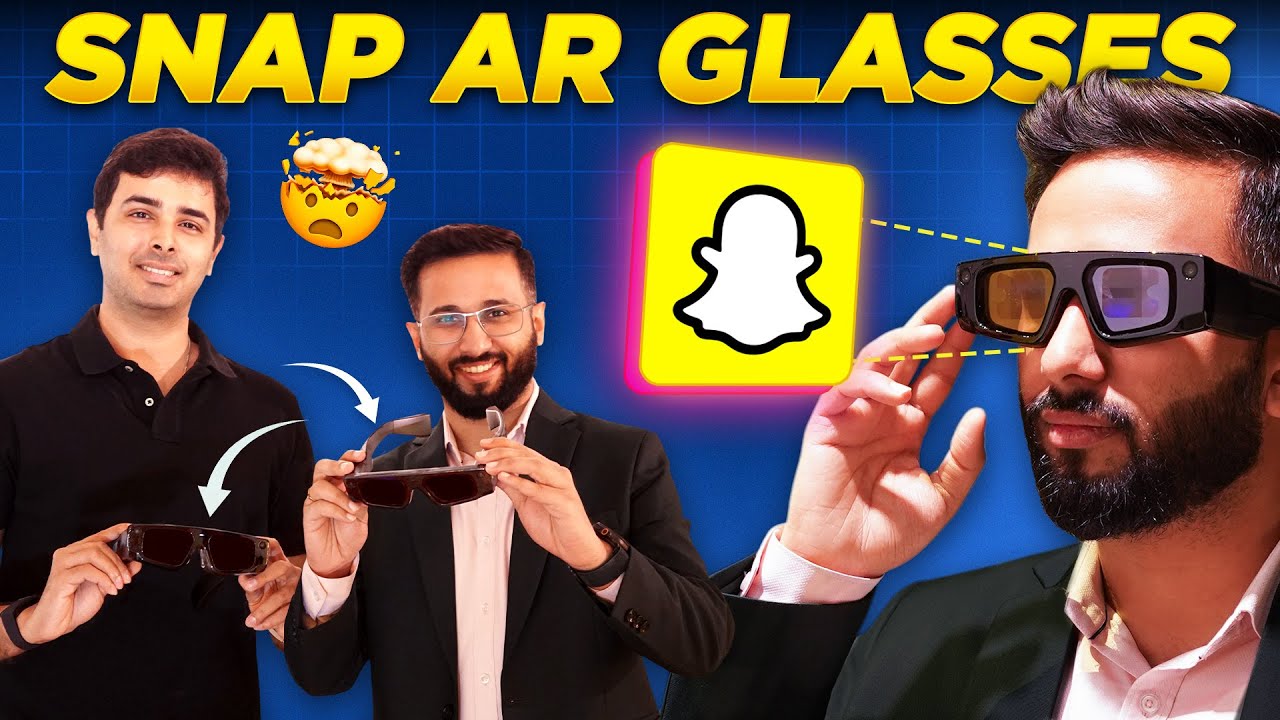
The franchise itself is not dead. Niantic explicitly carved out two surviving experiences in the shutdown announcement, and both are wearable-only. Hello, Dot is a mixed reality experience for Meta Quest and Apple Vision Pro. Peridot Beyond runs on Snap Spectacles and uses the glasses' passthrough cameras and hand tracking so you can pet your Dot, throw a frisbee, and watch it forage food from the actual room you are standing in. There is also a multiplayer mode that lets two Spectacles users share the same Dot in the same physical space.
Advertisement
That last detail is the tell. The mobile version of Peridot was a single-player loop where you held up a phone, looked through a 6-inch window into a composited overlay, and tried to convince yourself the creature was sharing your space. The Spectacles version is what the franchise actually wanted to be from day one. The mobile build was a workaround for the fact that the right hardware did not exist yet. Now it does, and Niantic is willing to admit it publicly.
What developers should take from this
If you build for AR, the question to ask yourself this week is which form factor your roadmap is bet on. Phone AR through ARKit and ARCore is not going anywhere as a tool. Niantic itself still uses it for Pokemon GO, which makes hundreds of millions of dollars a quarter. But Pokemon GO is a location-based game that happens to have AR as a feature toggle. It is not an AR-first product. Peridot was an AR-first product, and AR-first products on phones are now publicly being shut down by the company that knows the space best.
The platforms taking over are obvious. Snap OS now ships with native WebXR, a Commerce Kit for in-Lens payments, and OpenAI plus Gemini integrations for multimodal Lenses. Android XR Developer Preview 3 added Jetpack Compose Glimmer for transparent-display UI and a dedicated AI Glasses emulator inside Android Studio. Meta's Horizon OS browser supports passthrough WebXR with hand tracking and shared spaces. Vision Pro's Safari has WebXR on by default with gaze-and-pinch input. Every one of those stacks is purpose-built for hardware you wear, not hardware you hold.
Peridot's mobile run quietly defined a thesis that consumer AR could survive on phones if the experience was charming enough. Three years of data later, Niantic is publicly retiring that thesis. The company that holds the largest crowd-sourced AR map in the world has decided the next billion AR moments will not happen on a screen you point at the world. They will happen on lenses you look through it. The Dots are moving with the platform. So is everyone else.
Advertisement