
Snap eliminated roughly 1,000 jobs on April 15, about 16% of its total headcount. Another 300 open roles were closed before anyone could fill them. The company expects to cut more than $500 million in annualized costs by the second half of this year. In most layoff stories, this is where you would say the company is pulling back. Snap is not pulling back. It is pulling forward on the one thing that costs the most money: AR glasses.
ArApril 28, 2026
Snap Just Fired 1,000 People. The AR Glasses Team Got a Hiring Boost Instead.
By Jordan Kuo
Staff Writer, VR.org
Advertisement

Specs was not touched
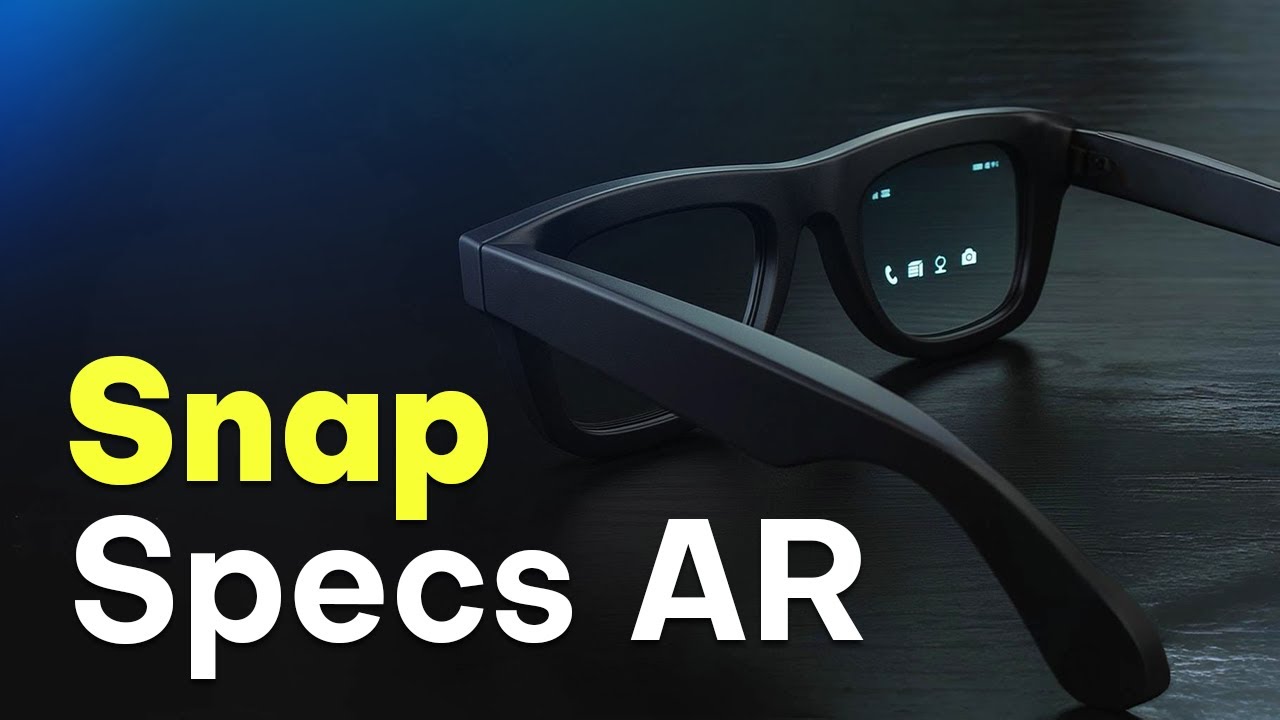
The layoffs hit Snap's core Snapchat business. Engineering, product, and operations teams took the brunt. But Specs Inc., the subsidiary Snap created to house its AR glasses division, was explicitly protected. Not only were no Specs employees cut, the subsidiary is actively hiring. Nearly 100 new roles are open within Specs right now, many of them tied to Lens Studio, the developer platform that powers AR experiences on the glasses.
This is a deliberate signal from CEO Evan Spiegel. Snap has spent more than $3.5 billion on its AR hardware ambitions over the past several years, with an ongoing annual burn rate of roughly $500 million. The layoffs are designed to reduce costs everywhere else so that Specs can keep spending. The restructuring insulates the traditional Snapchat business from the AR subsidiary's expenses, making it easier for investors to see where the money is going and why.
The activist wants Specs dead
The timing of these layoffs is not a coincidence. In late March, activist investor Irenic Capital Management, which holds about 2.5% of Snap's Class A shares, launched a public campaign called "Snap Back to Reality." The firm's pitch was blunt: Snap is "comically undervalued," and the fix involves gutting costs and killing Specs.
Irenic laid out a "6 Steps to 7X" plan targeting a share price of around $26. The plan called for a 21% workforce reduction (Snap landed at 16%), aggressive AI automation across the company, and either spinning off or shutting down the Specs hardware unit entirely. Irenic argued that $3.5 billion in cumulative investment with no consumer product to show for it was indefensible. The market liked the idea. Snap shares jumped 14% after Irenic went public with its campaign.
Spiegel took the workforce reduction part of the playbook and ignored the part about killing Specs. That is not subtle. He is telling Wall Street that the glasses are the future of the company, not a side project that can be bargained away for a short-term stock bump.
AI is replacing the humans, not the glasses
One detail from the layoff announcement that got less attention than it deserved: Snap disclosed that more than 65% of its new code is now AI-generated. The company also said AI agents have identified more than 7,500 bugs in its codebase. This is not a vague "we are exploring AI" statement. This is a company saying that machines are already writing most of its software and finding problems humans missed.
Advertisement
That number puts Snap ahead of nearly every publicly traded tech company in terms of disclosed AI code generation. It also explains how a company can cut 1,000 people and claim it will maintain or increase output. If AI is writing the code and catching the bugs, you need fewer engineers to ship the same product. Whether that holds up in practice over the next year is an open question, but Snap is betting on it publicly.

The Qualcomm deal says this is real
Two weeks before the layoffs, Snap announced a multi-year strategic agreement with Qualcomm to use Snapdragon XR chips in future Specs hardware. The deal covers on-device AI, graphics processing, and multi-user AR experiences. Qualcomm does not sign multi-year silicon partnerships with companies that are about to cancel their hardware program.
We covered the Qualcomm deal earlier this month, and the picture has only gotten clearer since. Specs is targeting a consumer launch later this year. The sixth-generation hardware will be significantly lighter and slimmer than the developer-only Spectacles 5 (which weighed 226 grams and lasted about 45 minutes). Spiegel has promised the new version will function without external processors, cables, or pocket computers. Standalone, see-through AR glasses with on-device AI, priced for consumers, shipping in 2026.
What the Perplexity collapse means
There is one more piece to this puzzle. Snap's $400 million deal with Perplexity, announced in November 2025 to embed AI-powered search inside Snapchat, appears to have fallen apart. The companies reportedly could not agree on integration terms, and the deal never rolled out. That is $400 million in expected revenue that evaporated.
Losing the Perplexity deal makes the layoffs more urgent and the Specs bet more consequential. Snap cannot afford to burn cash on both a bloated workforce and an expensive hardware program while watching a major revenue partnership collapse. Something had to give, and Spiegel chose to protect the glasses.
The bigger picture for AR
Snap is not the only company making hard choices about AR hardware right now. Apple reportedly lost a key Vision Pro executive. Meta is navigating its own cost pressures while expanding the Ray-Ban Meta line. Google is backing Android XR across multiple hardware partners. The AR glasses race is entering its most expensive phase, and the companies still in the game are the ones willing to sacrifice something else to stay.
For Snap, that sacrifice is 1,000 people and a traditional approach to software development. Whether the trade pays off depends entirely on whether Specs ships on time, works as promised, and finds an audience willing to pay for AR glasses from a company best known for disappearing photos. The next six months will answer that question.
Advertisement