
I have spent the last two weeks writing about smart glasses nonstop. Samsung Galaxy Glasses leaked with full specs. Apple is reportedly testing four different frame designs for AI glasses launching next year. IDC data showed that smart glasses outsold VR headsets three to one last year. And now today, Google used The Android Show to formalize a two-tier glasses strategy with fashion house partnerships from Warby Parker, Gentle Monster, and Gucci.
ArMay 12, 2026
Google, Meta, and Apple Are All Building Smart Glasses. Only One of Them Scares Me.
By Alex Reeves
Staff Writer, VR.org
Advertisement
Three trillion-dollar companies are betting that the next computing platform sits on your face. As someone who has been in VR since the DK1 days, I find this both exciting and a little terrifying. Let me explain why.
Meta Has the Head Start and It Shows
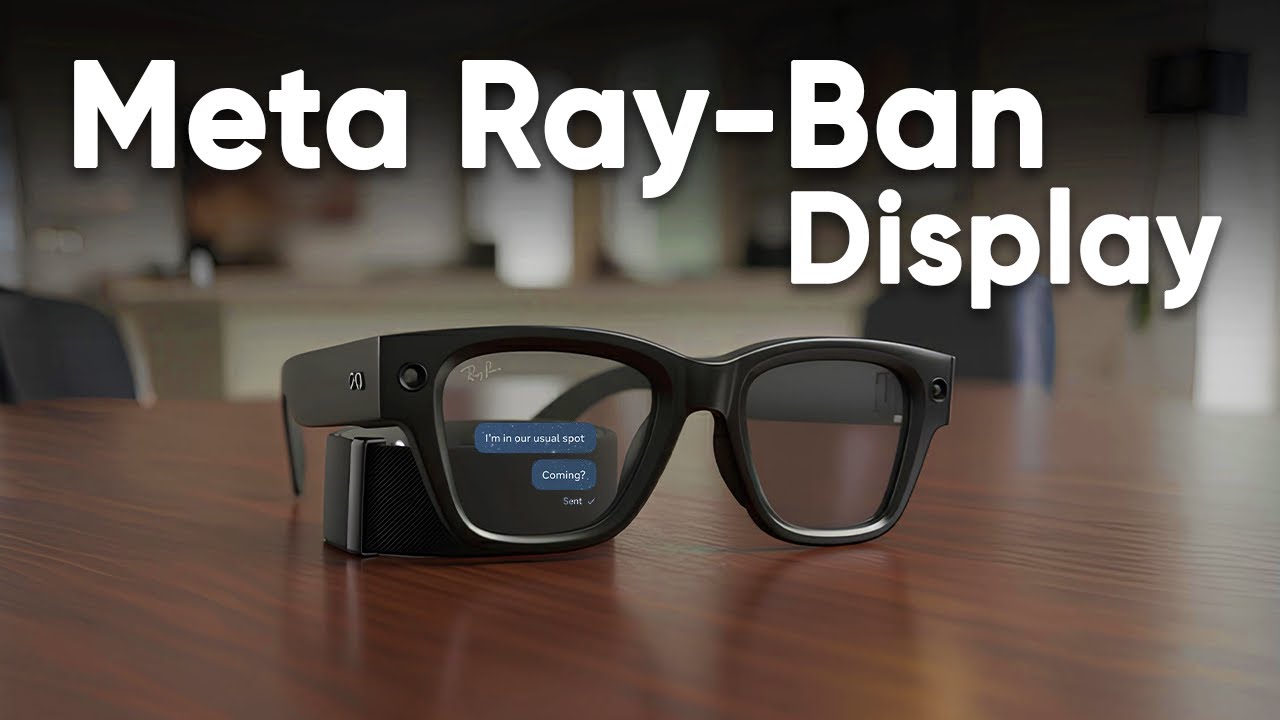
Ray-Ban Meta glasses have sold over two million units. That number sounds modest until you realize it is more than every other smart glasses product combined. Meta figured out something that Google, with its original Glass, never did: people will wear smart glasses if they look like normal glasses. The Ray-Ban partnership was brilliant because it started with a brand people already trusted on their faces.
Meta's advantage is not just sales volume. It is the ecosystem. They have the content library from Quest. They have the social graph from Instagram and Facebook. They have years of computer vision research from Reality Labs. When Meta eventually adds a display to those Ray-Ban frames (and they will), they will have the user base and the software stack to make it matter immediately.
Google Has the Platform Play
What Google showed today at The Android Show is different from what Meta is doing, and I think that is intentional. Google is not building one pair of glasses. They are building a platform that Samsung, Warby Parker, Gentle Monster, Gucci, and XREAL all build on. Android XR is meant to be what Android was to phones: the operating system that powers everything from budget hardware to luxury accessories.
The Gucci partnership is the most revealing move. Google is not just chasing Meta on features. They are trying to reposition smart glasses as a fashion category where a $900 pair of Gucci frames sits alongside a $379 pair of Samsung Galaxy Glasses. That is how you normalize a product category. You make it available at every price point and every style preference.
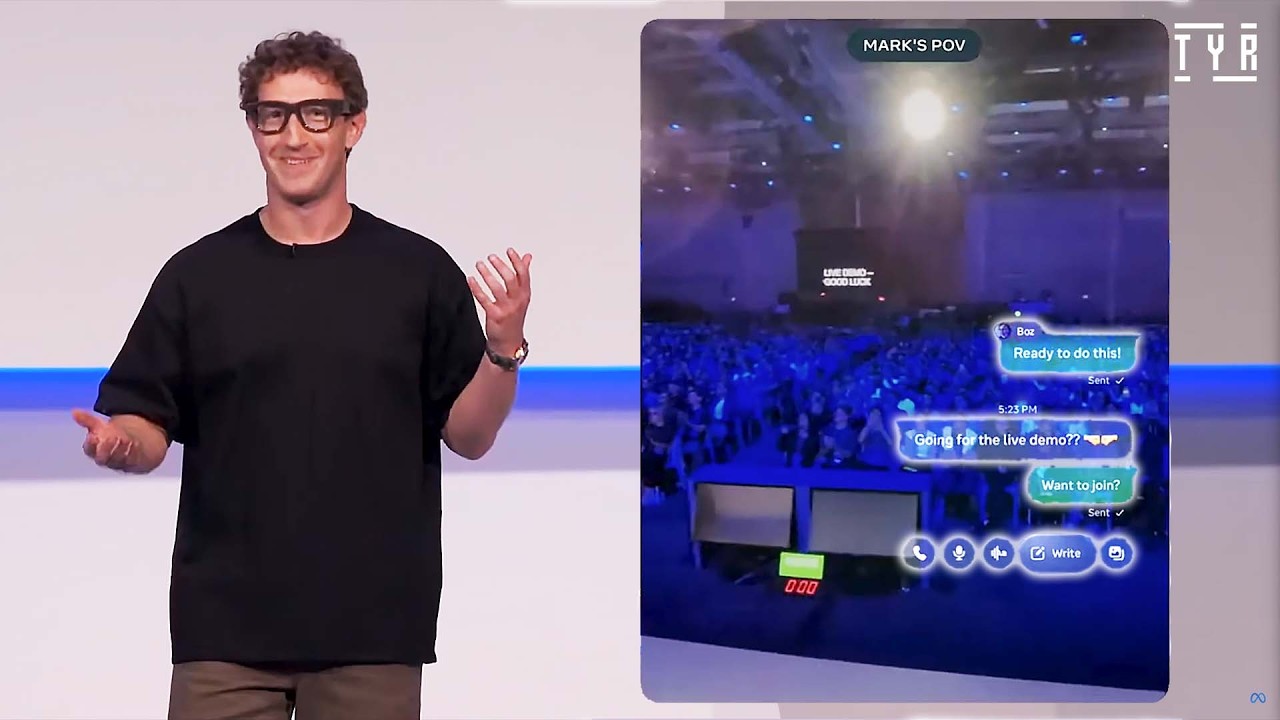
The two-tier strategy is also smart. Audio-only AI glasses for people who just want a voice assistant on their face, and display glasses for people who want navigation, translation, and notifications in their field of view. Meet people where they are instead of forcing everyone into the same product.
Advertisement
Apple Scares Me the Most
Apple has not said a word publicly about smart glasses. Everything we know comes from Bloomberg's Mark Gurman reporting that Apple is testing four frame styles made from premium acetate with a vertically oriented camera system, deep Siri and Apple Intelligence integration, and no display. The rumored timeline is an unveil at the iPhone 18 event in September with retail availability in 2027.
Here is why Apple scares me. When Apple enters a product category, they tend to define the premium tier permanently. The iPod did it to MP3 players. The iPhone did it to smartphones. The Apple Watch did it to smartwatches. Vision Pro did not achieve that with headsets because the price was too high and the use cases were not compelling enough for most people. But $300 to $500 glasses that look good and work seamlessly with your iPhone? That is a very different proposition.
Apple also has something neither Google nor Meta can match: retail stores where people can try the product. Smart glasses are inherently personal. Fit matters. Style matters. Being able to walk into an Apple Store and try on four different frame styles before buying is a massive competitive advantage that no amount of online marketing can replicate.
Where This Leaves VR Gamers
I know what you are thinking. This is a VR site, Evan. Why do you keep writing about glasses that do not play games?
Fair question. Here is my honest answer: the money flowing into smart glasses right now is going to fund the technology that makes VR headsets better in three to five years. Miniaturized displays, efficient AI processing, lightweight optics, all-day battery life. Every breakthrough that makes smart glasses thinner and lighter eventually trickles into the next generation of VR and MR headsets.
The IDC numbers are real. Smart glasses grew 110% year over year while VR headsets declined 14%. That is not because VR is dying. VR gaming is having one of its best content years ever. The Creature Feature showcase last week proved that. But the growth curve has shifted to glasses because the use case is simpler: put them on in the morning, take them off at night, use AI assistance throughout your day. VR requires intention. You put on a headset to do something specific. Glasses are ambient.
Both form factors are going to coexist for a long time. But if you care about the future of immersive computing, the smart glasses race between Google, Meta, and Apple is the most important story in tech right now. It will determine who controls the platform, who sets the hardware standards, and ultimately who decides what VR and AR look like when the two form factors eventually converge.
My bet? Meta wins the next two years on installed base. Google wins the long game on platform ubiquity. And Apple redefines what premium looks like when they finally show up. The real winner will be us, because competition this fierce always drives the technology forward faster than any single company could alone.
Advertisement