
I have been chasing the feeling of Wipeout in VR since the day I first put on a headset. Anyone who grew up with a PlayStation knows exactly what I mean. The neon tracks, the impossible speed, the anti-gravity ships that handle like they are skating on glass, the techno soundtrack hammering while you thread a chicane at 600 miles per hour. That game belongs in VR more than almost any other racer ever made, and Sony has never given it to us. So when a studio steps up and says it wants to build the VR Wipeout we never got, I pay attention. Omega Pilot Evolution from XOCUS is launching this month on Quest, PSVR2, and Pico, and everything about it is aimed directly at the part of my brain that has wanted this for a decade.
GamingJune 9, 2026
Omega Pilot Evolution Is Chasing the VR Wipeout Crown. As a Racing Nut, I Am All In.
By Evan Marcus
Co-Founder, VR.org
Advertisement
The Wipeout DNA Is Right There
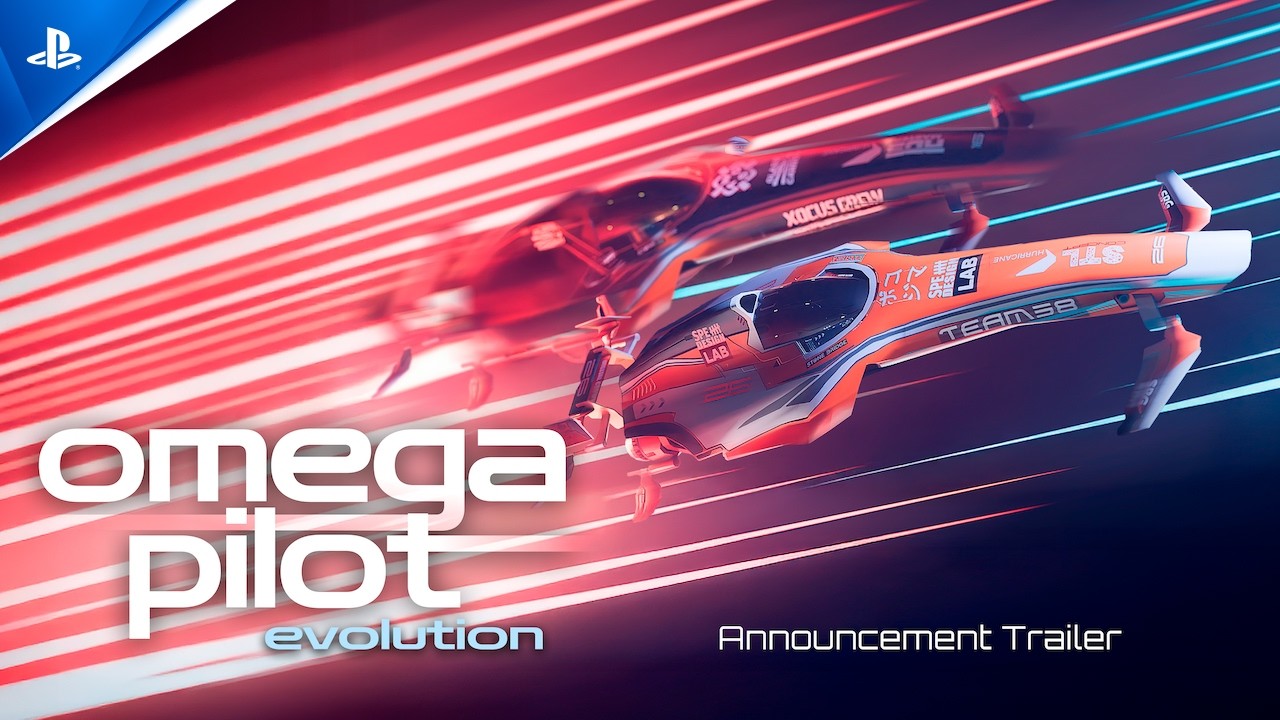
Let me just describe what this is, because if you know, you already know. Omega Pilot Evolution is a first-person anti-gravity racer built around extreme speed and skill-based maneuvering. You pilot cutting-edge hover ships across neon courses full of high-speed bends, and the entire design is about precision piloting at velocities that would be terrifying if they were not so exhilarating. This is the Wipeout formula, full stop, and XOCUS is not being coy about it. The studio is a sequel away from a game it already made, Omega Pilot from 2022, and Evolution is the bigger, meaner version of that idea.
What makes me optimistic is that XOCUS has done this before. The original Omega Pilot was a respectable VR racer with exactly this energy. A sequel from a team that already understands the assignment is a much safer bet than a first attempt from someone chasing a trend. They know what worked, they have player feedback, and Evolution is them swinging harder at a target they have already hit once.
Combat Racing Changes the Whole Pitch
Here is the part that pushed this from interested to genuinely excited for me. Omega Pilot Evolution has a full Combat Racing Mode, and not a token one. We are talking energy blasters, EMPs, shields, and tactical abilities you deploy to outmaneuver and outgun the pack. This is the weapons-based racing that made Wipeout more than a time-trial game. The moment you can knock the leader out of first with a well-timed shot, a racer stops being about lap times and becomes about mind games, positioning, and risk.
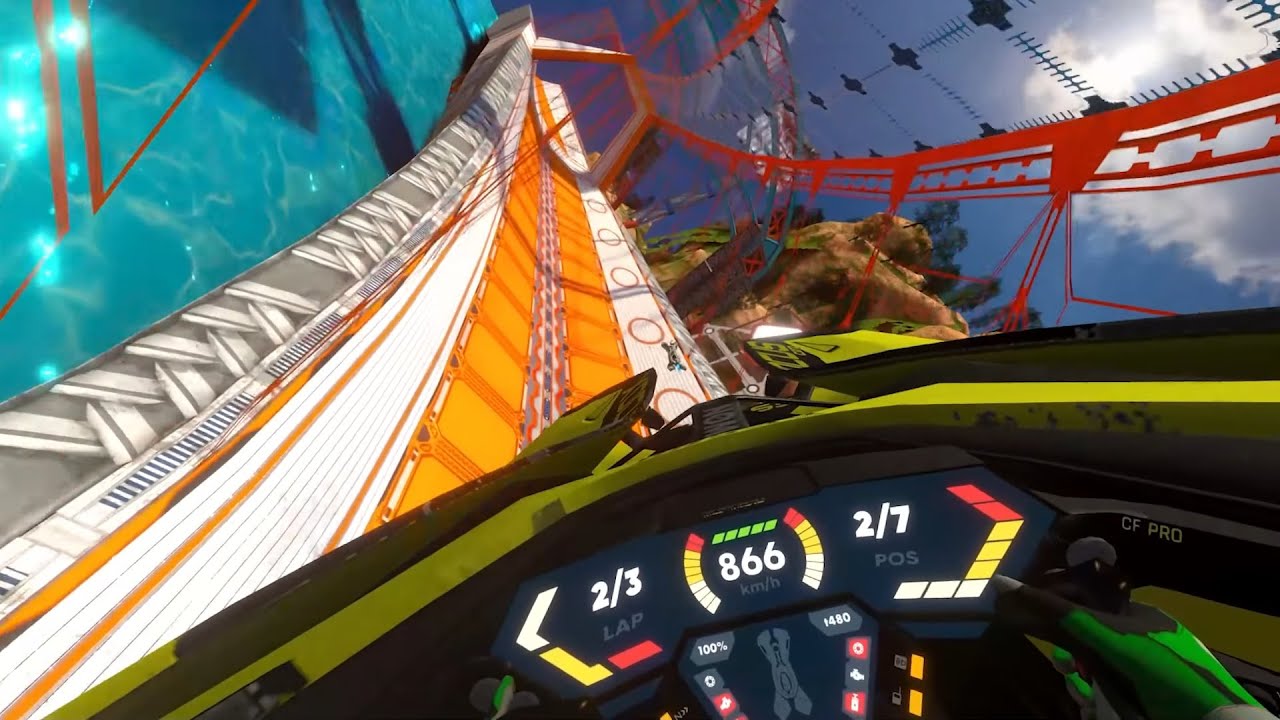
In VR specifically, combat racing has a wrinkle that flatscreen never had. When you are physically sitting in the cockpit, looking around to track an opponent lining up a shot behind you, the tension is bodily. You feel the threat. Checking your six in VR is not a button press, it is turning your head and hoping the thing you see is not about to ruin your race. That is the kind of presence that justifies playing a racer in a headset instead of on a couch.
Advertisement
The PSVR2 Sense Controller Angle
One detail buried in the announcements caught my eye. The PSVR2 version supports racing with the Sense controllers for a more physical, cockpit-style experience. I want to know exactly how deep that goes, because the difference between a great VR racer and a merely good one often comes down to how your hands map to the ship. If the Sense controllers let me feel like I am gripping a yoke or throttle, with the adaptive triggers giving resistance as I push my ship to its limits, that is the secret sauce. PSVR2 has the best haptics and trigger tech in consumer VR, and a racer that actually uses them could be the definitive version.
The asynchronous and real-time multiplayer is the other piece that determines longevity. Solo time trials are fun for a weekend. Global and friends leaderboards plus real-time races against actual humans are what turn a racer into a game you keep coming back to for months. The ship customization and upgrade economy, where race wins earn currency you spend on speed, handling, and durability, is the progression hook that keeps you grinding one more race. If that loop is tuned well, this has staying power.
Why VR Needs This to Land
Here is the bigger picture. VR has a genre gap, and arcade racing is one of the most obvious ones. We have sim racing covered, with iRacing and Assetto Corsa and the wheel-and-pedal crowd well served. What we do not have is the pick-up-and-play, neon-soaked, weapons-and-boost arcade racer that anyone can jump into and immediately feel like a hero. That genre sold millions of copies on flatscreen for thirty years. In VR, where the speed and the cockpit presence should make it even better, it has barely been attempted.
Omega Pilot Evolution is the most serious swing at that gap I have seen. I am not going to pretend I know it will be great. Plenty of promising VR racers have launched stiff, or with empty multiplayer, or with handling that never quite clicked. But the ingredients are all here: an experienced studio, the right genre instincts, combat that fits VR perfectly, and platform-specific features that show they care. I will be racing it the day it drops, and if it nails the handling, this could be the VR arcade racer I have been waiting ten years for. Bring on the neon.
Omega Pilot Evolution launches in June 2026 on Meta Quest, PlayStation VR2, PS5, and Pico.
Advertisement