
The first real images of Samsung's display-less Galaxy Glasses showed up this morning, courtesy of a leak picked up by 9to5Google and Android Headlines. After months of teasers, codename rumors, and One UI 8.5 string-mining, we finally have something concrete. Slim temples, dual front-facing camera lenses, a Samsung wordmark on the inside of the arm. From three feet away, they look like any other pair of frames.
ArApril 27, 2026
Samsung's Galaxy Glasses Just Leaked, and Ray-Ban Meta Finally Has a Real Android Rival
By Jordan Kuo
Staff Writer, VR.org
Advertisement
That's the point.
Galaxy Glasses are Samsung's first run at the audio-and-camera form factor that Meta has been quietly dominating with the Ray-Ban line. No display, no waveguide, no projection optics. Just a 12-megapixel Sony sensor, bone-conduction speakers, a 155mAh battery, and the Snapdragon AR1 platform underneath, all tied to Gemini through a voice-first interaction model. Reported pricing sits between $379 and $499, and the consensus timeline points to a tease at Google I/O in May with the full reveal at Samsung's summer Galaxy Unpacked.
What the Leak Actually Shows
The marketing renders that surfaced today come from what's described as a real testing-stage unit, photographed against a clean studio backdrop. The frames are notably thinner at the temples than Meta's equivalents, with the camera lenses mounted on the outside corners of the front face. Bone conduction is hidden in the arms. There's no visible display, no monocular HUD lens, nothing in the field of view at all.
Weight is reported around 50 grams, which puts these in the same bucket as Ray-Ban Meta and well under the 87 grams Meta listed for last year's Display Edition. Battery is 155mAh, which is on the small side, though that's normal for this category. The all-day battery story for any of these glasses lives in the case, not the frame itself.
The Important Number Is "Powered by Android XR"
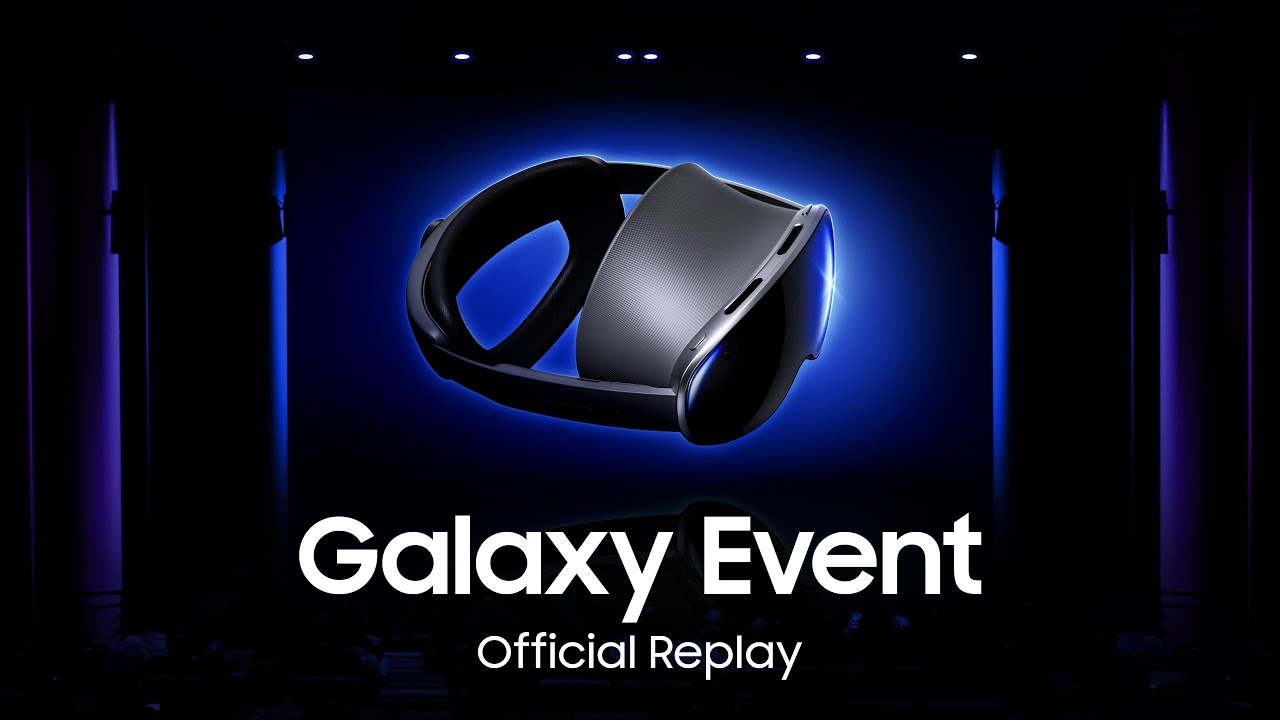
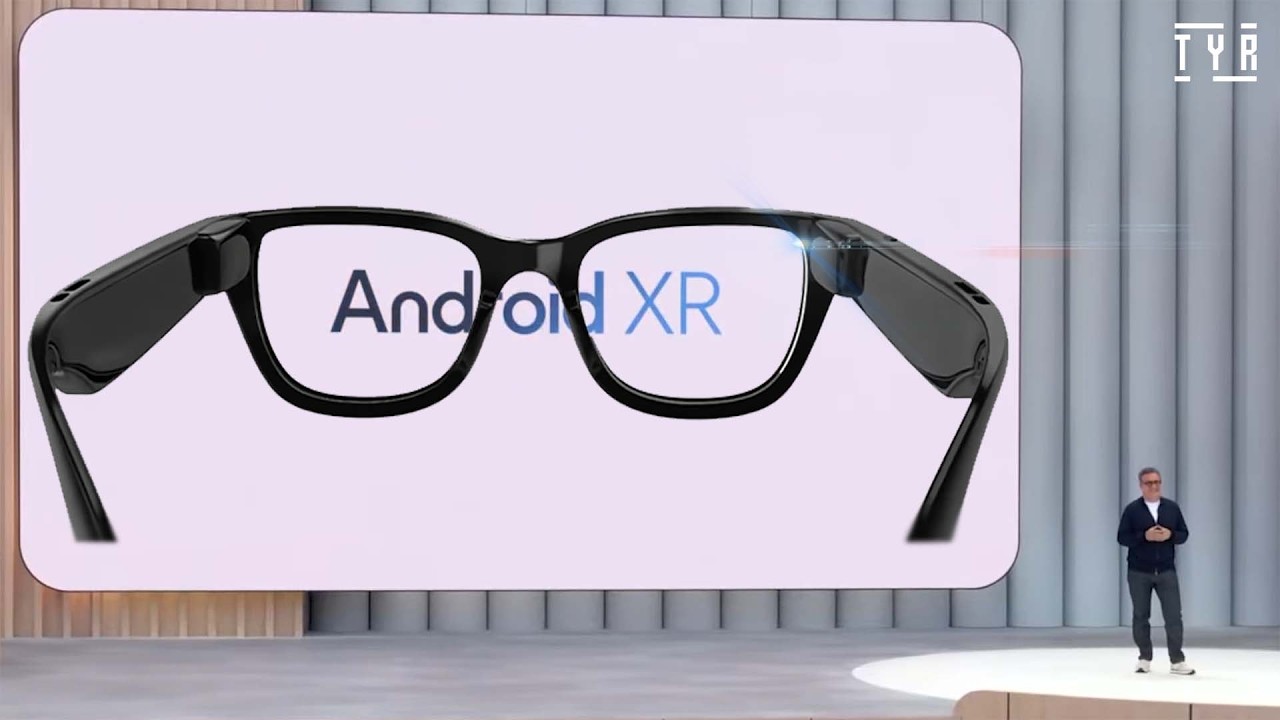
Here is where this leak gets more interesting than another Ray-Ban Meta competitor. Galaxy Glasses are not running a forked, stripped-down RTOS. They are running Android XR, the same platform that ships on the $1,799 Galaxy XR headset that launched in October. That platform parity is the lever Samsung and Google are pulling on, and it is what separates this story from every other smart-glasses leak we have covered in the last twelve months.
What that means in practice is a shared developer surface. The same APIs that target the Galaxy XR headset's full-passthrough mode also target the audio glasses. App pinning, session resumption, the auto-spatialization framework that landed in this month's Android XR update, the new Android Enterprise XR management hooks. Developers do not need a second SDK, a second store listing, a second build pipeline. They build for Android XR, and the system targets the right form factor at runtime.
That is a meaningfully different posture from Meta, which still ships its smart glasses on a closed firmware separate from Horizon OS. It is a posture that should be familiar to anyone who watched the early Wear OS rollout, where Google's bet was always that platform breadth eventually wins out over single-vendor polish. Whether it works this time depends on developers actually showing up.
Gemini Is the Real UI
Without a display, the entire interaction model collapses into voice. Gemini handles natural-language commands, the front cameras supply visual context, and bone-conduction audio answers back. This is the same Project Astra pipeline that Google demoed at I/O last year, now squeezed into a frame light enough to actually wear out of the house.
Advertisement
For a developer audience, that flips the design problem. You are not building an app that paints information on a screen. You are building an agent that responds to a voice query, decides whether to consult a local Android XR API or call out to Gemini, and replies in audio with optional handoff to the wearer's phone or headset. Anyone who has been writing for Wear OS Tile and Complication APIs has already done a lighter version of this exercise. The Android XR documentation is going to start mentioning audio-first surfaces a lot more this summer.
Where the Pricing Lands
The $379 to $499 band is aggressive. Ray-Ban Meta starts at $329 for non-prescription, with prescription lenses pushing the all-in cost higher. Meta's Blayzer and Scriber models, which we covered earlier this month, ship with prescriptions built in and slot in around the same band. Samsung is undercutting nobody at $379, but it is not pricing itself out of the consumer mainstream either, which is what plenty of analysts quietly worried it would do.
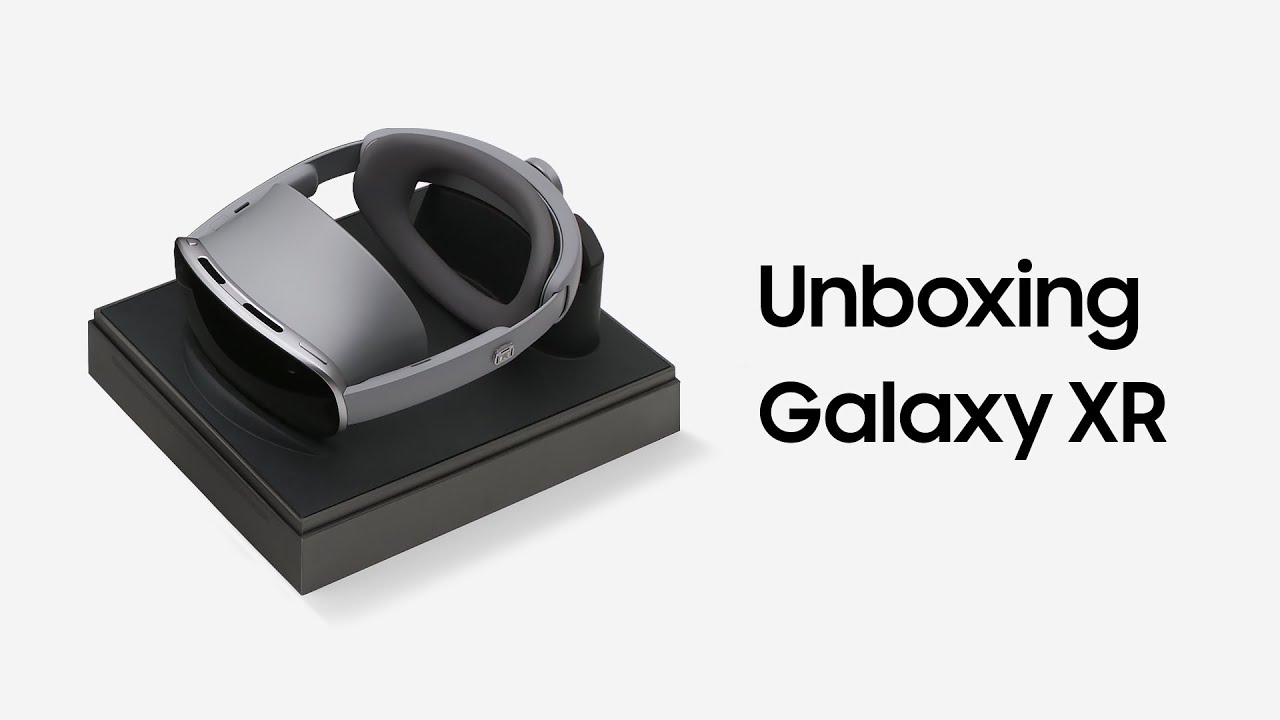
Compare that to the $1,799 Galaxy XR headset and the math gets clearer. Samsung is using the headset to carry the platform credibility and the glasses to carry the volume. That is the same ecosystem ladder Apple has been talking about for years, except Samsung is actually shipping the second rung.
What to Watch Going Forward
Three things matter from here. First, when Samsung actually ships, and whether the leak's I/O tease holds up. Google I/O runs May 19 and 20. If Samsung is going to seed the platform story before Galaxy Unpacked in summer, that is the window.
Second, the Snapdragon AR1 versus AR2 question. AR1 is what shipped in Ray-Ban Meta. AR2 is the next-generation chip Qualcomm has been signaling for the higher-end display models. The leak puts AR1 in Galaxy Glasses, which fits the pricing, but it also confirms Samsung is treating these as the entry tier of a multi-product lineup. The display-equipped Gemini Display Edition that Google previewed in December is still coming, and it will almost certainly be on AR2 silicon.
Third, whether developers care. Android XR's headcount on the Play Store is still small. The platform's value proposition for glasses depends on the same auto-spatialization and shared-API story that has been the through-line of every Android XR update since launch. If the second-party apps do not materialize, Galaxy Glasses become another Ray-Ban Meta clone with better dictation. If they do, Samsung might actually have a moat.
One leak does not decide that. But for the first time, Meta has a competitor on Android with the same platform breadth, the same AI assistant, and a price that does not immediately disqualify it. The smart-glasses race for 2026 has its second runner.
Advertisement