
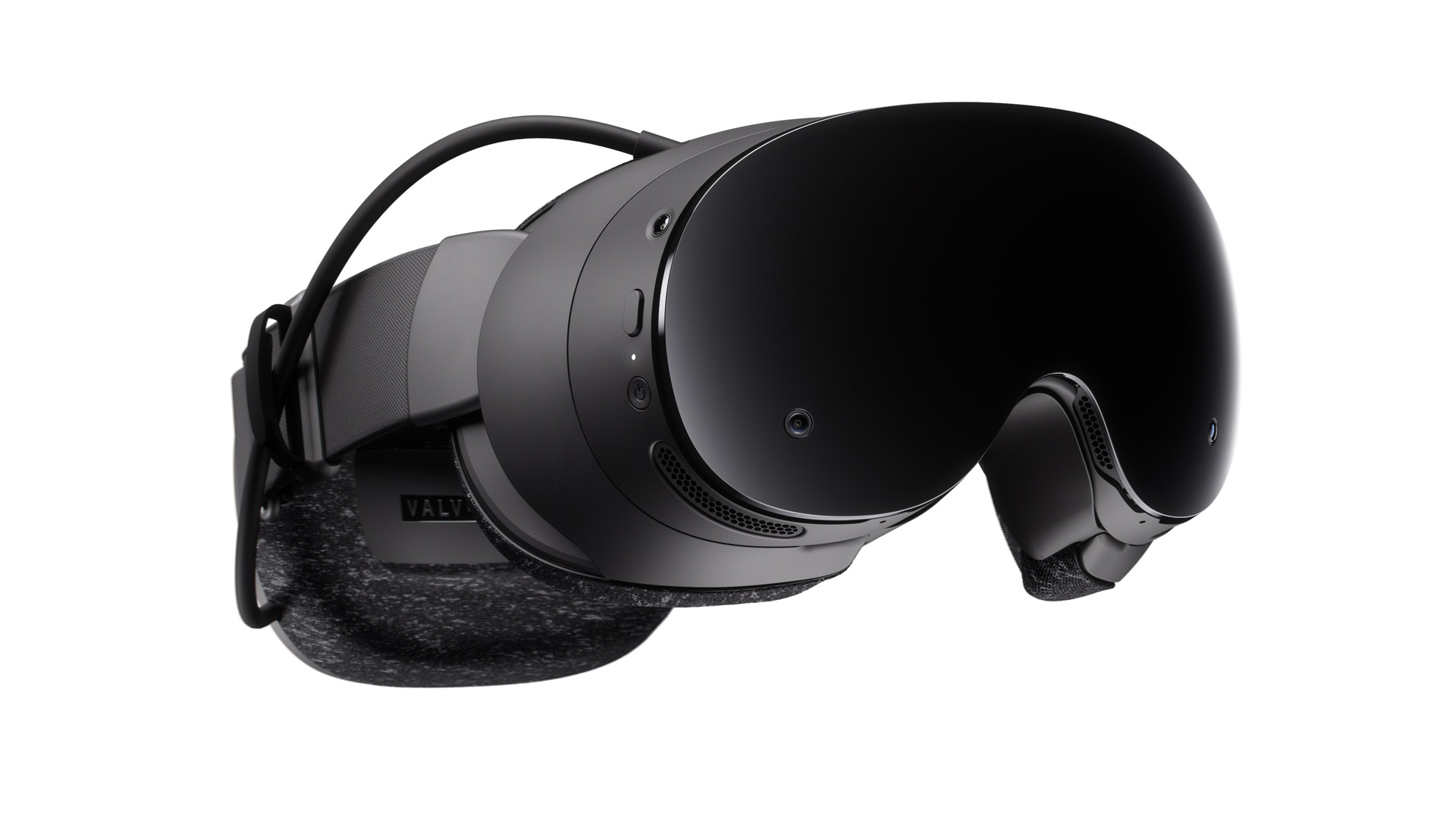
Valve hasn't released a VR headset since the Index in 2019, and that one required base stations, a tethered PC, and over a thousand dollars to get the full kit. Steam Frame is a completely different play. It's standalone, wireless, runs SteamOS, and includes a dedicated wireless dongle for streaming from a gaming PC. Think of it as a Steam Deck for your face.
HardwareMarch 19, 2026
Valve's Steam Frame: Everything We Know So Far
By Evan Marcus
Co-Founder, VR.org
Advertisement
What's confirmed
Valve has confirmed that Steam Frame is shipping in 2026. The headset runs a VR version of SteamOS with Proton support, which means it can run Linux, Windows, and Android games natively. It works as a standalone device out of the box but also supports wireless streaming from a PC via a dedicated dongle, giving you the best of both worlds.
The "streaming first" approach is smart. Standalone hardware will always have processing limits, but if you can wirelessly stream from a gaming PC with zero perceptible latency, you get standalone convenience with PC VR quality. That's been the holy grail since standalone headsets became a thing, and Valve seems to be prioritizing it.
Why this matters
The Quest platform has dominated VR for years largely because there was no real competition in the standalone space. PSVR 2 requires a PS5. The Valve Index requires base stations and a PC. Apple Vision Pro costs $3,500. For most people, the Quest was the only real option.
Steam Frame changes that equation. Valve has the largest PC gaming library in the world, a massive existing user base, and a reputation for building hardware that lasts. If they can deliver a standalone headset that plays the full Steam VR library wirelessly, that's a fundamentally different value proposition than what Quest offers.
The big question: launch titles
Every successful gaming platform needs a killer launch title. The Wii had Wii Sports. The Quest had Beat Saber. The Index had Half-Life: Alyx. The VR community is hoping Valve pairs Steam Frame with something in the Half-Life universe, though nothing has been confirmed. Even without a first party title, access to the Steam VR library from day one is a strong starting position.
What we're watching
Pricing is still unknown, and that will matter a lot. If Valve prices Steam Frame competitively with the Quest 3 ($500 range), it could seriously disrupt Meta's dominance. If it's positioned as a premium device closer to $700 or $800, it'll appeal to enthusiasts but won't move the mainstream needle as much.
We'll update this page as more details emerge. For now, Steam Frame is the most anticipated VR hardware launch of 2026, and for good reason.
Advertisement