
Valve has never been the company that lowers the bar. When the rest of the VR industry was shipping 60Hz headsets in 2014, Valve and Oculus both declared that 90Hz was the minimum for a quality experience. Twelve years later, Valve is saying the same thing, except now the target hardware is a standalone headset running a Snapdragon 8 Gen 3 at 10 watts.
SoftwareApril 25, 2026
Valve's Steam Frame Verified Label Requires 90 FPS. That's Stricter Than Quest and Pico.
By Nina Castillo
Staff Writer, VR.org
Advertisement
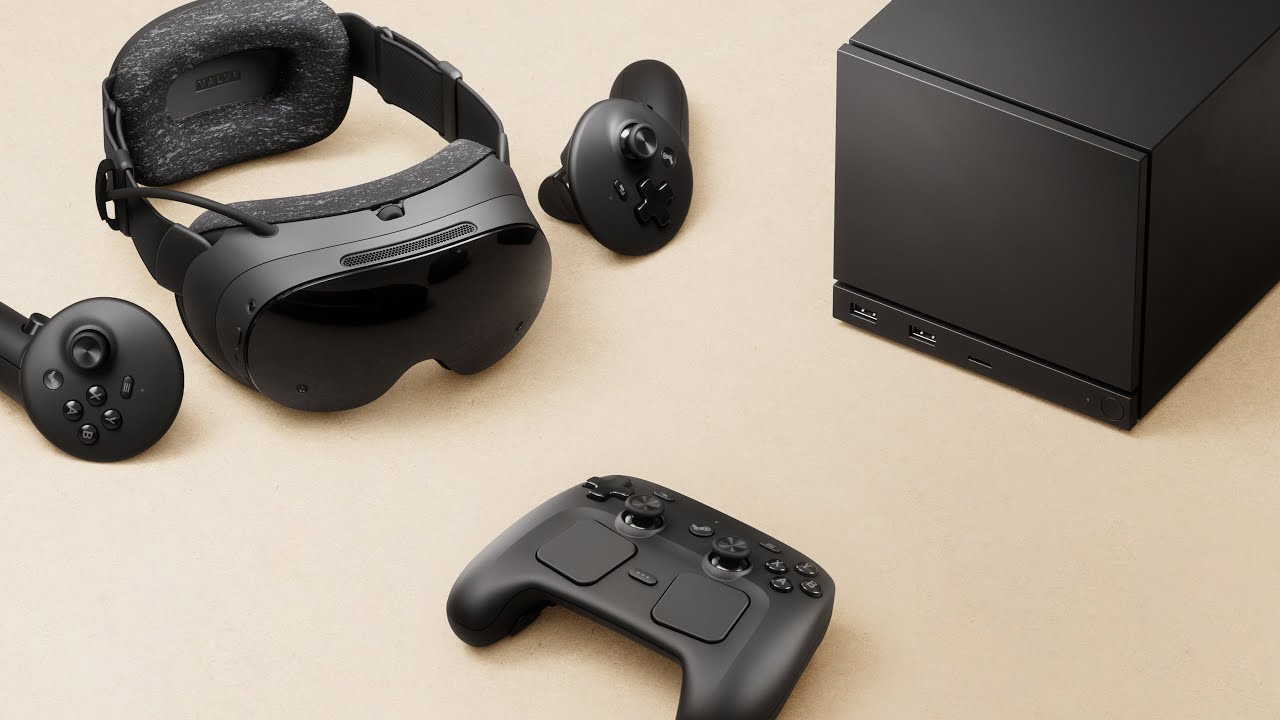
At GDC 2026, Valve detailed the specific criteria developers must meet to earn the "Steam Frame Verified" badge. For standalone VR titles, the requirement is 90 frames per second. For standalone flatscreen games, it is 720p at 30 FPS. Both modes require full playability with Steam Frame controllers and legible UI. There are no exceptions, no "playable at 72Hz" tier, no fallback label for games that almost get there.
Why 90 FPS matters more than the number suggests
The Meta Horizon Store and the Pico Store both accept VR titles running at 72Hz. That is the floor for those platforms, and plenty of shipped games target it. 72Hz is fine. Most users will not notice flicker or feel uncomfortable at that refresh rate in most scenarios. But Valve has always argued that 90Hz is where VR stops feeling like a compromise, and the difference is measurable. Below 90 FPS on low-persistence displays, bright scenes produce visible flicker in the user's peripheral vision. Head tracking feels slightly less locked to the real world. For users who are sensitive to it, the gap between 72 and 90 is the gap between "this is okay" and "this disappears."
By setting the Verified bar at 90, Valve is telling developers that the Steam Frame ecosystem will not accept the same performance tradeoffs that Quest and Pico do. If your game runs at 72 on Quest and you want to ship on Steam Frame, you need to find another 25% of frame budget somewhere. On a mobile chip. That is not a trivial ask.
The developer challenge
The Steam Frame runs a Qualcomm Snapdragon 8 Gen 3, which is a flagship smartphone processor from late 2023. It is not an XR-specific chip like the Snapdragon XR2 Gen 2 inside the Quest 3. Valve chose the 8 Gen 3 because it offers better raw gaming performance than the XR2 line, but it is still a mobile processor with a roughly 10-watt thermal envelope when sustained.
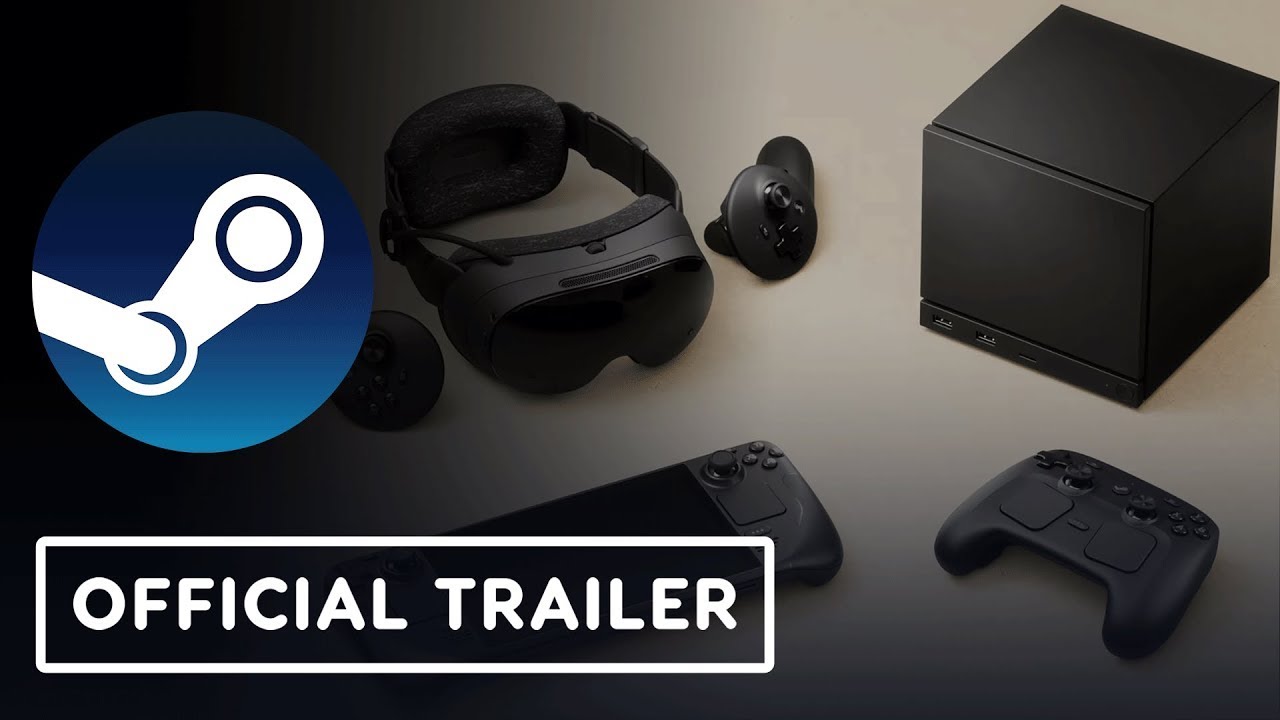
Getting a PC VR title to run at 90 FPS on that chip is going to require serious optimization work. Developers who have shipped on Quest know the drill: aggressive LOD systems, simplified shaders, baked lighting where possible, dynamic resolution scaling, and careful memory management. The difference here is that Steam Frame runs SteamOS and uses Proton for Windows game compatibility, which means developers are not rewriting their rendering pipeline for Android. They are optimizing their existing Linux or Proton builds for mobile-class hardware. Whether that is easier or harder depends entirely on how the game was built in the first place.
Advertisement
Valve's Application SpaceWarp equivalent could help. If the runtime supports frame synthesis similar to Meta's ASW, developers could render at 45 FPS and let the system interpolate the rest. Valve has not confirmed this for Steam Frame yet, but it would be the most practical way to close the gap for graphically demanding titles that cannot reach native 90 on the hardware.
What this means for the Steam Frame library at launch
The Verified label is not a gatekeeper. Games that do not meet the criteria can still be available on Steam Frame. They just will not carry the badge, and users will see a compatibility warning instead. This mirrors how Steam Deck Verified works: the badge is a recommendation, not a requirement.
But the badge matters. On Steam Deck, Verified titles get priority placement in the store and users have learned to trust the label as a shortcut for "this will work well on the hardware." Steam Frame Verified will carry the same weight. Developers who want visibility in the Steam Frame storefront have a strong incentive to hit that 90 FPS target, even if the optimization cost is high.
Valve is betting on quality over quantity
Meta's approach to building the Quest library has always prioritized breadth. Get as many titles as possible onto the store, let users sort through them, and let the market decide what sticks. Valve's approach with Steam Frame is the opposite. Set a high bar, give developers the tools to reach it, and let the Verified label do the curation.
For developers already shipping on Quest at 72Hz, the message is clear. Steam Frame is not a free port. It is an optimization target. And for the subset of developers willing to put in the work, the reward is a curated storefront backed by Valve's distribution infrastructure and a user base that has historically been willing to pay more for quality.
Whether that bet pays off depends on how many developers actually hit the bar. Valve is betting enough of them will.
Correction, August 5, 2026: Valve has since revised this requirement. The Steam Frame partner documentation now sets the standalone VR bar at a minimum of 72 fps at 1728x1728 per eye, not the 90 FPS announced at GDC 2026, and the change was made without an announcement or a changelog. The article above is preserved as originally published and reflects the requirement as Valve stated it in March 2026. Thanks to reader Simplex (@SimplexPL on X), who flagged it. Our reporting on the revision is here: Valve Quietly Cut the Steam Frame Verified Requirement From 90 FPS to 72.
Advertisement