
Meta is letting go of Supernatural. The company announced this week that the VR fitness app it fought regulators to acquire is being spun out into an independent company called Supernatural Health, with the original founders and coaches taking the product back and parting ways with Meta entirely.
SoftwareJune 4, 2026
Meta Gives Up Supernatural. The $400 Million Fitness App Goes Independent.
By Alex Reeves
Staff Writer, VR.org
Advertisement
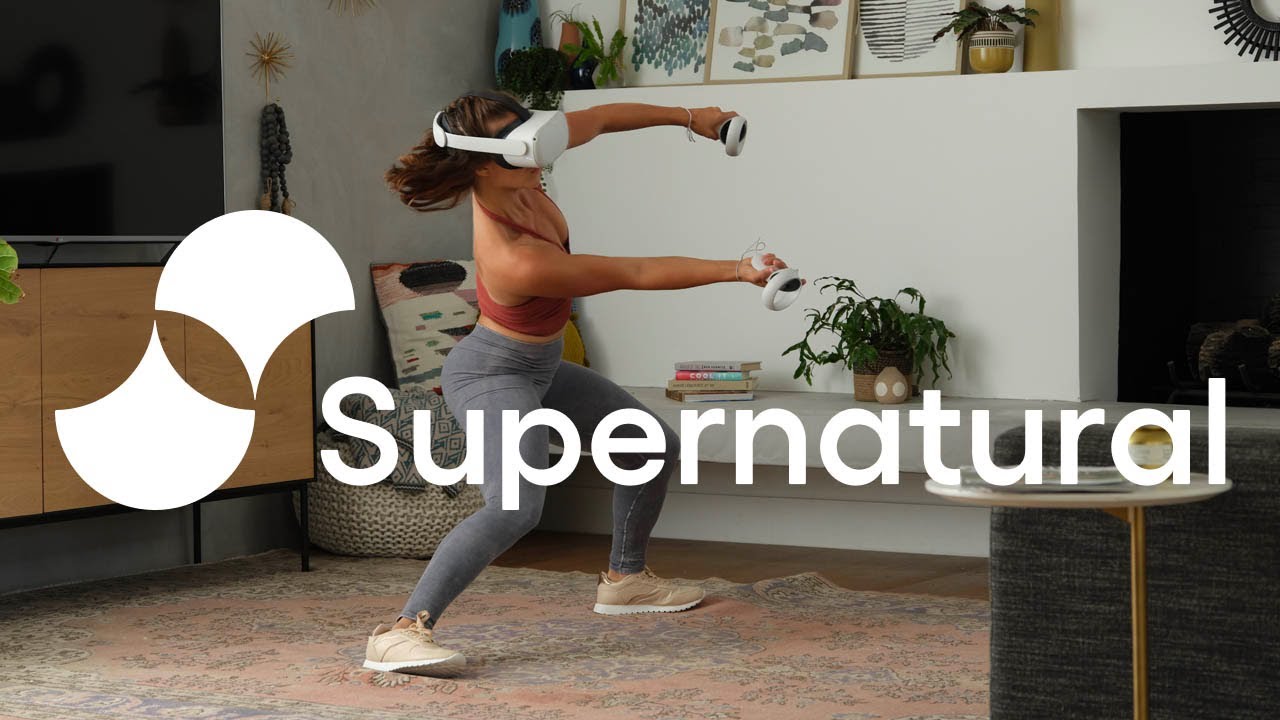
If that name rings a bell, it should. Meta paid roughly $400 million for Within, the studio behind Supernatural, back in late 2021. The deal was big enough to draw an antitrust suit from the US Federal Trade Commission, which argued Meta was monopolizing the VR fitness market. Meta spent more than a year fighting that suit and won, with the FTC dropping the case in early 2023. Three years later, the company is handing the whole thing back.
What happens to current subscribers
The transition is a clean break, and it comes with real dates. The current version of Supernatural winds down on December 3, and all existing subscriptions end with it. The new company plans to launch a separate Supernatural app on the Horizon Store this fall, rebuilt in large part from the ground up by what the team describes as a much smaller company.
The part most subscribers will care about is pricing. Supernatural currently costs $10 a month or $100 a year, a rate Meta lowered to make the service more accessible. The independent version returns to the original $20 a month or $200 a year. The team is offering a Founding Member rate of $180 for the first year, and says all of the original coaches will be back on day one, along with new workouts and planned features down the road.
In its community post, the studio was upfront about the bumps ahead. "The early days won't be perfect, but our small team is committed to building the Supernatural you know and love and taking it to the next level," the announcement reads.

How we got here
Supernatural has been in limbo since January, when Meta said it would stop pushing content updates to the app as part of a broader pullback from first party VR gaming. For a subscription fitness service built around a steady drip of new workouts and music, that was effectively a death sentence with a long fuse. Subscribers kept paying while the content calendar went quiet.
Seen in that light, the spin-out is the best realistic outcome. Meta clearly was not going to invest in the app anymore, and a fitness service without new content bleeds members until someone turns the lights off. Handing the product back to the people who built it at least gives Supernatural a path forward, even if that path costs users twice as much per month.
There is also a certain symmetry to the economics. Meta spent $400 million and a year of legal fees to own the VR fitness category, then spent three years running the service at a discounted price, and is now walking away with nothing but the lesson. The FTC argued in 2022 that Meta was buying its way to monopoly. It turns out the monopoly was not worth keeping.
What it means for VR fitness
The bigger question is whether a small independent studio can make the subscription math work where a trillion dollar company decided it could not. The new pricing suggests the team knows exactly how hard that will be. $20 a month is real money, and Supernatural will be asking for it in a market where VR fitness has settled into a niche rather than the mainstream wave it once looked like.
On the other hand, that niche is loyal. Supernatural's community stuck around through a year of maintenance mode, and the coaches are genuinely the product's moat. No other VR fitness app has built that kind of parasocial glue. If the relaunch lands this fall with the full coaching roster intact, there is a real business there, just a smaller one than Meta wanted.
For Meta, this is one more data point in a year of narrowing focus. Studio closures, the Horizon Worlds VR retreat, and a pivot toward smart glasses and AI have all pointed the same direction. The company is shedding everything in VR that is not core platform or hardware. Supernatural was an expensive experiment in owning content, and the experiment is over.
Advertisement