
About two years ago I decided I was going to stop going to the gym and just work out in VR. I had Beat Saber. I had Supernatural. I had Thrill of the Fight. I had a Quest 3 and a clear play space and the conviction of a man who had just read three articles about people losing 100 pounds by slicing blocks to EDM music.
GamingApril 14, 2026
I Tried to Replace the Gym With VR. Here's What Actually Happened.
By Evan Marcus
Co-Founder, VR.org
Advertisement
I want to tell you how that went, because the VR fitness story in 2026 is not the one anyone predicted.

The promise
The pitch for VR fitness was elegant. Exercise is boring. Games are fun. Put the exercise inside the game and people will work out without realizing it. Beat Saber proved the concept almost by accident. A rhythm game where you slash blocks with lightsabers turned out to burn 6 to 10 calories per minute depending on difficulty, which the Virtual Reality Institute of Health and Exercise rated equivalent to playing tennis. Not walking. Not light stretching. Tennis.
Meta believed in this so much that they spent $400 million acquiring Within, the company behind Supernatural, after fighting the FTC to close the deal. Supernatural was the premium VR fitness experience. Guided workouts. Real music. Calorie tracking. A subscription model. It was supposed to be the Peloton of VR.
Then in January 2026, Meta put Supernatural into maintenance mode. No new content. No new features. The app still works, but nobody is adding anything to it. The $400 million bet on VR fitness was quietly shelved alongside 1,500 laid-off Reality Labs employees.
What the science says
Here is the frustrating part. VR fitness actually works. The science is not ambiguous about this.
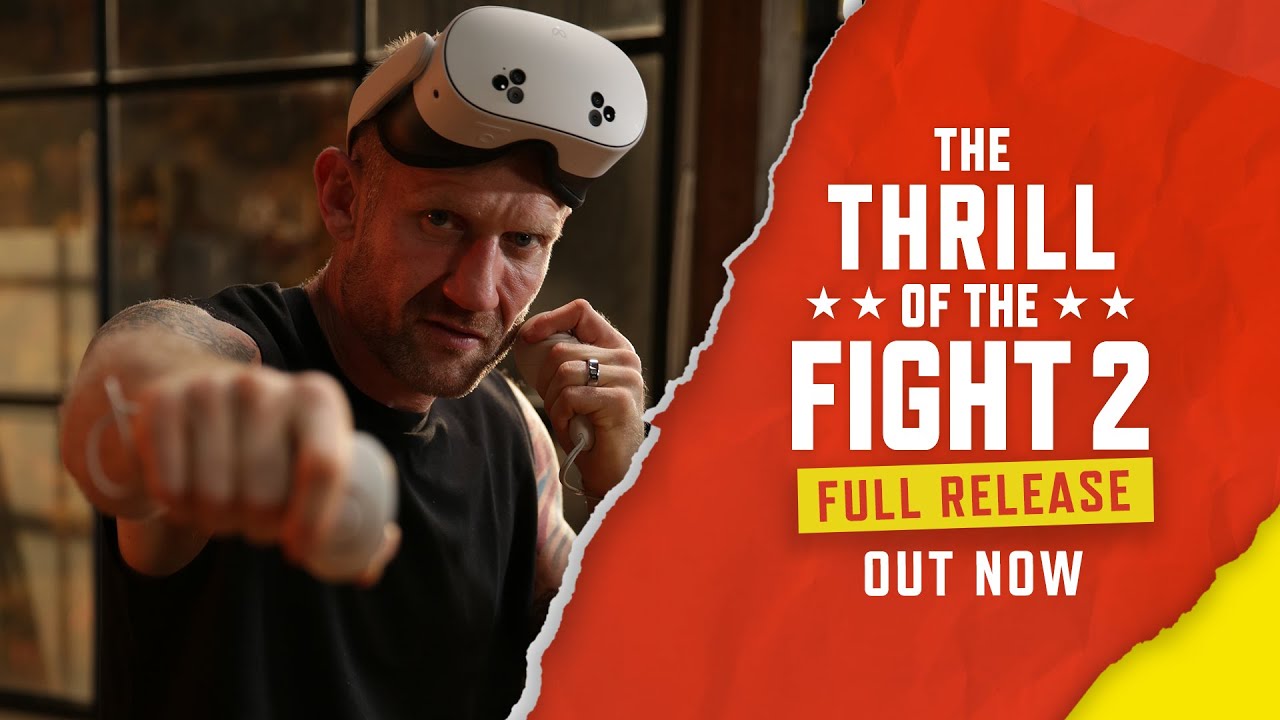
Beat Saber on Expert difficulty burns 350 to 500 calories per hour. Thrill of the Fight burns 9 to 15 calories per minute, which is closer to actual boxing than most boxing fitness classes. PwC research found that VR users are 3.75 times more emotionally connected to what they are doing, 4 times more focused, and 2.3 times more engaged than people doing the same activities in traditional settings.
A systematic review found that VR exercise improved physiological and psychological outcomes compared to conventional exercise. Studies measured 2.6% BMI reduction and 5.3% body fat reduction in VR groups. One 10-minute VR session improved mood and working memory better than conventional exercise alone.
Robert Long lost 138 pounds playing Beat Saber. Chesney Mariani lost 70 pounds on Supernatural and became an in-game coach. A PCWorld journalist documented losing 100 pounds combining VR gaming with diet changes. These are not made up. These are real people with real results.
So the exercise works. The calorie burn is real. The engagement advantage is measurable. Why did the industry's biggest bet on VR fitness still fail?
What actually happened
I will tell you what happened to me, because I think it mirrors what happened to a lot of people.
The first month was incredible. I played Beat Saber every day. I was sweating through my facial interface. I was genuinely sore the next morning. I could feel my cardio improving. The dopamine hit of clearing an Expert+ song while burning 400 calories was unlike anything a treadmill had ever offered.
The second month I played four times a week. The third month, twice. By month four I was back at the gym and the Quest was on my desk.
Advertisement
It was not because VR fitness stopped working. It was because of everything around it. The headset gets sweaty and uncomfortable during sustained cardio. The facial interface needs cleaning after every session. You need a clear play space, which means moving furniture or having a dedicated room. You are isolated. Nobody is next to you on another treadmill. Nobody is spotting you. The social component of a gym, which I did not realize I valued until it was gone, was completely absent.
And here is the thing nobody talks about. VR fitness is almost entirely upper body cardio. Beat Saber works your arms and core. Thrill of the Fight works your shoulders and back. But nobody is doing leg day in VR. Nobody is doing deadlifts. The workout is real but it is incomplete, and if you are using it as your only exercise, you are building an unbalanced fitness routine.
What survived
Supernatural is in maintenance mode. But VR fitness did not die. It just settled into what it actually is instead of what the marketing said it would be.
Beat Saber is still the king, and it works because it never tried to be a fitness app. It is a game that happens to be physically demanding. That distinction matters. When you open Beat Saber, you are there to play a game. The workout is a side effect. That is why people stick with it when they drop dedicated fitness apps.
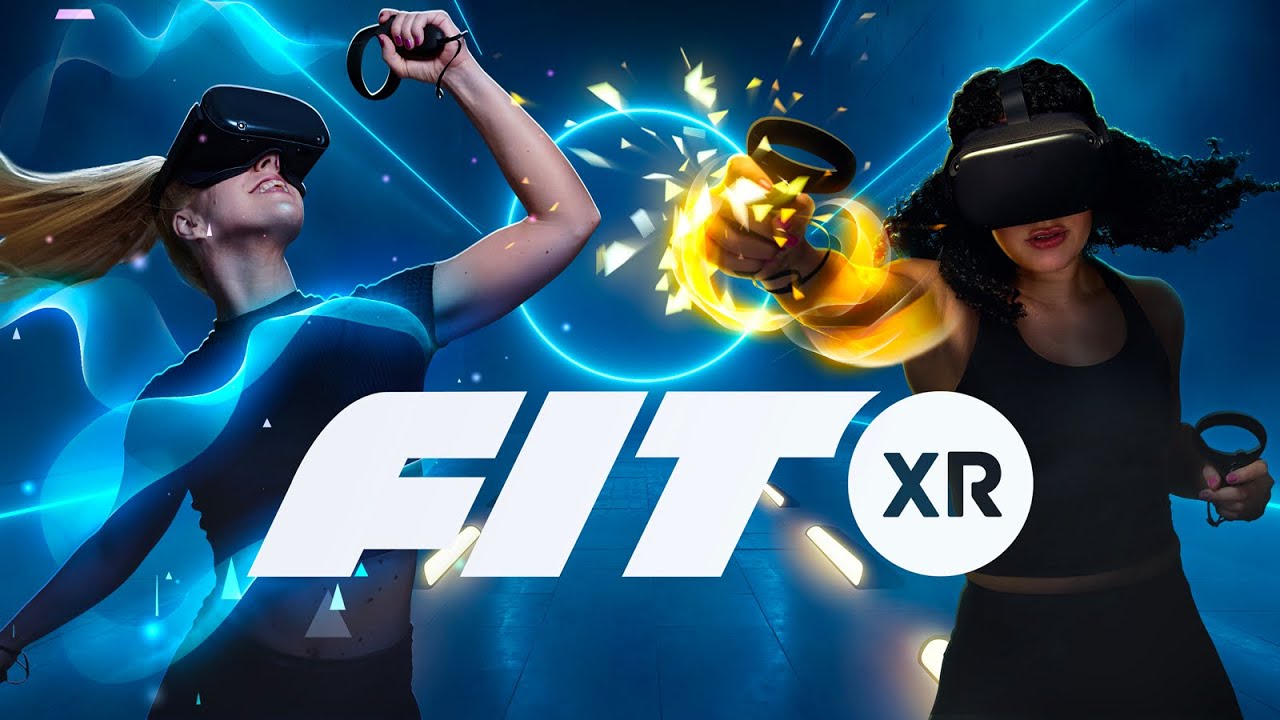
FitXR carved out a sustainable niche with over a million monthly active users, charging $12.99 a month for 1,000 on-demand classes across boxing, dance, HIIT, and sculpt. They added hand tracking so you do not even need controllers. Les Mills BodyCombat VR brought a real fitness brand into VR with structured programs across seven disciplines. Thrill of the Fight 2 remains the most physically intense VR experience available, period.
The newest entry worth watching is Shardfall: FitQuest VR, which takes the Ring Fit Adventure approach of wrapping a full RPG around physical movement. Jog to run. Do yoga poses to cast spells. It is the closest anyone has come to making exercise feel like a genuine adventure game.
What I actually learned
VR fitness is not a replacement for the gym. It never was going to be. Meta spending $400 million on that premise was a misread of what people actually need from exercise.
What VR fitness is good at is filling the gaps. The days when you cannot make it to the gym but you can put on a headset for 30 minutes of Beat Saber. The rainy weekends when going outside sounds terrible but punching virtual opponents sounds great. The cardio sessions that you would normally skip because running on a treadmill feels like punishment.
I still use my Quest for fitness about twice a week. I still go to the gym three times a week. That combination works. The headset replaced the parts of exercise I hated, and the gym handles the parts the headset cannot.
That is a less exciting story than "VR replaces the gym forever." It does not justify a $400 million acquisition. But it is the truth, and the truth is that VR fitness is a genuinely useful tool that got buried under hype it could never live up to.
The people who lost 100 pounds playing Beat Saber are real. The science showing real calorie burn is real. But the idea that a headset was going to replace a building full of equipment and other humans was always a fantasy. The sooner we stop selling that fantasy, the sooner VR fitness can be appreciated for what it actually is. Which, for the record, is pretty good.
Advertisement