
A few days ago I wrote up what I wanted to see from the UploadVR Summer Showcase. Now it has aired, with more than thirty mixed and virtual reality announcements packed into one stream, and I have had a night to sit with all of it. The short version: this was a strong show, heavier on horror than I expected, full of the kind of mid-size indie ambition that has quietly become VR's lifeblood. The big-budget tentpoles are still rare, but the depth of the indie pipeline on display here is the healthiest sign for VR gaming I have seen at a showcase this year.
GamingJune 13, 2026
The UploadVR Summer Showcase Delivered 30+ Reveals. Here Are the Ones That Actually Matter.
By Evan Marcus
Co-Founder, VR.org
Advertisement
Let me walk you through the reveals that stuck with me, grouped by what they tell us, rather than just listing thirty trailers at you. If you want the exhaustive list, UploadVR has the full rundown. This is the part where I tell you what to actually pay attention to.
Horror ran away with the show
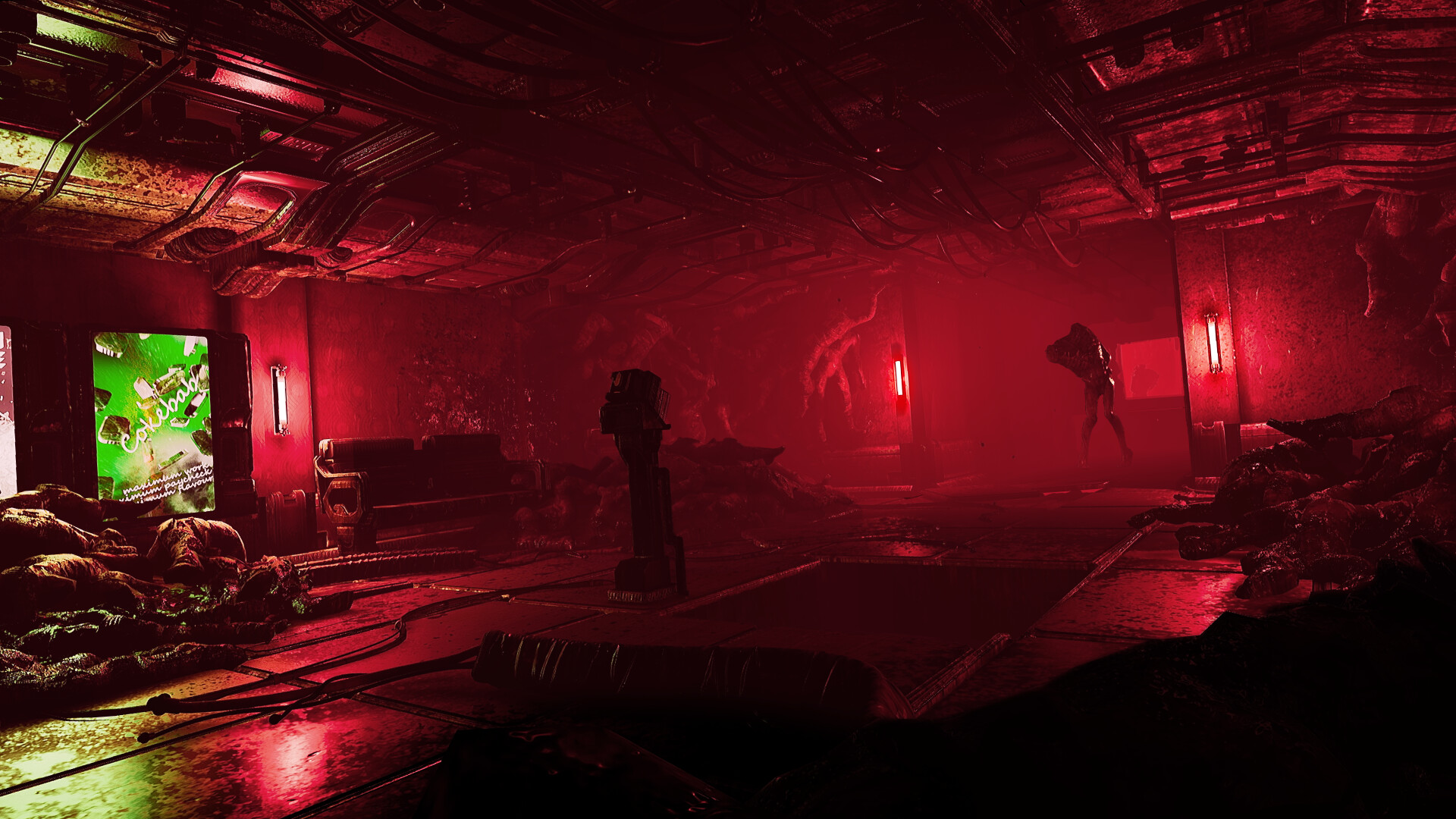
If there was one theme that dominated this showcase, it was horror, and honestly, good. VR is the best horror delivery system ever invented, and developers have clearly figured that out. The standout for me was Rustmourne, a sci-fi horror first-person shooter that wears its influences proudly. The pitch is Half-Life: Alyx meets Dead Space, and you explore ancient corridors deciding moment to moment whether to run, hide, or chop your way through whatever is waiting in the dark. Those are two of the best names you can possibly invoke in VR, and the trailer had the atmosphere to back up the ambition. This one immediately went on my watch list.
Right behind it was Project NEOS from False Horizon Games, a sci-fi thriller where you are trapped on a spaceship run by an AI that is entirely committed to killing you. It is a premise we have seen in flatscreen games, but in VR, being hunted through a vessel by a hostile intelligence that controls every door and camera is a genuinely different kind of stress. Then there is Already Dead, which goes the opposite direction stylistically. It is an old-school survival puzzler using fixed-camera, third-person framing, the classic Resident Evil presentation, reimagined for PSVR2 this fall. Seeing a developer deliberately bring tank-era horror staging into VR is exactly the kind of creative swing I love to see. And Hauntify rounds out the horror slate with ten different supernatural entities and a multiplayer update already promised for 2027 on Quest.
Four distinct takes on horror in one showcase, each chasing a different corner of the genre. That is not a coincidence. It is developers following the thing VR does better than any other platform, which is make you feel genuinely unsafe in a space your body believes is real.
The squad shooters showed up too
If horror was the heart of the show, cooperative shooters were the backbone. The headliner is Guardians Planetfall from VirtualAge, the team behind Guardians Frontline. This is the kind of reveal I get excited about because it comes from a studio with a track record. Frontline was a smart blend of shooter and real-time strategy, and Planetfall has you squadding up to fight for the fate of humanity. The best news: it is available on Meta Quest right now, with a SteamVR release coming later this summer. A showcase reveal you can actually go play the same day is a rare and welcome thing.
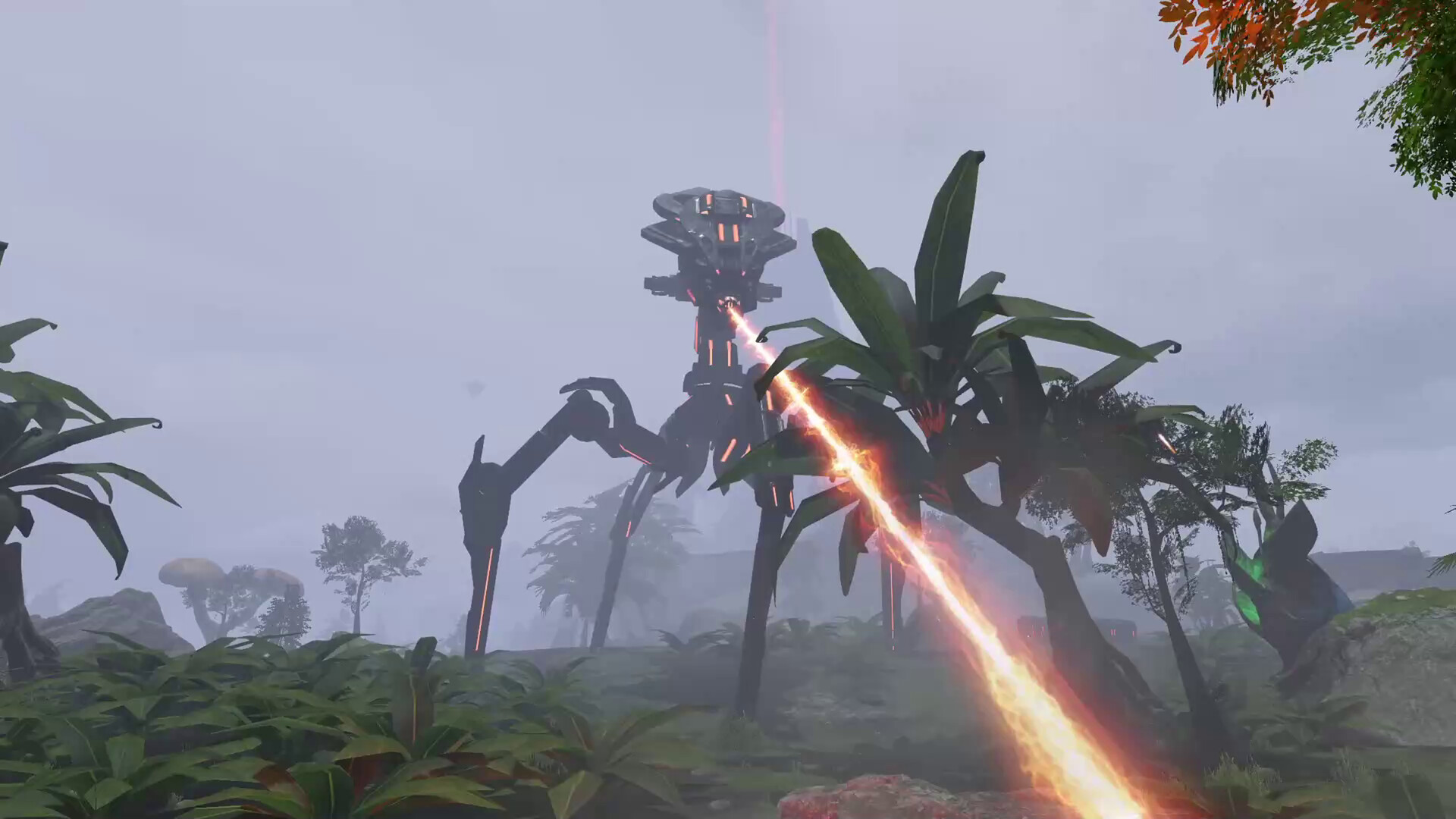
Sol Protocol is the other one I am tracking, a spaceship game where you conquer the skies with a squad and explore deep space, heading into early access in September. Co-op VR lives or dies on whether the moment-to-moment shooting feels good and whether your friends actually show up, but the appetite for these squad experiences is clearly there, and developers keep feeding it.
Advertisement
Movement games are getting weird in the best way
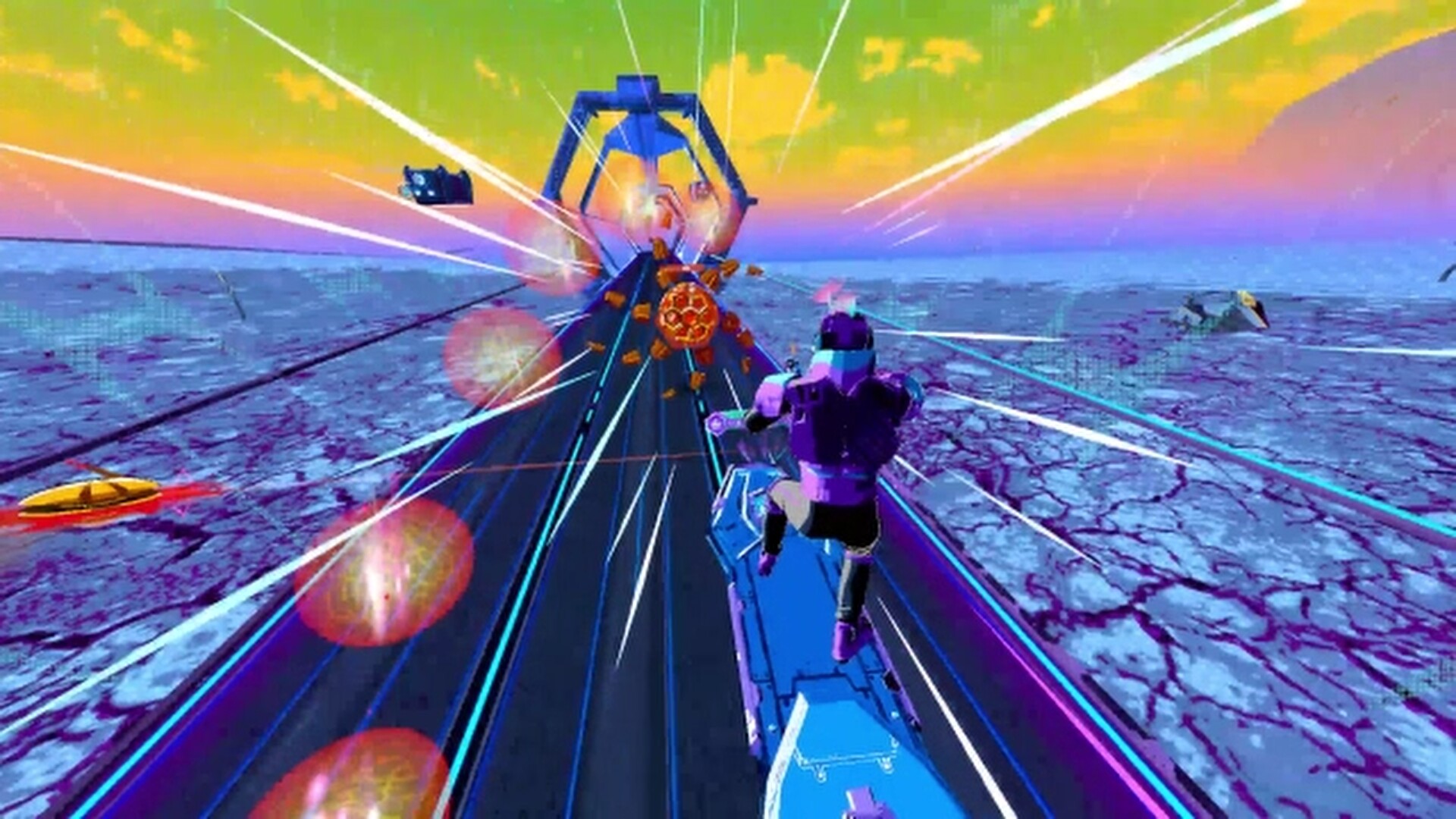
This is the category that surprised me most. Hyperlane Highway from Ryality Studio is a VR hoverboard roguelite set in a neon cyberpunk world, where you dodge enemy fire and dual-wield blasters while steering through hyperlanes. A roguelite built around the physical act of carving through neon highways on a hoverboard is the kind of pure VR concept that could not exist anywhere else. It is up for wishlist on Quest and SteamVR with a Q4 2026 launch, and as someone who loves both roguelites and movement-driven VR, this one hit a very specific sweet spot for me.
Then there is Jetpack Clankers, a free multiplayer game that jumped straight into early access right after the show. Free plus multiplayer plus jetpacks is a combination almost engineered to build a community fast, and pricing it at zero is a smart way to get bodies into lobbies on day one. Movement in VR has come a long way from teleport-and-pray, and these two are proof the genre is maturing into something genuinely its own.
Not everything wanted to stress you out
For all the horror and combat, the showcase made room for calmer fare, and I appreciated the balance. Cave Crave from 3R Games is a cave systems simulation arriving in July, the kind of slower, exploratory experience VR is quietly excellent at. Color-A-Cube lands June 18 on Quest and PICO with a relaxed creative hook. And a number of existing titles used the show for meaningful updates rather than reveals, like Game Night, which dropped a co-op update the day of the showcase. The lesson VR developers seem to have internalized is that not every player wants their heart rate at 160. Sometimes you want to wind down inside a cave or a coloring puzzle, and a healthy platform serves both.
What this showcase actually tells us
Step back from the individual trailers and a picture emerges. There was no single system-selling megaton here, no Alyx-scale announcement that makes someone buy a headset on the spot. If you came looking for that, you left a little hungry, and that is a fair criticism of where VR is right now. The platform holders are not funding many giant exclusives, so the showcase leaned on mid-size and indie studios.
But here is the optimistic read, and I believe it is the correct one. The depth was remarkable. Thirty-plus announcements, spread across horror, shooters, movement games, simulation, and creative tools, the overwhelming majority of them targeting multiple platforms. That breadth is what a healthy ecosystem looks like. A platform that only survives on tentpoles is fragile. A platform with a deep bench of ambitious indies releasing constantly across Quest, PSVR2, and PC VR is durable. This showcase was a bench-depth show, and the bench is deep.
I came away genuinely encouraged. The talent is here, the ideas are here, and the developers building for VR right now are clearly creating for the medium's strengths rather than porting flatscreen concepts and hoping. Rustmourne, Project NEOS, Hyperlane Highway, Guardians Planetfall, these are not compromises. They are games that want to be in a headset. Summer showcase season is just getting started, with more events still to come, but if this is the opening salvo, the rest of 2026 is going to be a very good time to own a VR headset. I will be playing Guardians Planetfall tonight. The rest of these go straight on the wishlist.
Correction, September 29, 2026: This article said Guardians Planetfall was available on Meta Quest on the day of the June 12 showcase, with a SteamVR release to follow that summer. It was not out. VirtualAge announced it for early access later in 2026, and as of September 29, 2026 the Meta Horizon Store lists it as coming in winter 2027 and Steam lists 2027.
Advertisement