
The first time VR genuinely scared me, I took the headset off. Not paused. Not looked away. Physically reached up, tore the thing off my face, and stood in my living room with my heart going like a drum, slightly embarrassed and entirely awake. I have been gaming my whole life. I have played every horror classic on a flat screen, in the dark, with headphones. None of them ever made me do that. VR did it in about twenty minutes. That moment is the whole reason I believe what I am about to argue: horror is the genre virtual reality was born to host, and nothing else even comes close.
GamingJune 27, 2026
VR Is the Perfect Horror Machine. Here Is Why Nothing Else Comes Close.
By Evan Marcus
Co-Founder, VR.org
Advertisement
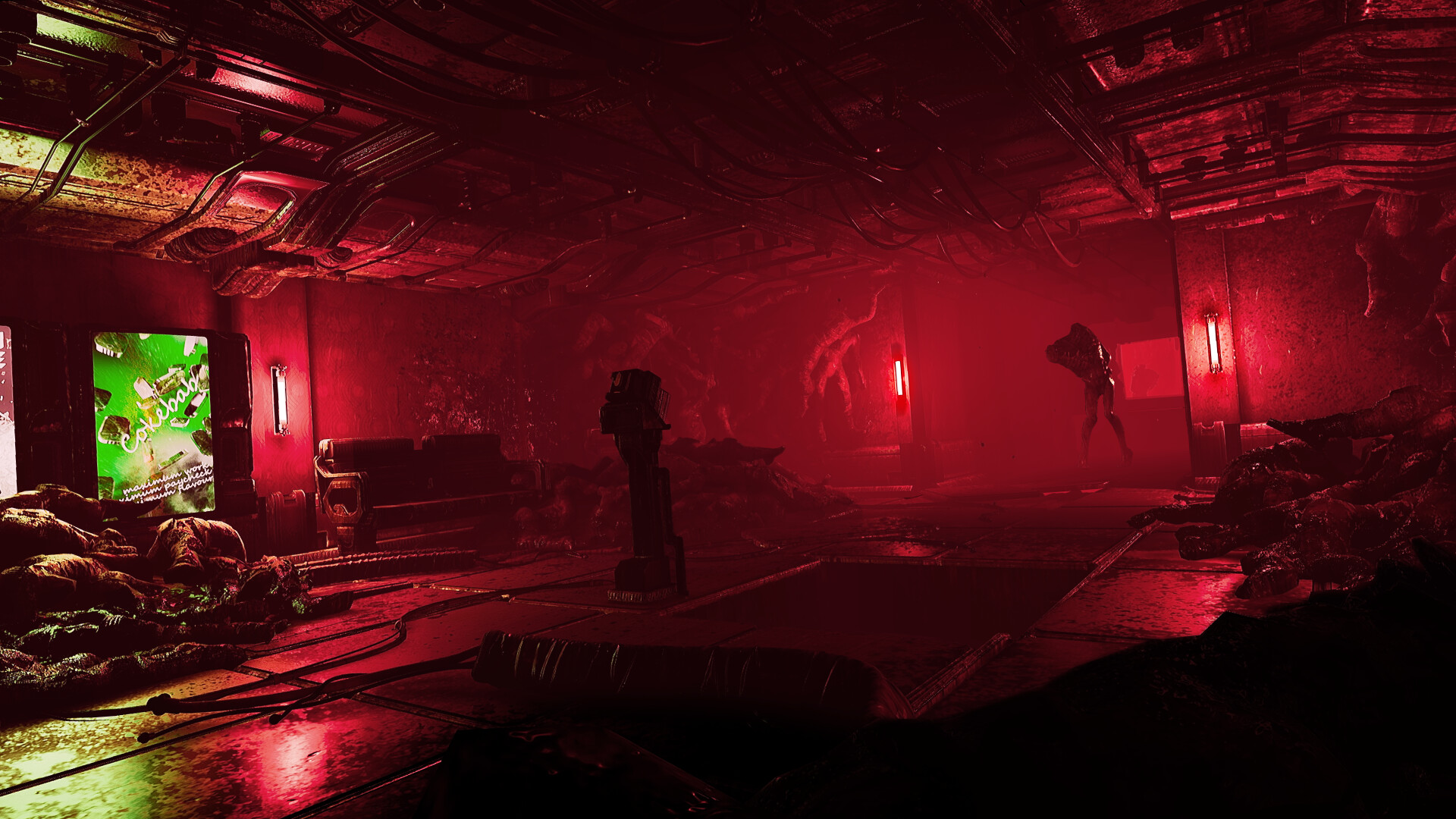
2026 is making the case better than I ever could. Walk through the summer showcases and the new releases and you will notice horror is everywhere, and it is not an accident. Developers have figured out that VR does something to fear that no other medium can replicate, and players are showing up for it. By most counts, the VR horror audience is growing faster than almost any other category in the medium this year. Let me explain why.
It comes down to one word: presence
If you have spent any time around VR, you have heard the word presence, and it is the key to everything here. Presence is the brain's stubborn insistence that you are actually in the place the headset is showing you, even though you know intellectually that you are standing in your living room. Researchers studying VR fear call the most powerful version of this the plausibility illusion, the sense that what is happening around you is really happening. And here is the thing about fear specifically: it is one of the most primal, least rational systems your brain has. You cannot reason your way out of it. When presence convinces your body that a threat is real, your body responds as if it is real, full stop.
On a flat screen, there is always a frame. A monster lunges and you flinch, sure, but there is a television-shaped boundary around the danger, and some quiet part of your brain knows the threat lives inside that rectangle. VR erases the rectangle. The danger is not in front of you, it is around you, above you, behind you. There is no edge of the screen to retreat to with your eyes. When something is breathing behind you in a VR horror game, the only way to look is to actually turn your head, and every horror developer alive now understands that the bravest thing they can ask of a player is to turn around.
The senses VR weaponizes
Once you have presence, VR gets to weaponize a set of tools that flat horror can only dream about. The first is spatial audio, and I would argue it is the single most important horror tool in the medium. In a good VR horror game, sound has a precise location in 3D space. A footstep is not just loud or quiet, it is up and to your left, getting closer. A whisper happens at a specific point in the room behind your right shoulder. Your ears evolved over millions of years to locate threats you cannot see, and VR finally feeds that ancient system the exact data it craves. The result is that you spend half of these games terrified of things you have not even looked at yet.
Then there is the body. Because you physically duck, lean, and reach in VR, the games can build fear around your own movement. You have to lean around the corner to see what is there. You have to reach your actual hand into the dark drawer. You have to physically lower your head to crawl under the thing. Every one of those motions is a small act of courage your body has to commit to, and developers know it. Add the haptic rumble of a controller pulsing like a heartbeat, the high refresh displays that keep everything sickeningly smooth, and increasingly mixed reality horror that puts the monsters behind your actual couch and the shadows on your actual walls, and you have a machine engineered from the ground up to bypass your defenses.
The wave cresting right now
This is why 2026 has become such a banner year for the genre, and you can see it in what is shipping and what is coming. At the summer showcases, horror dominated. Rustmourne pitched itself as Half-Life Alyx meets Dead Space, a sci-fi horror shooter about deciding in the moment whether to run, hide, or fight. Project NEOS traps you on a spaceship run by an AI committed to killing you, which in VR means being hunted through a vessel where every door and camera is the enemy. Hauntify lined up ten different supernatural entities to come after you. I covered these and more in our showcase highlights, and the sheer concentration of horror was impossible to miss.
Advertisement
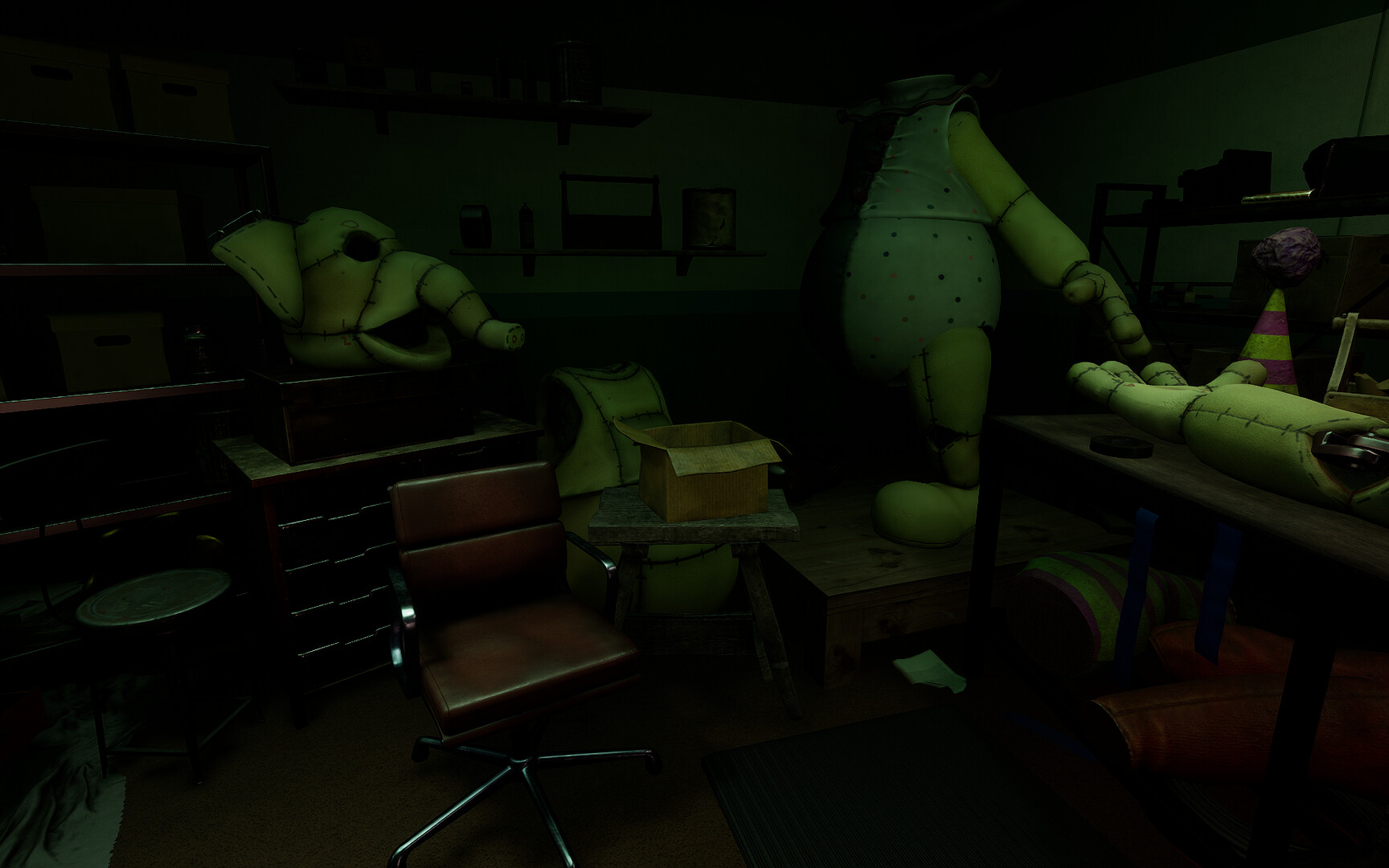
The recent releases tell the same story. Five Nights at Freddy's finally came to PC VR, and as I wrote when it arrived, that franchise always belonged in a headset, because the entire premise is sitting trapped in a room while animatronic nightmares close in. Evil Inside rebuilt its psychological horror specifically for VR. And looming over all of it are the established titles that have become legends, the ones VR players dare each other to finish. MADiSON in VR is widely considered the most terrifying experience you can buy, a slow-burn nightmare with no combat and masterful sound design that a genuinely large number of players admit they cannot complete. DEATHWATCH drops you into zero-gravity to be hunted by alien creatures, and reportedly the majority of players physically lose their balance during the worst moments. Think about that. The game is so present that people fall over.
The catch is that it works too well
Here is the honest other side, and it is a strange problem for a genre to have. VR horror is so effective that it can be genuinely too much. I am not being cute. Extended sessions in an intense VR horror game produce real, measurable stress and fatigue, the kind you feel in your shoulders an hour later. Players regularly tap out not because the game is bad but because it is working exactly as designed. The standard advice for VR horror is to start with the gentler stuff and to play in short bursts of thirty to forty five minutes, and that advice exists because people genuinely overwhelm themselves. No other genre comes with a recommendation to limit your exposure for your own wellbeing. Horror in VR does, and that tells you everything about how powerful it is.
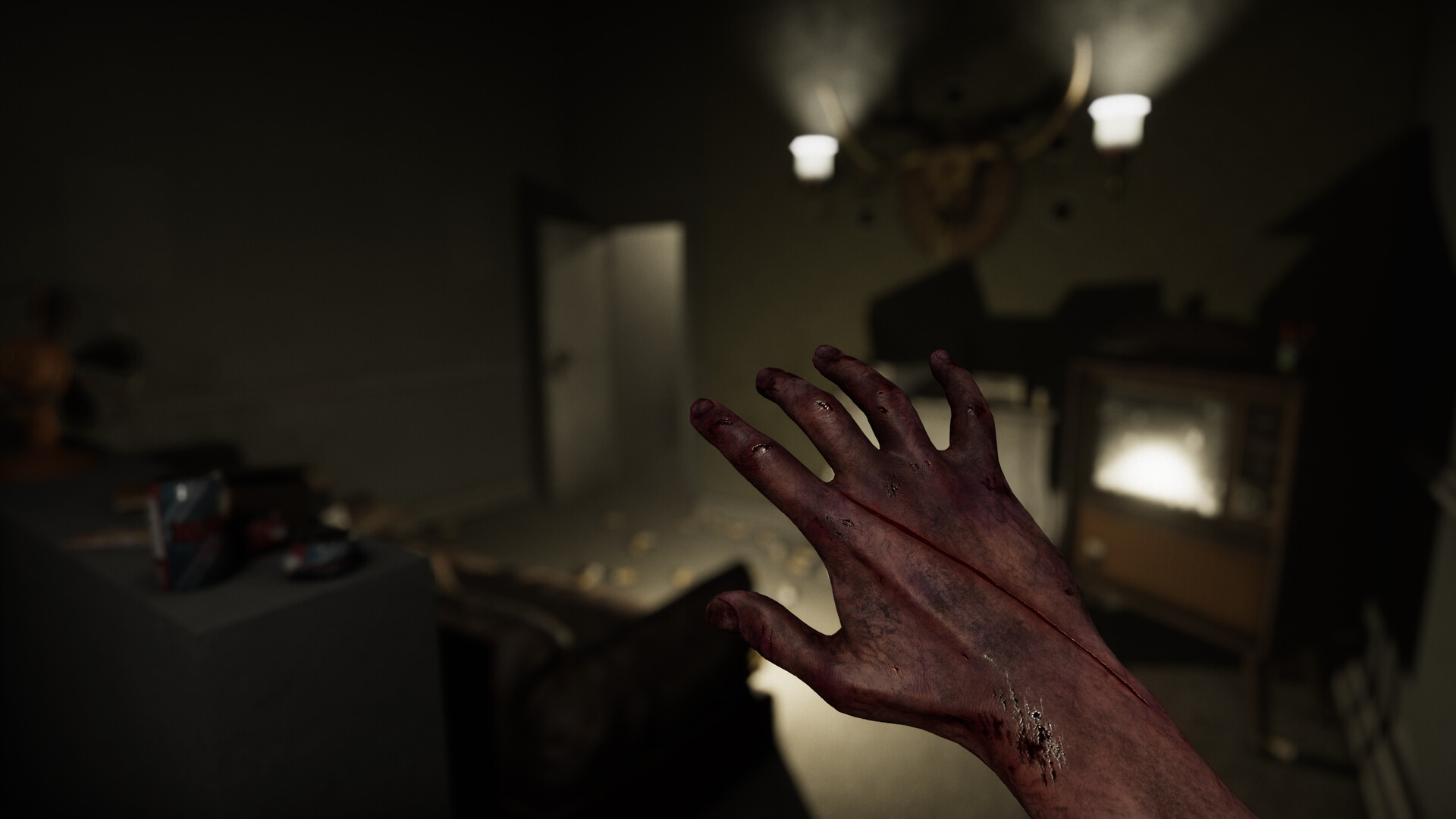
That double edge is exactly why I find it so fascinating. A flat horror game wants to scare you. A VR horror game can actually overwhelm you, and the developers have to design around restraint as much as intensity. The best of them understand that the scariest thing they can do is often nothing at all, a long quiet hallway and a sound you cannot locate, because your own primed imagination will do the rest.
Why I keep putting the headset back on
So why, after that first night when I ripped the headset off, do I keep going back? Because that reaction was real in a way entertainment almost never is anymore. We are so saturated with screens and spectacle that genuine, involuntary, physical fear has become rare and weirdly precious. VR horror gives it back. It is the purest demonstration of what makes this whole medium special, the fact that your body believes it, and there is no genre where that belief matters more than one built entirely on the feeling of being somewhere you are afraid to be.
If you have a headset and you have been curious, my advice is the same advice everyone gives, and it is good advice. Start gentle. If you want somewhere to begin, we ranked the scariest VR games you can play right now. Keep the sessions short. Maybe leave a light on, no judgment. And when something starts breathing behind you, turn around. That, right there, is the whole reason VR exists. Nothing else can make you that brave over something that is not even real. See you in the dark.
Advertisement