
Google shipped the April update for Android XR on the seventh, five months after Samsung's Galaxy XR hit retail. It is the first substantive platform drop since launch, and it tells you a lot about what Google thinks Android XR is for.
XrApril 17, 2026
Android XR's First Real Update Lands, and Auto-Spatialization Is the Feature to Watch
By Jordan Kuo
Staff Writer, VR.org
Advertisement
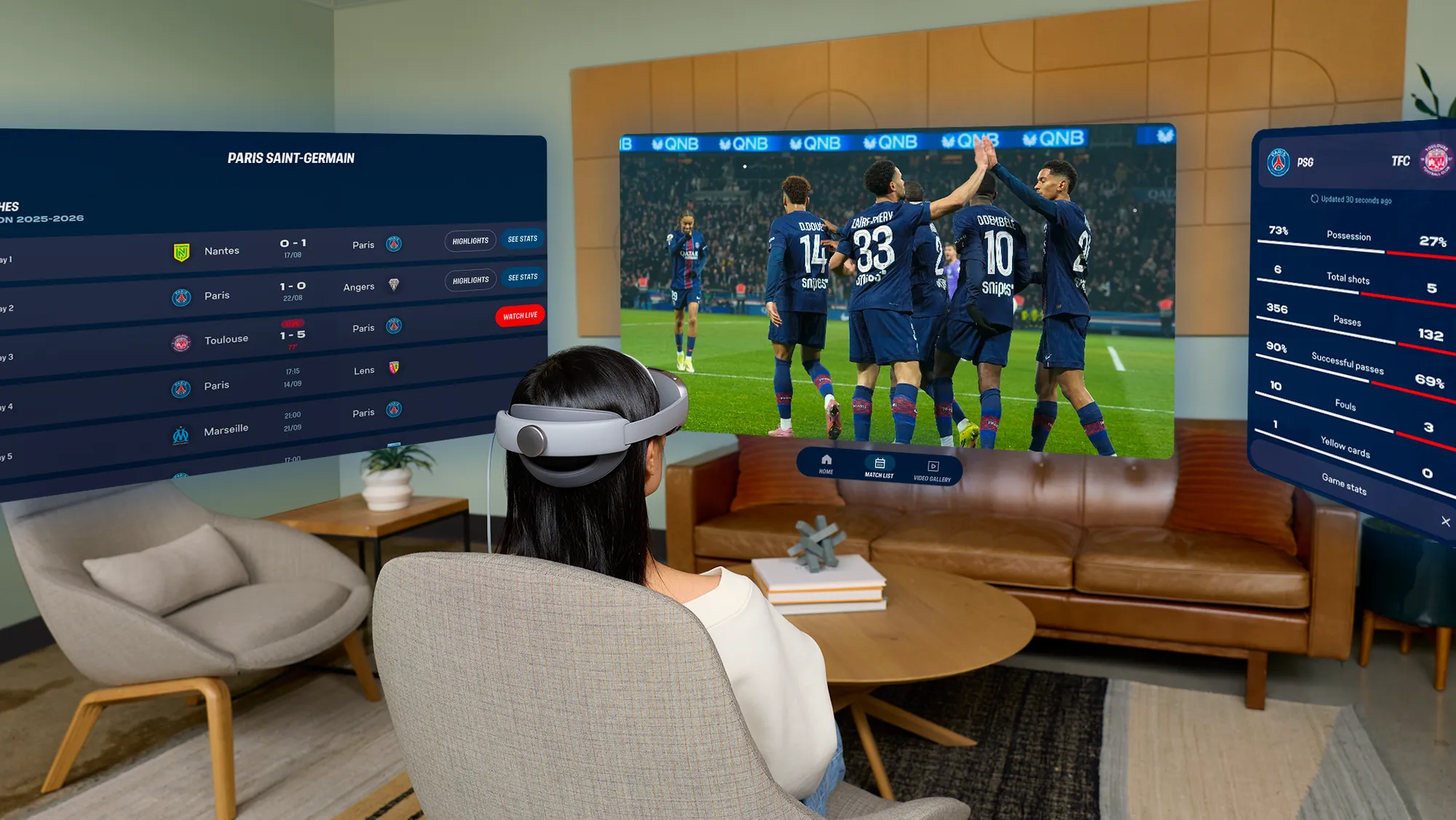
The headline features Google led with were five: auto-spatialization, wall pinning, real hand visualization, session resumption, and an expanded immersive app library that has doubled to over 100 titles since Galaxy XR launched. Four of those are quality-of-life improvements. One of them is a strategic decision.
Auto-spatialization, which lands as an experimental toggle in the Labs tab under Advanced Settings, turns any 2D app, game, website, image, or video into a 3D experience at the press of a button. Google is careful to frame it as experimental. Developers will recognize what is actually going on under the hood. This is Google saying the quiet part out loud: Android XR is an Android device, and every one of the millions of apps already in Play Store is now a first-class citizen in spatial computing, whether the developer ever thought about XR or not.
Why auto-spatialization changes the math
The consistent complaint about every spatial platform since Oculus Rift has been content. Meta solved it by subsidizing studios and running Horizon+ as a Game Pass competitor. Apple tried to solve it by leaning on the iPad catalog, which mostly worked as a demo and mostly did not work as a daily use case because iPad apps running in floating windows are not really spatial. Google's bet is that Android has orders of magnitude more apps than visionOS, and if a good-enough auto-spatialization layer can lift any of them into a spatial environment, the content problem is solved by volume rather than by porting.

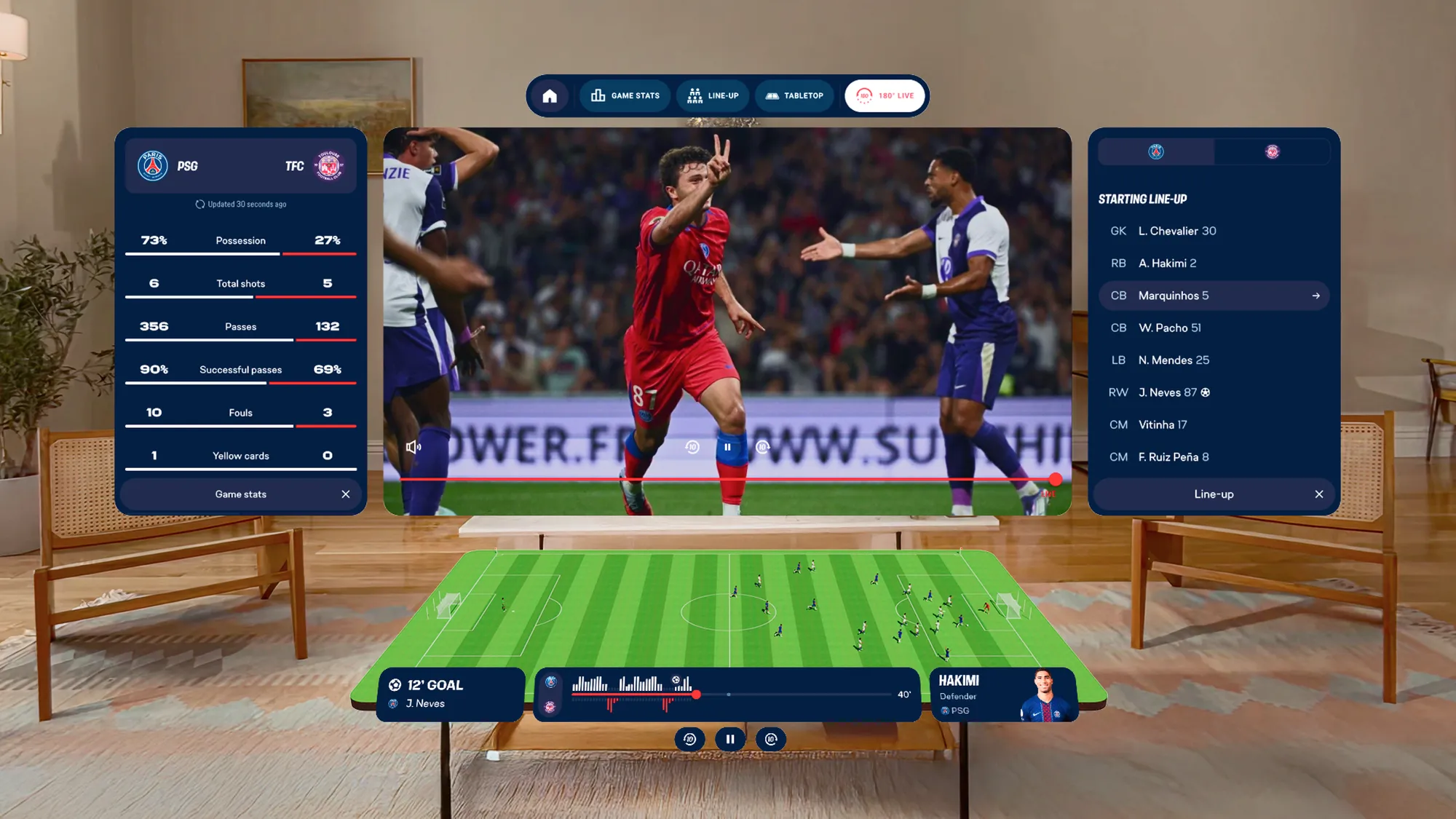
The 100-plus native XR apps milestone is encouraging. Trombone Champ: Unflattened is on the list. PSG's live sports viewing app is on the list. Real VR Fishing, which has been one of the quietly successful Quest titles for years, is on the list. These are purpose-built spatial experiences, not upscaled phone apps. Doubling the catalog in five months is a healthier ramp than either Vision Pro or Quest hit in their first half-year, and Google clearly wants developers to notice.
But the volume play is what wins the platform war. The first time a Galaxy XR user pins their banking app to a wall, resizes their YouTube window to fill the room, or pulls up Google Docs as a floating spatial surface, the device stops feeling like a VR headset and starts feeling like an Android tablet with infinite real estate. That is the pitch Meta has never been able to make because Quest is not running Android in the same way.
Advertisement
The enterprise layer underneath
Samsung announced alongside the April update that Galaxy XR is now getting Android Enterprise support, with five years of software updates including security patches. That is the longest official support window any XR headset has ever shipped with, and it is almost exclusively aimed at IT decision-makers evaluating fleet deployments.
The EMM partner list Samsung published is a who-is-who of Android device management: ArborXR, ManageXR, Microsoft Intune, Omnissa (the Workspace ONE rebrand), Samsung Knox Manage, SOTI. A Galaxy XR bought through an enterprise channel today is manageable with the same tooling IT teams already use for Galaxy tablets and S-series phones. That is an extremely low-friction path to enterprise VR that Apple has taken eighteen months to approximate and Meta has never fully built out for Quest for Business.
The trilateral platform
Step back from the April update and look at the shape of what Samsung, Google, and Qualcomm have put together in the last six months. Samsung builds the hardware. Google supplies the operating system. Qualcomm makes the silicon. None of them owns all three layers the way Apple or Meta does, and that is a feature, not a bug.
Android phones won the global market because no single company owned the full stack and licensees could differentiate on hardware. The same logic applies to XR. Galaxy XR is the first device in what will eventually be a family of Android XR products from multiple OEMs at different price points. Xiaomi, Oppo, and Lenovo have all been seen working on Android XR hardware. The April update is the first time Google has shipped meaningful platform-wide features to an installed base, which is a rehearsal for a much bigger ecosystem in 2027.
What developers should take away
If you are building spatial experiences and have been putting off Android XR because the install base was small, this update is worth a second look. The Jetpack XR SDK is mature, Unity and Unreal both support the platform, and the tooling story including the integration with Android Studio profilers is significantly ahead of where visionOS was at the equivalent point in its lifecycle.
Auto-spatialization does not remove the incentive to build native XR experiences. Apps designed for the spatial framework will still look and feel better than auto-upscaled 2D apps. What it does do is lower the floor. Every Android developer now has a plausible reason to care about XR, even if they never write a line of spatial code, because their existing app just became available in a new form factor. That is the kind of network effect Android has always leveraged better than any other platform.
The April drop is not a feature-packed release the way a WWDC keynote is. It is something more interesting: a sign that Google is running Android XR like Android, one incremental update at a time, with an ecosystem strategy rather than a product strategy. That is how you win the long game.
Advertisement