Google announced the Android XR Developer Catalyst Program at I/O 2026 alongside the Project Aura reveal, and the structure of the program tells you exactly how serious Google is about getting third-party apps onto its spatial computing platform before the consumer hardware ships. Free hardware. Non-recoupable grants. A first cohort that is small on purpose. Applications close June 30 and decisions land by July 15. If you want to ship an Android XR app in the next twelve months, this is the moment to apply.
XrMay 25, 2026
Google's Android XR Catalyst Program Hands Out Free Project Aura Dev Kits. Here Is the Application Math.
By Jordan Kuo
Staff Writer, VR.org
Advertisement

What the Catalyst Program Actually Includes
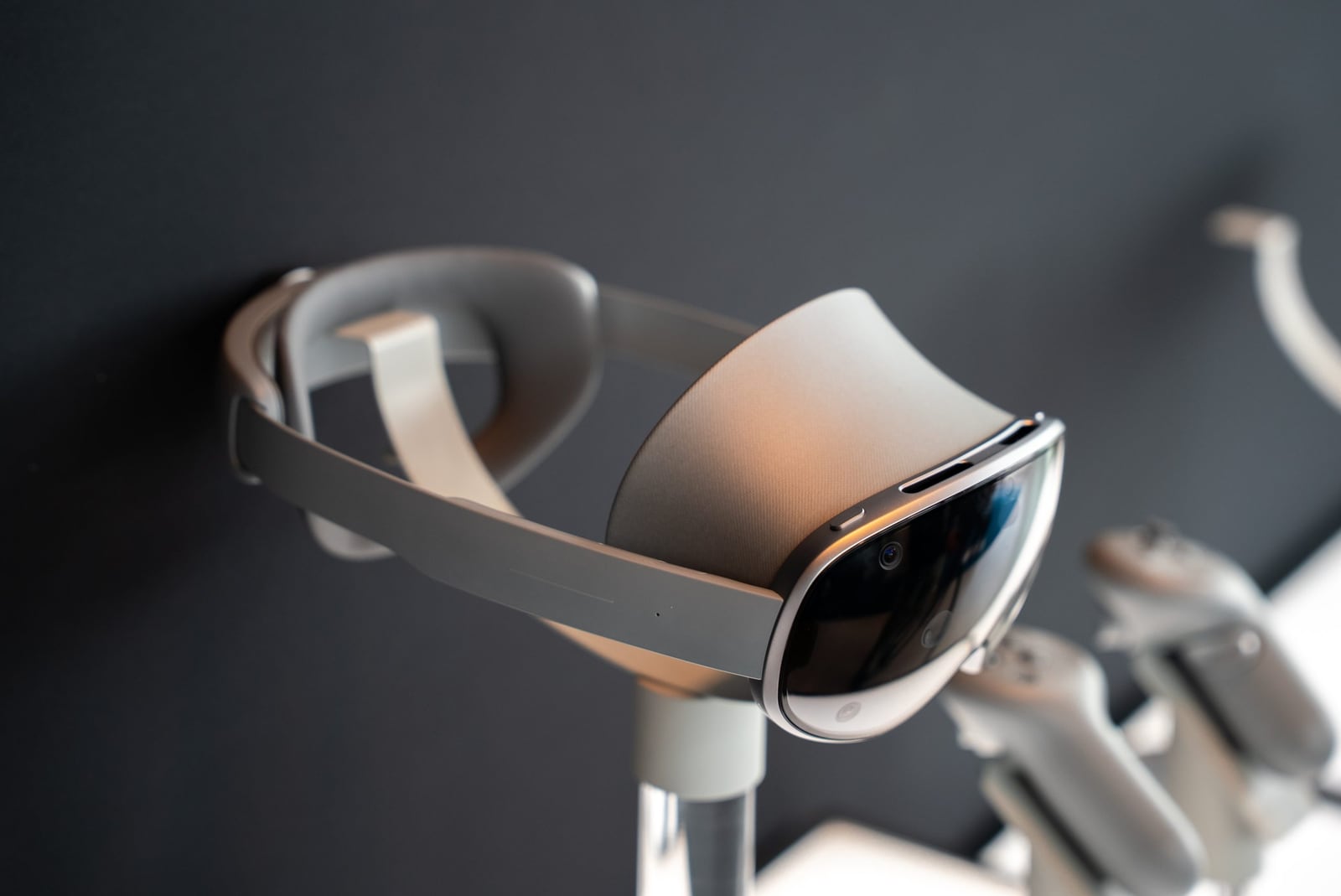
The program has three tiers of value for accepted developers. First, hardware: dev kits shipping in summer 2026 that include either Project Aura display glasses, audio-only Android XR smart glasses, or the Samsung Galaxy XR headset depending on what the developer is building. Second, money: non-recoupable grants intended to accelerate development. Google has not published the dollar amount publicly, which usually means it is allocated case by case based on the scope of the project. Third, support: direct access to the Android XR engineering team, prerelease SDK builds, and what Google describes as tools and resources purpose-built for the platform.
The "non-recoupable" detail matters more than it might sound. Most platform developer programs offer hardware loans or discounted access. A non-recoupable grant means the money does not need to be paid back even if the resulting app never ships or generates revenue. That is Google buying time and momentum, not making an investment in the conventional sense. Apple has done similar things at the start of major platform pushes. The presence of grant funding tells you Google believes early apps are worth more than the cash cost of getting them built.
The Math on Cohort Size
Google has been explicit that the first cohort will be "strictly limited in size." That phrasing is doing real work. It is signaling both scarcity and intent. The deadline of June 30 with notifications by July 15 means Google plans to spend about two weeks evaluating applications, which is fast for a program of this scope. That timeline only works if the cohort is small enough to evaluate without dragging on for months.
For developers, the takeaway is that this is not a participation award. Acceptance into the program means Google has reviewed your application and decided your team is a good bet to ship something interesting. The applications open to "developers looking to publish apps for the Android XR ecosystem in the next 6 to 12 months," which means Google wants people with shippable plans, not curious experimenters. If you have an existing Android codebase, a working prototype, or a clear ecosystem play, that is the application that gets read closely.
The Tools Question
The supported development paths matter for who can credibly apply. Google confirmed that Catalyst developers can build with Kotlin and the Jetpack XR SDK, Unity, Unreal Engine, or Godot. That covers basically every shipping XR development workflow today. The Jetpack XR SDK is the native Android path with the lowest performance overhead and the deepest integration with Android XR system features. Unity is the dominant choice for game developers, and the Unity Android XR integration has been maturing through public previews since late 2025. Unreal Engine is the choice for high-fidelity simulation work. Godot's inclusion is the most interesting addition. Open source XR development on a tier-one platform program is a real signal that Google is serious about ecosystem diversity.
For studios already building XR experiences for Meta Quest or Apple Vision Pro, the porting story is now reasonable. Unity and Unreal projects targeting OpenXR can move to Android XR with limited rework, and the Jetpack XR SDK supports the same OpenXR 1.1 baseline as the rest of the platform. The Catalyst Program is, in practice, Google offering to subsidize that port work for studios willing to commit to Android XR in the near term.

Why This Matters for the Platform
Android XR has the structural advantages of any Google platform play: open standards, multiple hardware partners, and a developer base that already knows the toolchain. What it does not have yet is apps. The Galaxy XR headset shipped with a respectable launch library, but most of it was Android phone apps adapted for spatial use rather than purpose-built XR experiences. Project Aura, when it launches before the end of 2026, will face the same question: what is on it that you cannot get on a Meta Quest or a Vision Pro.
The Catalyst Program is Google trying to answer that question with hardware and money instead of marketing. Developers who apply and get accepted will have running Android XR code three to six months before the consumer hardware reaches retail. That is the window where launch-day exclusives get built. By July 15 we will know who Google picked, and by the time Project Aura ships in the second half of 2026 we will know what they built.
Applications are at g.co/dev/catalyst and close June 30. Anyone with a serious Android XR project in flight should be drafting their submission this week.
Advertisement