
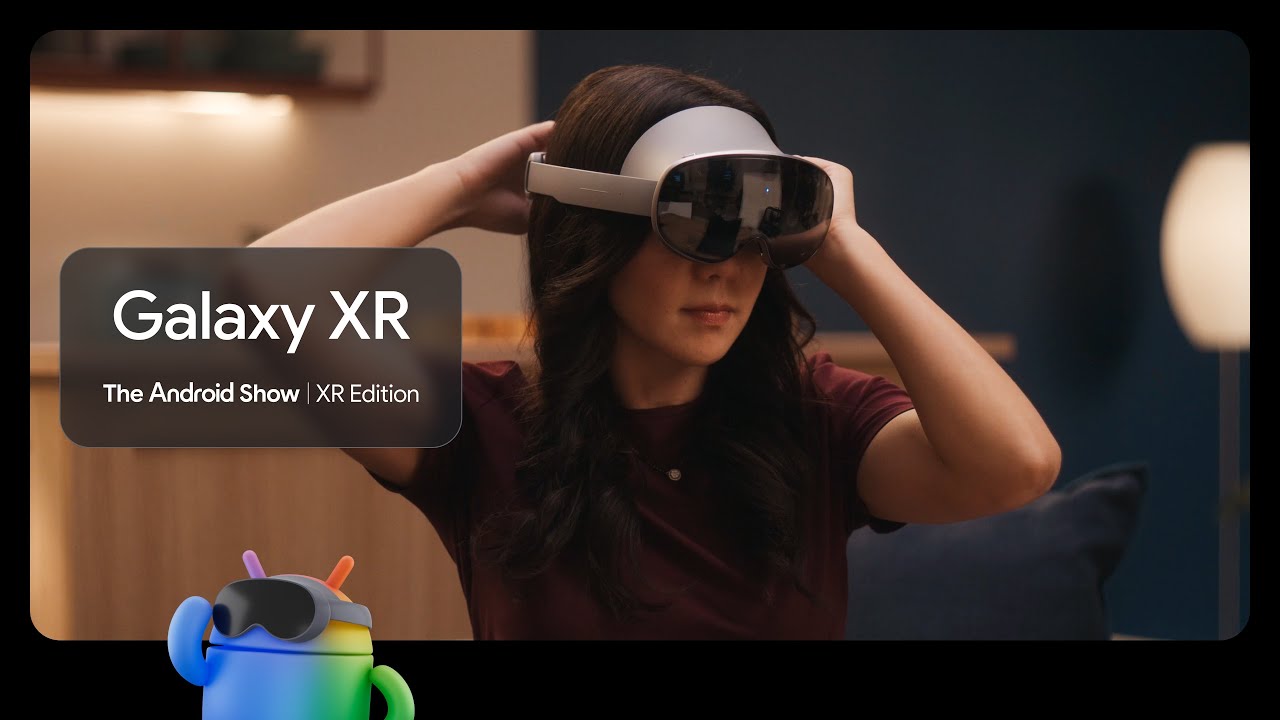
Samsung's Galaxy XR launched last October as Google's proof that Android XR could compete in a category Meta still dominates. Six months later, the platform's first meaningful over-the-air update has left a $1,799 headset grinding to a halt after half an hour of use, and Google is now publicly promising a hotfix on what it calls "absolute top priority."
XrApril 23, 2026
Android XR's First Big Update Broke the Galaxy XR. Google Says the Fix Is Top Priority.
By Alex Reeves
Staff Writer, VR.org
Advertisement
The April Android XR update was supposed to be a showcase. It shipped auto-spatialization, expanded app pinning, real-hand visibility in home space mode, and a collection of accessibility upgrades. It also, apparently, shipped a memory leak.
What users are seeing
Reports started piling up on Reddit within days of the update going live, and the pattern is consistent. A Galaxy XR boots and runs fine for the first 20 to 30 minutes. Animations are smooth, app launches respond, passthrough behaves. Then performance begins to slide. Frame rates drop, inputs lag, menus stutter. Eventually the headset stops being usable for anything more demanding than a system prompt. Users have to reboot to reset it, and the cycle starts over.
At least one user reported the slowdown happening regardless of what the headset was actively doing, which is the kind of detail that points away from a misbehaving app and toward something system-level. A memory leak fits the profile. So does whatever is driving the separate reports of erratic head tracking and lower rendered resolution that Google acknowledged the week before.
Google's answer
Google's Android XR team confirmed the issue directly in the Reddit thread where users were compiling their complaints. The company said the engineering team is aware of the slowdown, that a fix is already in development, and that the hotfix is an "absolute top priority." Google did not commit to a patch date.
The public acknowledgment is the correct move, and it is also the only move. Galaxy XR's install base is small enough that a single viral complaint thread represents a meaningful slice of actual owners. Leaving that audience to theorize about a $1,799 brick would have been worse than admitting there is a bug.
Six months, one big update, one big bug
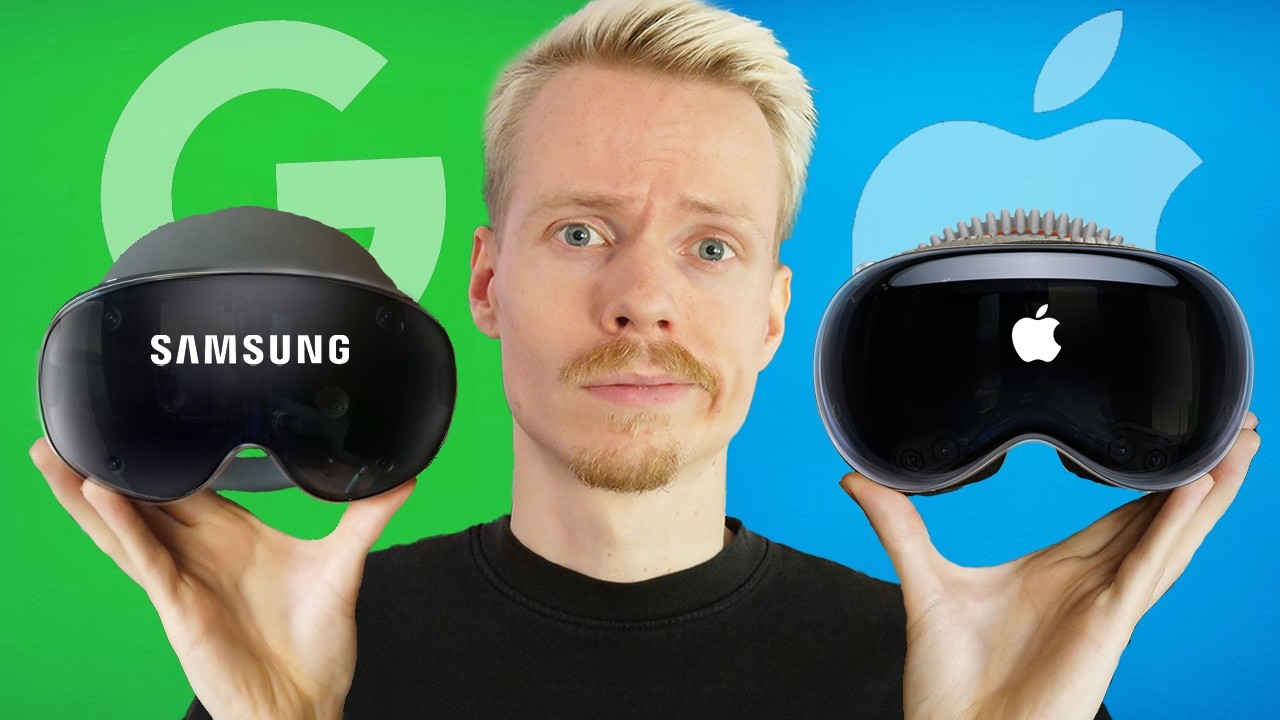
The timing is what makes this sting. Android XR is a young platform in a category where the default customer instinct is to wait and see. Galaxy XR owners are, almost by definition, early adopters who took a bet on Samsung and Google's first serious answer to Meta Quest and Apple Vision Pro. The April update was the first real proof that the platform is going to evolve, and the evolution promptly broke the device.
Compare it to how Meta handles Horizon OS updates. There are rough patches, but Meta's scale means issues tend to get surfaced in closed beta channels before they reach shipping hardware. Apple has had its own Vision Pro growing pains, but visionOS updates have not produced a public "device stops working after 20 minutes" moment. Google is discovering the hard part of owning an operating system that runs on only one consumer device. There is no fallback. Every regression is a Galaxy XR regression.
What it actually costs the platform
In practical terms, the memory leak will get patched. Google said it is moving fast and there is no reason to doubt that. The longer-lasting damage is reputational. Android XR spent six months being described as the platform that finally gives Samsung and Google a credible Vision Pro competitor. The first post-launch update cycle will now be remembered for the patch that made Galaxy XR users reach for the power button after a half-hour of use.
It also complicates the story Samsung has been telling in press materials. Galaxy XR is priced $100 under the original Vision Pro and marketed on comfort, content, and Gemini integration. The pitch does not include "reboot after 25 minutes." Samsung can point at Google for the patch, but the customer experience belongs to Samsung.
What to watch
Three things will tell us how much of a stumble this really was. First, how fast the hotfix ships. A week is fine. Two weeks starts to feel slow for a regression this severe. Second, whether the hotfix is clean or introduces its own side effects. Android XR is new enough that the engineering team is still learning the shape of the platform, and rushed patches on young operating systems have a way of breaking adjacent things. Third, what comes next. If the May update lands cleanly with auto-spatialization actually stable, the April stumble becomes a footnote. If the next update also misses, the narrative shifts from growing pains to something harder to walk back.
For now, Galaxy XR owners are stuck rebooting. Google is on the clock.
Advertisement