
Apple introduced HTTP Live Streaming with iPhone OS 3 in 2009, published the specification, and left the encoders, packagers and delivery networks to other companies, so that by the time the IETF published HLS as RFC 8216 in 2017 it had become a default way to stream video to a phone, whoever made the phone. Apple Immersive Video is at the front of that same handoff now. On November 11 Apple put a date on it.
XrNovember 13, 2026
Apple Is Handing Live Vision Pro Production to Partners, and the Full Toolchain Lands in Early 2027
By Jordan Kuo
Staff Writer, VR.org
Advertisement
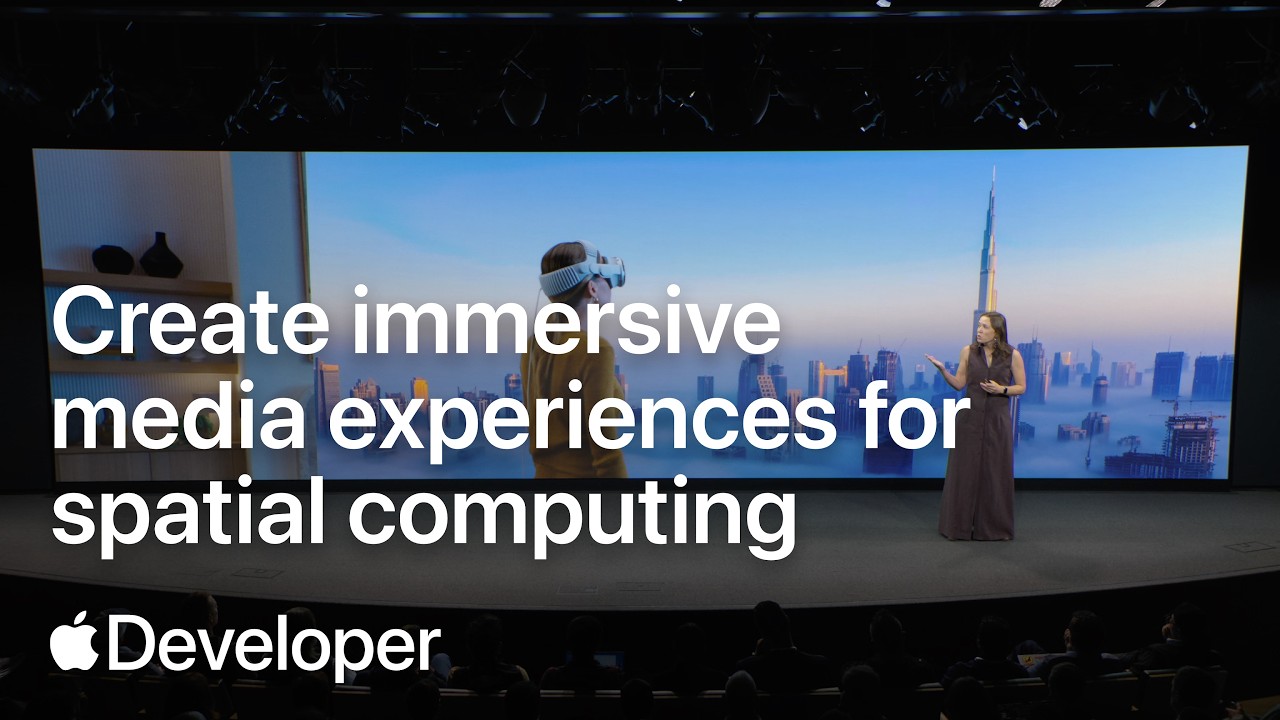
The occasion was a Meet with Apple livestream titled "Create immersive media experiences for spatial computing," run from Apple's developer center in Cupertino for five hours and 48 minutes to what its host said were immersive media creators in more than 74 countries. Most of it was craft: framing, sound, lessons from the Audi Revolut F1 team and Silverback Films. The part that matters to anyone building tools came in the afternoon, when Apple engineer Jared King described how the company's live broadcasts were actually produced this year.
Apple built many of the first live production tools in-house, King said, and the NBA and MLB broadcasts "proved the workflow could deliver end to end and showed third party tooling partners it was really time to build." By the baseball games, "much of the production was already running on partner tools." Then the sentence with the date in it: "In early 2027, their tools complete the whole chain, so you can build and run live productions entirely on your own."
Who is building the chain
King named the vendors. Blackmagic Design covers cameras, video switchers, networking, ISO recording and live spatial audio mixing in Fairlight. Softron handles immersive instant replay. Vizrt is building on-air graphics for the format, Bridge Technologies is supplying its VB440 for signal quality and format compliance checks, and Cisco and Arista are among the companies already routing the signal through a facility. Blackmagic also showed a live version of its immersive camera, the URSA Cine Immersive 100G, with a ProRes processor module and 100-gigabit networking, described on stage as coming soon.
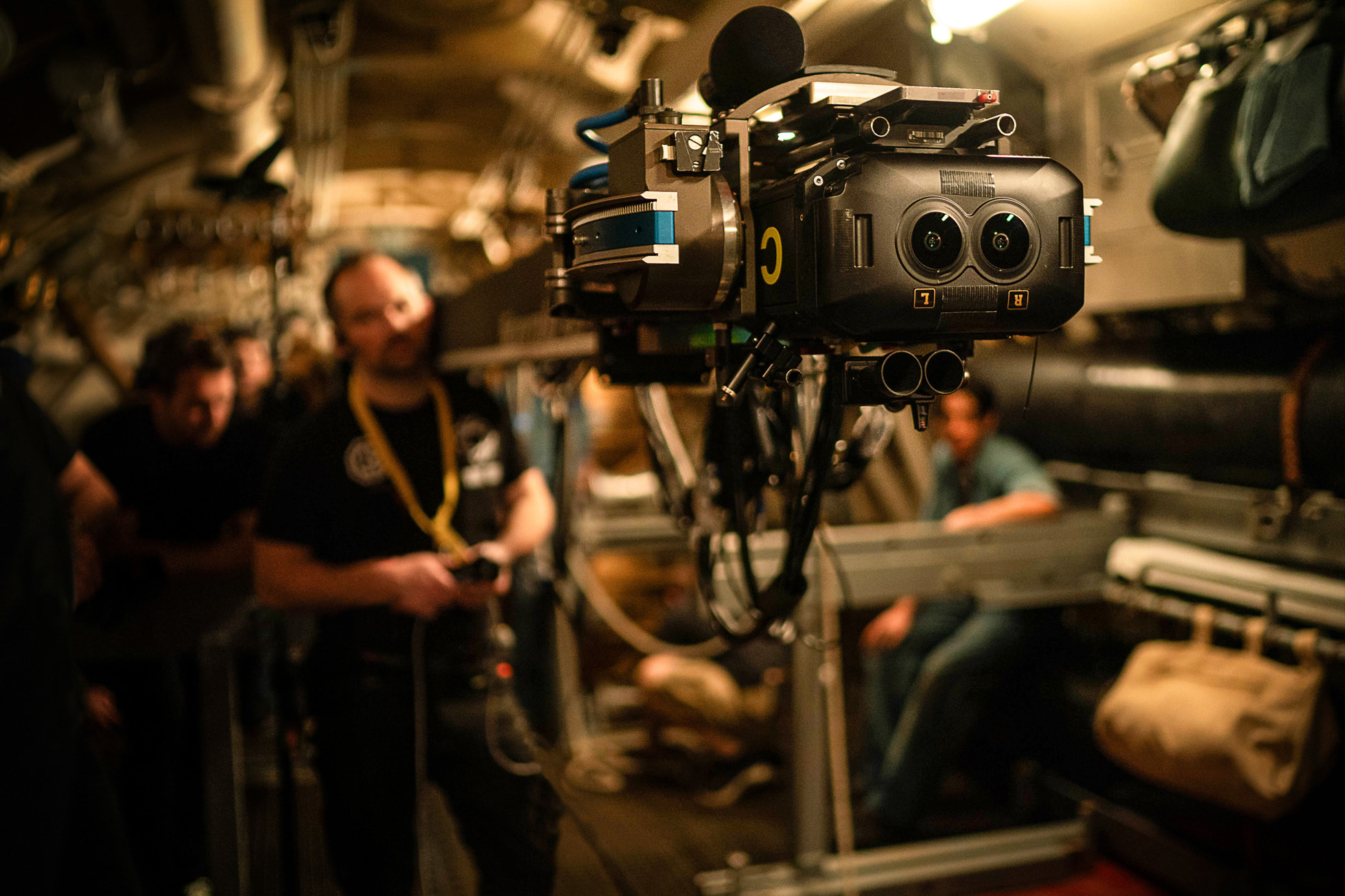
Underneath sits the format Apple laid out in June in a WWDC26 session, Build live production tools for Apple Immersive Video: streamed ProRes frames instead of the uncompressed video regular broadcast cameras produce, uncompressed PCM audio, and per-frame JSON metadata, each moving through the building as its own SMPTE ST 2110 stream. If you have worked anywhere near a broadcast facility you already know why that design choice carries the whole plan, because a plant that speaks ST 2110 can route an immersive feed through the same switches and monitoring as everything else, provided each vendor has shipped support, and vendor support is precisely the piece Apple has now dated. King said the audio mixes alone can carry more than 64 channels.
Advertisement
The live track record behind all this is small but real. Apple's tally on stage was 10 live events and 35 hours of immersive sports on air, with more than 40 hours of on-demand highlights and full replays, across the Lakers broadcasts on Spectrum SportsNet and the four Friday Night Baseball games scheduled from August 28.

The question the host asked
Four and a half hours in, the closing Q&A opened with a question the host introduced as one "I'm sure everyone in this room has had in the past couple of months." The host put it to Yuri Imoto of Apple's product team: "Yuri, are we committed to this platform?" Imoto said Apple wants "to ensure that we're obviously very committed to the platform," pointed to surgery, healthcare, education and training, and finished with "Apple is committed to this platform." Road to VR wrote up the exchange on Friday.
The noun in every version of that answer is the platform. Nothing in the session addressed the next headset.
That gap is where the doubt comes from. In June, Ming-Chi Kuo reported that John Ternus had cancelled plans for a second Vision Pro and a lighter Vision Air, while Mark Gurman countered that a Vision Pro 2 is "in testing" in a category he called "on ice" (MacRumors has both). In August Apple cut about 100 jobs from the Vision Products Group, largely shutting its games team and shrinking the unit that produces Apple Immersive Video, a week before the first live baseball game. In September Gurman described the next headset project, N224, as on "life support."
Read against August, the partner handoff looks less like a victory lap. Apple did not connect the two on stage, and King framed the timing as readiness, not staffing. Practically, though, a live format that third parties can run without an Apple crew is a format that survives a smaller Vision team, which may be the most durable kind of commitment a platform owner can make while it decides what hardware comes next.
What has a date
For someone deciding in the next six months whether visionOS work is worth starting, the session was unusually specific about timing:
- Now: the Apple TV app makes independent Apple Immersive films from third-party visionOS apps searchable, and adds a dedicated section for standout titles. Apple said this started the day of the session.
- visionOS 27: high-quality recording on device, and panoramas converted into spatial scenes.
- December: due then is the Blackmagic Ambisonic Microphone, $1,695, 108 MEMS microphones producing 64 channels over USB-C, built on array geometry and encoding filters Apple licensed to Blackmagic, according to Road to VR.
- Next year: spatial video import and export in Avid Media Composer, Apple Immersive rendering in Cinema 4D through Redshift, and a third-party Unreal Engine plug-in that renders frame sequences with the format's lens calibration metadata embedded.
- Early 2027: the partner toolchain for live production, end to end.
Dates are what separate a roadmap from a mood. The test that follows is plain, and it has a deadline: a live Apple Immersive broadcast in 2027 produced entirely on partner tools, with no Apple crew in the truck. If one airs, Imoto's answer means what developers need it to mean. If the chain is finished and nobody books it, the format becomes a capability without a customer, which is roughly how ESPN 3D ended in 2013.
Advertisement