
You start the game in a cage in the middle of a medieval market square. A scribe asks for your name, your trade and the crime you stand accused of, and you answer out loud, in whatever words you like. Then the townsfolk start drifting over, nine of them in all. You have until the King arrives to talk enough of them onto your side, and if you can't, you go into the monster pit.
GamingNovember 8, 2026
How Fabula Rasa's AI Townsfolk Decide Whether You Go in the Monster Pit, Now Due on Quest December 3
By Nina Castillo
Staff Writer, VR.org
Advertisement
That is Fabula Rasa, from Arvore, the São Paulo studio that made Pixel Ripped 1995. It now reaches Quest on December 3, three weeks later than the November 12 date in Arvore's October release, which has since been edited.
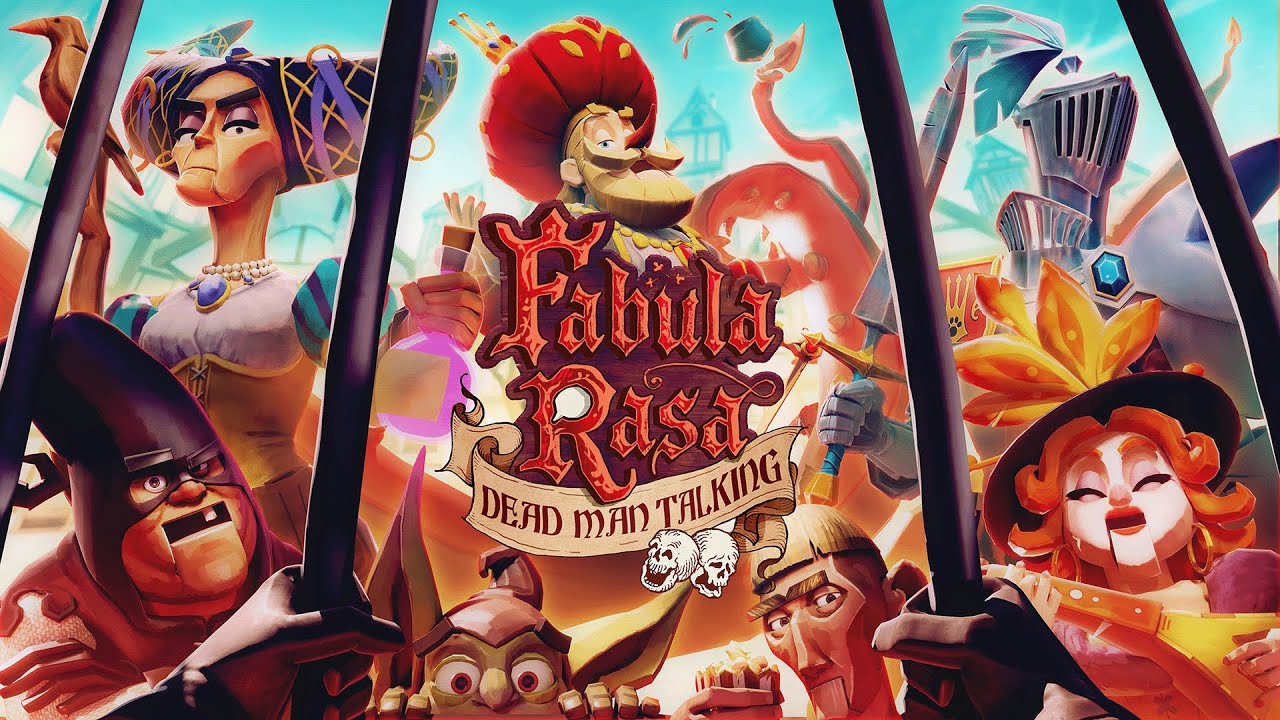
Every one of the nine is played by a large language model, the kind of text-predicting system behind a chatbot, so nothing they say is scripted. They are still written, though. Ricardo Justus, Arvore's founder, told The Hustle in April that each character is "a collection of contextual prompts that define who they are, their personality, [and] what they know." The writers wrote people instead of lines.
What is doing the talking
When heise played the Quest demo in May, it laid out the stack. Anthropic's Claude handles each character's personality, dialogue and reactions. ElevenLabs, a voice synthesis service, turns that text into speech. ChatGPT sits in the background as what heise called an "AI director," tracking the plot and the state of the town and feeding each character what it needs to know. Convai, a platform for plugging conversational characters into game engines, ties all of it to the game's mechanics.
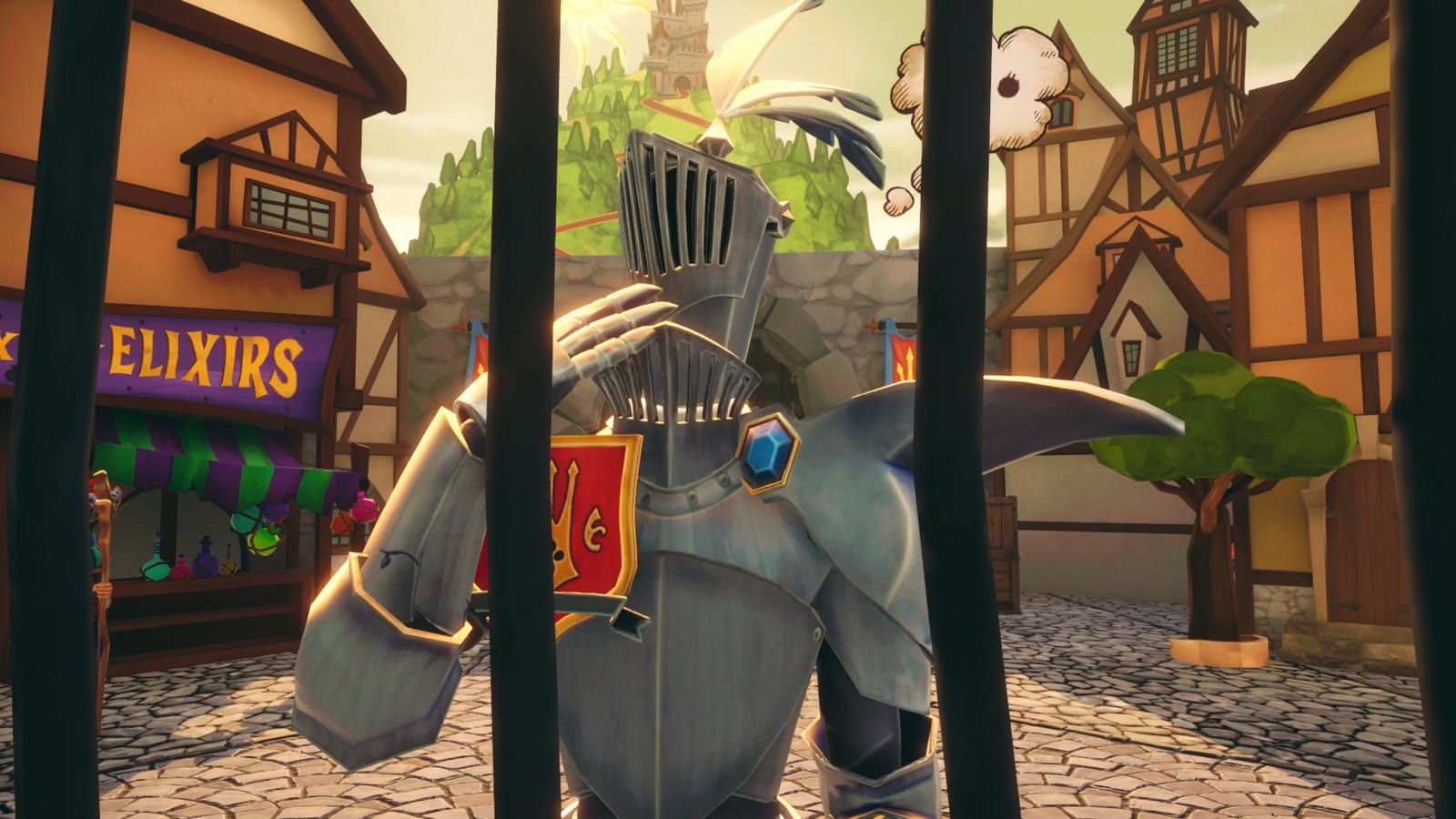
That last piece is why the cast can do more than chat. Arvore says its characters pick things up and chase their own agendas depending on how they feel about you, and the director picks which townsfolk come to the cage based on what you say.
All of that comes from festival builds in the spring. Arvore hasn't said whether the December 3 version runs on the same models.
Keeping a language model inside a fantasy town is the hard part, and Arvore's answer is to steer back into the story rather than refuse. Marcelo Marcati, one of the game's two directors, gave Omelete an example in April: mention Donald Trump, and a townsperson might ask whether he is "a king from another realm." (The translation from Portuguese is mine.)
On Wednesday I wrote about Google building a Three.js compiler because it does not trust the code an AI writes. Fabula Rasa has the opposite problem. Here the model is supposed to surprise you, and the craft is in where you put the fence.
Arvore drew that fence in workshops with improv comedians, and Justus calls the result "an improv theatre experience at its core" in the October release. The AI stops at the dialogue. "We made a point of not using any gen AI art," he told The Hustle.
Each of those hands-on reports mentions pauses. heise called them "long pauses," and The Hustle wrote that the characters "still pause to generate an answer." Claude and ChatGPT are cloud services, so each spoken turn makes a round trip. In a comedy, a beat of silence before the executioner answers your excuse can land as a joke. On slow Wi-Fi it may be a long one.
What the store listing says
The Meta Store listing, checked on Sunday, answers some of the practical questions:
- Internet connection required.
- English only. heise reported that the festival PC build also ran in French, Portuguese and Spanish.
- Single player, sitting or standing, with controllers. Rated Everyone, with a Comfortable comfort rating.
- No price yet.
Two lines on it look stale. It still shows "November 2026" under Coming soon, and it lists Quest 2 and Quest Pro, while the October release names only Quest 3 and 3S. If you own a Quest 2, which gets its last feature update by March, wait for Arvore to settle that.
The third thing is the one I would want fixed before launch. The privacy policy the listing links to is a 12-page terms document whose only named games are Pixel Ripped 1989 and Pixel Ripped 1995. It never mentions voice or microphones, and says nothing about AI. You are going to say things out loud to this game, some of them deliberately ridiculous. Right now nothing on the store page, in that policy or on Arvore's page for the game says where those words go.
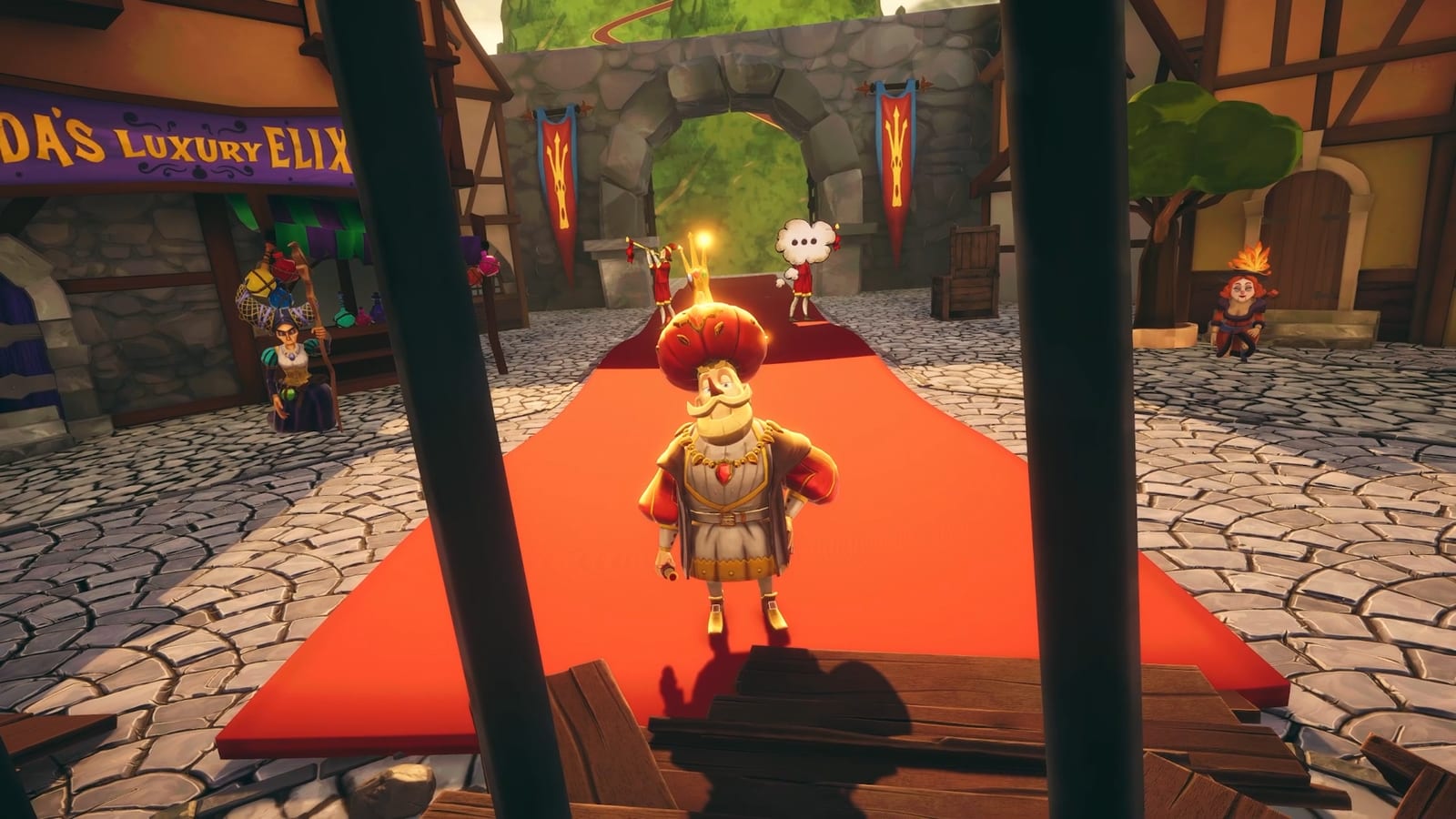
None of that changes how good the idea is. The cage is the smartest decision in the design: you can't walk off, so the only thing left to do is talk. If the townsfolk can keep up with you on December 3, every VR character that still hands you a list of replies to pick from is going to feel a little stiff.
Advertisement