
I spent most of this week at my desk watching Augmented World Expo tell me, over and over, that the future of this whole industry is a pair of glasses. Maybe it is. But after four days of keynotes about hardware I cannot buy yet, I wanted to actually play something tonight, in the headset I already own. So I went digging through Steam Next Fest, and I fell straight into a rabbit hole I did not expect: a genre I had quietly given up on. VR platforming.
GamingJune 20, 2026
Nobody Builds VR Platformers Anymore. A Tiny Spanish Studio's Demo Reminded Me What We Are Missing.
By Evan Marcus
Co-Founder, VR.org
Advertisement
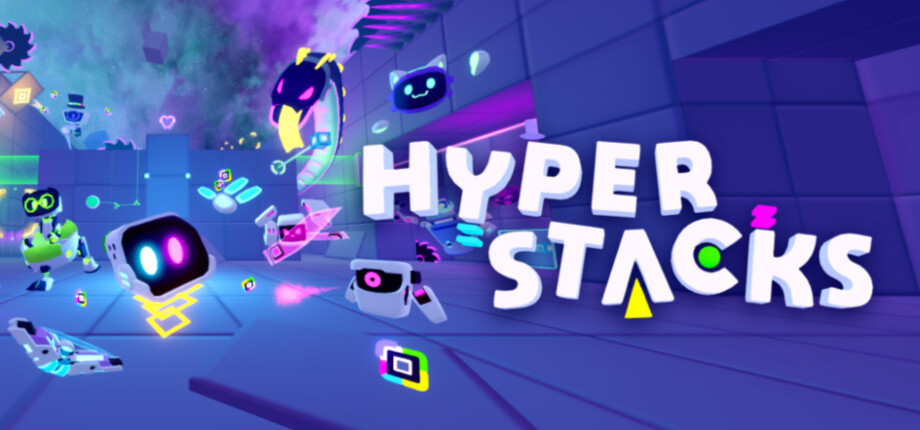
The demo that pulled me in is called Hyperstacks, and I will get to it. But first I have to explain why a platformer demo got me more excited than anything I saw on a stage this week, and that means talking about a genre VR seems to have forgotten how to make.
The genre VR forgot
Think back to the games that made early VR feel like magic. Lucky's Tale shipped with the first consumer Rift and proved you could put a charming little platformer in a headset. Moss did it even better, turning your living room into a storybook diorama you leaned into to help a tiny mouse named Quill. On PSVR, Astro Bot Rescue Mission was, for my money, one of the best platformers of its entire generation, VR or otherwise. For a few years it genuinely felt like spatial platforming might become one of the medium's signature genres.
Then it mostly went quiet. The studio behind Moss has had a brutal stretch, and I wrote earlier this year about Polyarc gutting its team. The big money in VR flowed toward shooters, fitness apps, and social platforms, and the platformer, the genre that arguably sold the most people on the magic in the first place, got left on the shelf.
I get why. First-person platforming in VR is genuinely hard to pull off. Jumping when your real feet are planted on the carpet is a design puzzle nobody has fully solved, and get the motion wrong and you hand half your players a stomachache instead of a thrill. It is so much safer to make another wave shooter. So when a tiny team takes a real swing at the genre, I pay attention.
What Hyperstacks actually is
Hyperstacks is a VR action-platformer built around three things at once: combat, parkour, and logic-driven puzzles. It is fast, first person, and dressed in the kind of neon geometric art style that looks like Tron took a vacation inside a synthwave album cover. You climb, you leap, you dodge, you fight, and the whole thing is built to keep you moving through space rather than standing still and pointing. That movement is the entire reason VR platforming is worth chasing. When it works, the sense of physically reaching for a ledge or throwing your body across a gap is something a thumbstick on a flat screen will never replicate. Your body becomes the controller.
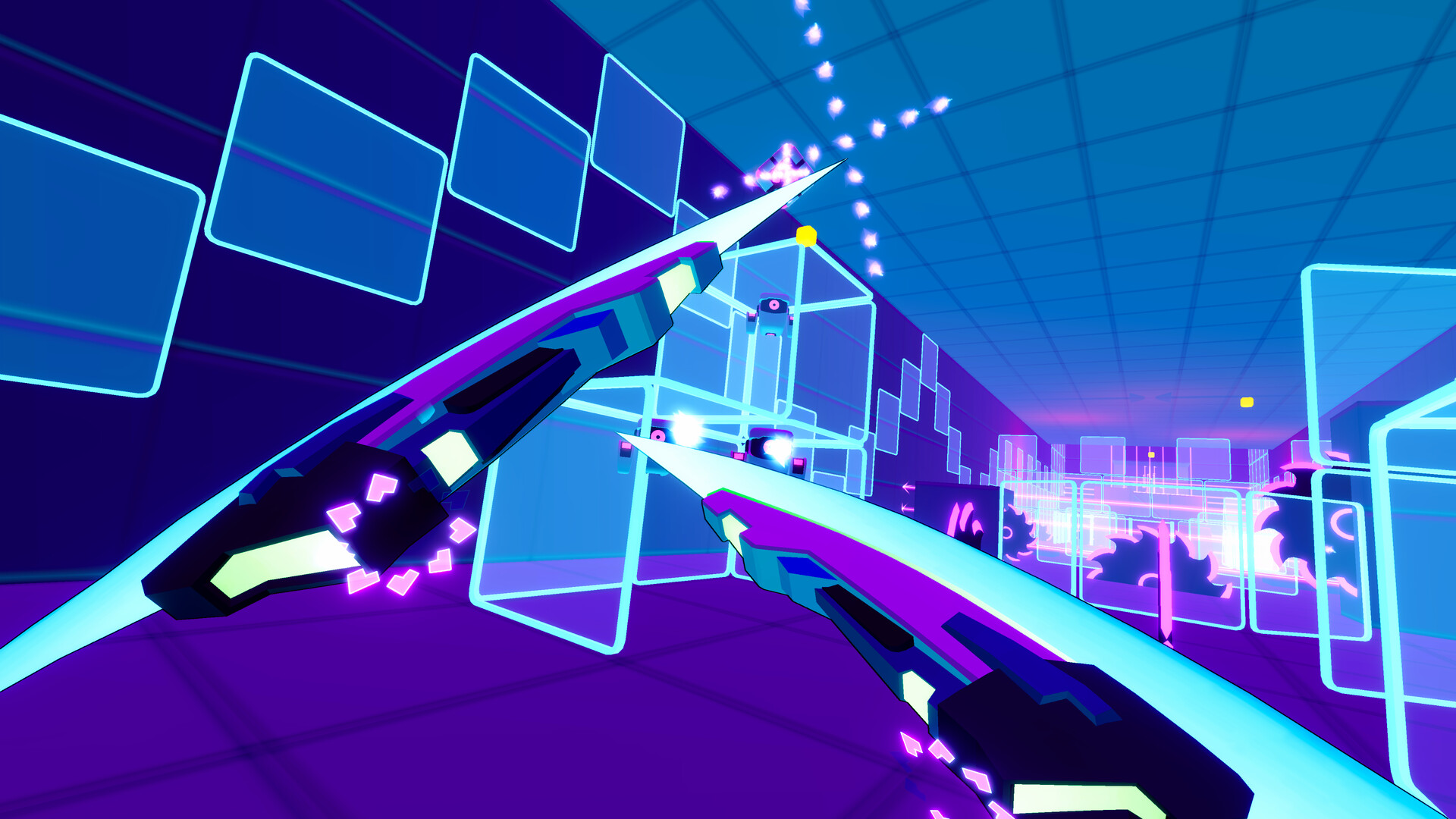
It comes from Squirrel Bytes, a five-person indie team based in Spain, which is exactly the kind of underdog story I find myself rooting for. The demo is live right now as part of Steam Next Fest, the full game lands in Early Access on July 30, and it runs on OpenXR, so it is not chained to one ecosystem. Quest over Link, Pico, Valve Index, the net is cast wide. That tells me the developers want players wherever they actually are, which is the instinct I want to reward with my attention.
Advertisement
The part that actually sold me
Here is the detail that turned my curiosity into a wishlist click: Hyperstacks ships with a full in-game level editor and a library of community-made levels. You are not just playing the handful of stages the team built. You are getting a creation tool and whatever the community dreams up after launch.
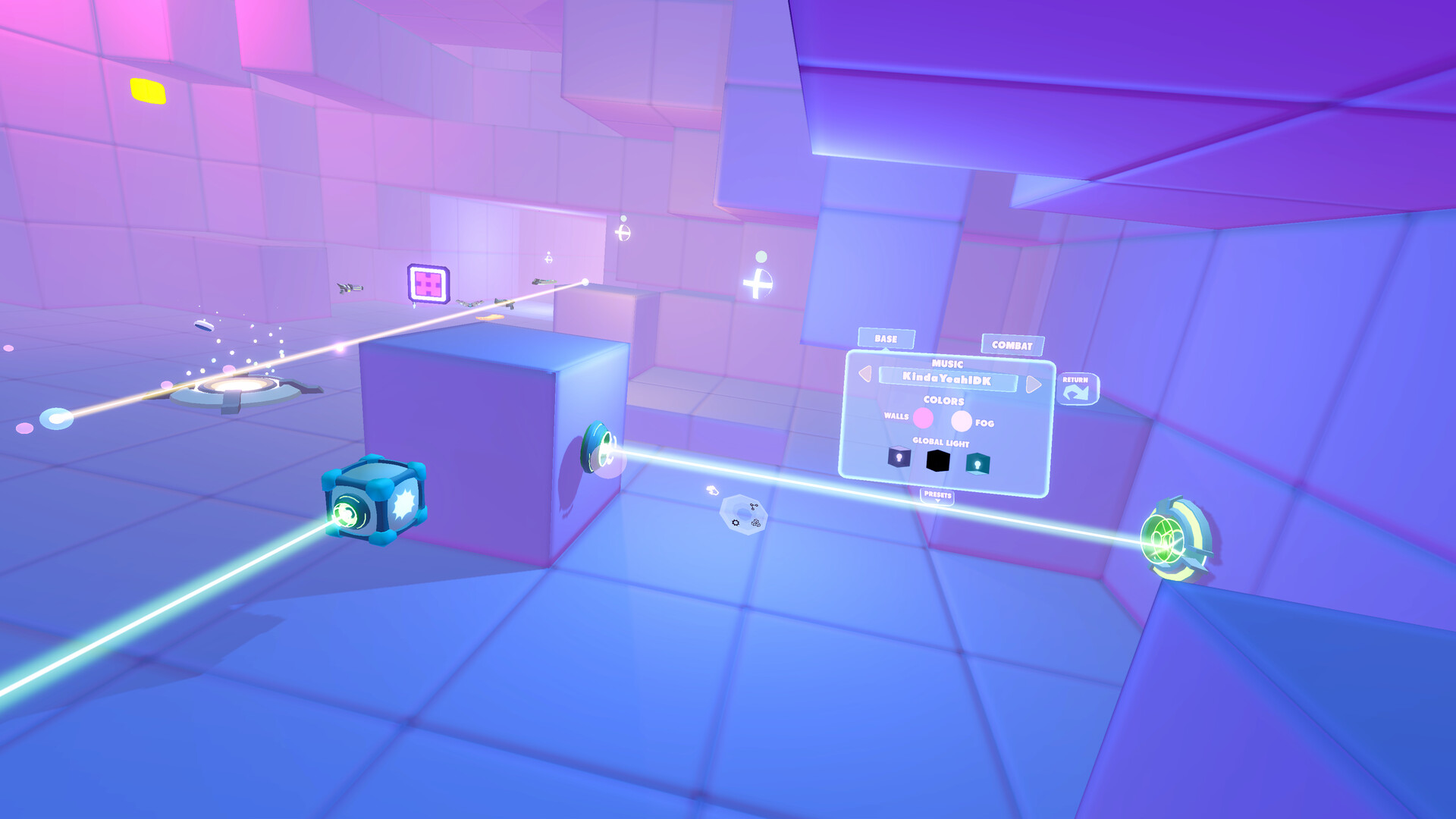
That is the smartest possible bet for a small VR game. The thing that kills most indie titles is not a bad launch, it is the silence three weeks later when there is nothing left to do. User-created content is how a tiny game stays alive long after its developers have moved on. Beat Saber's modding scene kept it relevant for years. Gorilla Tag turned community energy into a phenomenon. If Hyperstacks can get its players building and sharing, a five-person team in Spain suddenly has a game with no real ending. For a genre that has been starved of new releases, an endless supply of community platforming levels is close to a dream scenario.
An honest note before you go play it
I am not going to sit here and pretend I have finished it, because it is Next Fest weekend and the demo only just hit my drive. Hyperstacks is the first thing I am loading up tonight, not something I have already poured ten hours into. I would rather tell you straight that this is the demo I am most drawn to than fake a full verdict I have not earned. The beautiful thing about Next Fest is that you do not have to take my word for it anyway. The demo is free. Your own hands and your own stomach are the only review that counts.
So that is my pick. If you have a PC VR headset and even a flicker of nostalgia for the days when platformers made VR feel like a place instead of a gadget, go download the Hyperstacks demo before the fest closes on June 22 and tell me whether the genre still has a pulse. I think it does. For the wider haul, my rundown of why this Next Fest matters covers how to dig the rest of the VR demos out of the pile, and once the demos close, our running list of the best VR games of 2026 is where I would point you next. Now if you will excuse me, I have a neon tower to fall off of a few dozen times.
Advertisement