
Maestro landed on PlayStation VR2 on June 20, and it is exactly the kind of game that makes hand tracking feel like magic. You play a conductor, and you shape an orchestra with your bare hands, no controllers, just your fingers cueing strings and your palms swelling the brass. To mark the PSVR2 launch, developer Double Jack released a Star Wars content pack across every version of the game, headlined by John Williams' Duel of the Fates from The Phantom Menace, with a mini lightsaber you can wield as your baton. Conducting Duel of the Fates with a lightsaber is as good as it sounds.
HardwareJune 21, 2026
Maestro Hits PSVR2 With a Star Wars Pack. It Is Also a Reminder of How Little PSVR2 Hand Tracking Gets Used.
By Alex Reeves
Staff Writer, VR.org
Advertisement
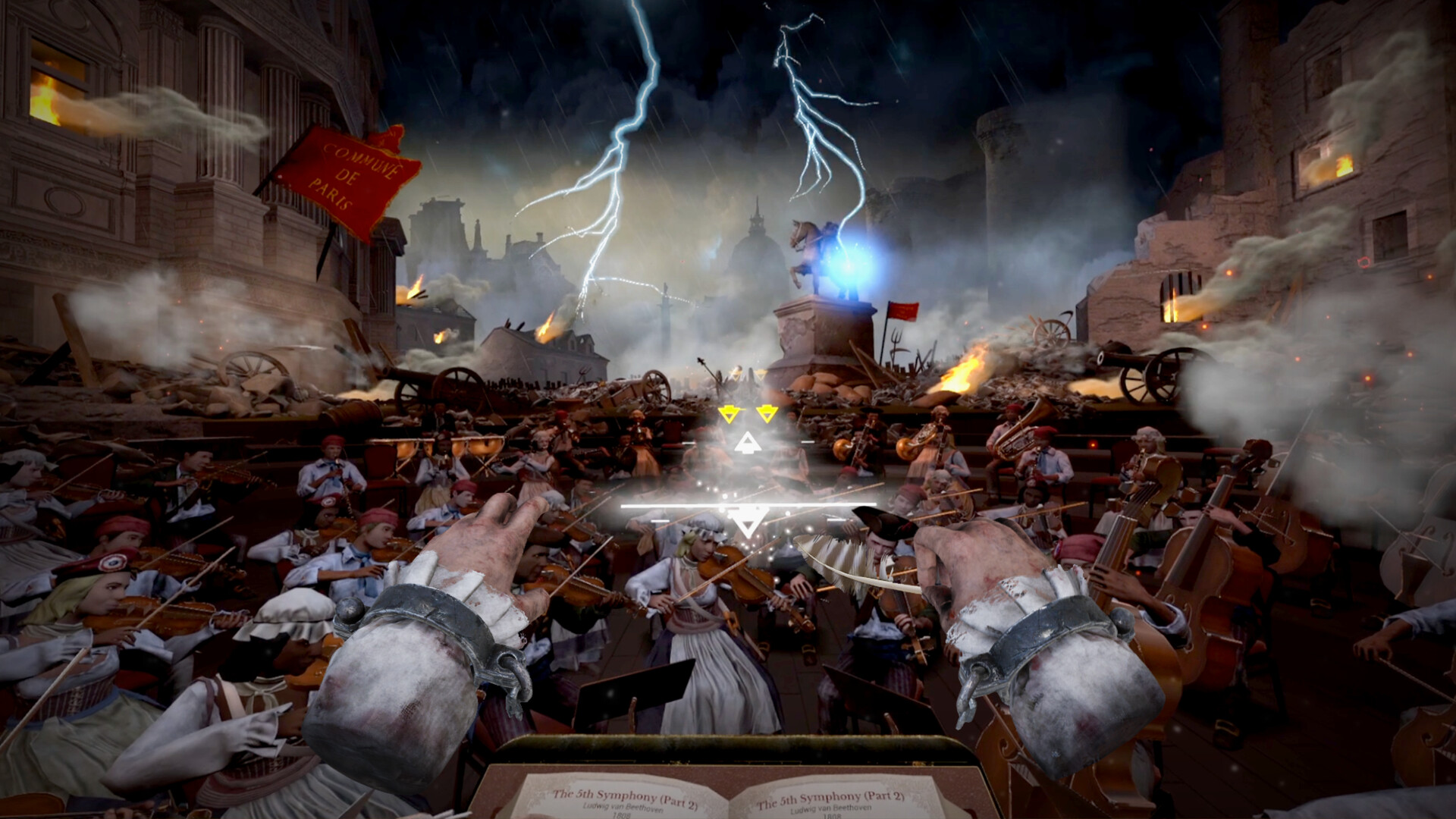
It is a genuinely joyful release. It is also, quietly, a status report on one of PSVR2's most underused features, and that report is not flattering.
Three. The number is three.
With Maestro, the total number of PSVR2 games that support hand tracking rises to three. The other two are Waltz of the Wizard and Masters of Light. That is the entire catalog. Sony added hand tracking to PlayStation VR2 through a system update, giving developers the ability to let players ditch the Sense controllers and use their hands directly, and in the time since, exactly three titles have actually shipped with it.
For context on how stark that is, consider that hand tracking on Meta Quest has been broadly supported for years, with system-level navigation, a large and growing list of games, and developers treating it as a standard input option rather than an exotic one. PSVR2 got the same headline capability and almost none of the follow-through. The feature exists. The software that uses it barely does.
Why so few?
The reasons are not mysterious, and they are mostly about incentives. PSVR2 has a smaller install base than Quest, which means a smaller potential audience for any given game, which means developers ration their effort. Hand tracking is extra work. You have to design interactions around it, test it, and handle the cases where it fails, all for a feature that only a fraction of an already smaller audience will use. When you are a studio deciding where to spend limited hours, a control scheme most of your players will not touch is an easy thing to cut.
There is also the simple fact that PSVR2's controllers are very good. The Sense controllers have excellent tracking, adaptive triggers, and finger detection, so the pressure to offer a controller-free alternative is lower than it might be on a platform with worse input. Hand tracking on PSVR2 has always been a nice-to-have rather than a necessity, and nice-to-haves are the first thing to fall off a development schedule.

The result is a feature that sounds great in a spec comparison and means almost nothing in practice, because the games to exercise it never showed up.
Why it still matters
Here is why I think this is worth more than a shrug. Hand tracking is not a gimmick for a game like Maestro. It is the entire point. Conducting an orchestra is something your hands do, and mapping that to controllers would gut the experience. There is a whole category of VR software, conducting, sign language, delicate manipulation, certain kinds of social presence, where your actual hands are not a novelty input but the correct one. A platform that supports hand tracking in name only cannot host those experiences well, and PSVR2 is currently that platform.
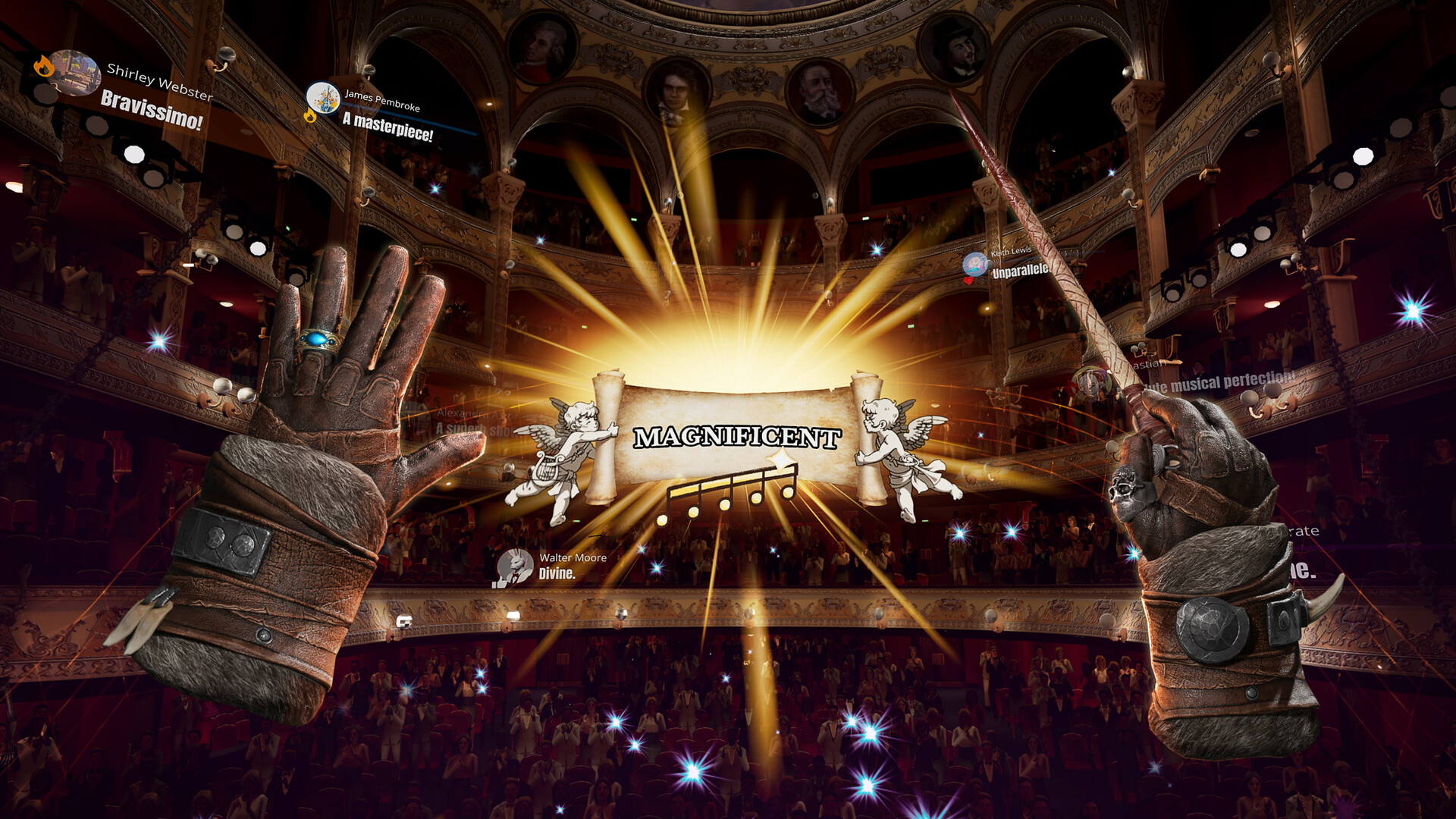
It also speaks to PSVR2's broader and well-documented software problem. Sony built a genuinely excellent piece of hardware and has struggled to keep it fed with content, a gap we have written about repeatedly, including when strong releases like Virtual Hunter arrived and leaned hard on the headset's standout features. Hand tracking is a smaller version of the same story. The capability is sitting there, underused, waiting for developers who mostly are not coming because the install base does not justify the effort. It is a chicken-and-egg loop, and PSVR2 has been stuck in it since launch.
Go conduct anyway
None of this is a knock on Maestro, which is one of the best showcases of why hand tracking matters that you can buy on any headset. If you own a PSVR2, the Star Wars pack alone makes it an easy recommendation, and conducting a live orchestra with your hands is the kind of thing you put the headset on to show someone who does not get VR yet. Buy it, enjoy it, and appreciate that a small studio bothered to do the extra work Sony's platform makes so easy to skip.
Just know that when you load it up, you are playing one of only three games on the entire system that uses a feature Sony shipped years ago. Maestro is a celebration. It is also a small, pointed reminder that a feature is only as real as the software willing to use it, and on PSVR2, almost nothing is.
Advertisement