
I have spent four months tracking every Steam Frame signal this industry produces. FCC filings, customs manifests, store page metadata, controller sellouts. Most weeks you get one clue. This week we got three inside 36 hours, and stacked together they say something I want to say out loud before the reservation page appears: the Steam Frame is launching into the worst hardware market I have ever seen, and I think it wins anyway. Not just survives. Wins, in a way that pulls the rest of VR hardware up with it.
HardwareJuly 18, 2026
The Steam Frame Is Launching Into a Brutal Hardware Market. I Think It Wins Anyway.
By Evan Marcus
Co-Founder, VR.org
Advertisement
The week the last pieces clicked
Start with what just happened. On Friday, Valve shipped a substantial SteamVR update to beta channel users: a rebuilt dashboard with Steam Deck style quick access controls, cleaner overlay management, battery readouts, brightness controls, faster paths to achievements and guides. Road to VR read it the same way I do. You do not repaint the lobby of a hotel nobody is checking into. SteamVR's interface has been neglected for years, and Valve is suddenly polishing it like guests are arriving.
That lands on top of a pile of evidence we have been cataloging all summer: the FCC embargo lifted in June, roughly 35 tons of hardware labeled Virtual Reality Devices cleared US customs, Valve confirmed the summer window on the record, and the Great on Frame storefront section went live last week and grew from five certified games to eight within a day. Every one of those is a merchandising decision, and companies merchandise things they are about to sell. Our release date tracker has the full signal timeline, but the short version is that the wait is now measured in weeks.
And yes, the market is genuinely awful
I am not going to sugarcoat the backdrop, because the backdrop is the whole tension of this launch. In an interview published this week, Valve engineer Pierre-Loup Griffais described what buying components looks like right now: things that were commodity parts two years ago are now supply negotiations, and, in his words, you have to negotiate really hard just to secure a few thousand units, with many more buyers in line ahead of you. Asked about the memory crisis easing, Valve's answer was blunt: honestly, it is still getting worse. Some analysts do not see DRAM pricing relief before 2028.
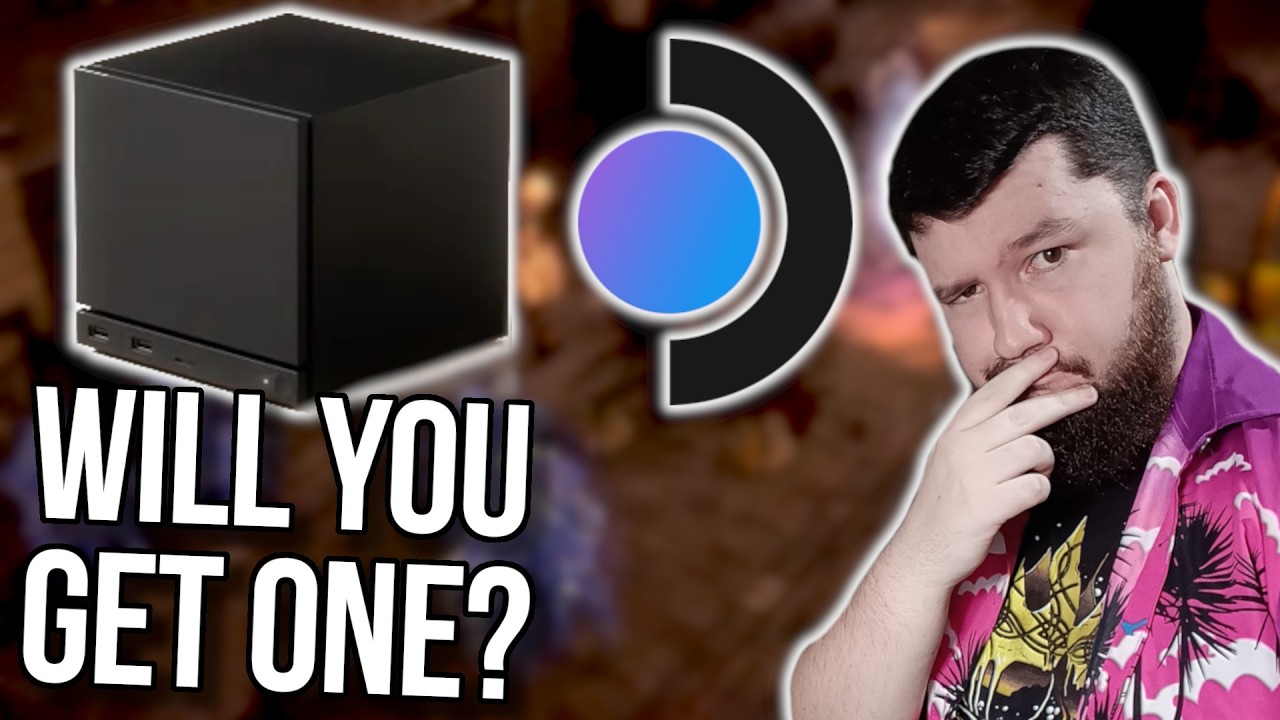
We already know what that does to a Valve product, because it just happened. The Steam Machine was internally tracking around $750 and launched at $1,049, with Valve openly blaming DDR5 contract prices up more than 170 percent year over year. Early reviews have been affectionate but honest; PCWorld literally called it adorably disappointing, and most of the disappointment is price for performance. The Frame carries 16GB of LPDDR5X into that exact same market. Whatever number Valve announces, it will be higher than the one they wanted to announce, and our price tracker still points to somewhere between $899 and $1,199.
Here is why I am optimistic anyway
First, the demand is not theoretical anymore. The $99 Steam Controller sold out in under an hour. The Steam Machine sold through a randomized reservation lottery at a price $250 above what anyone expected, while the reviews were shrugging at it. Read that combination again. People grumbled about the value and bought it anyway, because it is Valve hardware and Valve hardware has earned a level of trust that survives a bad component market. The Frame is the most anticipated device in this entire lineup. Its launch allocation was never in danger.
Advertisement
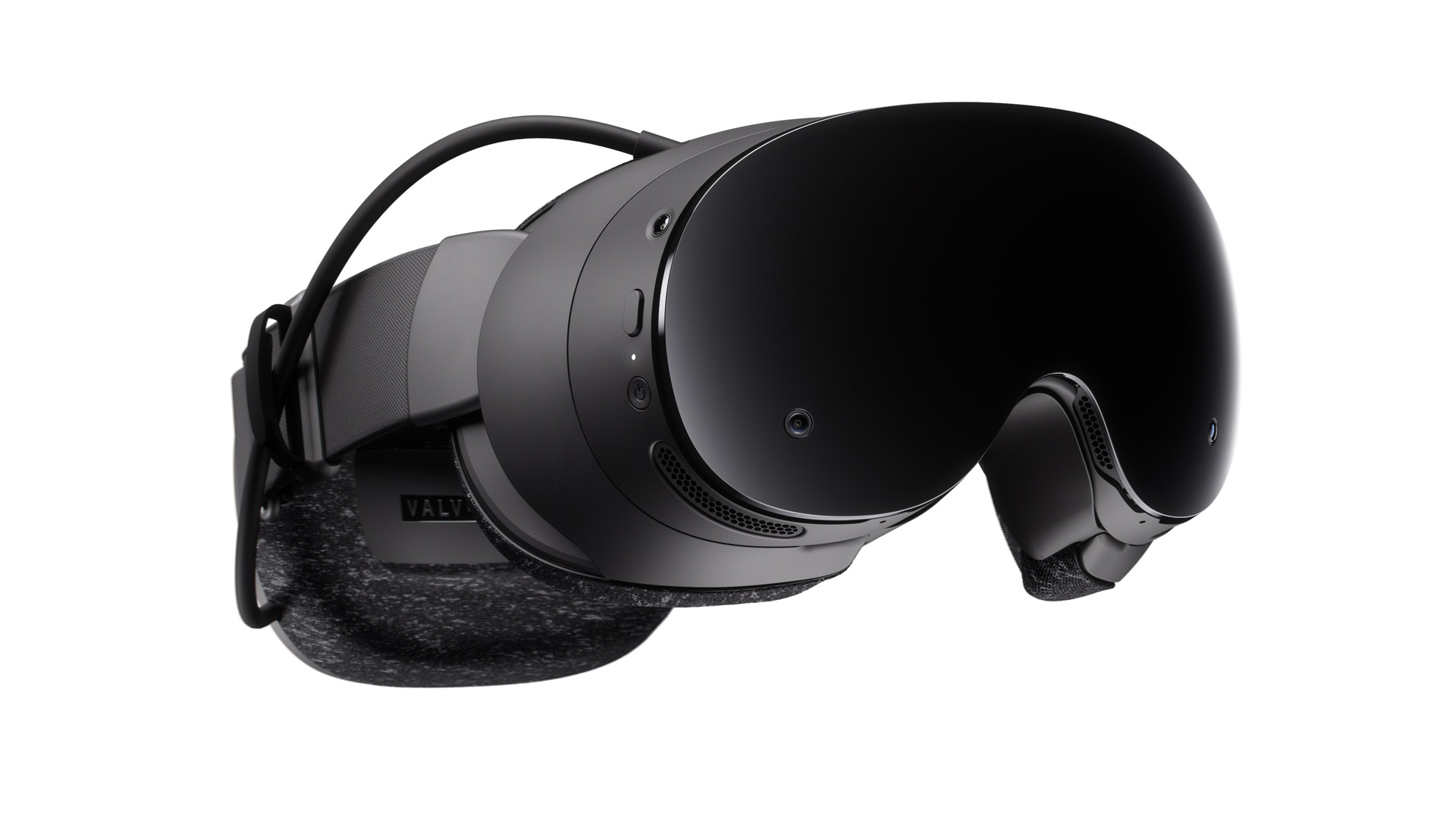
Second, and this is the part I keep coming back to, the Frame is the only headset on the market solving VR's actual problem. VR's problem in 2026 is not resolution and it is not chip speed. It is friction. It is the router fight every wireless PC VR player knows, the compression artifacts, the setup ritual that makes you play flat instead. The Frame ships with a dedicated 6GHz dongle that talks directly to the headset, and everyone who has tried it reports streaming with no perceptible lag. That is VR's oldest, most demoralizing problem dissolved by a thing that comes in the box.
And the killer app problem, the one I have worried about in print? The more I sit with it, the more I think Valve's answer is the right one for this specific moment. The killer app is your Steam library. Ten years of purchases, suddenly playable on your face, wirelessly, plus on-device through Proton when you leave the house. In a market where everything new is overpriced because of the DRAM squeeze, the device whose pitch is your existing games just got better is quietly the best value story in the industry, even at a four-digit price. Nobody else can make that pitch. Meta cannot. Apple cannot. Only the company that owns the store can.
The revival argument
Now zoom out, because this is bigger than one headset selling out a lottery. PC VR has been coasting since the Index and Alyx era. Great hardware has come from Bigscreen and Pimax, but enthusiast gear does not move ecosystems. Platform holders move ecosystems, and for six years the only platform holder pushing VR forward at scale was Meta, mostly alone, mostly downward on price until this spring's hikes ended even that.
The Frame changes the gravity. Developers are already responding to the strict 90 FPS Verified bar, and the certified catalog filling shelf by shelf in public is the healthiest developer signal PC VR has produced in years. Lapsed PC VR players, the enormous quiet cohort that owns a headset gathering dust, are exactly who a friction-free Steam headset reactivates. And competition works: Meta's own CTO said on the record that Meta will learn from the Frame's wireless dongle. When was the last time Meta was learning from someone else's VR hardware? A market where Valve ships, Meta responds, and developers have a quality bar worth hitting is not a dying market. It is a market waking back up.
What I am watching for
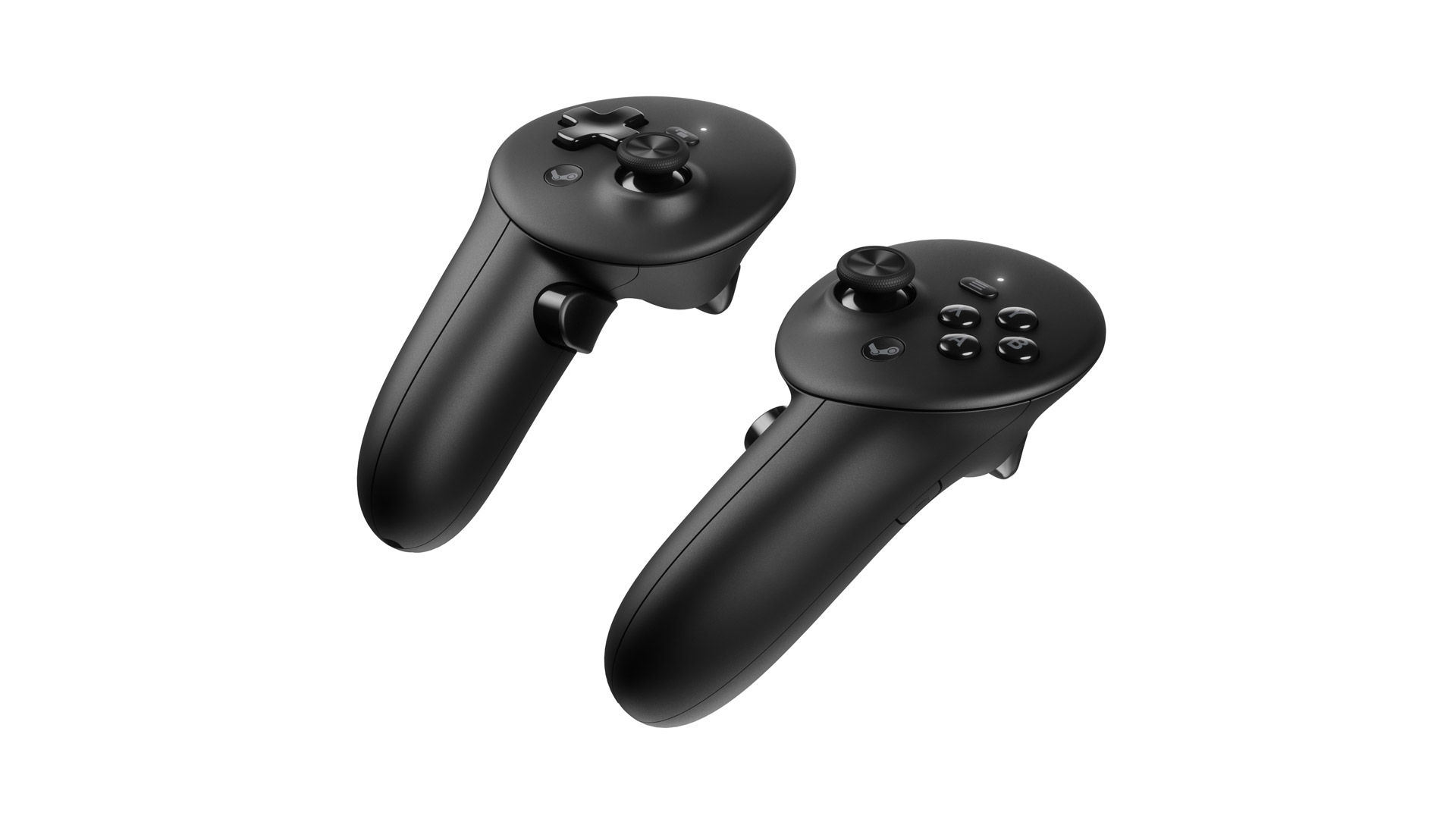
One number. If Valve lands this under $999, undercutting its own Index while carrying double a Quest 3's memory through the worst component market in a decade, that is a statement launch and the story writes itself. If it comes in at $1,199, the enthusiast math still works, because the alternative path to great PC VR right now is a GPU upgrade that costs more than the whole headset. Either way, I think the psychology matters more than the spreadsheet: Valve has spent 2026 proving it ships what it announces. The Machine shipped. The Controller shipped and vanished. The Frame is next, and the lottery system means launch day will be decided by luck, not F5 speed.
I keep thinking about 2019. I stood in line for an Index because Valve committing to VR felt like the medium's arrival, and for one glorious year around Alyx, it was. Then Valve went quiet and VR's center of gravity moved to Menlo Park. Seven years later Valve is back, not with an accessory for gaming PCs but with a self-contained door into the largest game library ever assembled, timed, almost absurdly, for the exact moment the rest of the hardware market has priced itself into a corner. The market is down in the dumps. This is the device that digs it out. When the reservation page finally appears, I will be in the lottery with everyone else, and for the first time in years I am not just hoping a headset succeeds. I am expecting it to.
Correction, October 7, 2026: This article said Valve blamed DDR5 contract prices up more than 170 percent year over year for the Steam Machine's price. Valve's June 22 announcement cited the cost of RAM and storage components and gave no figure.
Advertisement