
Valve has permission to sell the Steam Frame in the United States. The FCC granted it on July 29.
HardwareJuly 30, 2026
Steam Frame Clears Its Last Regulatory Gate With 54 Days of Summer Left
By Alex Reeves
Staff Writer, VR.org
Advertisement
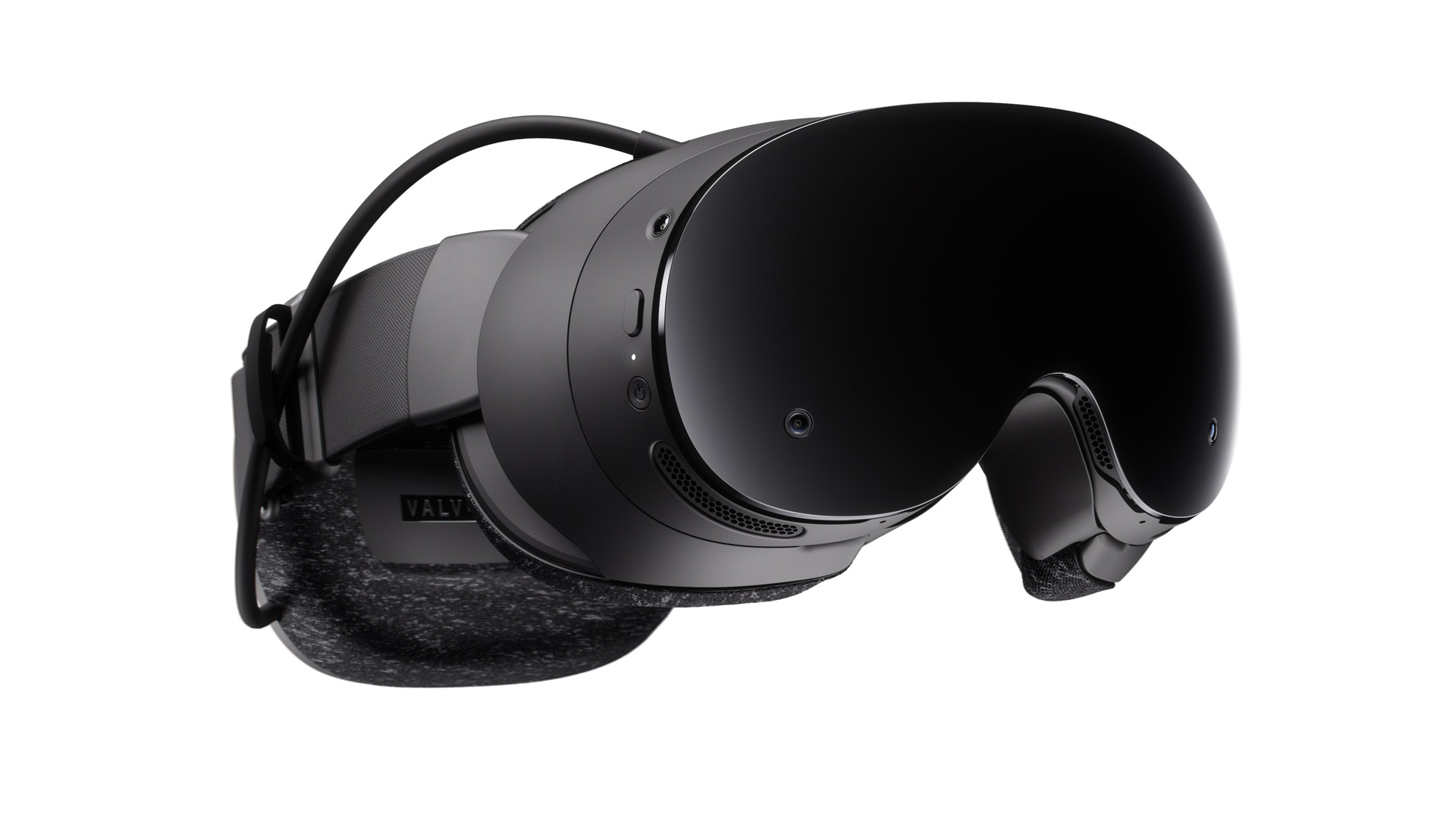
The filing sits under application 2AES4-1015, from Valve Corporation of Bellevue, Washington, covering a product the commission describes with no ceremony whatsoever: "VR Headset." Model 1015. Valve submitted the test documentation on May 13 and waited seventy-seven days for the stamp.
What landed this week is a Grant of Equipment Authorization, and that is a specific thing. It is not an import manifest. It is not a storefront section somebody noticed at two in the morning. It is the federal government confirming that a radio-emitting device may legally be sold to Americans, and without it Valve cannot ship a single unit into this country.
This publication has now told readers three separate times that a Steam Frame launch was close. Being honest about the first two is the only thing that makes the third one worth anything.
What June got wrong
On June 18 we stacked up the signals: the controller FCC embargo lifting, roughly 35 US tons of headsets clearing into Valve's distribution warehouses, and a leaked June 23 price date. The read was that a launch had started loading.
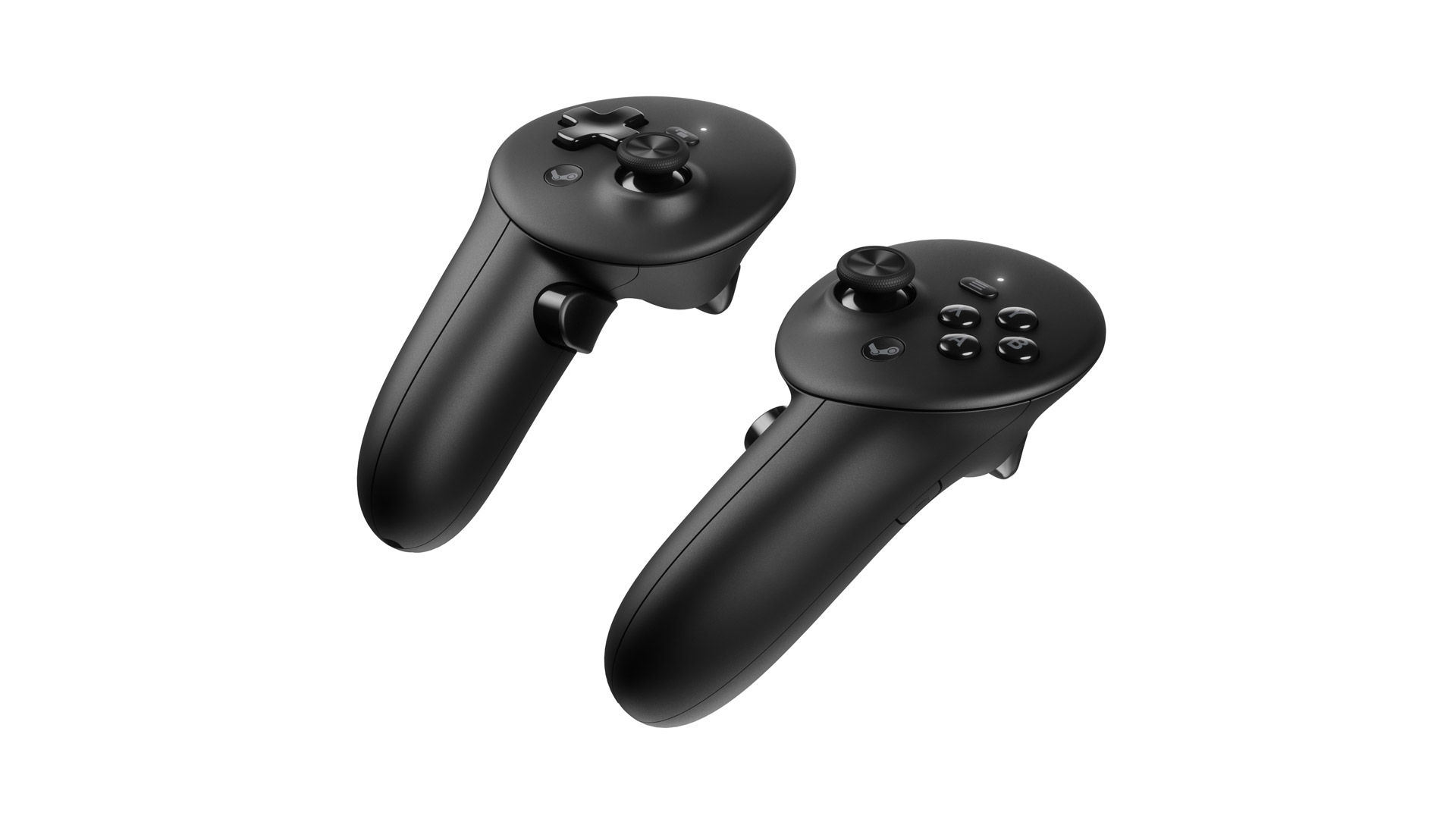
The June 23 date was real. It was not the Steam Frame's.
Valve spent that window confirming the Steam Machine at $1,049 for a June 30 ship date. A Valve price event was sitting on the calendar and we assumed the headset was the product behind it. It was the console. Then on July 13 we pointed at the "Great on Frame" storefront section appearing on Steam as proof the thing was nearly here. Also real. Also not a launch. Six weeks later that store page has still never flipped.
Every one of those signals was inference. Warehouses fill early for all sorts of reasons, storefront scaffolding gets built months ahead of what it points at, and leaked dates belong to whichever product Valve decides they belong to. A regulatory grant is a different category of evidence, because it is the one step a company cannot skip and cannot fake.
What the grant actually covers
The certification spans 2.4GHz Wi-Fi, four separate blocks of 5GHz running from 5180MHz up to 5885MHz, Bluetooth, and the 6GHz band from 5955 to 7115MHz. It authorizes MIMO operation with dynamic frequency selection and transmit power control.
Advertisement
The 6GHz entry is the one worth circling. The Steam Frame's whole pitch rests on wireless PC VR, with a bundled adapter opening a dedicated 6GHz link to a gaming PC so the headset can stream titles off a Steam library without fighting the rest of a congested home network for bandwidth. That radio is the product. It has now been tested and cleared at the exact power levels Valve intends to ship.
Valve also requested both short-term and long-term confidentiality, so internal photos, schematics, and the user manual stay sealed for now.
Fifty-four days
Valve's only on-record commitment remains summer 2026. Summer ends September 22. From today that is 54 days.
Precedent says Valve does not need many of them. When the company shipped the new Steam Controller earlier this year, warehouse arrivals ran roughly three to four weeks ahead of the public announcement. The Steam Machine moved on a similarly compressed pattern: confirm the price, open reservations, ship. Headsets have been sitting in American warehouses since the second week of June.
Inventory is in position. Certification is granted. The storefront section exists, and 42 games were carrying "Great on Frame" badges as of this week.
The price is the only variable left
Valve wanted to undercut the original Index kit, which meant landing below $999. Then memory went vertical. Contract DRAM prices have climbed well past 150 percent year over year while AI datacenters absorb supply, and the Frame carries 16GB of the stuff. Retailer database listings have pointed at roughly $950 for the 512GB configuration and about $1,070 for the larger one. Analyst estimates run from $899 to $1,199.
The squeeze tightened again this week. Qualcomm is raising chip prices in September, and the Frame runs on a Snapdragon 8 Gen 3. A headset certified in July and launched in August is built from parts quoted before that increase. One launched in late September may not be. Every week Valve waits costs it margin it was already short on.
The Steam Machine at $1,049 set a practical ceiling. Valve is not going to price a headset above its own living room PC.
What this means if you are buying one
Stop waiting for the next leak. The next Steam Frame news that matters will come from Valve directly, it will be a price and a date arriving together, and on this evidence it is far more likely to land inside six weeks than outside them. The hardware itself has been settled since November: Snapdragon 8 Gen 3, 16GB of RAM, dual 2160 by 2160 LCD panels, 72 to 120Hz with an experimental 144Hz mode, eye tracking driving foveated rendering, about 440 grams with the strap and battery included.
Regulators are not in the hype business, which is exactly what makes their paperwork worth reading, and also why it will tell you the frequency bands and absolutely nothing about the money.
Budget for $999 and treat anything under it as a win. If Valve prints $1,199, the Frame stops competing with Quest on price and starts asking a harder question: whether a streaming-first headset that leans on the gaming PC and the Steam library you already own is worth a premium over a standalone that does not. That is a defensible pitch. It is also a much smaller room.
Advertisement