
Qualcomm told its customers last week that Snapdragon prices are going up by double digits. Bloomberg reported the notice on July 24. The new pricing applies to anything shipping after September 1, which means orders placed from here on carry the increase.
HardwareJuly 27, 2026
Qualcomm Is Raising Chip Prices by Double Digits on September 1
By Alex Reeves
Staff Writer, VR.org
Advertisement
The company's stated reason is that it has run out of room. It has been absorbing cost increases from its own suppliers and can no longer do it. Efforts to find alternative sources for the components in question did not work out.

Upstream, TSMC is the bottleneck. Nikkei Asia reported days earlier that the foundry is preparing increases of roughly 5 to 10 percent depending on the chip and the size of the customer's order. TSMC builds silicon for Qualcomm, Apple, Nvidia, and most of the rest of the industry, and the AI datacenter buildout has been eating its capacity along with the memory supply. Analysts do not expect the crunch to clear before 2027.
XR has no second supplier
Phones can route around this. Samsung has Exynos. Plenty of Android devices ship MediaTek. The pressure is real but there are alternatives.
Standalone XR does not have that luxury. Quest 3 and 3S run Qualcomm silicon. So does Samsung's Galaxy XR. So do Ray-Ban Meta glasses, Valve's Steam Frame, Pico's headsets, and effectively every Android-based standalone shipping today. Snapdragon is not the leading platform in this category, it is the category. A double-digit increase on the most expensive single component in the bill of materials has nowhere to go except into the retail price or into someone's margin.

And this lands on top of memory, not instead of it. DDR5 contract pricing has more than doubled year over year. Valve's Steam Machine was tracking internally around $750 and launched at $1,049, with the company pointing directly at memory costs. Pierre-Loup Griffais described component buying this year as a negotiation to secure a few thousand units with larger buyers ahead of you in line. The memory story has been running since spring. The silicon story is new.
The September date matters more than the percentage
Qualcomm did not publish a number. Double digits covers a lot of ground, and the actual figure almost certainly varies by chip and by how much volume a customer commits.
The date is the concrete part. Anything a manufacturer secured before September 1 ships at the old price. That protects hardware already in production and does very little for anything being planned now. Meta Connect is September 23. Valve has still not put a price on the Steam Frame. Samsung's smart glasses are expected in the fall. Products on shelves this holiday were mostly bought and paid for months ago.
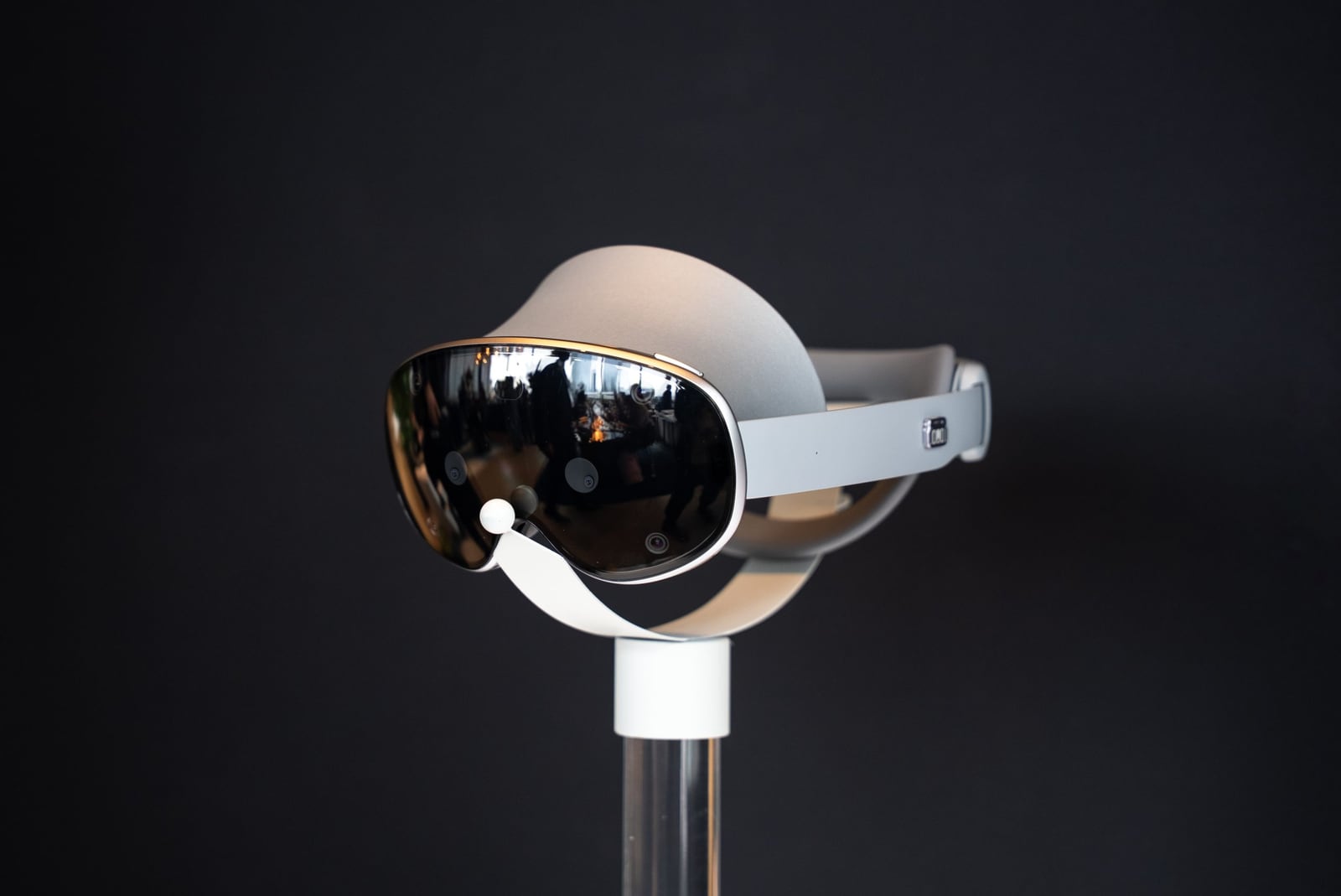
2027 hardware is where this shows up. Quest 4, Vision Pro's eventual successor, whatever Samsung builds after its first glasses, the second wave of Android XR devices. Those chips get ordered under the new pricing.
Qualcomm's stock went up on the news, which is a reasonable read of a company that just told the market it can raise prices without losing customers.
What it means for buyers
The floor is more likely to rise than fall. Quest 3S at $299 exists because Meta was willing to sell hardware near cost to build an install base, and that math was set in a cheaper year. Every entry-level standalone headset is built on the same assumption of cheap silicon and cheap memory, and both halves of that assumption are now gone.
Anyone holding out for a price drop on a current headset before 2027 should probably stop holding out.
Advertisement