
My headset has a sunset now. That is the word Valve put at the top of its Index page on Tuesday, "Valve Index Sunset," above a line saying the thing is no longer being produced.
HardwareOctober 17, 2026
Six Years With a Valve Index, the Headset Valve Is Still Trying to Match
By Evan Marcus
Co-Founder, VR.org
Advertisement
Alex already went through what is left on the shelf, a $399.20 headset and a left controller and a tether and nothing else, so I am not doing the price math twice. I want to write about the headset itself. Mine has been on my desk since 2020. It is still plugged in, I still use it, and in six years it has never given me a real problem, which is more than I can say for a lot of VR hardware.
The year you could not buy one
Some history, because the Index had a strange first year. It went up for preorder on April 30, 2019, at $999 for the full kit with controllers and base stations, and started shipping June 28, Road to VR reported at the time. For a few months it was a pricey headset selling to the people you would expect to buy a pricey headset. Then in November Valve announced Half-Life: Alyx and said it would give the game to anyone who owned Index hardware. Within a week the Index was out of stock in the US and Canada. By January 14, 2020, Road to VR found it sold out in all 31 regions Valve shipped to, with a Valve spokesperson saying the company was "working hard to build more units and meet the high demand."
SuperData later estimated that Valve sold 149,000 Index headsets in 2019, and that 103,000 of them went in the fourth quarter, according to PC Games Insider. That is one game moving two thirds of a year's hardware in three months. When Valve opened a fresh batch on March 9, 2020, two weeks before Alyx came out, TweakTown reported it sold out in under 30 minutes.
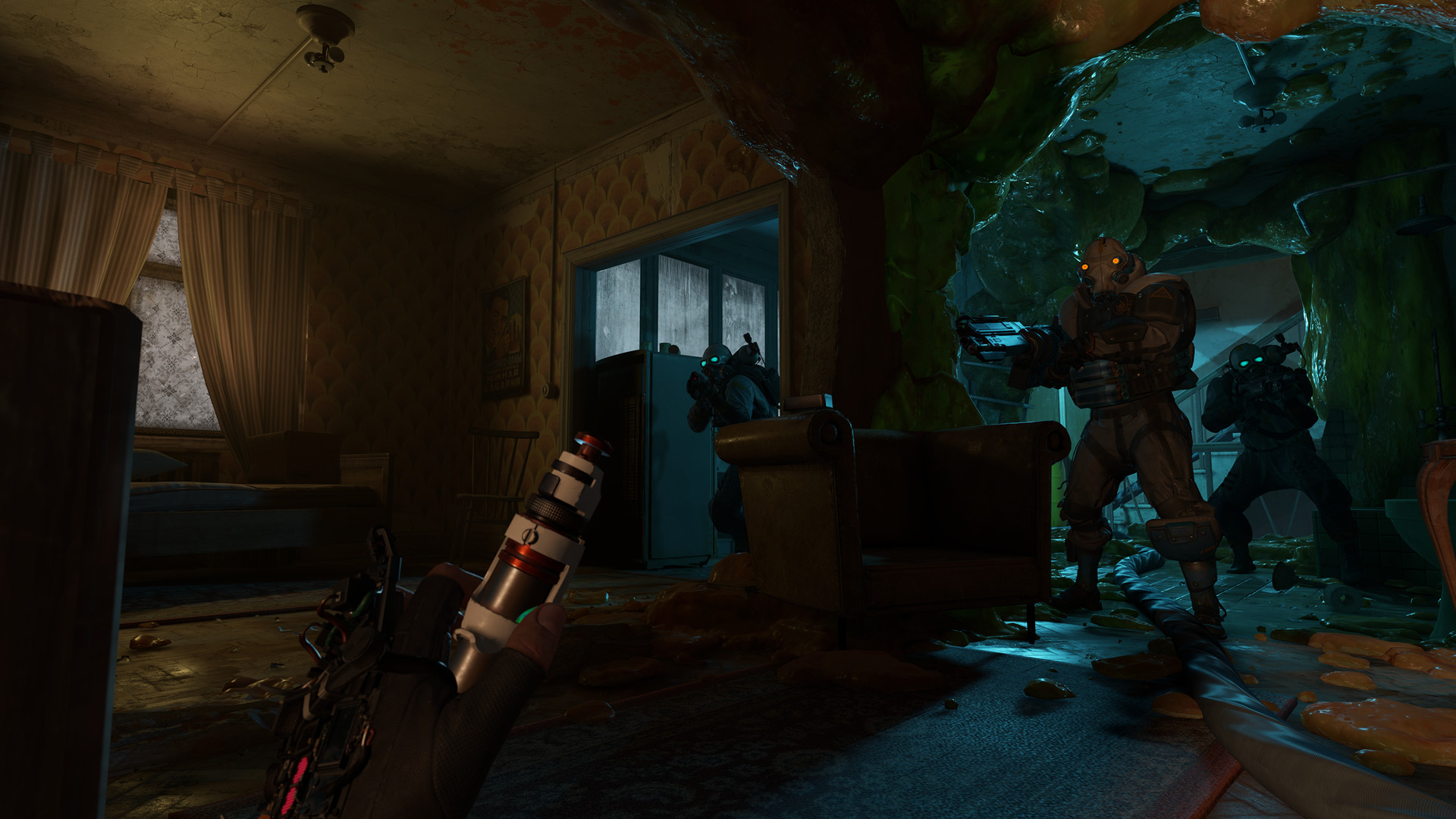
I got mine in 2020, in the middle of all that, and Alyx was the reason. I suspect that is true for a lot of us. Most of my hours on it went to three games: Half-Life: Alyx, Beat Saber and Walkabout Mini Golf. I have already spent a whole column on why Alyx is the best thing VR has produced, so here is the short version. Valve built its best game and its best headset at the same time, for each other, and you could feel the two of them fitting together.
Valve is still chasing the speakers
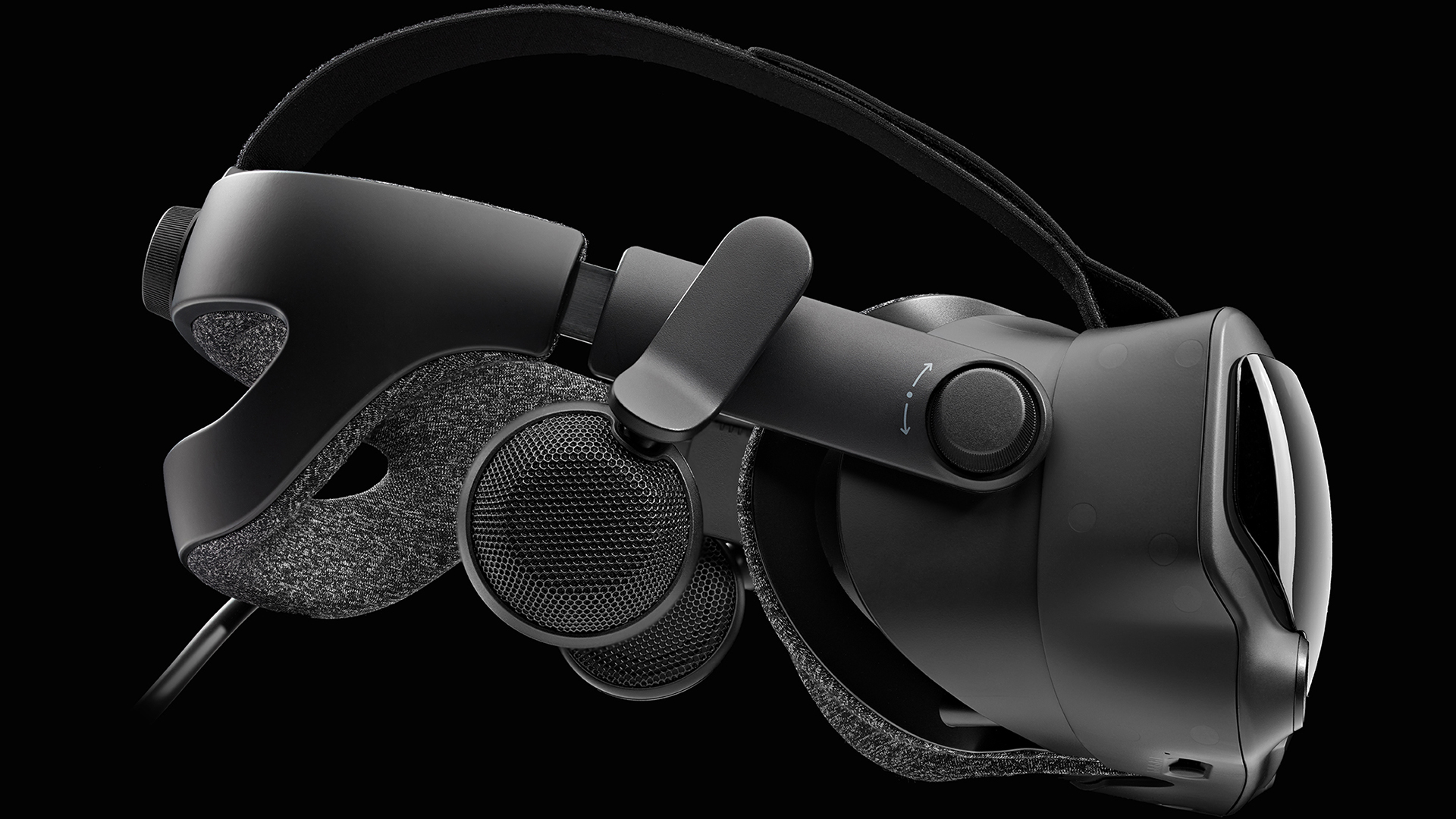
Nobody warns you about the sound. The Index speakers do not touch your ears. They float a little way off each side of your head on hinged arms, so the audio seems to come from the room around you instead of from inside a pair of headphones. Valve published a long write-up of how it got there, and it is a great read. The first prototype was "two small full-range desktop speaker drivers" taped to the side of a skateboard helmet, with an old Vive strapped around the outside. Some playtesters, Valve wrote, reported that "the very act of headphones touching the ear signaled to them that any forthcoming sound wasn't going to be real." The drivers Valve chose were BMR speakers, short for balanced mode radiator.
Hold that word, BMR.
Advertisement
Valve has now told PC Gamer it is building a new strap for the Steam Frame "with hot-swappable batteries and BMR drivers to match the excellent speakers on the Valve Index," a line that sits in PC Gamer's Frame review. No price, no date. So the company that just retired my headset is building an accessory to make its replacement sound like it. I do not think there is a better review of the Index than that.
The controllers got copied too
The other part of the Index Valve keeps coming back to is the controller. It straps around the back of your hand, so you can open your fingers all the way and the controller stays put, and the grip is covered in capacitive sensors that read where each finger is. You let go of things by letting go of them. In Alyx that meant dropping a magazine or tossing a bottle was just a thing your hand did.
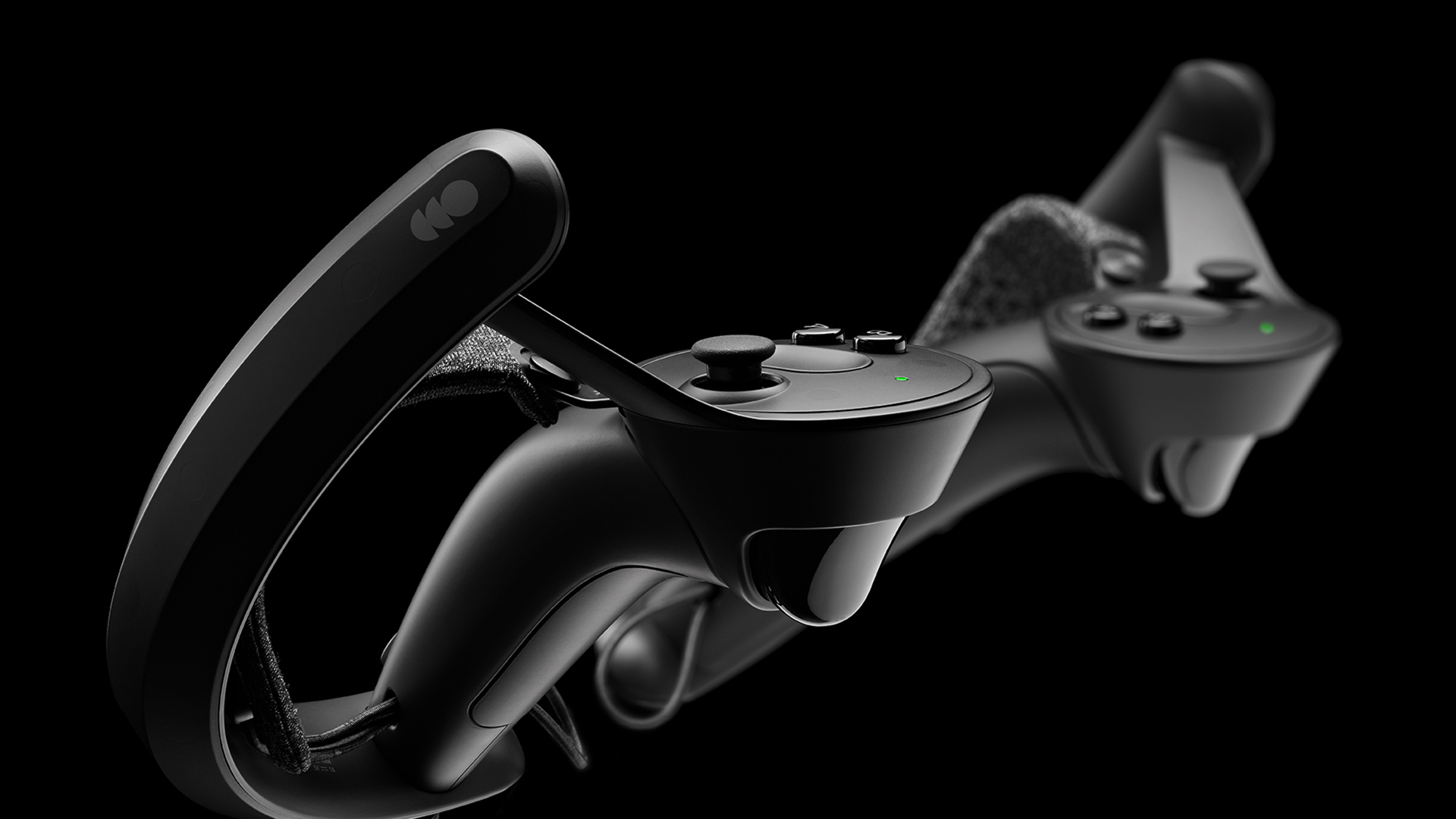
The Frame's controllers ship with cord wrist straps. Valve sells proper hand straps separately in a $59 Ergonomic Accessories Kit, and PC Gamer's reviewer described them as "akin to the Valve Index design," saying they let him "make better use of the finger sensing features" of the Frame controller. He also wrote that the Frame's controllers "are not as elegantly designed for this sort of strap as the Index's," and that several colleagues who tried the straps could not comfortably reach every button. Seven years on, the old shape is still the one being measured against.
What it never solved
I am not going to pretend the Index was perfect. I have written before about the friction of PC VR, and the Index is most of that list. Two base stations mounted high in opposite corners of the room. A cable to the PC that you learn to step over. A $499 list price for the headset alone that never moved, not once, in seven years, while a Quest 2 arrived in 2020 at $299 and needed nothing else at all. That gap is the whole reason Meta ended up selling VR to people who had never owned a gaming PC, and Valve ended up selling it to people like me.
Valve clearly knew. When it showed the Steam Frame last November it told Road to VR the new headset would be "cheaper than Index." It launched in September at $1,059, which is $60 above the old full kit, though it needs no base stations and no PC for its standalone games. PC Gamer asked Jeremy Selan, a Valve engineer on the Frame, what he would change about it if he could snap his fingers. "Price," Selan said. "I wish we could have shipped it at the price that we were at last year."
One more thing that came back. The Index had a magnetic front plate with a compartment and a USB port behind it, a space Valve called the frunk, and in July 2019 Valve published CAD files so people could design accessories for it, Engadget reported. On October 9 Valve did the same thing for the Frame, CAD files plus a pinout for its front port. Same idea, seven years apart.
It is still plugged in
Here is a number that surprised me. Once a month Valve asks Steam users, optionally and anonymously, what hardware they have connected, and publishes the results. In September, roughly one in ten of the VR headsets it found was an Index, fourth behind three Quest models. Valve's sunset page says the headset "is still supported on Steam and SteamVR." A lot of these are still out there, on a lot of desks.
Mine is one of them. I am on the Steam Frame waitlist for the 1TB model, and as of Monday my page still said waitlist and nothing else. In 2020 the Index was the headset you could not get. In 2026 it is the Frame. Funny how that works.
When the email does come, I will buy the Frame, and I expect to love not having a cable. But Valve is building a strap so the new one can sound like the old one, and until that strap ships, the Index is not going in a box. It stays where it is.
Advertisement