
Meta launched two new Ray-Ban Meta smart glasses on April 14 that address the single biggest barrier to mainstream smart glasses adoption: prescription lenses. The Ray-Ban Meta Blayzer Optics and Scriber Optics are the first models in the lineup designed from the ground up for prescription wearers, with frames engineered to accommodate nearly all prescription strengths. Starting at $499, they are available now at optical retailers across the United States.
HardwareApril 15, 2026
Meta Just Solved Smart Glasses' Biggest Problem. The Ray-Ban Blayzer and Scriber Ship With Prescriptions Built In.
By Alex Reeves
Staff Writer, VR.org
Advertisement
This is not a minor product update. Roughly 75% of American adults use some form of vision correction. Until now, those people had to choose between seeing clearly and wearing smart glasses. Meta just removed that choice.
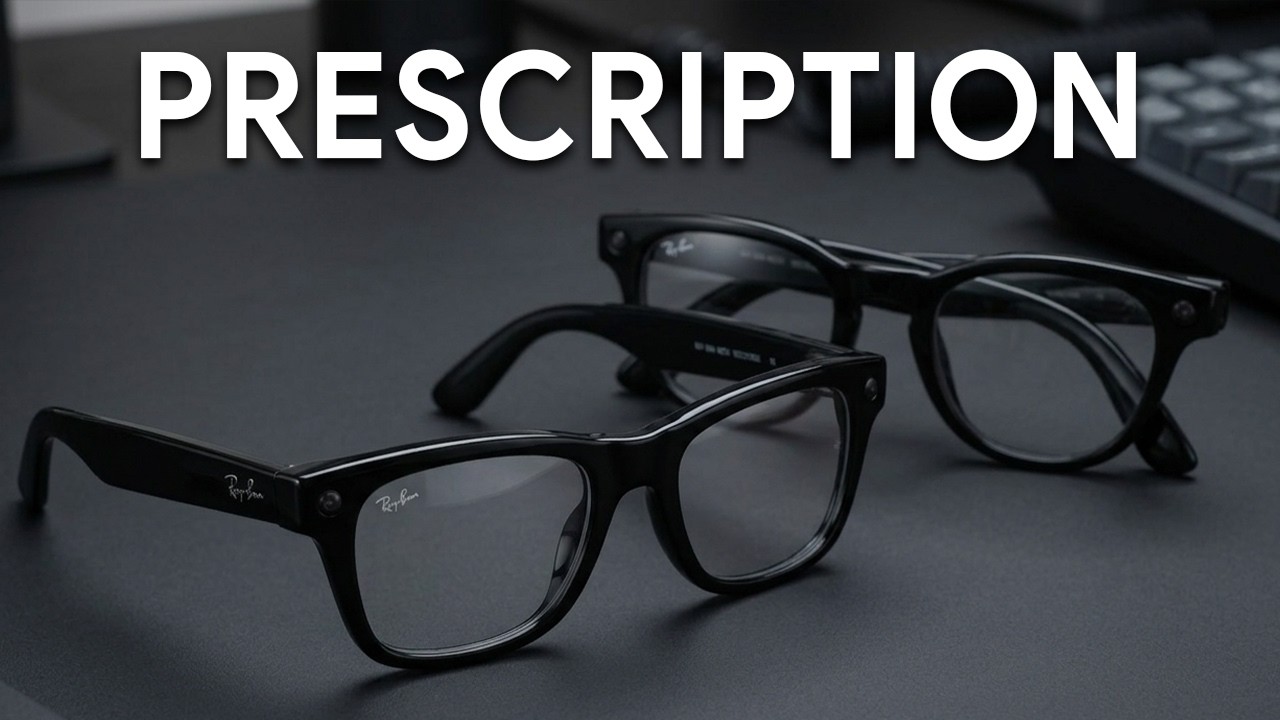
Two new frames, built for prescriptions
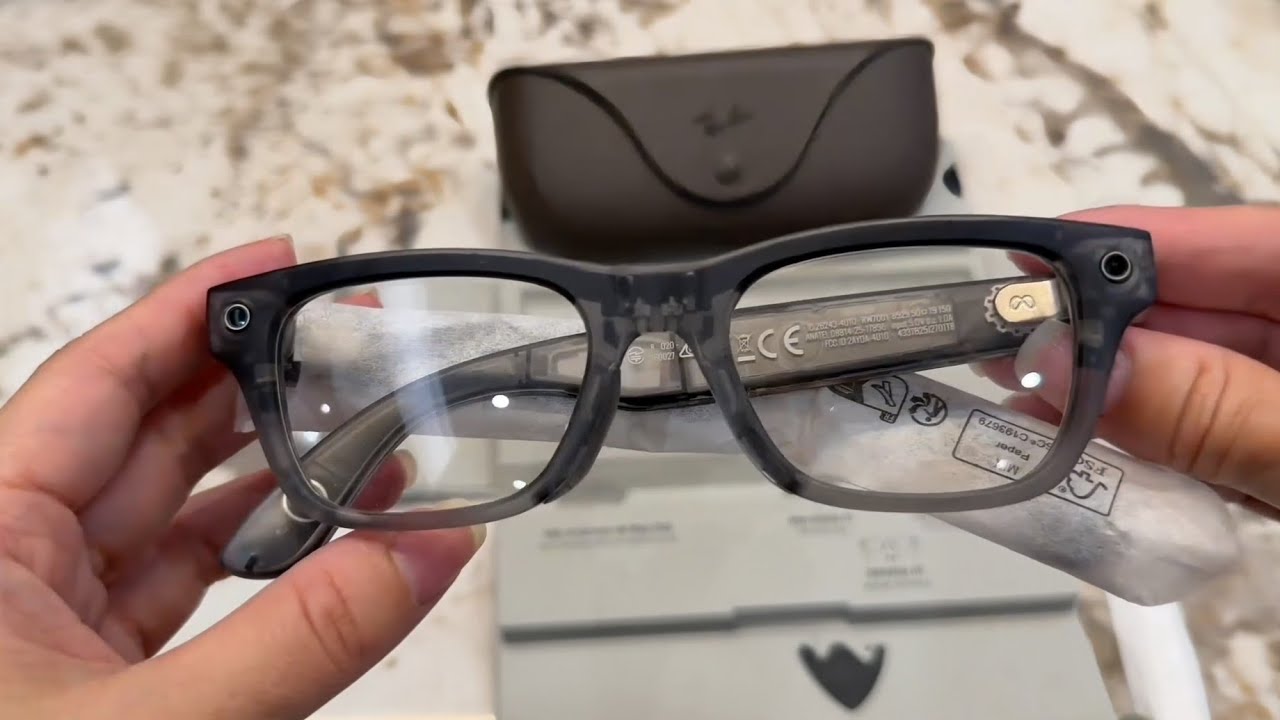
The Blayzer Optics is a rectangular frame available in Standard and Large sizes. The Scriber Optics has a rounded, curved design. Both are Gen 2 hardware, which means they carry the same camera, speaker, and microphone capabilities as the existing Ray-Ban Meta lineup. The difference is in the frame engineering. Overextension hinges adapt to various face sizes. Interchangeable nose pads and optician-adjustable temple tips mean these can be fitted properly at an optical shop, the same way traditional prescription glasses are.
Color options include Matte Black, Transparent Black, Transparent Dark Olive, Transparent Matte Ice Grey, and Transparent Stone Beige. Meta is also running limited-edition seasonal colorways for Spring/Summer 2026: a Transparent Peach Skyler with Transitions Brown lenses, a Transparent Peach Headliner with Transitions Grey, and a Transparent Grey Wayfarer with Transitions Sapphire lenses.
Previous Ray-Ban Meta owners could add aftermarket prescription lenses, but that required third-party modifications and did not always produce reliable results. These Optics models are purpose-built for the use case, which is a meaningful distinction for anyone who has tried to retrofit smart features onto corrective eyewear.
New software features
The hardware launch coincides with new AI capabilities rolling out across the Ray-Ban Meta platform. Nutrition tracking lets users log meals hands-free through a voice prompt or by taking a photo with the glasses. Meta AI extracts nutritional details automatically and logs them. For anyone who has tried to track calories by manually entering food items into an app, the appeal is obvious.
Neural Handwriting is the more unusual addition. It lets users write with their finger on any surface to reply to messages silently. The system tracks finger movement and converts it to text. Meta says the feature is rolling out in the coming weeks. Whether it works reliably in practice remains to be seen, but the concept addresses a real limitation of voice-controlled glasses: you cannot dictate a text message in a quiet meeting or a crowded subway without everyone around you hearing it.
WhatsApp message summaries powered by Meta AI round out the software additions. The glasses can read incoming messages, generate a summary, and deliver it through the built-in speakers so users do not need to pull out their phone.
The retail strategy matters
Putting these glasses in optical retailers is a deliberate distribution play. Most smart glasses have been sold through electronics retailers and online stores. By placing the Blayzer and Scriber Optics in the same shops where people already buy their prescription eyewear, Meta is meeting customers in a context where spending $499 on glasses is normal. A pair of premium prescription frames with progressive lenses can easily cost $400 to $600 at an optical shop. Adding smart features to that purchase is a much easier sell than convincing someone to buy a separate gadget.
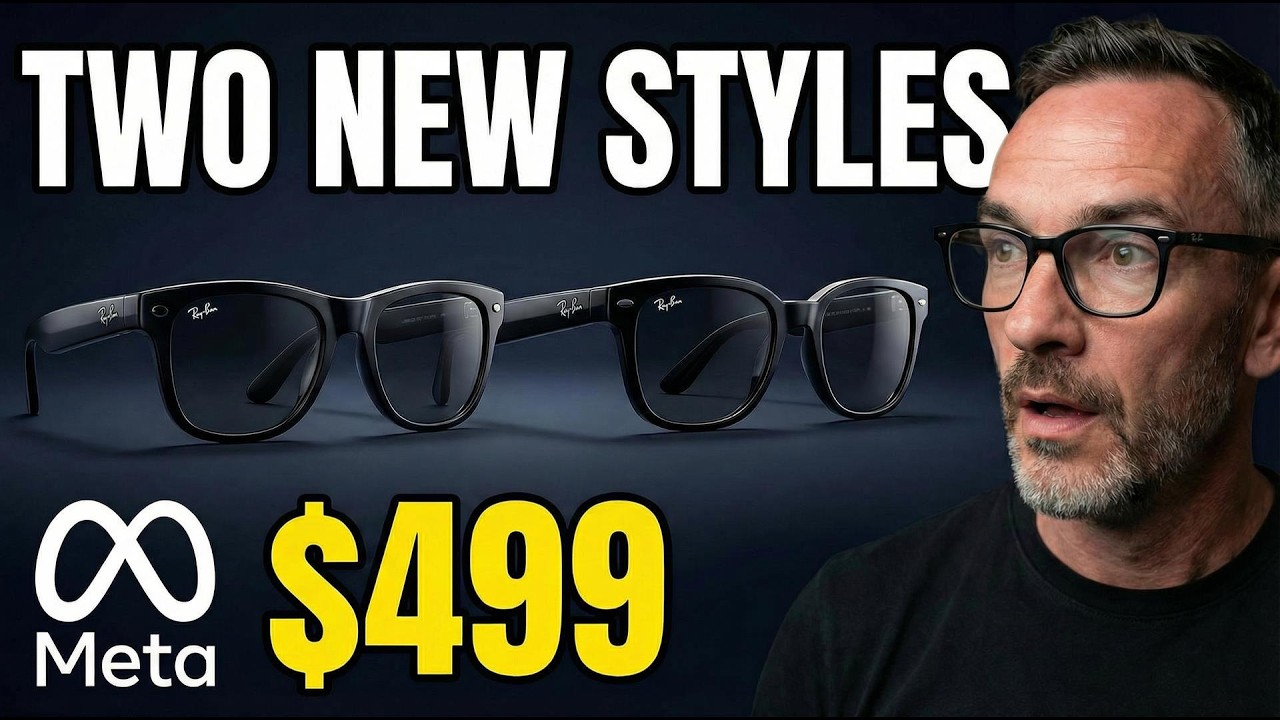
Pre-orders are live on Meta.com and Ray-Ban.com. Oakley Meta is also expanding with new color and lens combinations for the Vanguard and HSTN styles, which broadens the smart glasses lineup for sport and outdoor use cases.
What this means for the market
Meta has been signaling for months that lightweight smart glasses, not VR headsets, are the company's path to mainstream wearable computing. The Ray-Ban Meta partnership with EssilorLuxottica has produced the only smart glasses that people actually wear in public without looking like they are beta testing a product. Adding prescription support removes the last major demographic barrier.
At $499, the Blayzer and Scriber Optics are priced competitively with premium eyewear. They ship with AI features that are genuinely useful rather than gimmicky. And they are available at the places where people already shop for glasses. This is Meta executing on the boring, practical work of making a product accessible to normal consumers. It is not flashy, but it might be the most consequential hardware move Meta makes this year.
Advertisement